Artwork
Duel with Swords and Daggers
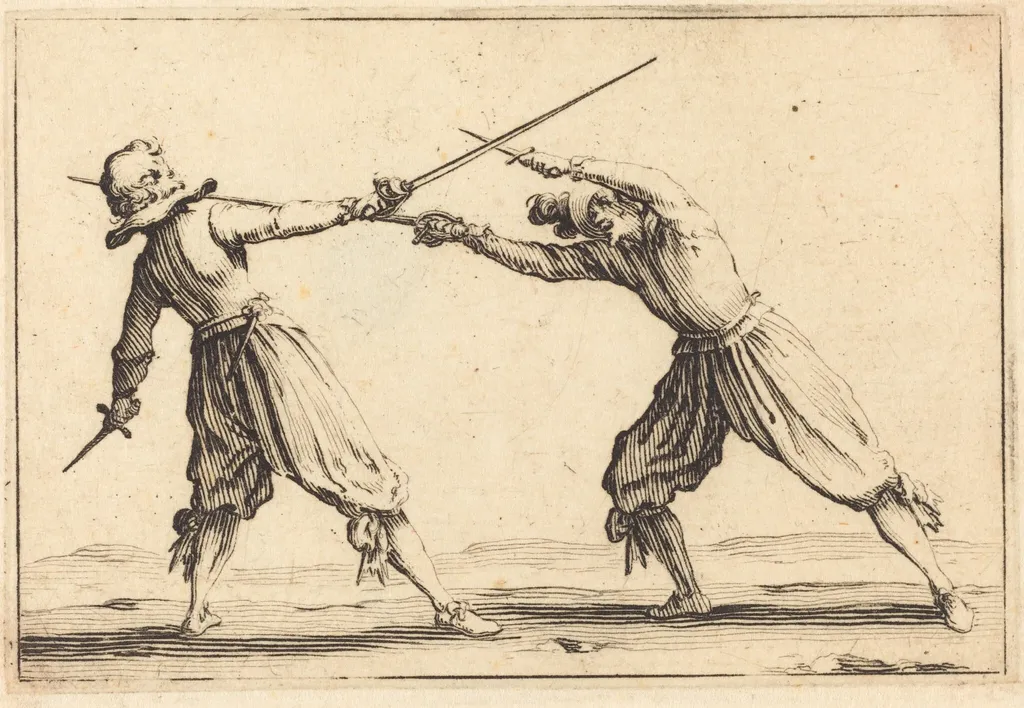
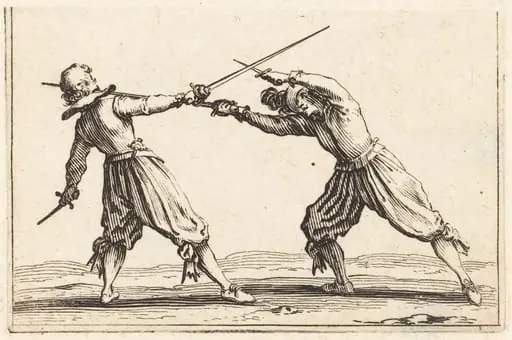
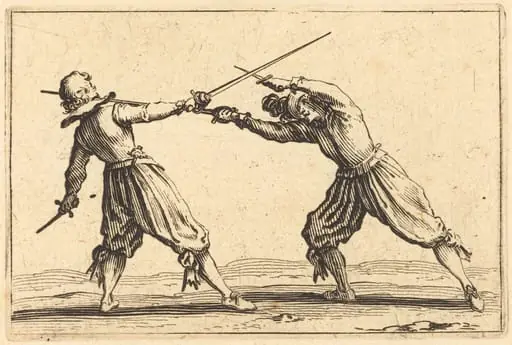
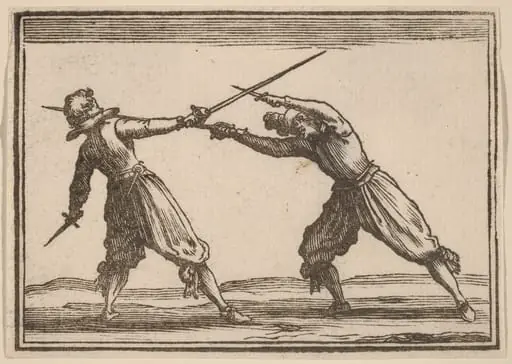
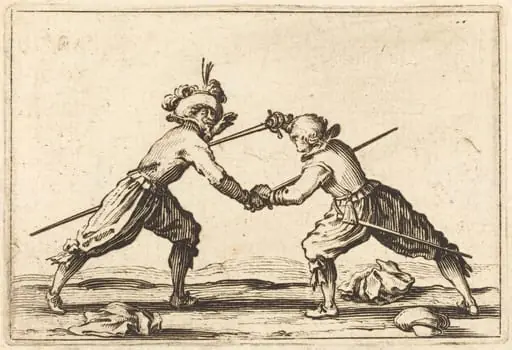
Duel with Swords and Daggers is an ink print by the Baroque artist Jacques Callot. It dates from 1617 and is held in the collection of the National Gallery of Art.
About this work
Overview
The work belongs to a broader corpus documenting social rituals and martial customs in early 17th-century Europe, rendered with precision yet urgency.
Created around 1617 by Jacques Callot, this etching on laid paper captures a moment of violent intimacy between two duelists. As one of over 1,400 prints by the Lorrainer artist, it reflects his keen interest in the physicality and drama of everyday conflict. The work belongs to a broader corpus documenting social rituals and martial customs in early 17th-century Europe, rendered with precision yet urgency.
Subject & Meaning
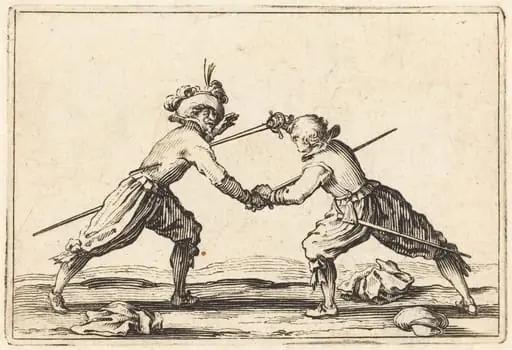
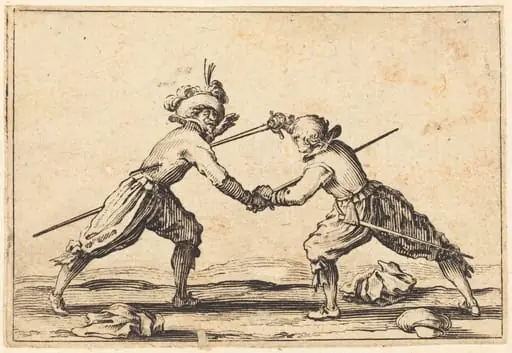
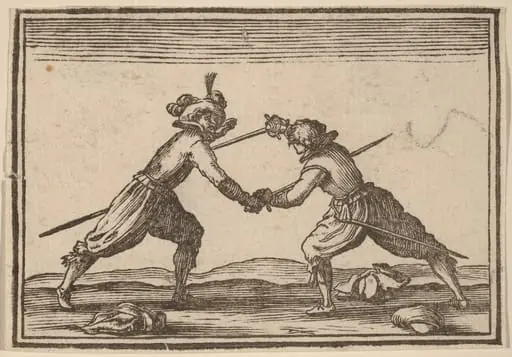
Two men clash in a private, unceremonious duel, swords locked and daggers poised. One advances aggressively, body coiled; the other defends, cloak swept back by motion. Their faces are indistinct, emphasizing action over identity. The scene suggests a personal or honor-bound confrontation, stripped of ceremony, revealing the raw, chaotic nature of such encounters in a time when dueling remained both illegal and culturally entrenched.
Technique & Style
Callot employed fine, rapid etching lines to convey motion and tension, avoiding smooth finishes in favor of energetic, sketch-like marks. The ground is rendered as irregular, undulating strokes, suggesting uneven terrain. Clothing is defined by layered folds, not texture, and the figures’ forms are simplified, prioritizing dynamic posture over anatomical detail. The medium’s capacity for immediacy suits the fleeting, violent moment captured.
History & Provenance
The print emerged during Callot’s early career, before his major series on war and beggary. Likely produced in Florence or Nancy, where he worked between 1612 and 1621, it reflects his exposure to Italian and French martial culture. No specific ownership record survives from the period, but the work circulated widely among collectors and artists drawn to his technical innovation and observational clarity.
Context
In early 17th-century Europe, dueling persisted despite legal prohibitions, particularly among nobility and soldiers. Callot’s prints often recorded such behaviors not as glorification but as social observation. This image aligns with contemporary interest in the body in motion, influenced by theatrical staging and emerging naturalism, offering a glimpse into the informal violence beneath the surface of courtly life.
Legacy
Callot’s etchings, including this one, influenced generations of printmakers through their expressive line and narrative economy. The work exemplifies how printmaking could capture transient moments with clarity, bridging documentary observation and artistic expression. Its unpolished quality helped redefine the potential of etching as a medium for spontaneous, human-centered storytelling.
Artist & collection
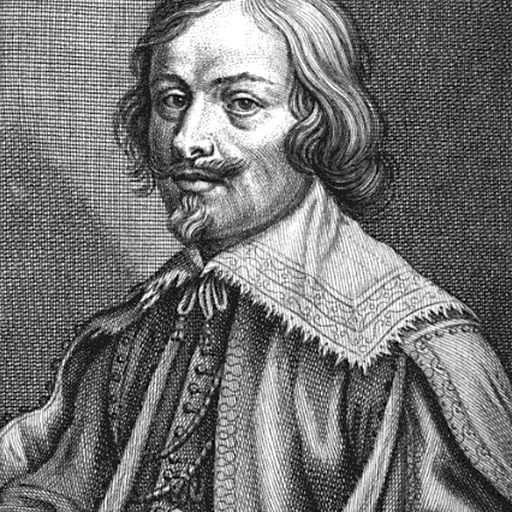
Artist
Jacques Callot was a baroque printmaker and draftsman from the Duchy of Lorraine.

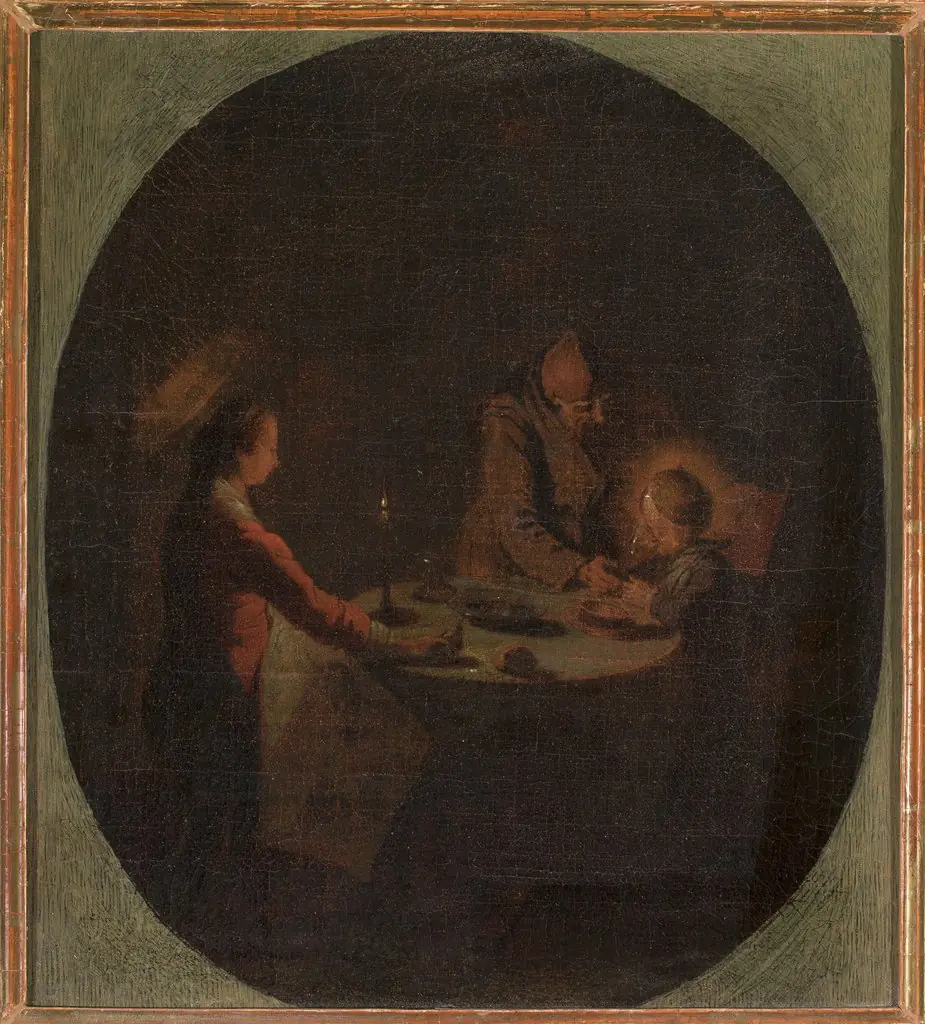 Holy Family at supper
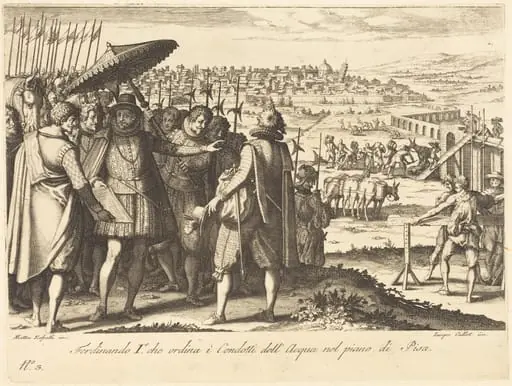 Restoration of the Aqueduct at Pisa
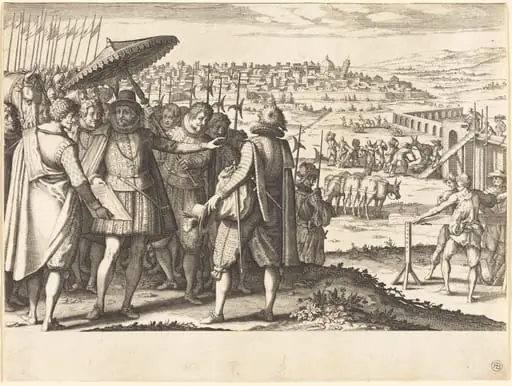 Restoration of the Aqueduct at Pisa
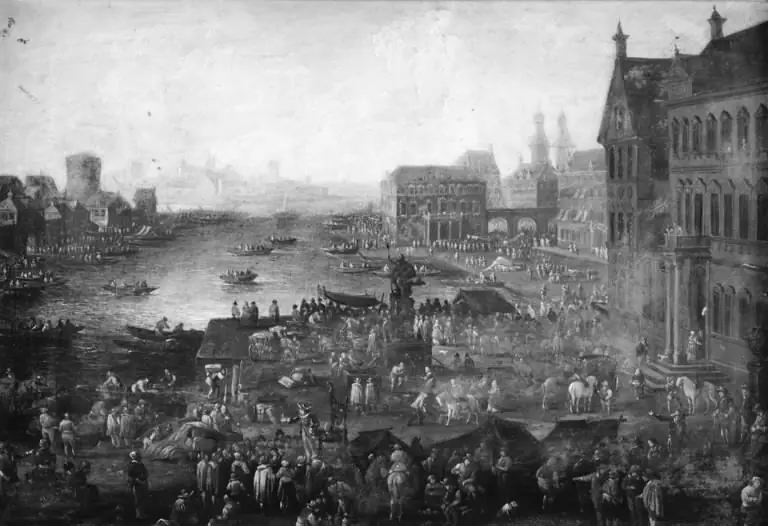 Square in Paris with Many Figures
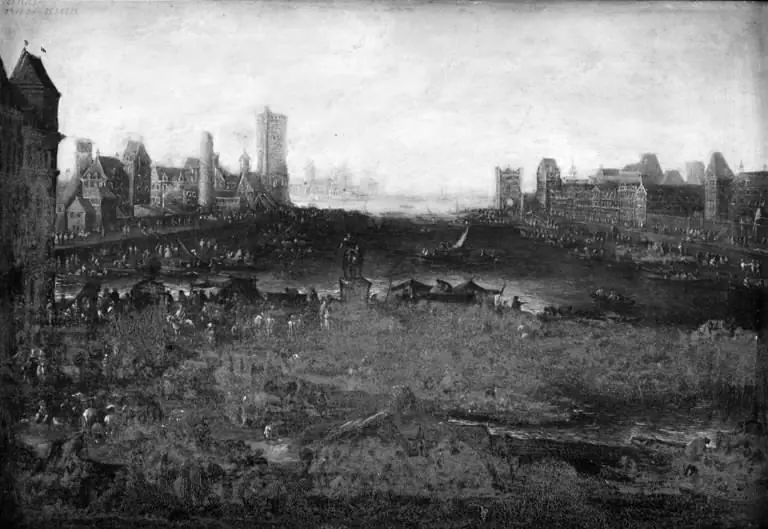 Square in Paris with Many Figures
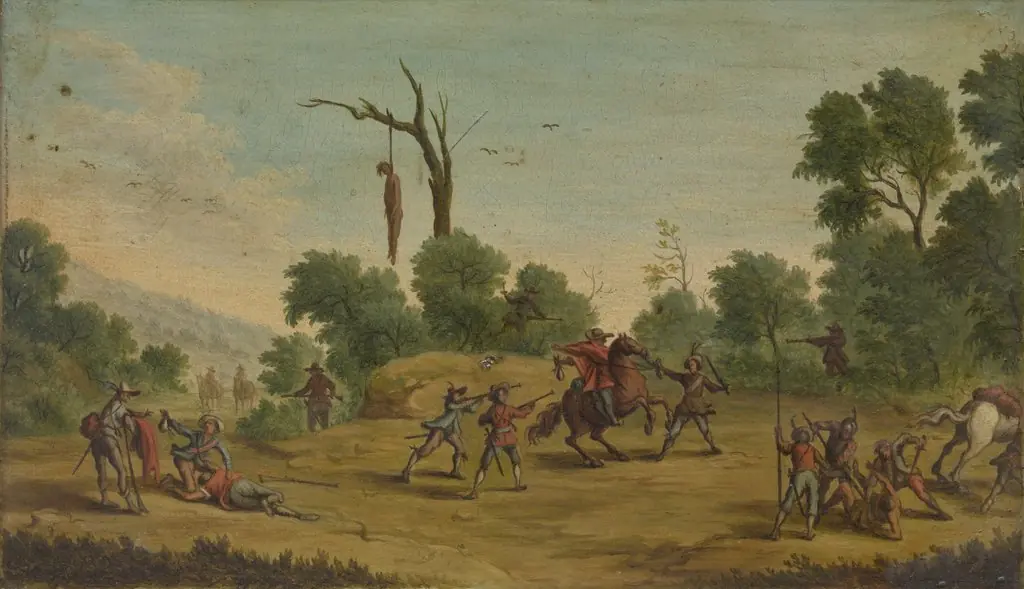 Horsemen Attacked by Robbers
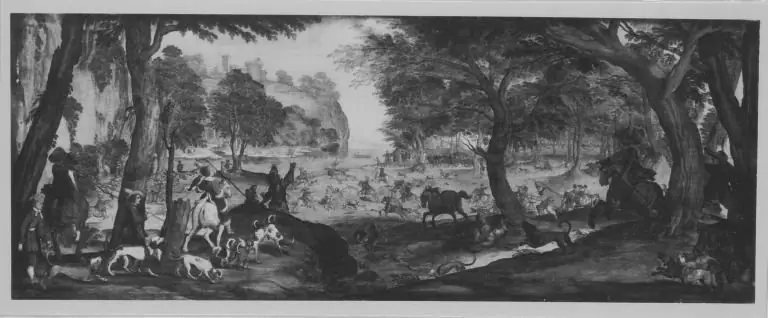 HOW WILL A COVERED PART BE CORRECTED?HOW WIKA A COVERED HEART DEED CORRECTED?
![Christ Walking on the Water [second plate], by Jacques Callot](https://artifactworldgallery.com/img/jacques-callot--christ-walking-on-the-water-second-plate--2069f3bfe4cb2126-w320.webp) Christ Walking on the Water [second plate]
Christ Walking on the Water [second plate]