Artwork
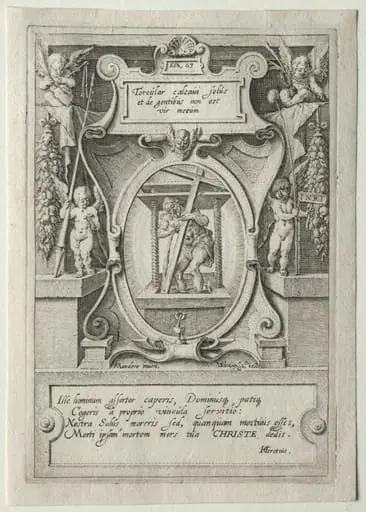
Frontispiece for "Gloriosissimae"
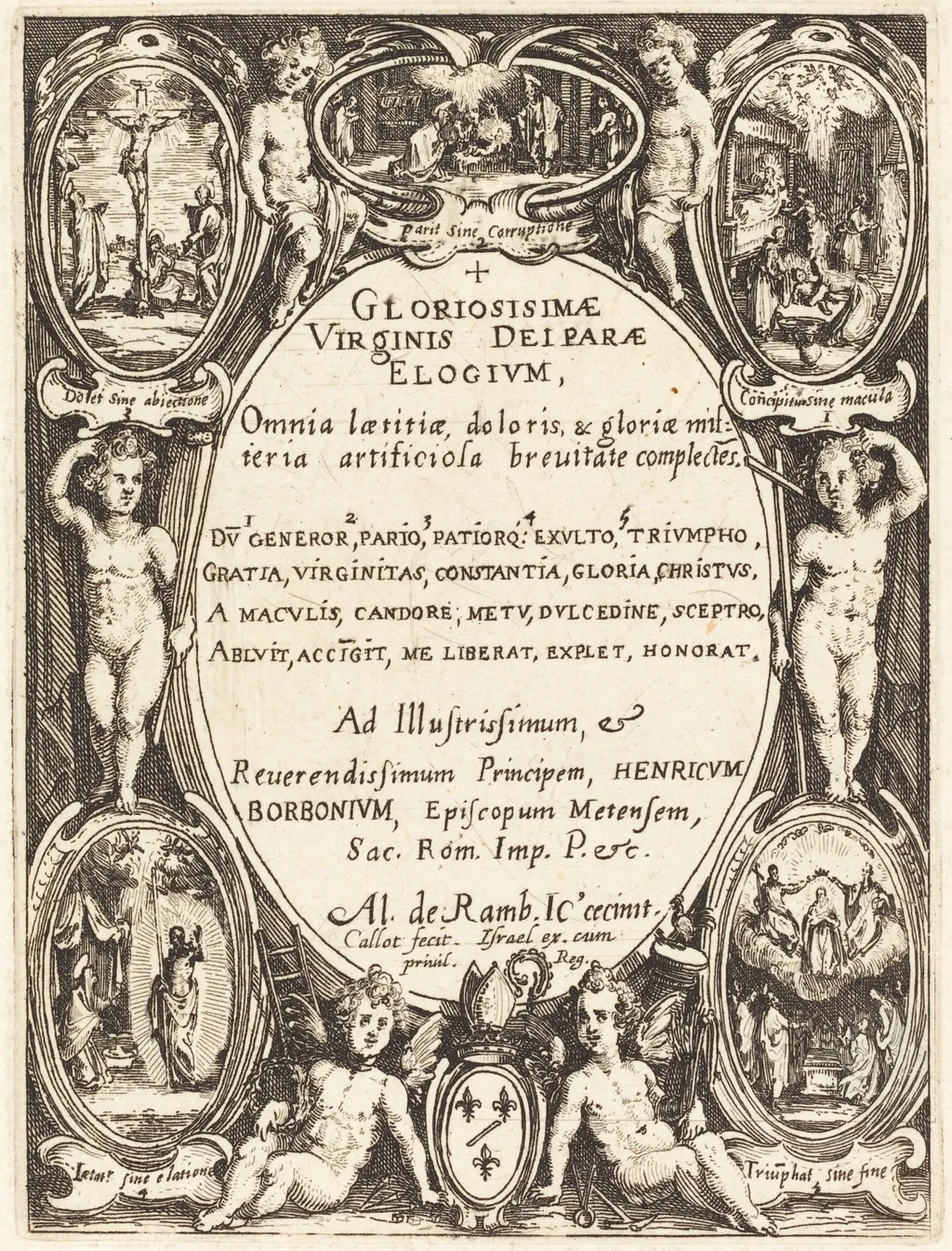
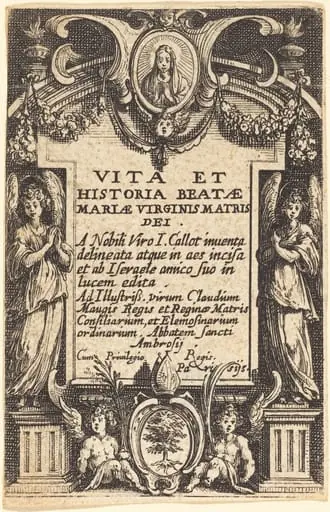
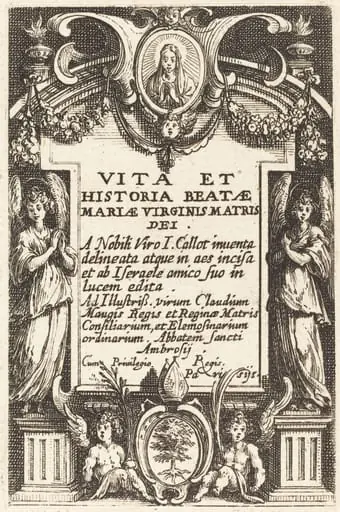
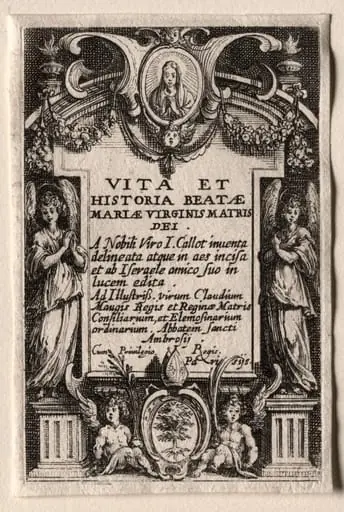
Frontispiece for "Gloriosissimae" is an ink print by the Renaissance artist Jacques Callot. It dates from 1614 and is held in the collection of the National Gallery of Art.
About this work
Overview
As one of over 1,400 prints he produced, it reflects his dedication to printmaking as a medium for both artistic and documentary purposes.
Created in 1614 by Jacques Callot, this etching serves as the frontispiece for the devotional text 'Gloriosissimae.' Executed on laid paper, it exemplifies Callot’s mastery of the etching technique, in which a metal plate is incised with a needle and then etched in acid to produce fine, detailed lines. As one of over 1,400 prints he produced, it reflects his dedication to printmaking as a medium for both artistic and documentary purposes.
Subject & Meaning
The image functions as an ornamental introduction to a religious volume, likely honoring the Virgin Mary given the title's devotional tone. It features a composition of figures and architectural elements arranged to convey reverence and order, aligning with the spiritual purpose of the text. No overt narrative is depicted; instead, the design emphasizes solemnity and ceremonial grandeur through symbolic form and balanced structure.
Technique & Style
Callot employed fine-line etching to achieve exceptional detail, using a burin to scratch into a copper plate coated with wax. Acid then bit into the exposed lines, allowing ink to hold in the grooves. His precision in rendering textures—fabric, stone, foliage—demonstrates his technical innovation. The background recedes into atmospheric space, a hallmark of his ability to merge intimate figure work with expansive, layered settings.
History & Provenance
The print was produced during Callot’s early career, shortly after his return to Nancy from Italy, where he absorbed Renaissance and Mannerist influences. It was made for a specific liturgical publication, indicating commission-based work typical of the period. While the original book is now lost, the etching survives in several institutional collections, preserved as a representative example of early 17th-century religious printmaking.
Context
In early 1600s Lorraine, printmaking served both devotional and political ends. Callot’s output intersected with Counter-Reformation culture, where imagery reinforced Catholic orthodoxy. His depictions of religious subjects often mirrored the era’s emphasis on clarity and emotional restraint. This frontispiece aligns with broader trends in ecclesiastical publishing, where visual grandeur supported textual authority.
Legacy
Callot’s technical refinements in etching influenced generations of printmakers across Europe. His ability to render complex scenes with minute detail set new standards for the medium. Though this particular frontispiece was created for a now-lost volume, its survival underscores the enduring value placed on illustrated religious texts and the role of print in disseminating sacred imagery beyond manuscript culture.
Artist & collection
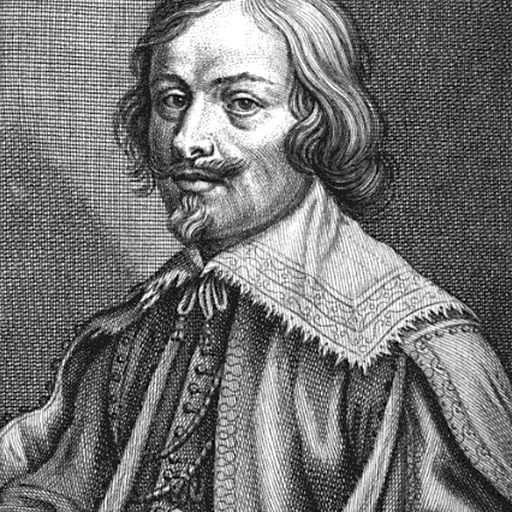
Artist
Jacques Callot was a baroque printmaker and draftsman from the Duchy of Lorraine.

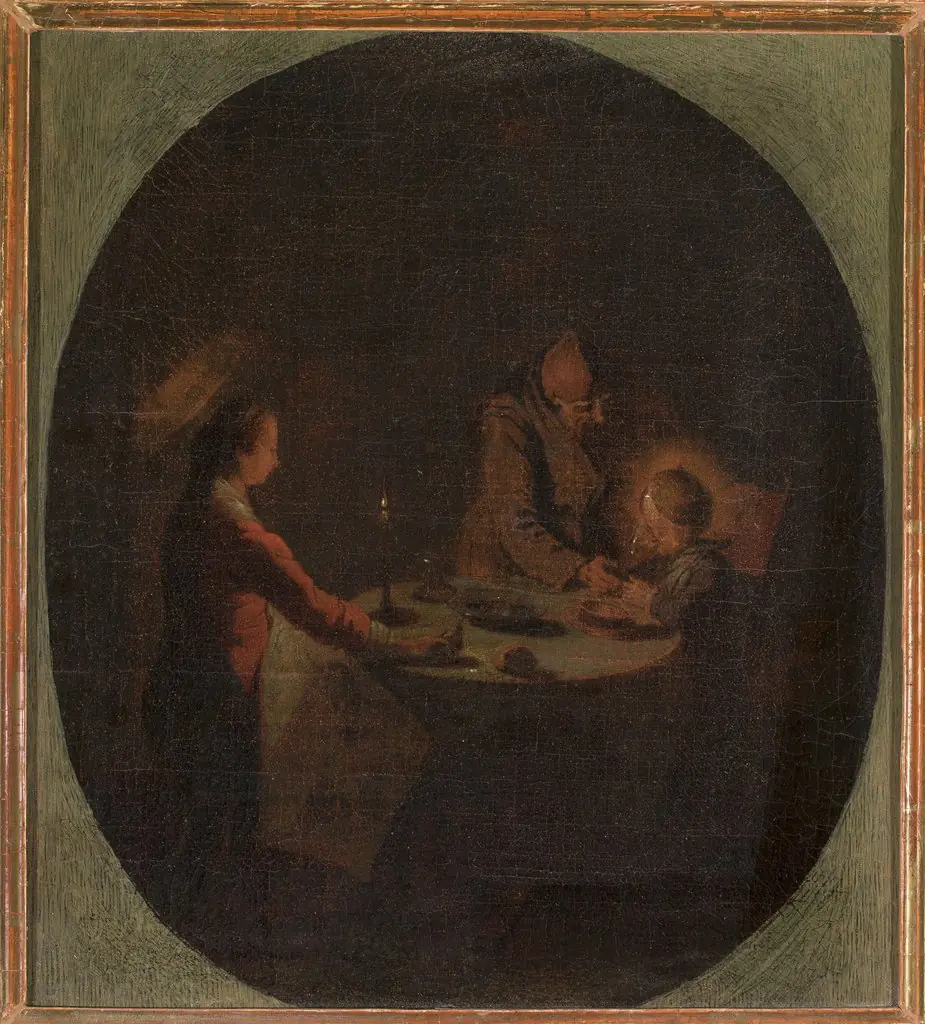 Holy Family at supper
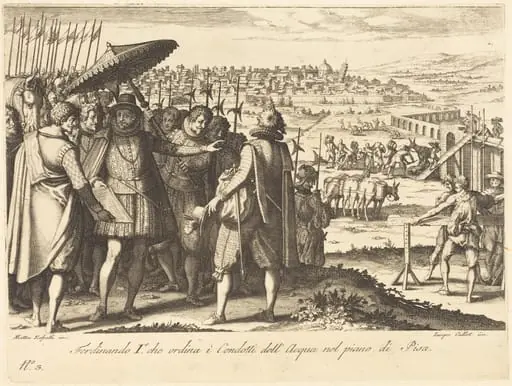 Restoration of the Aqueduct at Pisa
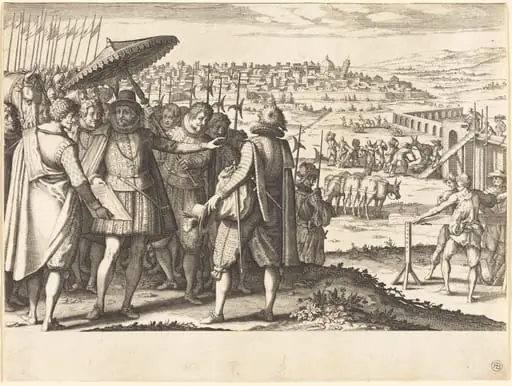 Restoration of the Aqueduct at Pisa
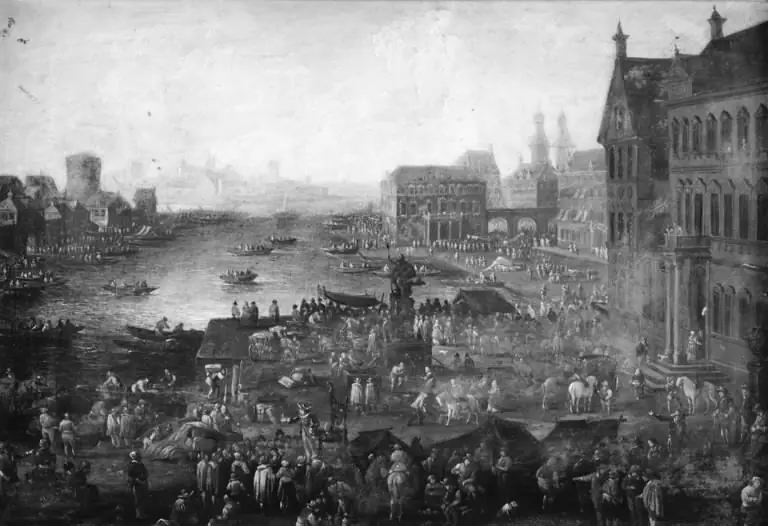 Square in Paris with Many Figures
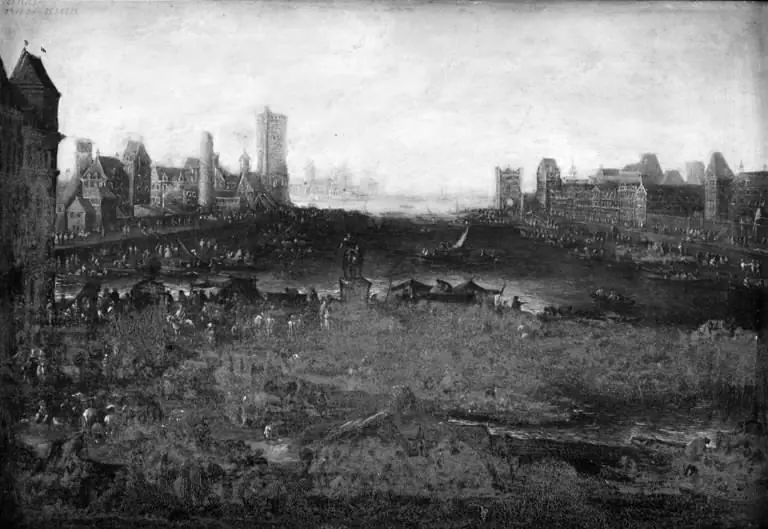 Square in Paris with Many Figures
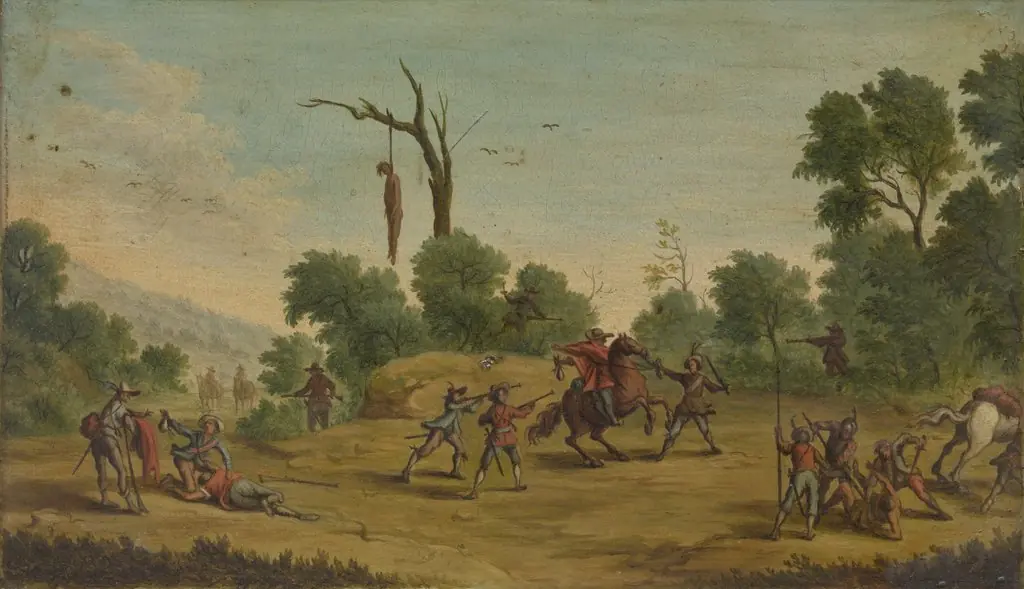 Horsemen Attacked by Robbers
 HOW WILL A COVERED PART BE CORRECTED?HOW WIKA A COVERED HEART DEED CORRECTED?
![Christ Walking on the Water [second plate], by Jacques Callot](https://artifactworldgallery.com/img/jacques-callot--christ-walking-on-the-water-second-plate--2069f3bfe4cb2126-w320.webp) Christ Walking on the Water [second plate]
Christ Walking on the Water [second plate]
 Frontispiece for "The Life of the Virgin"
 Frontispiece for "The Life of the Virgin"
 The Life of the Virgin
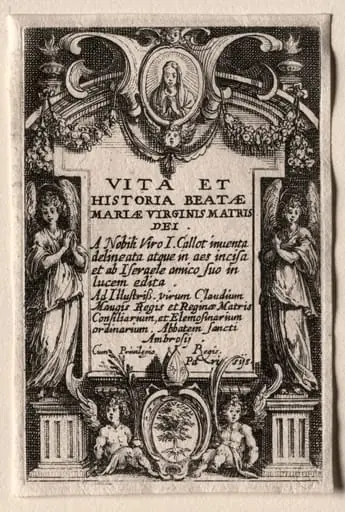 The Life of the Virgin: Frontispiece
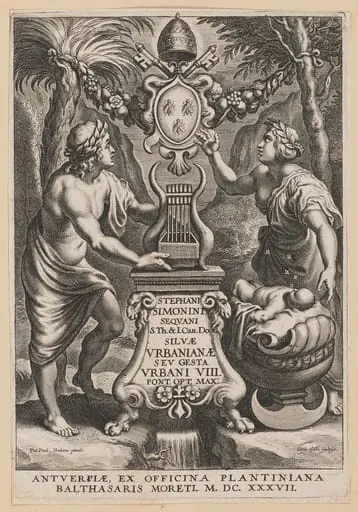 Title Page for Stephanus Simonini, Silvae Urbaninae
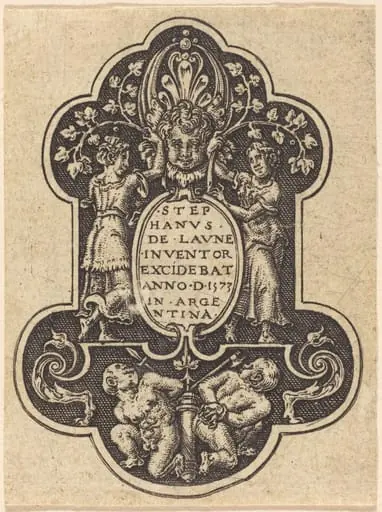 Title Page
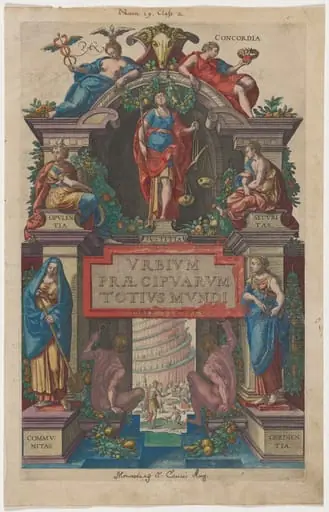 Title Page to Urbium Praecipuarum Totius Mundi
 Passion Set
 Grotesque with Strapwork in the Form of a Cartouche