Artwork
Passion Set
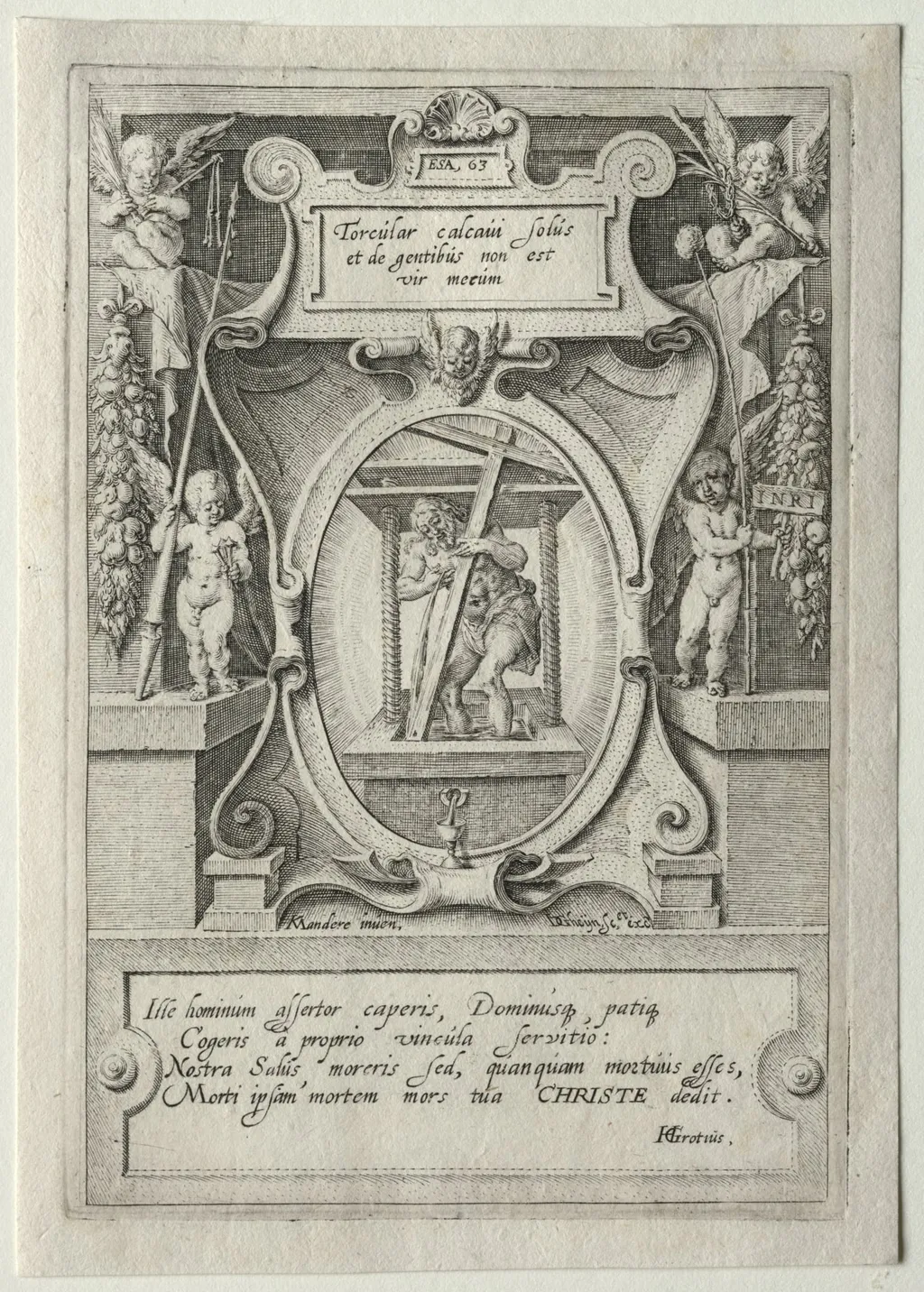
Passion Set is a print by Zacharias Dolendo. It dates from 1597 and is held in the collection of the Cleveland Museum of Art.
About this work
Overview
Trained under Jacob De Ghein II, he gained recognition for his meticulous line work and refined technique, distinguishing himself from his brother Bartholomeus.
Zacharias Dolendo, a Dutch engraver active in the late 16th century, produced the *Passion Set* in 1597. Trained under Jacob De Ghein II, he gained recognition for his meticulous line work and refined technique, distinguishing himself from his brother Bartholomeus. This print is one of several religious-themed engravings he created during a period when Northern European printmakers elevated the medium through technical precision and symbolic depth.
Subject & Meaning
The central scene depicts two figures bearing a cross, accompanied by a third standing nearby, evoking the Passion of Christ without literal realism. Surrounding the image, cherubs support an ornate frame inscribed with Latin text: 'Torcular calcai Solus et de gentibus non est vir mecum.' The phrase, drawn from biblical lament, amplifies the isolation of the suffering figure. The stylized forms and decorative border suggest contemplation over narrative clarity, aligning with devotional print traditions of the era.
Technique & Style
Dolendo employed fine, controlled engraving lines to render intricate details across the entire composition—from the curling scrolls of the frame to the delicate wings of the cherubs and minute foliage. His technique reflects the Northern Renaissance preference for micro-detail, where every element contributes to a unified, almost sculptural surface. The use of a framed composition within the print itself creates a layered visual effect, blurring the boundary between image and ornament.
History & Provenance
Created in 1597, the *Passion Set* emerged from a flourishing Dutch print culture centered in Haarlem and Amsterdam. Dolendo’s works were circulated among collectors and clergy, valued for their devotional utility and craftsmanship. His signature cipher, often found on his plates, helped authenticate his output. While the specific early ownership of this print is unrecorded, similar engravings by Dolendo appear in major European collections, indicating its circulation within learned and religious circles.
Context
In late 16th-century the Netherlands, printmaking served both religious and intellectual purposes amid the Protestant Reformation. While public imagery of Christ was restricted in some regions, engravings like Dolendo’s allowed private meditation on sacred themes. The fusion of biblical text, allegorical framing, and ornamental detail reflects a broader trend: prints as tools for personal piety, blending artistic sophistication with theological introspection.
Legacy
Dolendo’s engravings, including the *Passion Set*, exemplify the high point of Northern Renaissance printmaking before the rise of etching and broader stylistic shifts in the 17th century. His precision influenced later engravers and contributed to the canon of devotional imagery. Though less widely known today than contemporaries like Rembrandt, his work remains a testament to the quiet mastery of line and symbolism in early modern print culture.
Artist & collection
Artist
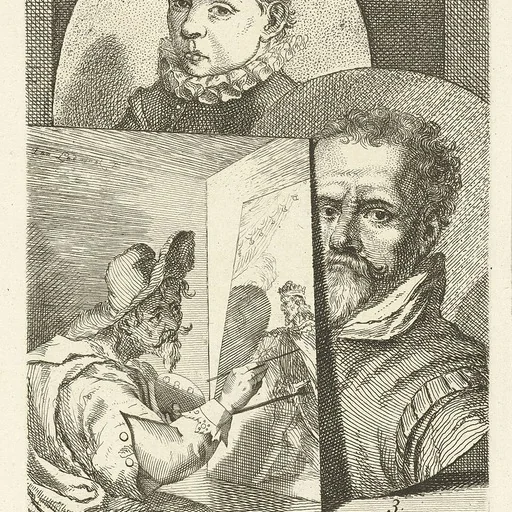
Zacharias Dolendo (1561–1601) was a Dutch engraver. He was the brother of Bartholomeus Dolendo, whom he surpassed both in style and in correctness. He was born at Leyden in 1561, and is said by Huber to have been a…

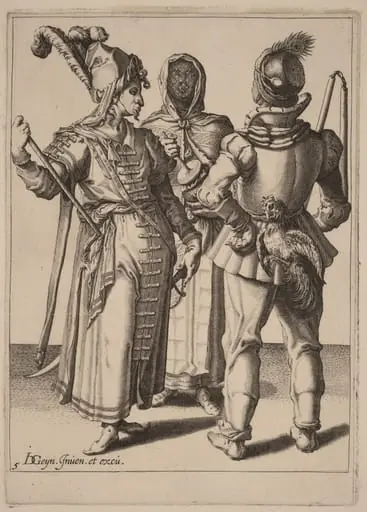 A Grandee, a Peasant, and a Veiled Woman
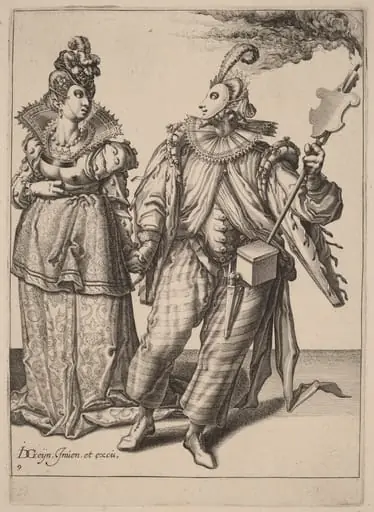 A Woman Led by a Player Holding a Torch
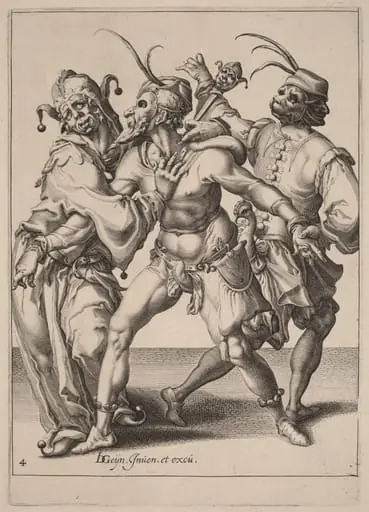 Three Dancing Mummers, Including a Jester
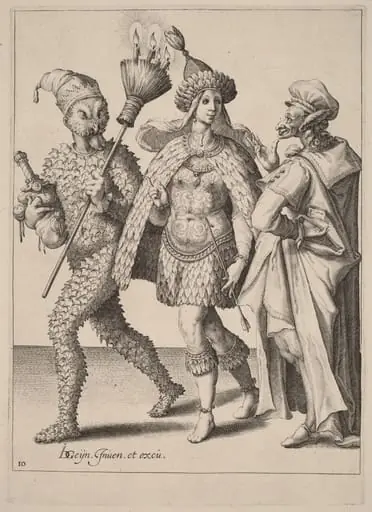 An Old Mummer Addressing a Couple Dressed in Feathers
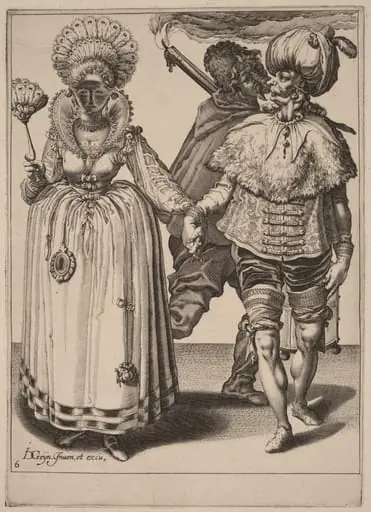 A Man with a Turban Leading a Woman Wearing Peacock Feathers
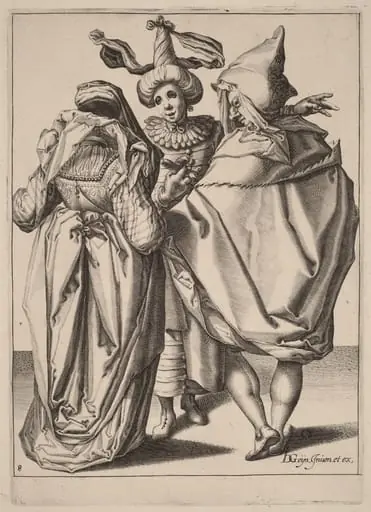 A Couple Addressing a Gesticulating Young Man
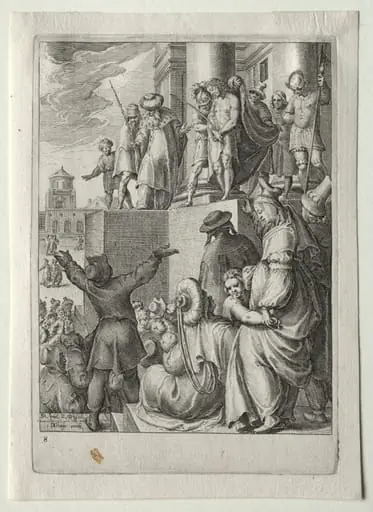 Passion Set: Ecce Homo
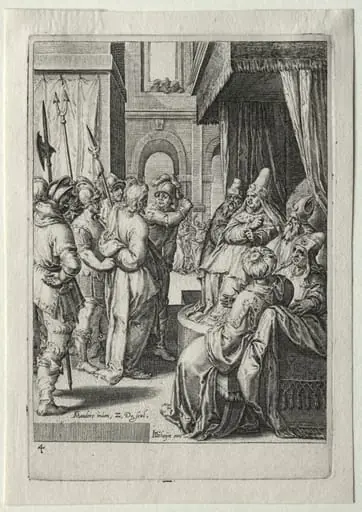 Passion Set: Christ before Herod
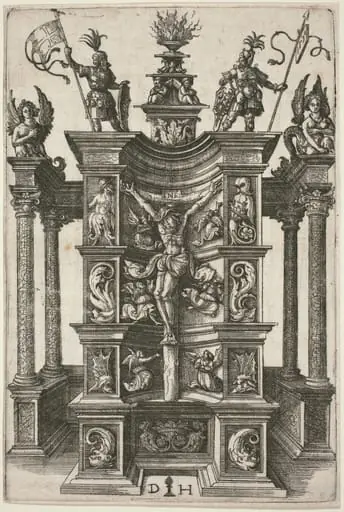 The Crucified Christ in a Decorated Niche
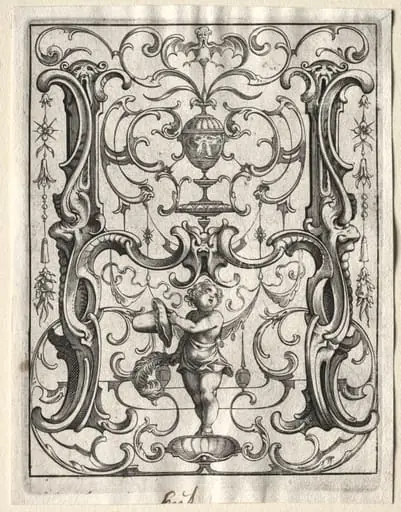 New ABC Booklet: H
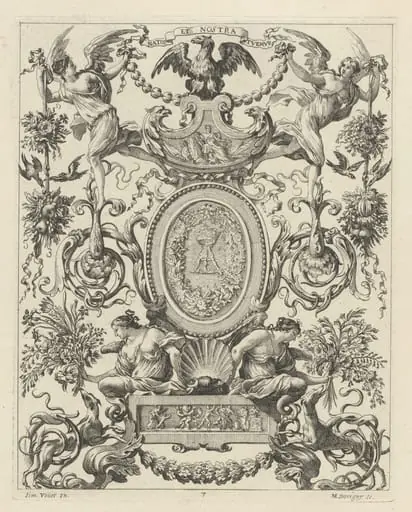 Ornamental Panel Surmounted by an Eagle and the Motto NATOS ET NOSTRA TUEMUR
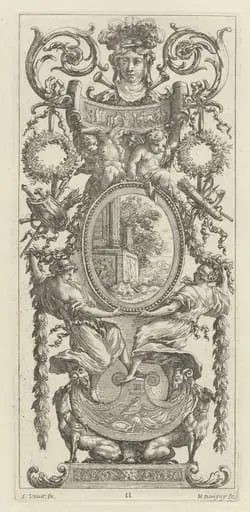 Ornamental Panel Surmounted with a Head Flanked by Foliage
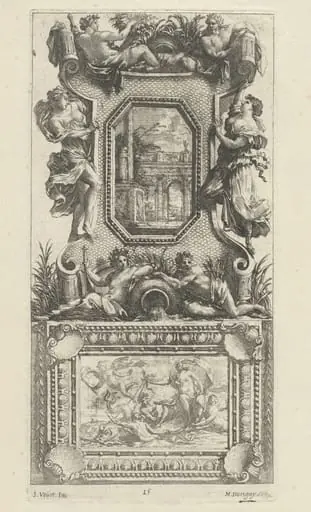 Ornamental Panel Surmounted by a Naiad and a River God
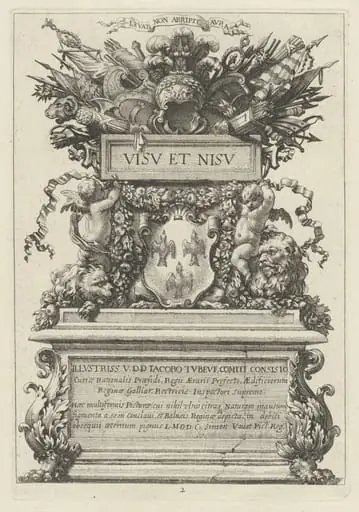 Frontispiece
 Ornamental Panel Surmounted by a Bust of a Woman and Two Putti with Flaming Trumpets
 Grotesque with Strapwork in the Form of a Cartouche