Artwork
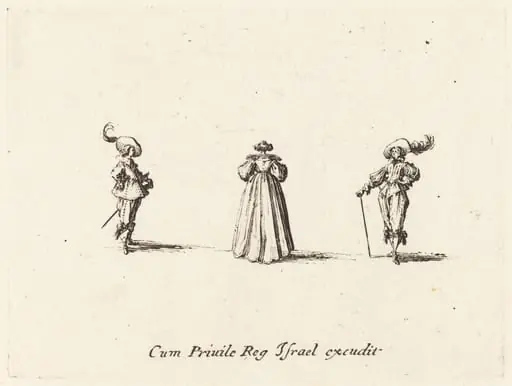
Lady with Outstretched Arm, Seen from Behind, and Two Gentlemen
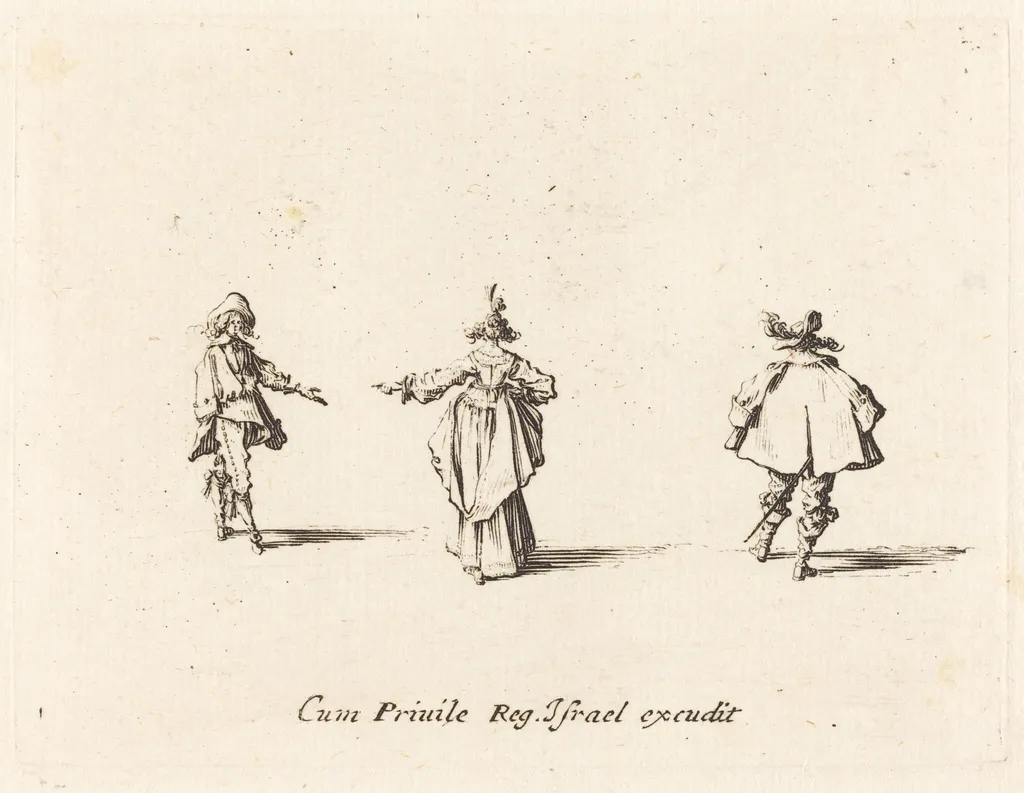
Lady with Outstretched Arm, Seen from Behind, and Two Gentlemen is an ink print by the Baroque artist Jacques Callot. It dates from 1634 and is held in the collection of the National Gallery of Art.
About this work
Overview
Created around 1634, this etching by Jacques Callot captures a moment of casual observation in early 17th-century Europe.
Created around 1634, this etching by Jacques Callot captures a moment of casual observation in early 17th-century Europe. Executed on laid paper, the work exemplifies Callot’s mastery of the etching technique, using fine, incised lines to render three figures in a compact, intimate composition. The medium’s capacity for detail and texture is evident in the rendering of fabric, posture, and spatial arrangement.
Subject & Meaning
The scene depicts a woman, viewed from behind, with arms extended, flanked by two men who gesture toward her. Their attire—wide-brimmed hats and padded jackets—suggests upper-class or courtly dress of the period. The woman’s pose, neither overtly theatrical nor narrative, invites interpretation as a study of social interaction, perhaps capturing a moment of curiosity or commentary among observers.
Technique & Style
Callot employed fine, controlled etching lines to build form and texture, with dense hatching defining folds in fabric and shadowed areas. The scratchy, energetic strokes convey immediacy, as if drawn from life. The paper’s slight yellowing and faint watermark reflect its age and the handmade qualities of 17th-century printmaking, enhancing the work’s tactile, archival presence.
History & Provenance
The print belongs to Callot’s broader body of work documenting everyday and ceremonial life in Lorraine and beyond. While its specific early ownership is undocumented, it aligns with his practice of producing small-scale, widely circulated prints that circulated among collectors and artists. Its survival in good condition suggests careful preservation since its creation.
Context
In the 1630s, Callot was active in Florence and Nancy, where he observed courtly rituals and urban scenes. This etching reflects a shift in printmaking toward intimate, observational subjects rather than grand narratives. It resonates with contemporary interest in human behavior and costume, paralleling developments in Dutch genre painting and French court portraiture.
Legacy
Callot’s precise line work and focus on ordinary moments influenced generations of printmakers, particularly in France and the Netherlands. This piece, though not widely reproduced, exemplifies his contribution to elevating etching as a medium for nuanced observation. Its quiet composition continues to be studied for its economy of form and psychological subtlety.
Artist & collection
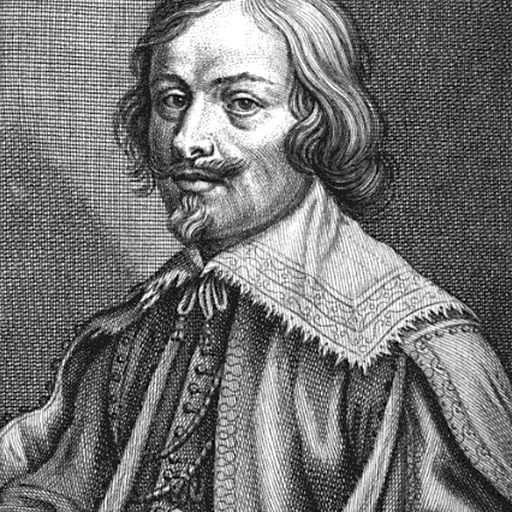
Artist
Jacques Callot was a baroque printmaker and draftsman from the Duchy of Lorraine.

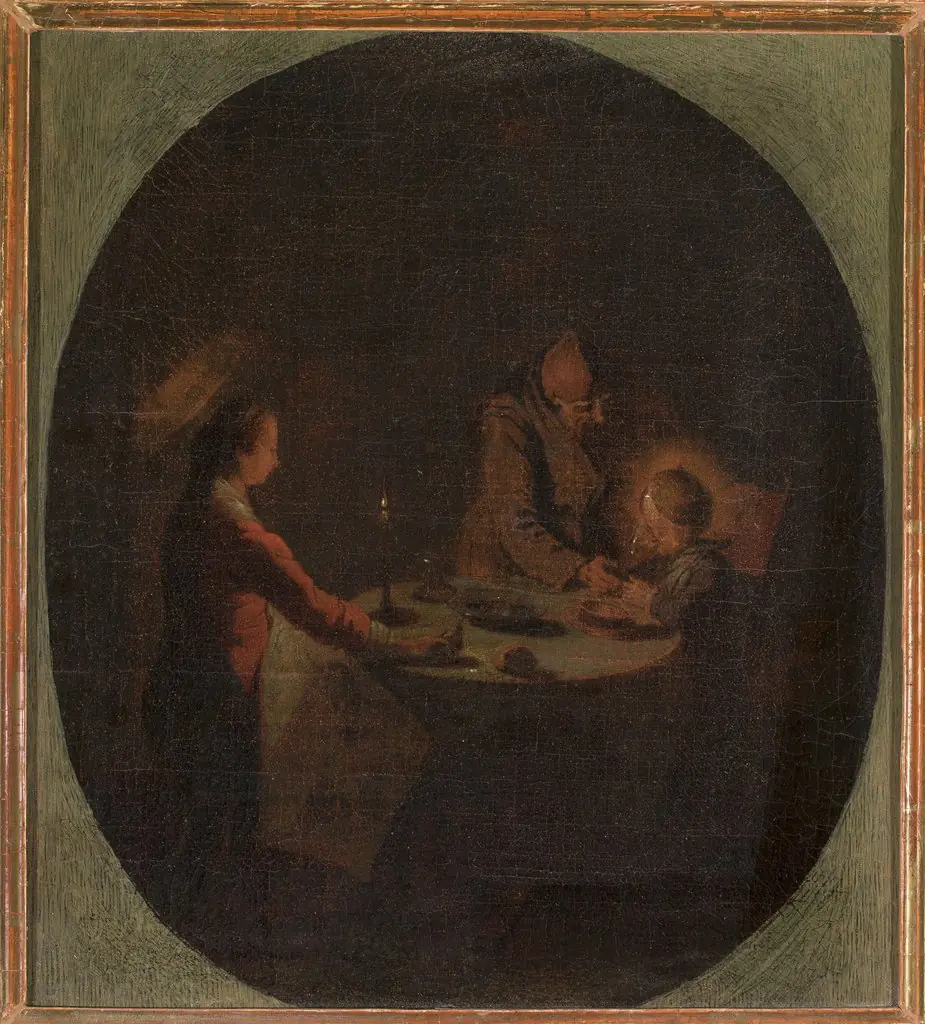 Holy Family at supper
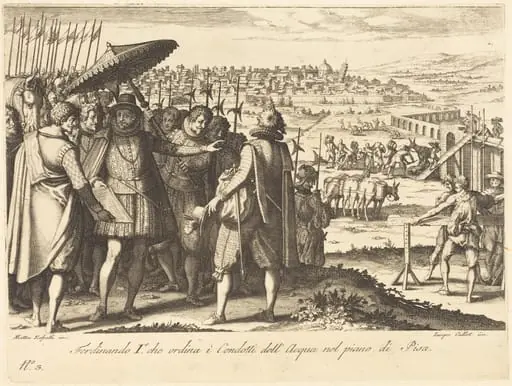 Restoration of the Aqueduct at Pisa
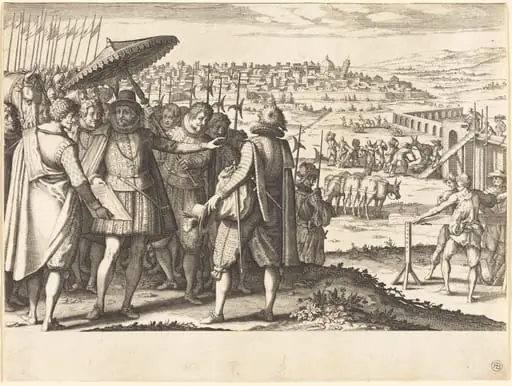 Restoration of the Aqueduct at Pisa
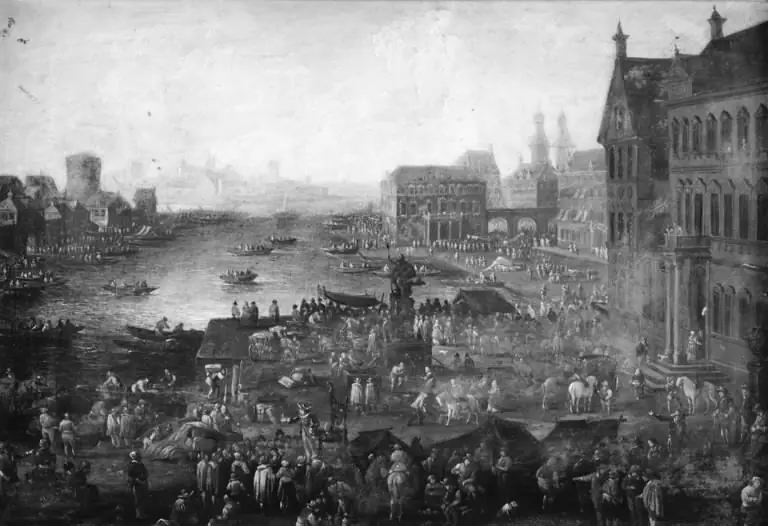 Square in Paris with Many Figures
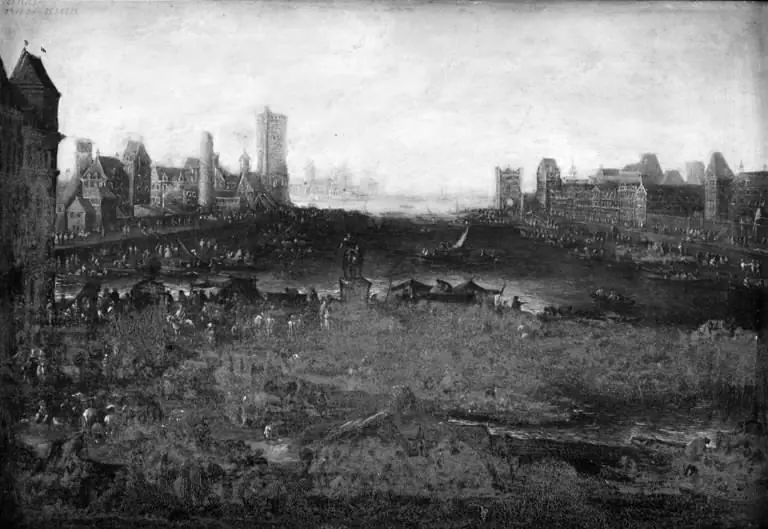 Square in Paris with Many Figures
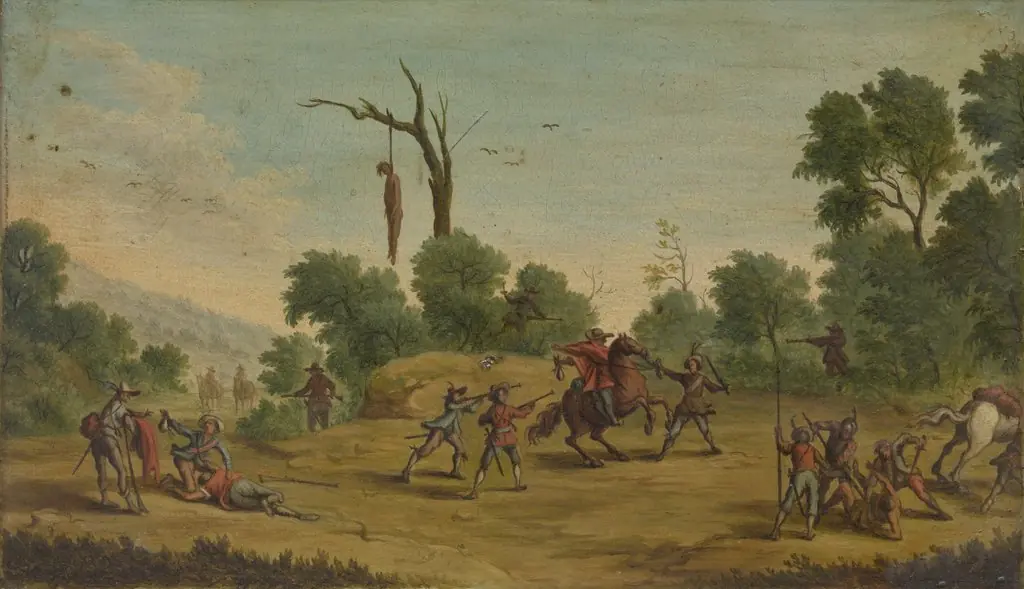 Horsemen Attacked by Robbers
 HOW WILL A COVERED PART BE CORRECTED?HOW WIKA A COVERED HEART DEED CORRECTED?
![Christ Walking on the Water [second plate], by Jacques Callot](https://artifactworldgallery.com/img/jacques-callot--christ-walking-on-the-water-second-plate--2069f3bfe4cb2126-w320.webp) Christ Walking on the Water [second plate]
Christ Walking on the Water [second plate]
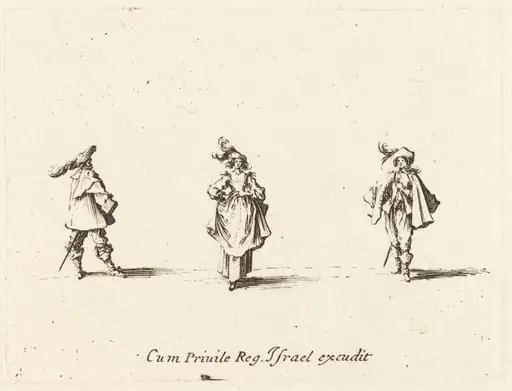 Lady with Plumes, and Two Gentlemen
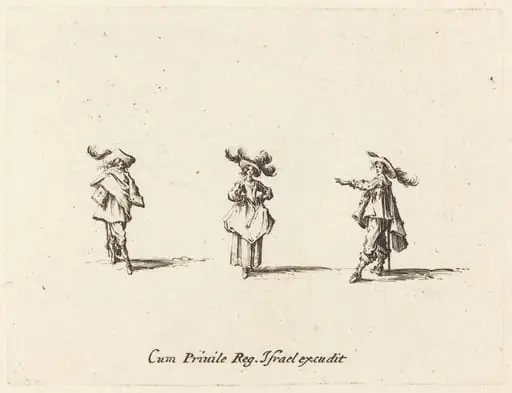 Lady with Large Plumes, and Two Gentlemen
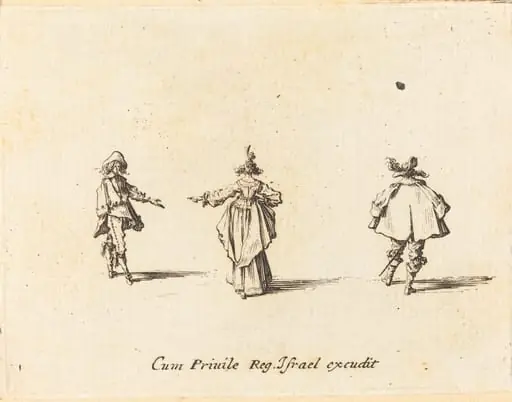 Lady with Outstretched Arm, Seen from Behind, and Two Gentlemen
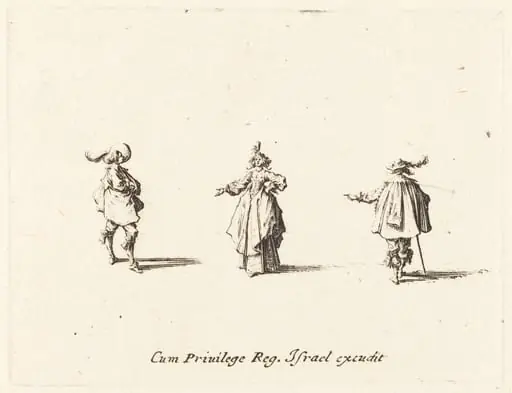 Lady with Outstretched Arm, and Two Gentlemen
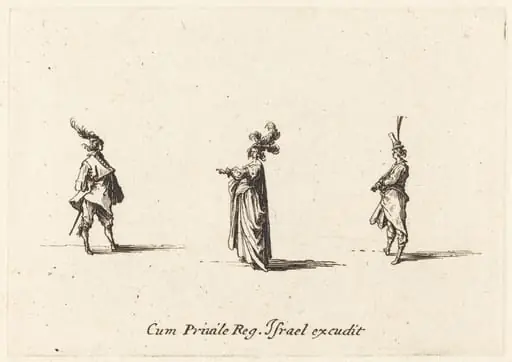 Lady with Plumed Hat, and Two Gentlemen
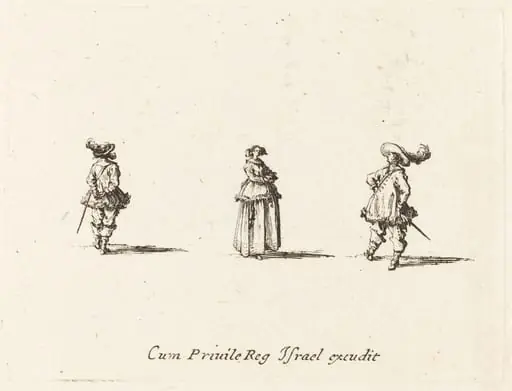 Lady with Arms Folded, and Two Gentlemen
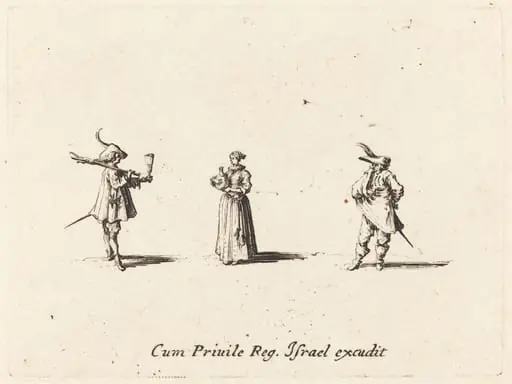 Lady with Wine Bottle, and Two Gentlemen
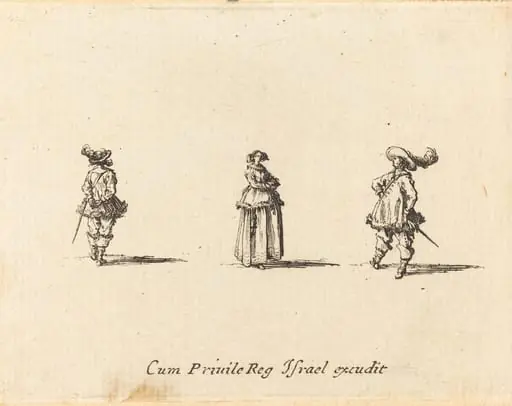 Lady with Arms Folded, and Two Gentlemen
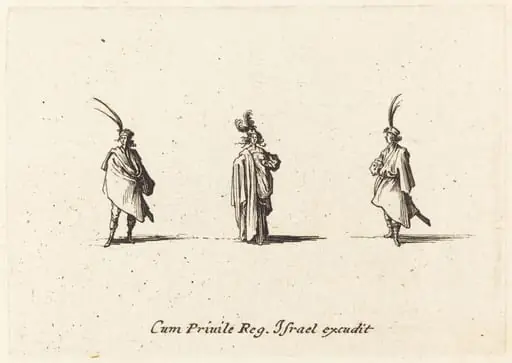 Lady in Long Cloak, and Two Gentlemen
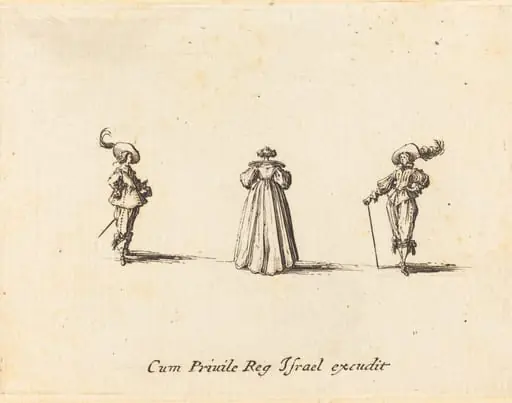 Lady Seen from Behind, and Two Gentlemen
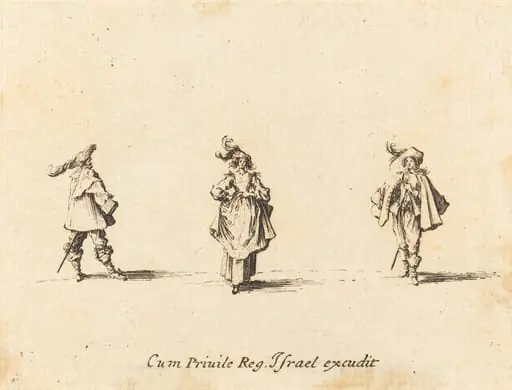 Lady with Plumes, and Two Gentlemen
 Lady Seen from Behind, and Two Gentlemen