Artwork
Lady with Plumes, and Two Gentlemen
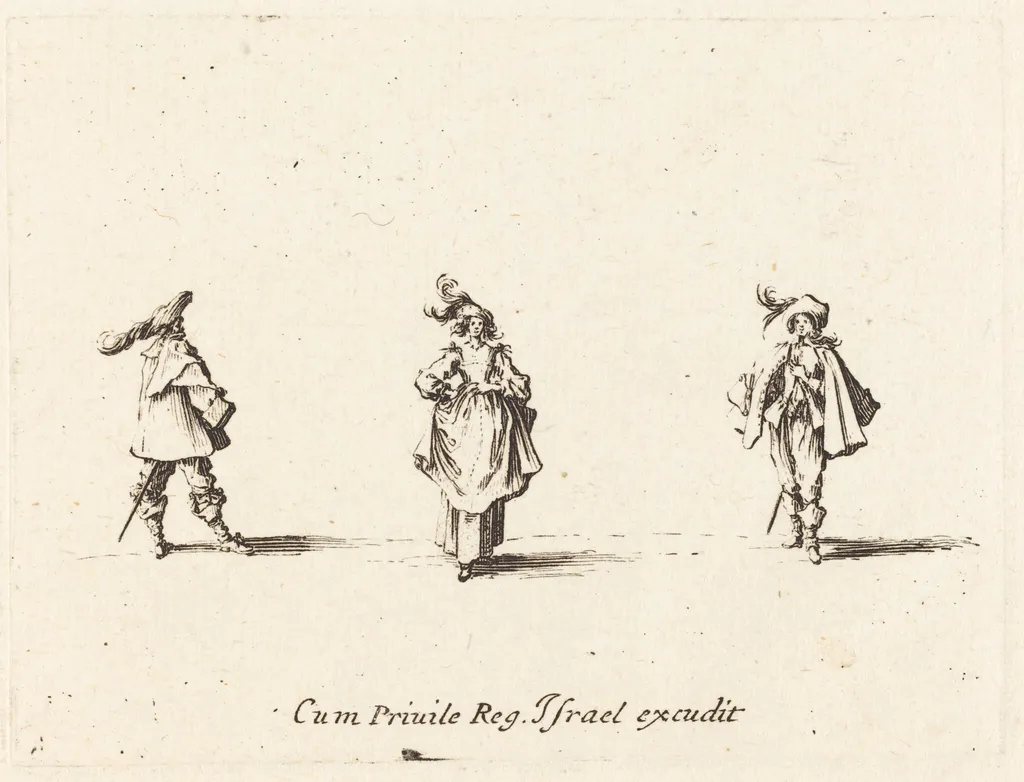
Lady with Plumes, and Two Gentlemen is an ink print by the Baroque artist Jacques Callot. It dates from 1634 and is held in the collection of the National Gallery of Art.
About this work
Overview
Unlike his more elaborate compositions, this piece omits architectural or landscape detail, focusing instead on posture and costume to suggest social presence.
Created around 1634, this etching by Jacques Callot captures three figures in casual motion across a bare ground. Executed in fine lines on laid paper, it belongs to a broader series of observational prints in which Callot recorded everyday figures from courtly and urban life. Unlike his more elaborate compositions, this piece omits architectural or landscape detail, focusing instead on posture and costume to suggest social presence.
Subject & Meaning
The trio depicts a man in a long coat and hat leading two elaborately dressed individuals, likely members of the aristocracy, identified by their large hats and powdered wigs. Their small handheld objects suggest personal adornments or accessories, hinting at ritualized behavior. The composition implies a procession or stroll, reflecting the performative nature of social display among the elite in early 17th-century France and Lorraine.
Technique & Style
Callot employed etching with a fine needle on a metal plate, allowing for rapid, fluid lines that convey movement and texture without shading or color. The loose, sketch-like quality suggests spontaneity, possibly drawn from life. The absence of background detail shifts focus to the figures’ silhouettes and attire, emphasizing gesture and costume over environment — a hallmark of his observational approach to printmaking.
History & Provenance
This work is part of Callot’s extensive output of over 1,400 etchings, many of which circulated widely across Europe. While its specific early ownership is unrecorded, it aligns with collections of his genre scenes held by institutions and private patrons in the 17th and 18th centuries. Its survival in good condition reflects the durability of etching on laid paper and continued interest in his depictions of contemporary life.
Context
In the 1630s, Callot worked in Florence and Nancy, observing the intersection of military, courtly, and civilian life. His prints often served as visual records of fashion, behavior, and social hierarchy. This etching fits within a tradition of Northern European printmaking that valued keen observation over idealization, offering insight into the visual culture of a period marked by political instability and evolving social norms.
Legacy
Callot’s ability to capture fleeting moments with precision influenced generations of printmakers, including Rembrandt and Goya. This modest etching exemplifies his contribution to the documentation of ordinary life through the medium of print. Its unembellished style and attention to costume helped establish the etching as a tool for social commentary rather than merely decorative art.
Artist & collection
Artist
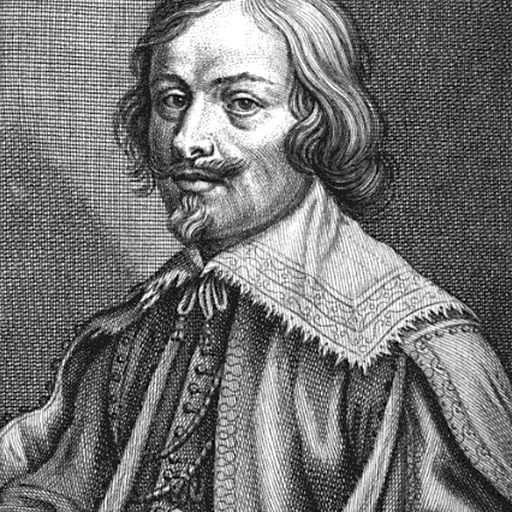
Jacques Callot was a baroque printmaker and draftsman from the Duchy of Lorraine.

 Holy Family at supper
 Restoration of the Aqueduct at Pisa
 Restoration of the Aqueduct at Pisa
 Square in Paris with Many Figures
 Square in Paris with Many Figures
 Horsemen Attacked by Robbers
 HOW WILL A COVERED PART BE CORRECTED?HOW WIKA A COVERED HEART DEED CORRECTED?
![Christ Walking on the Water [second plate], by Jacques Callot](https://artifactworldgallery.com/img/jacques-callot--christ-walking-on-the-water-second-plate--2069f3bfe4cb2126-w320.webp) Christ Walking on the Water [second plate]
Christ Walking on the Water [second plate]
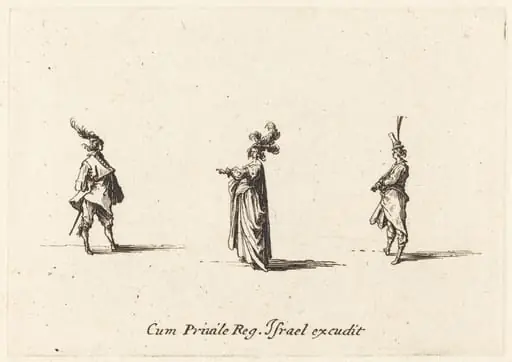 Lady with Plumed Hat, and Two Gentlemen
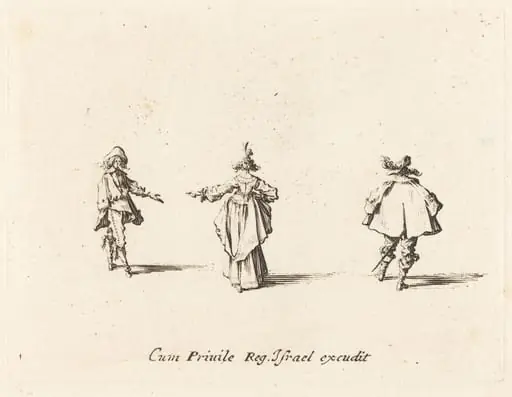 Lady with Outstretched Arm, Seen from Behind, and Two Gentlemen
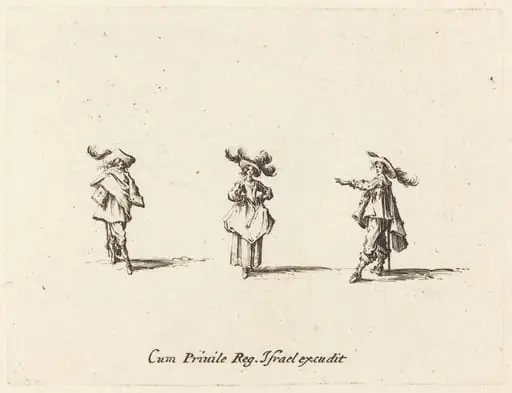 Lady with Large Plumes, and Two Gentlemen
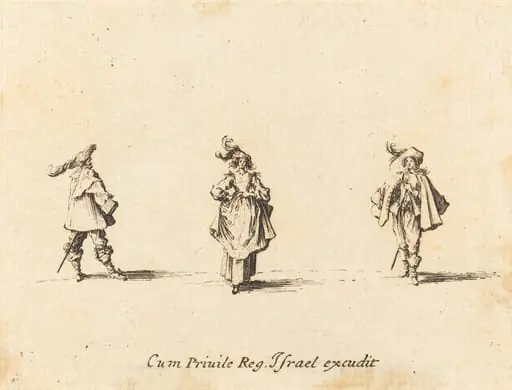 Lady with Plumes, and Two Gentlemen
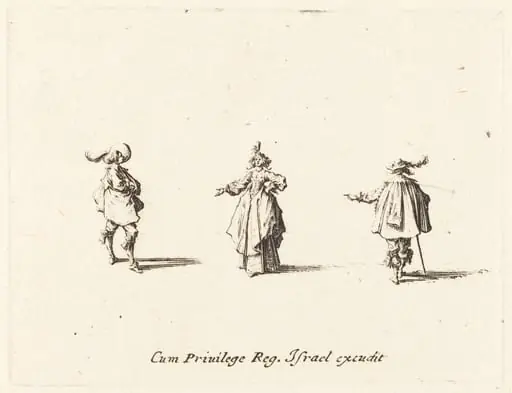 Lady with Outstretched Arm, and Two Gentlemen
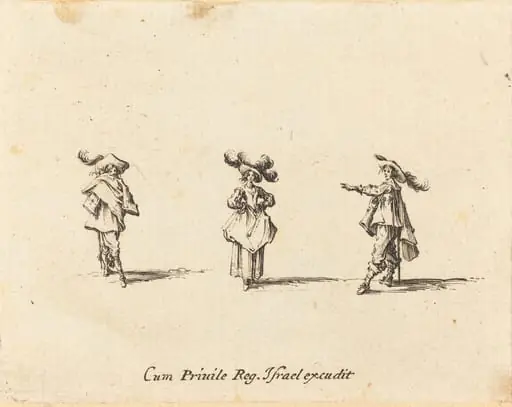 Lady with Large Plumes, and Two Gentlemen
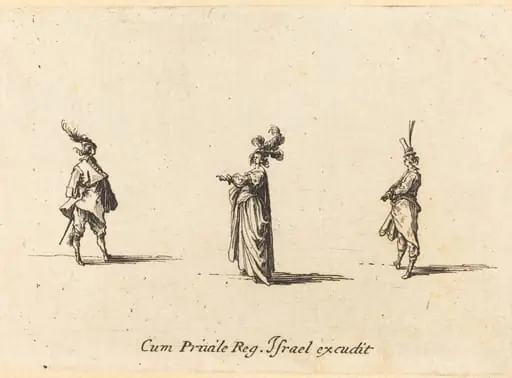 Lady with Plumed Hat, and Two Gentlemen
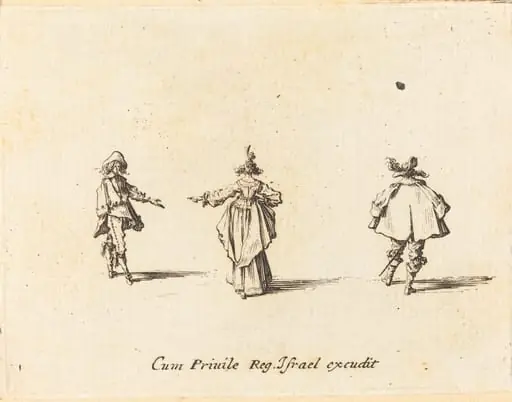 Lady with Outstretched Arm, Seen from Behind, and Two Gentlemen
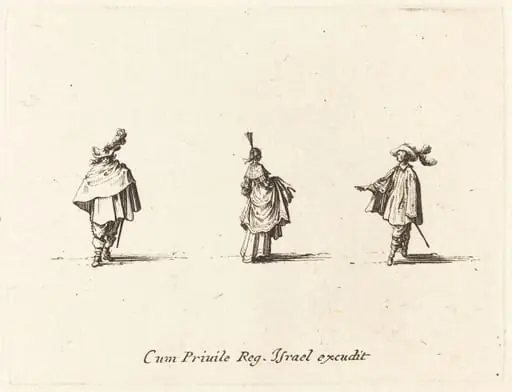 Lady with Dress Gathered Up, and Two Gentlemen
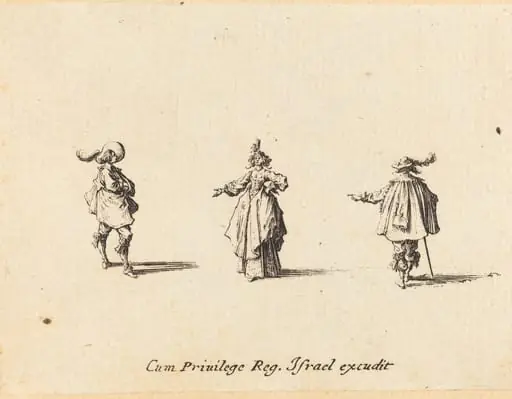 Lady with Outstretched Arm, and Two Gentlemen
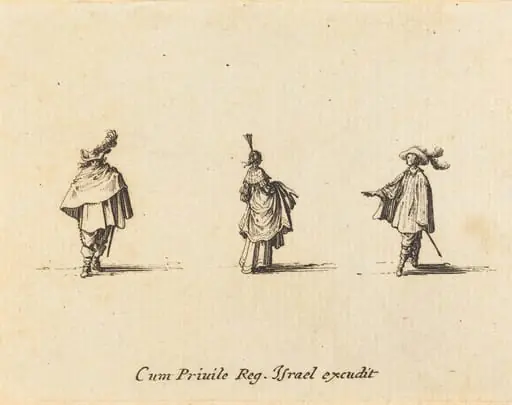 Lady with Dress Gathered Up, and Two Gentlemen
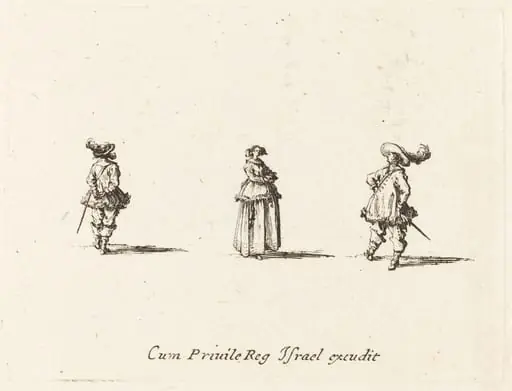 Lady with Arms Folded, and Two Gentlemen