Artwork
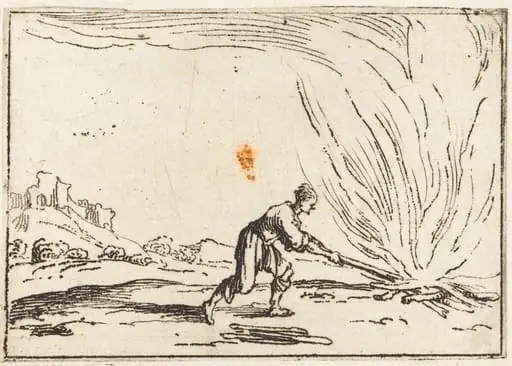
Man Attending a Fire
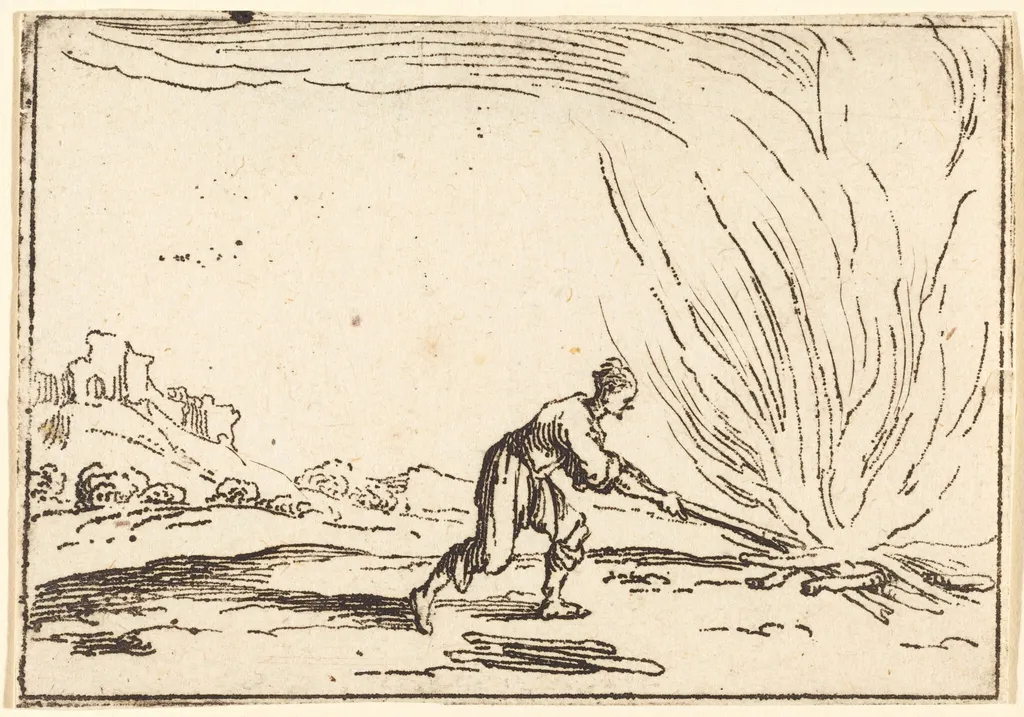
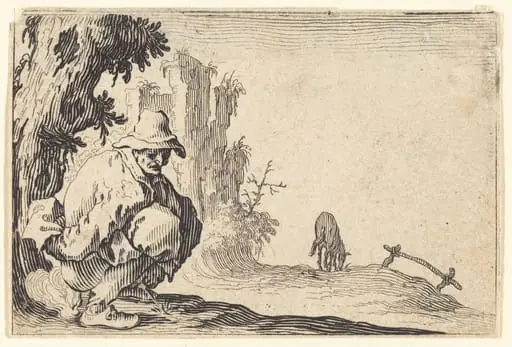
Man Attending a Fire is an ink print by the Renaissance artist Jacques Callot. It dates from 1628 and is held in the collection of the National Gallery of Art.
About this work
Overview
Jacques Callot produced this etching in 1628, part of a vast body of work that captured the textures of everyday life in early 17th-century Europe.
Jacques Callot produced this etching in 1628, part of a vast body of work that captured the textures of everyday life in early 17th-century Europe. Executed on laid paper, the print reflects his dedication to documenting ordinary figures and moments, often with a quiet narrative weight. Unlike grand historical scenes, this image focuses on a solitary individual engaged in a mundane act, revealing Callot’s interest in the unremarkable as a subject worthy of artistic attention.
Subject & Meaning
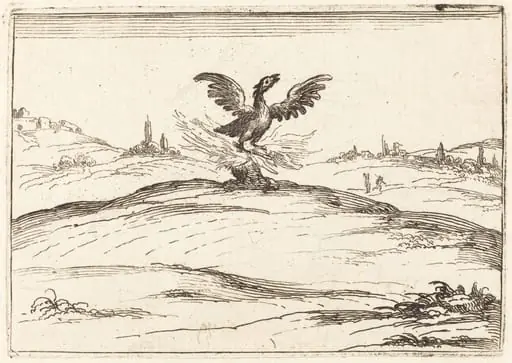
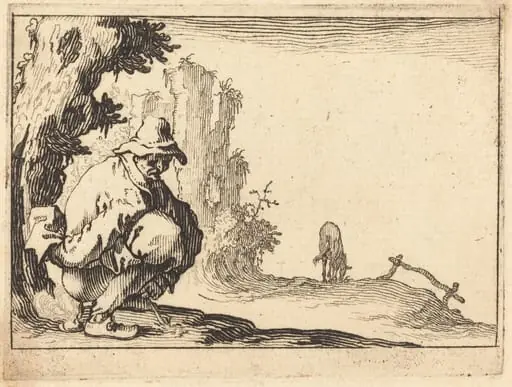
The figure, dressed in plain garments, leans over a small but disproportionately large fire, holding a stick or tool above the flames. The setting—a sparse landscape of rocky hills and scattered trees—suggests a rural or marginal environment. The fire’s scale may imply symbolic weight: warmth, survival, or labor. The image resists clear storytelling, instead inviting contemplation of solitude, necessity, or the quiet rituals of daily existence.
Technique & Style
Callot employed etching to achieve fine, incised lines that contrast sharply with the paper’s pale surface. His use of loose, rapid strokes for the background contrasts with the more defined contours of the figure, guiding the viewer’s focus. The technique allowed for nuanced tonal variation, enhancing the sense of atmosphere. The fire’s intensity is rendered through dense, overlapping lines, while the landscape recedes with minimal detail, emphasizing the figure’s isolation.
History & Provenance
Created during Callot’s mature period in Nancy, the etching belongs to a series of works documenting common people and social scenes. Though its early ownership is undocumented, it aligns with prints collected by European institutions and private patrons interested in genre subjects. Its survival reflects the growing appreciation for printmaking as a medium capable of conveying both realism and emotional nuance beyond mere reproduction.
Context
In the 1620s, Callot was part of a broader movement in Northern Europe that turned to everyday life as a legitimate subject for art. While religious and mythological themes dominated painting, printmakers like him used etching to record soldiers, peasants, and domestic moments. This work fits within a tradition of social observation, influenced by the upheavals of the Thirty Years’ War and the visibility of displaced populations in Lorraine.
Legacy
Callot’s etchings, including this one, helped elevate printmaking from a reproductive craft to a respected artistic medium. His precise line work and attention to human detail influenced later generations of printmakers, from Rembrandt to Goya. Though modest in scale, this image exemplifies his ability to convey psychological presence and environmental context with minimal means, leaving a lasting imprint on the evolution of graphic art.
Artist & collection
Artist
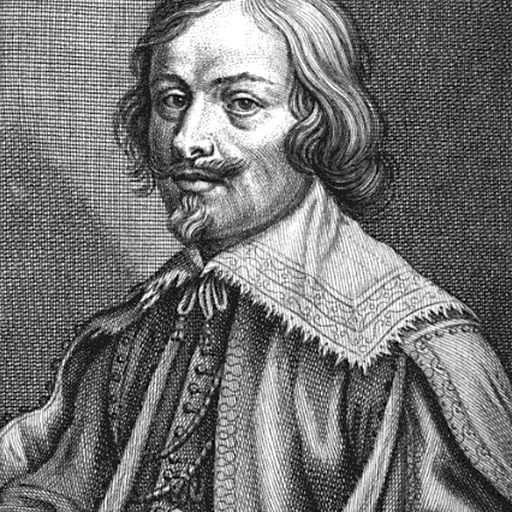
Jacques Callot was a baroque printmaker and draftsman from the Duchy of Lorraine.

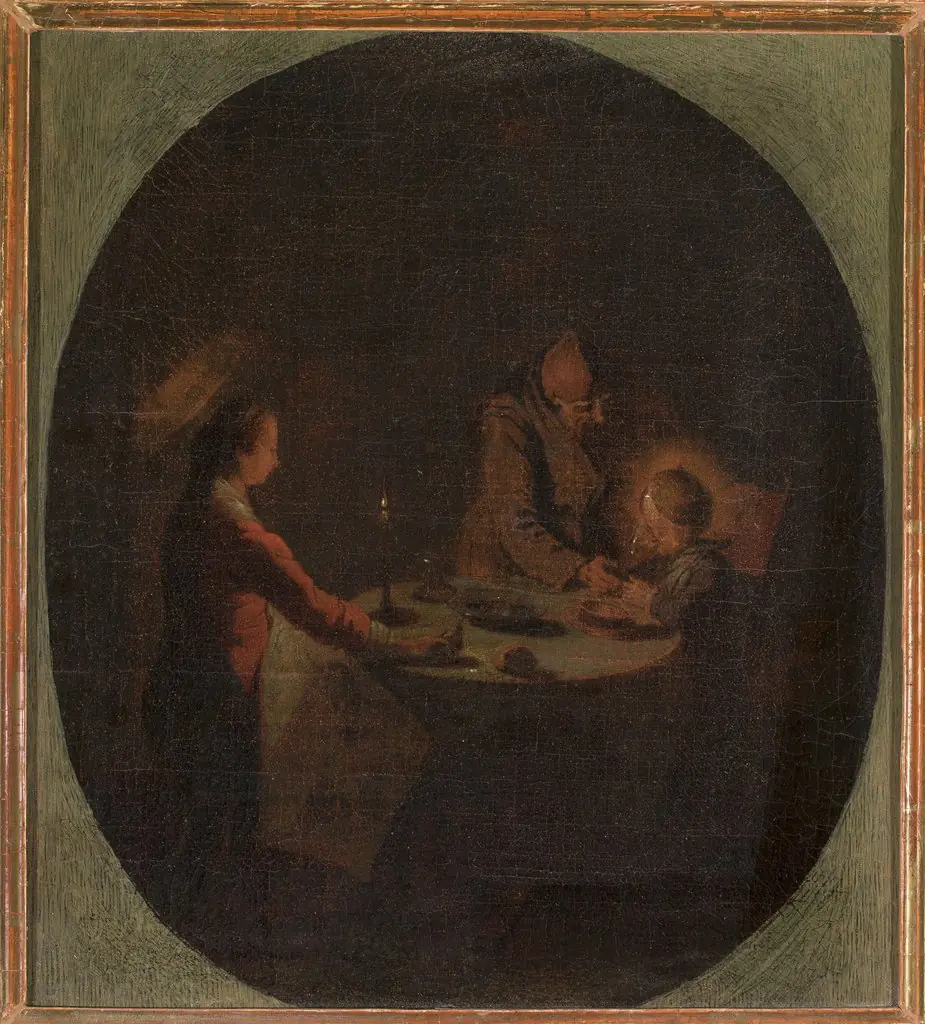 Holy Family at supper
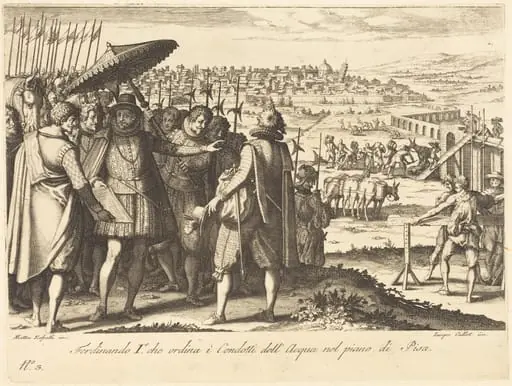 Restoration of the Aqueduct at Pisa
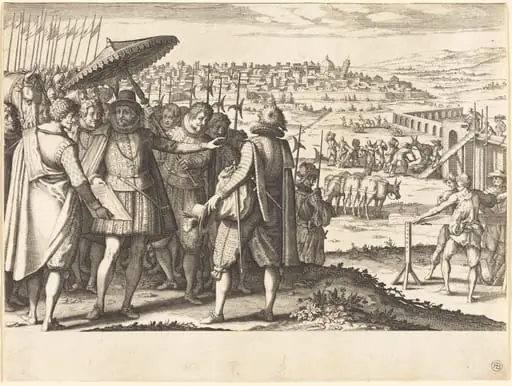 Restoration of the Aqueduct at Pisa
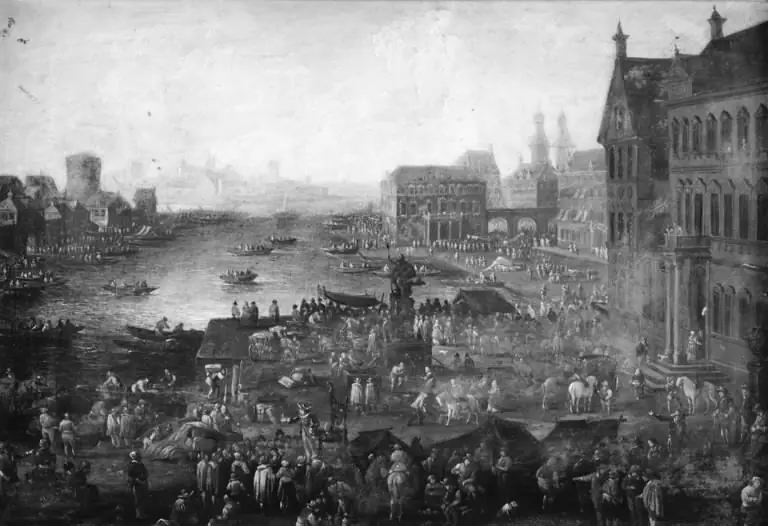 Square in Paris with Many Figures
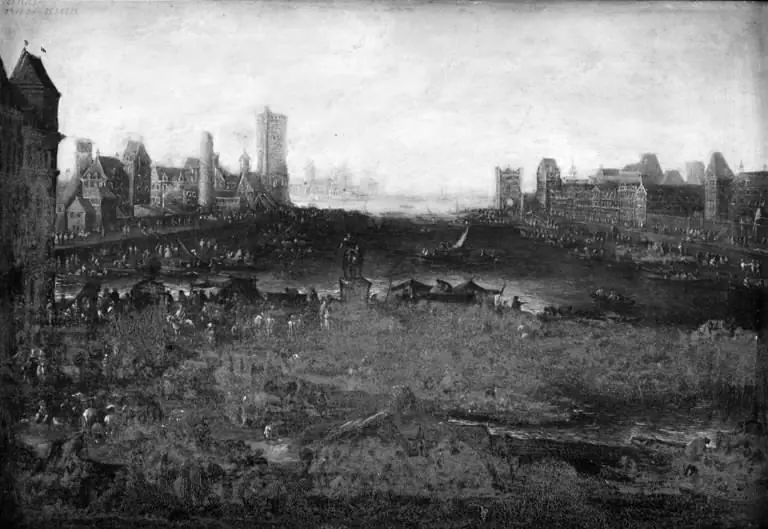 Square in Paris with Many Figures
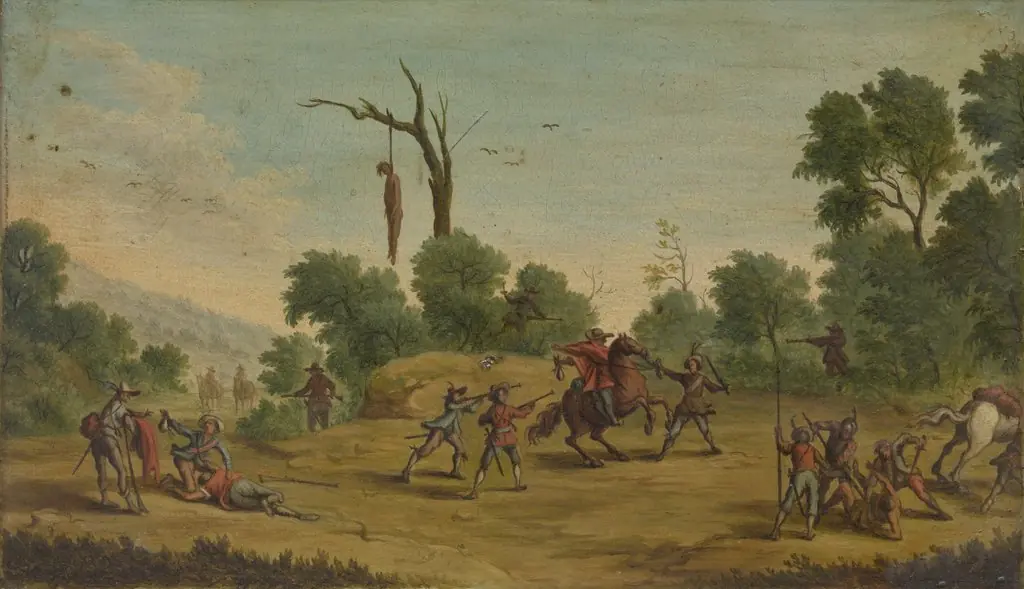 Horsemen Attacked by Robbers
 HOW WILL A COVERED PART BE CORRECTED?HOW WIKA A COVERED HEART DEED CORRECTED?
![Christ Walking on the Water [second plate], by Jacques Callot](https://artifactworldgallery.com/img/jacques-callot--christ-walking-on-the-water-second-plate--2069f3bfe4cb2126-w320.webp) Christ Walking on the Water [second plate]
Christ Walking on the Water [second plate]