Artwork
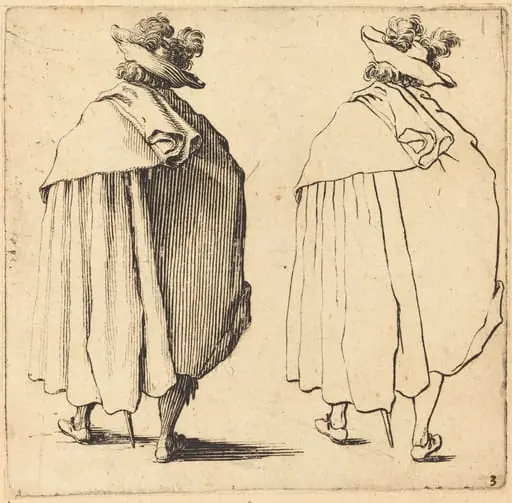
Man in Cloak, Seen from Behind
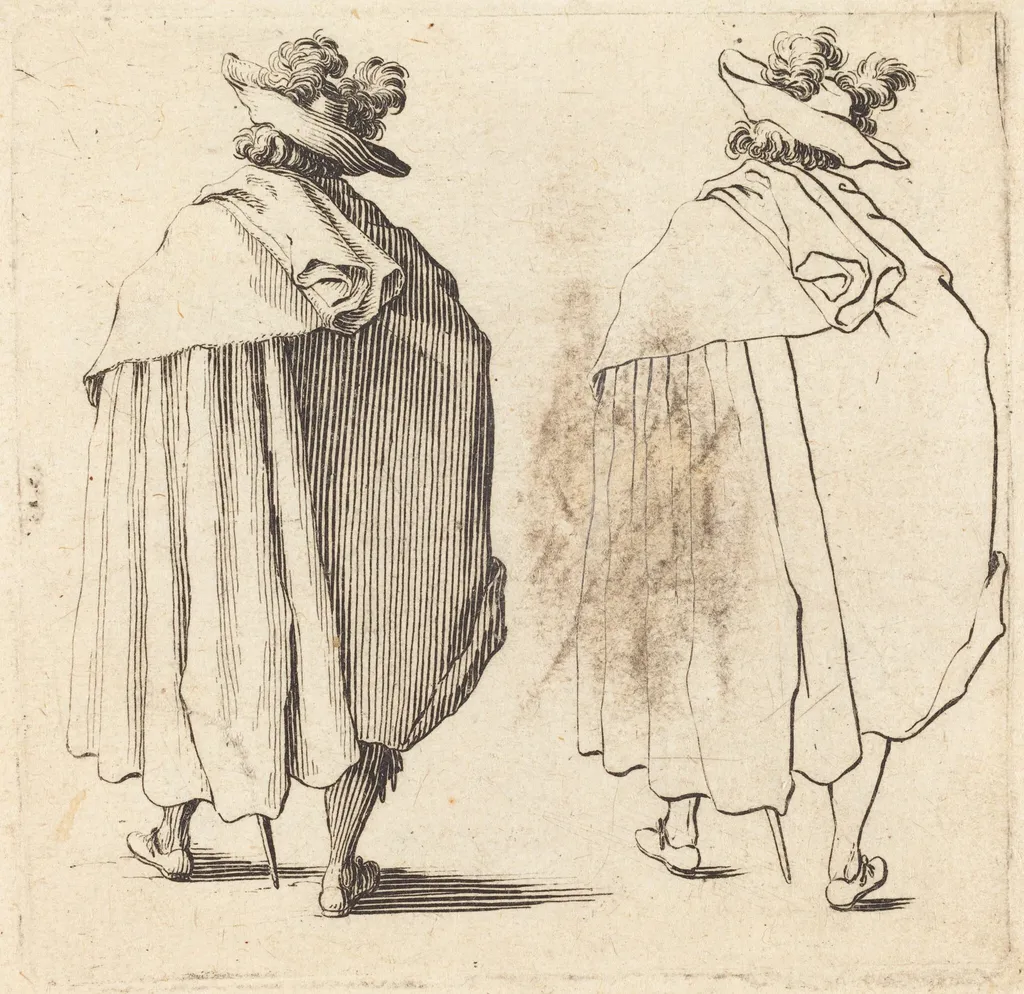
Man in Cloak, Seen from Behind is an ink print by the Baroque artist Jacques Callot. It dates from 1622 and is held in the collection of the National Gallery of Art.
About this work
Overview
Man in Cloak, Seen from Behind is an etching on laid paper created by French artist Jacques Callot in 1622. It is one of over 1,400 etchings produced by Callot, who was known for documenting contemporary life in the Duchy of Lorraine.
Subject & Meaning
The etching depicts two figures walking away, dressed in long robes and curly wigs. The simple yet sharp lines emphasize their clothing and posture, capturing a moment of everyday life.
Technique & Style
Callot used etching, a technique where ink fills carved lines, to create the image. This method, common in the 1600s, gives the print a drawn quality, with a focus on the shapes and forms of the figures and their surroundings.
Artist & collection
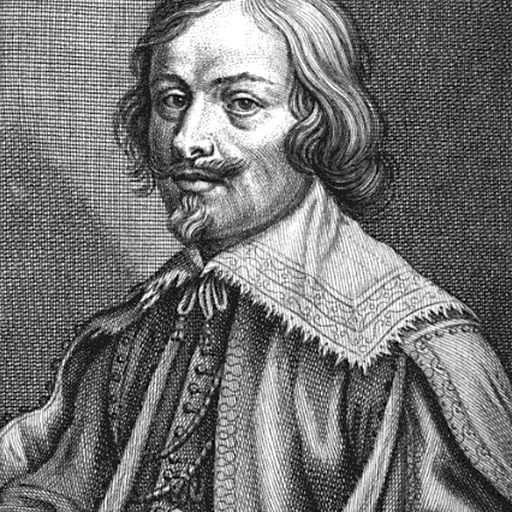
Artist
Jacques Callot was a baroque printmaker and draftsman from the Duchy of Lorraine.

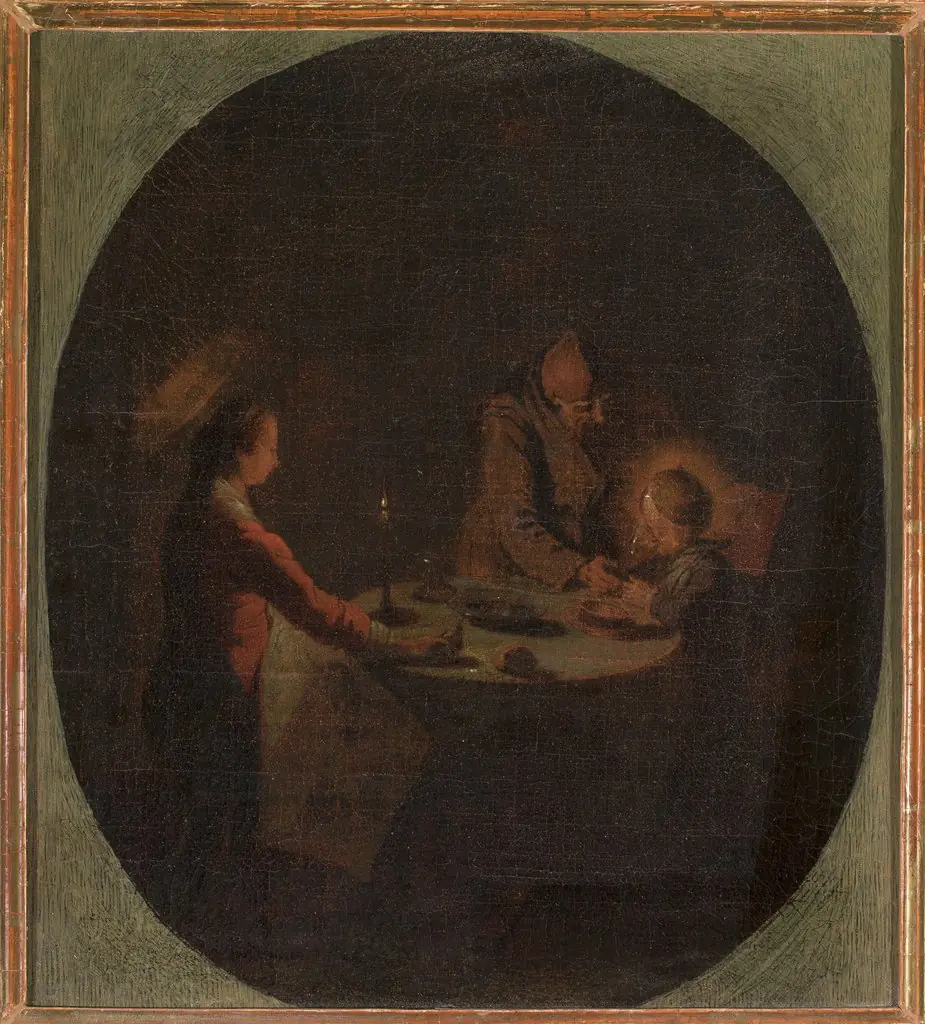 Holy Family at supper
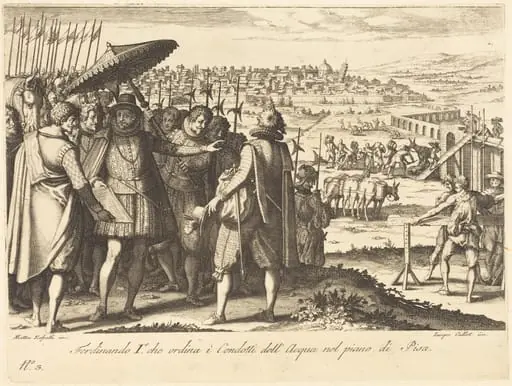 Restoration of the Aqueduct at Pisa
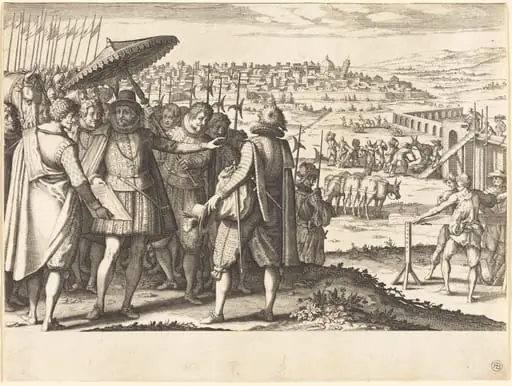 Restoration of the Aqueduct at Pisa
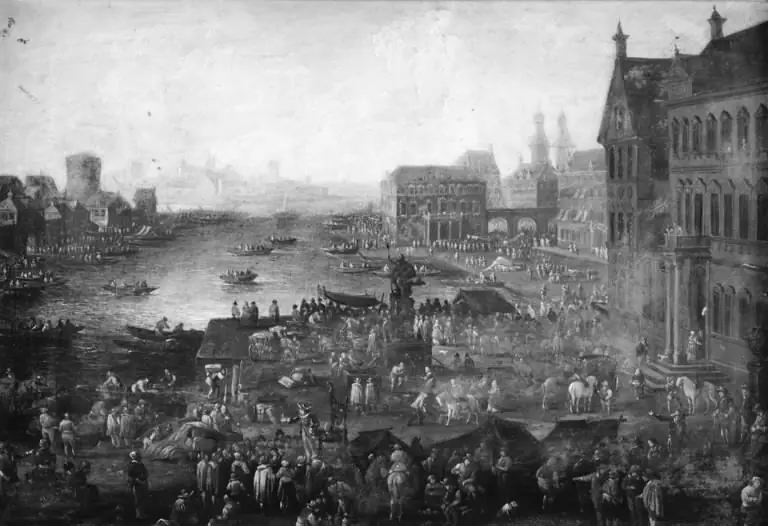 Square in Paris with Many Figures
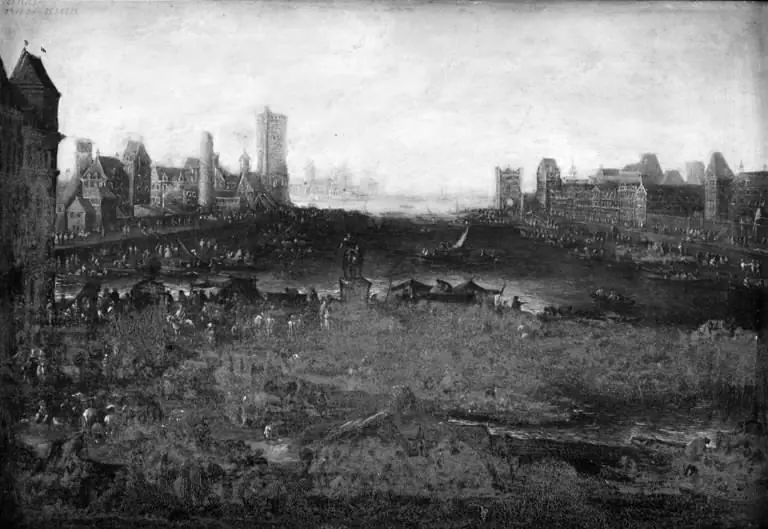 Square in Paris with Many Figures
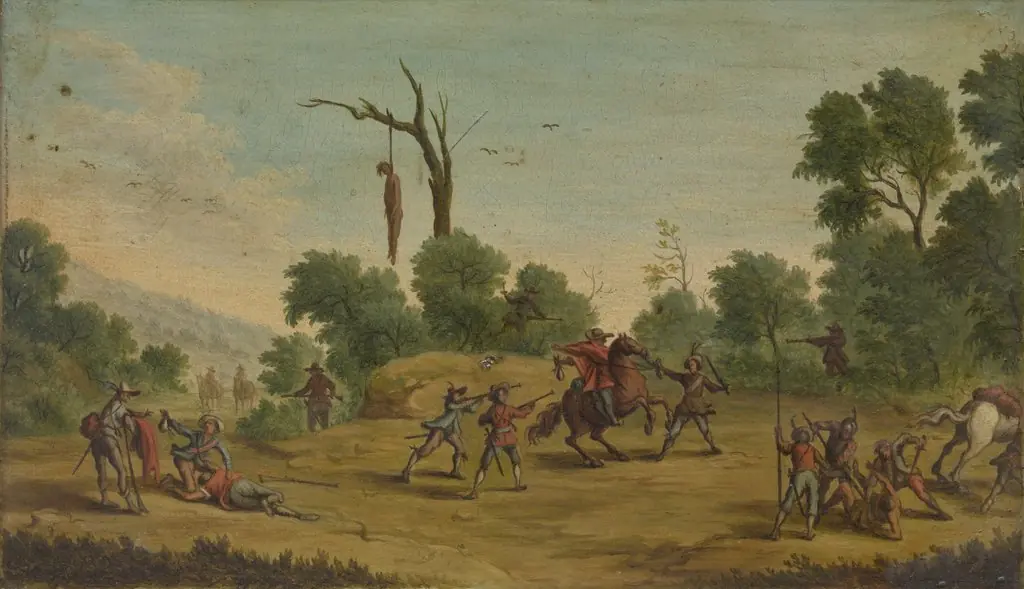 Horsemen Attacked by Robbers
 HOW WILL A COVERED PART BE CORRECTED?HOW WIKA A COVERED HEART DEED CORRECTED?
![Christ Walking on the Water [second plate], by Jacques Callot](https://artifactworldgallery.com/img/jacques-callot--christ-walking-on-the-water-second-plate--2069f3bfe4cb2126-w320.webp) Christ Walking on the Water [second plate]
Christ Walking on the Water [second plate]
 Man in Cloak, Seen from Behind
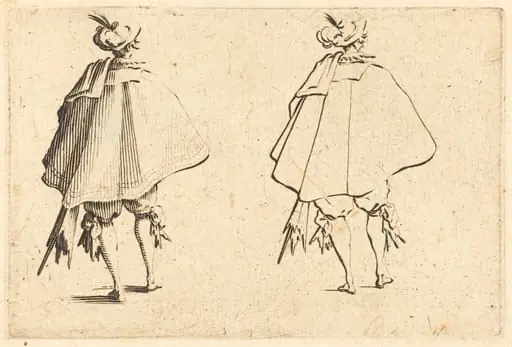 Gentleman in Large Mantle, Seen from Behind
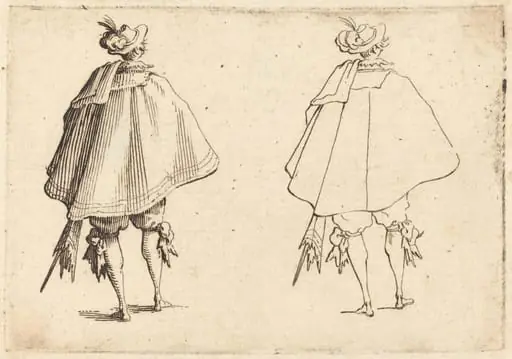 Gentleman in Large Mantle, Seen from Behind
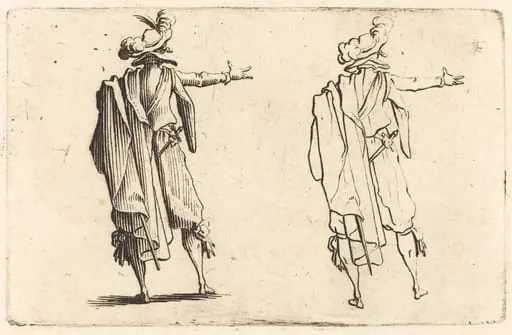 Man seen from Behind with His Right Arm Extended
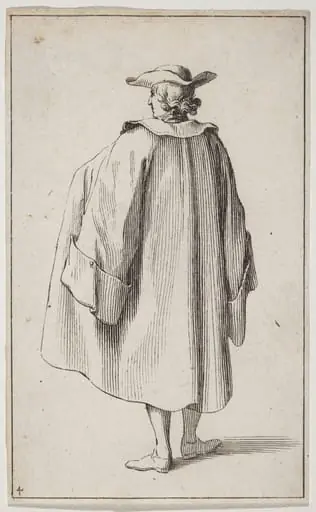 Standing Man Viewed from Behind
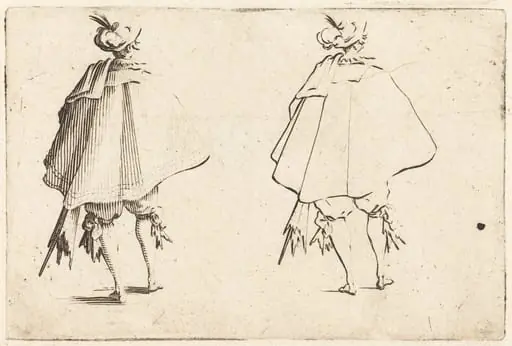 Gentleman in Large Mantle, Seen from Behind
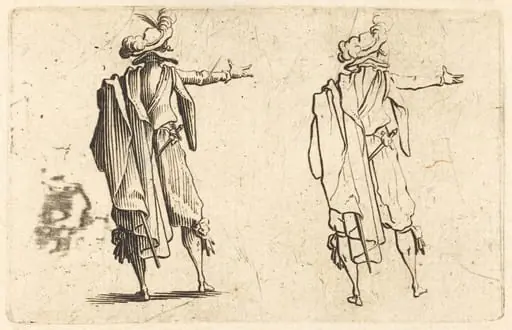 Man seen from Behind with His Right Arm Extended
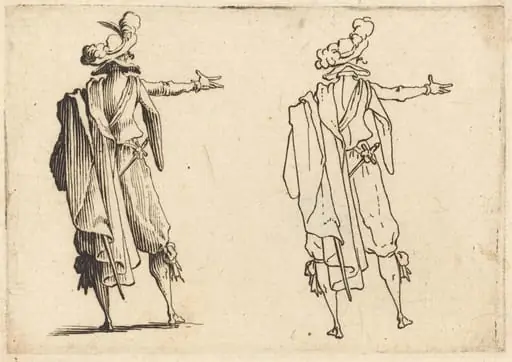 Man seen from Behind with His Right Arm Extended
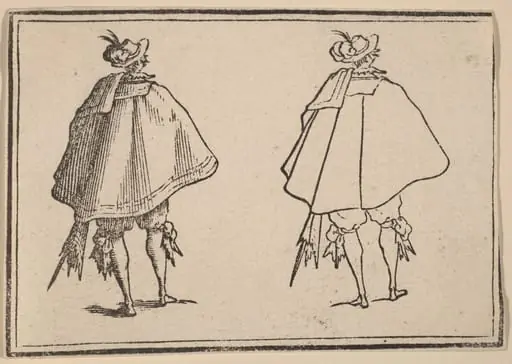 Gentleman in Large Mantle, Seen from Behind