Artwork
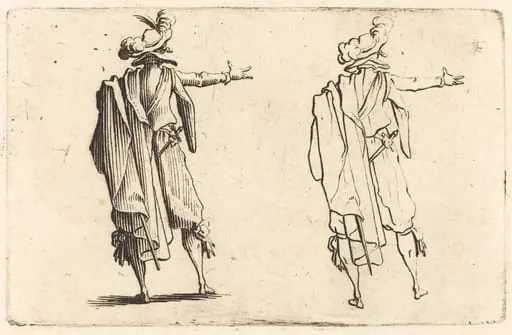
Man Moving Abruptly
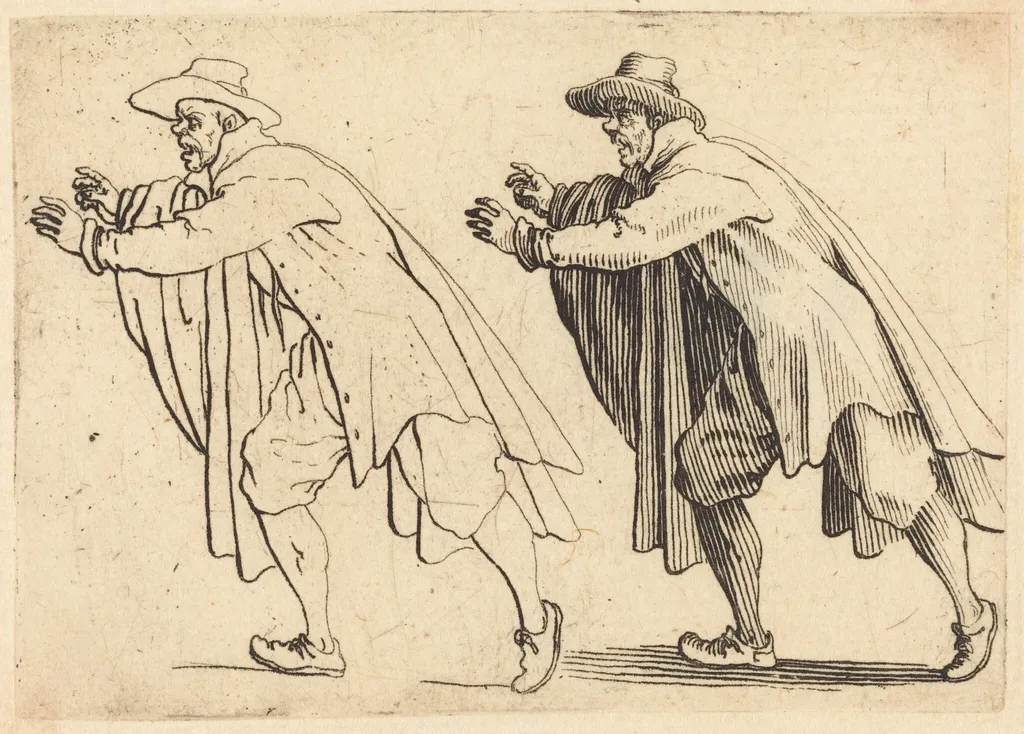
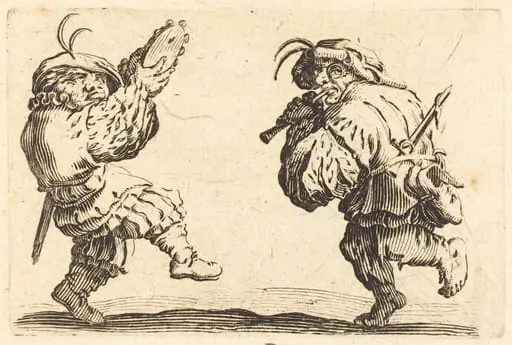
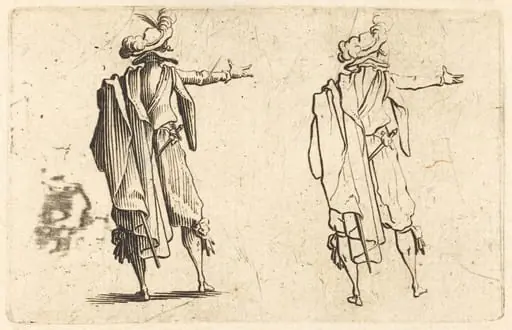
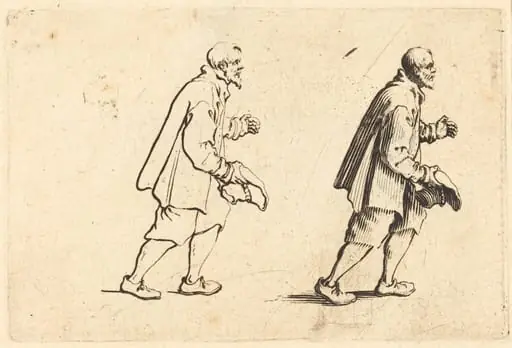
Man Moving Abruptly is an ink print by the Baroque artist Jacques Callot. It dates from 1617 and is held in the collection of the National Gallery of Art.
About this work
Overview
Jacques Callot, a printmaker from the Duchy of Lorraine, created *Man Moving Abruptly* circa 1617 as an etching on laid paper.
Jacques Callot, a printmaker from the Duchy of Lorraine, created *Man Moving Abruptly* circa 1617 as an etching on laid paper. Part of a vast output of over 1,400 prints, this work exemplifies his interest in capturing fleeting human gestures. Unlike grand historical scenes, Callot focused on ordinary individuals in moments of unguarded motion, using the etching medium to record the physicality of everyday life with precision and immediacy.
Subject & Meaning
The print depicts two men in motion, their bodies twisted in abrupt, almost theatrical poses. One appears startled, arms flung wide; the other leans forward, his cloak billowing as if caught in a sudden gust. Their attire—simple coats, wide hats—suggests commoners or travelers. The scene lacks narrative context, instead emphasizing physical tension and spontaneous movement, reflecting Callot’s fascination with the body in flux and the unscripted rhythms of social interaction.
Technique & Style
Callot employed etching to achieve fine, fluid lines that convey rapid motion. The figures are rendered with quick, incised strokes that suggest rather than define form, emphasizing gesture over detail. Clothing folds and fabric textures are hinted at with delicate cross-hatching, while the background remains sparse, focusing attention on the figures’ dynamic postures. His mastery of the needle allowed him to translate the energy of sketching directly onto the metal plate.
History & Provenance
Created during Callot’s early career in Florence, this print emerged from a period when he was refining his technique and expanding his thematic range. It was likely made as a standalone study rather than part of a larger series. Though its early ownership is undocumented, it entered institutional collections in the 19th century, valued for its technical finesse and insight into early 17th-century visual culture.
Context
In early 17th-century Europe, printmaking became a vital medium for observing social life beyond aristocratic circles. Callot’s work aligned with a growing interest in the human figure in motion, influenced by contemporary theater, dance, and the study of anatomy. His etchings offered a counterpoint to idealized Renaissance forms, presenting real people in unposed, transient moments that resonated with emerging empirical attitudes toward observation.
Legacy
Callot’s focus on dynamic, unidealized figures influenced later generations of printmakers and draftsmen, particularly in France and the Netherlands. His ability to capture motion with minimal lines became a model for artists seeking to convey psychological and physical immediacy. *Man Moving Abruptly* stands as a quiet but significant example of how etching could elevate the everyday into a subject worthy of sustained artistic attention.
Artist & collection
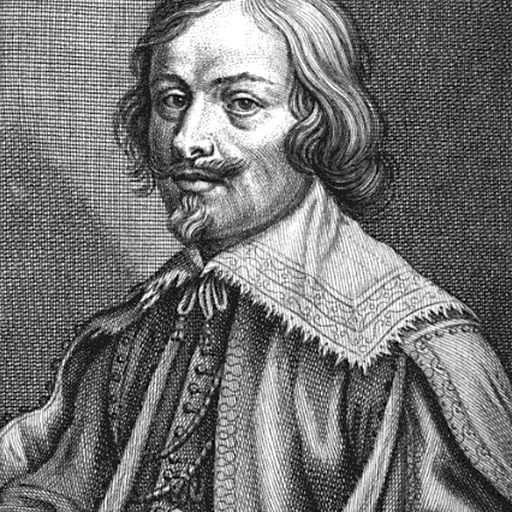
Artist
Jacques Callot was a baroque printmaker and draftsman from the Duchy of Lorraine.

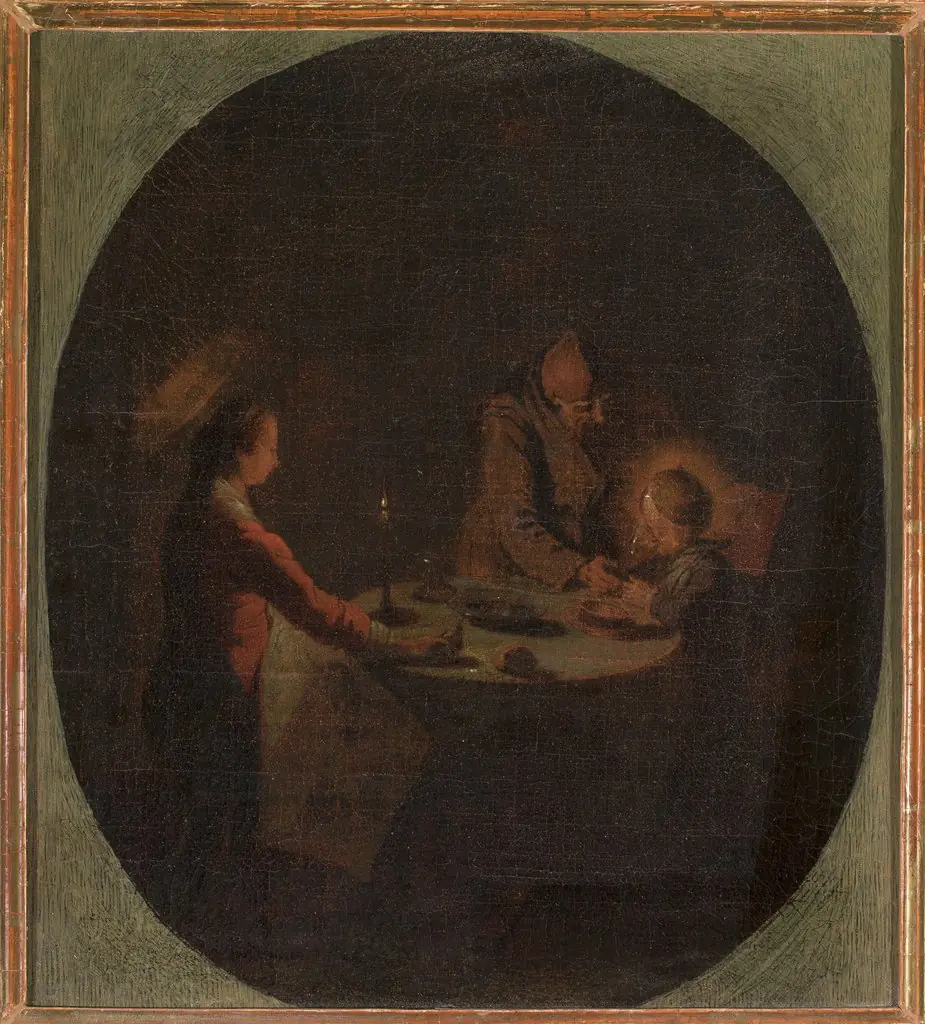 Holy Family at supper
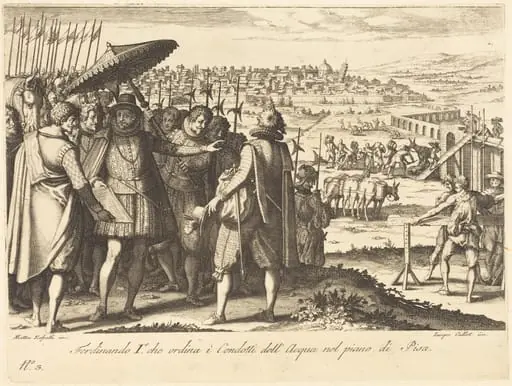 Restoration of the Aqueduct at Pisa
 Restoration of the Aqueduct at Pisa
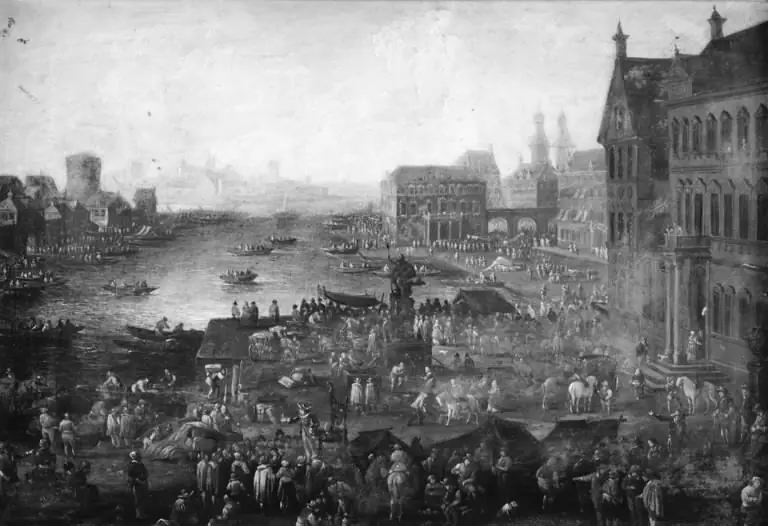 Square in Paris with Many Figures
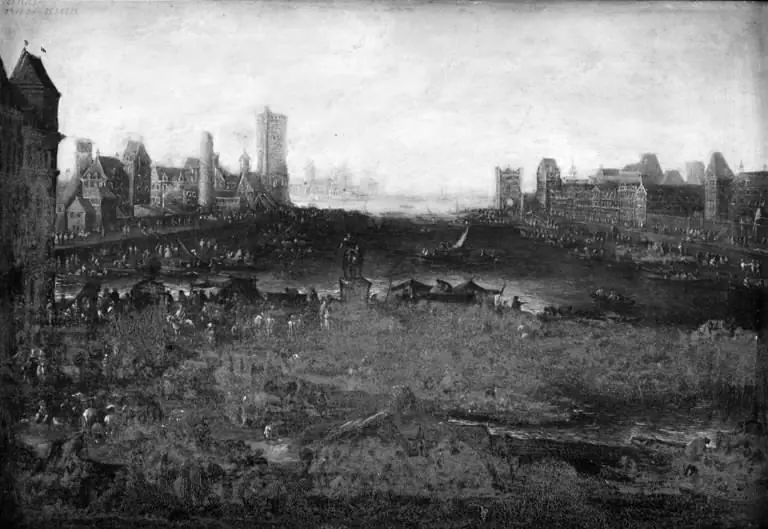 Square in Paris with Many Figures
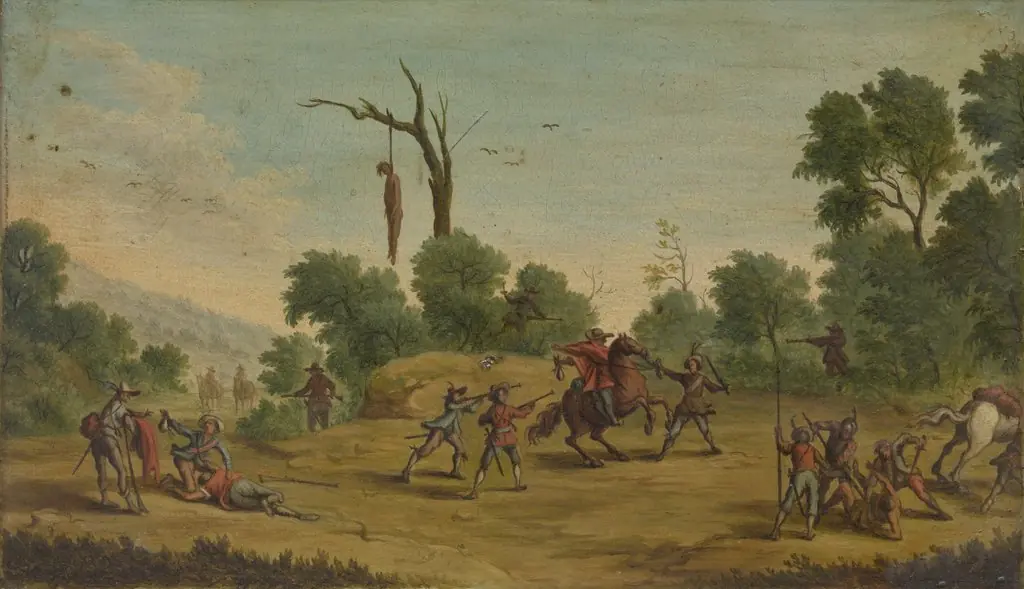 Horsemen Attacked by Robbers
 HOW WILL A COVERED PART BE CORRECTED?HOW WIKA A COVERED HEART DEED CORRECTED?
![Christ Walking on the Water [second plate], by Jacques Callot](https://artifactworldgallery.com/img/jacques-callot--christ-walking-on-the-water-second-plate--2069f3bfe4cb2126-w320.webp) Christ Walking on the Water [second plate]
Christ Walking on the Water [second plate]