Artwork
Margherita
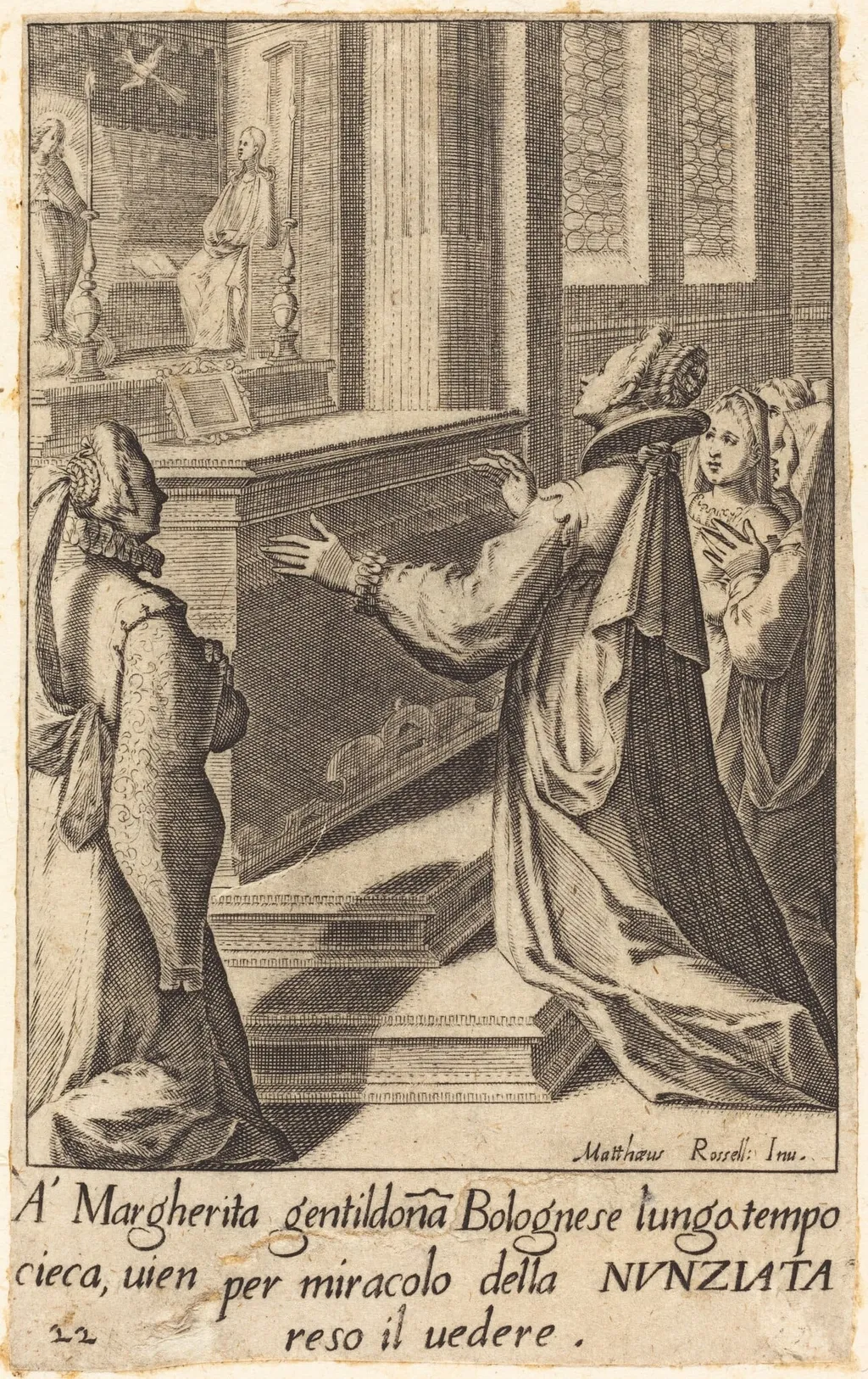
Margherita is an ink print by the Baroque artist Jacques Callot. It dates from 1619 and is held in the collection of the National Gallery of Art.
About this work
Overview
Margherita is a 1619 engraving by Jacques Callot, a French Baroque printmaker from the Duchy of Lorraine. This work exemplifies Callot's prolific output, which includes over 1,400 etchings documenting various aspects of contemporary life.
Subject & Meaning
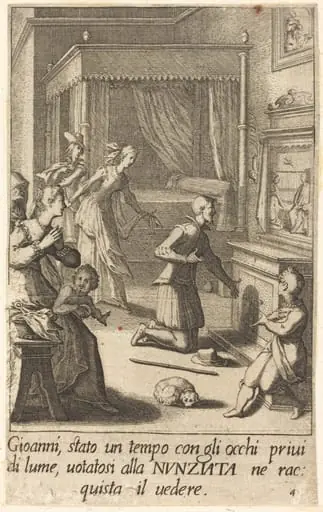
The engraving depicts a young, simply dressed woman seated in a domestic interior. Her face is illuminated by soft light, with one hand gently placed on her chest. The composition conveys a sense of quiet contemplation.
Technique & Style
Callot demonstrates his mastery of engraving through clean, sharp lines and expert use of cross-hatching. This technique, involving overlapping lines to create shading and texture, adds depth to the subject's face and clothing, particularly evident in the subtle play of light on her cheek.
History & Provenance
Created in 1619, Margherita reflects Callot's interest in portraying diverse social types within detailed environments. While specific provenance details are not provided, the work is characteristic of Callot's contributions to Old Master printmaking.
Context
Margherita sits within Callot's broader oeuvre of capturing everyday life, from military scenes to courtly figures. This engraving, with its focus on a serene domestic moment, highlights the breadth of his social commentary.
Legacy
As part of Callot's extensive body of work, Margherita contributes to his legacy as a pivotal figure in Baroque printmaking, influencing future generations with his technical precision and observational insight into 17th-century life.
Artist & collection
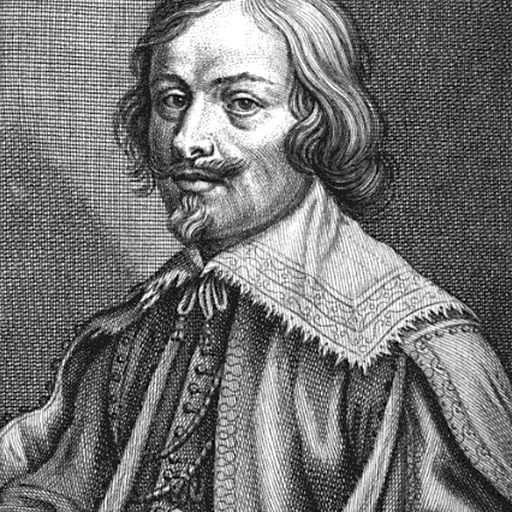
Artist
Jacques Callot was a baroque printmaker and draftsman from the Duchy of Lorraine.

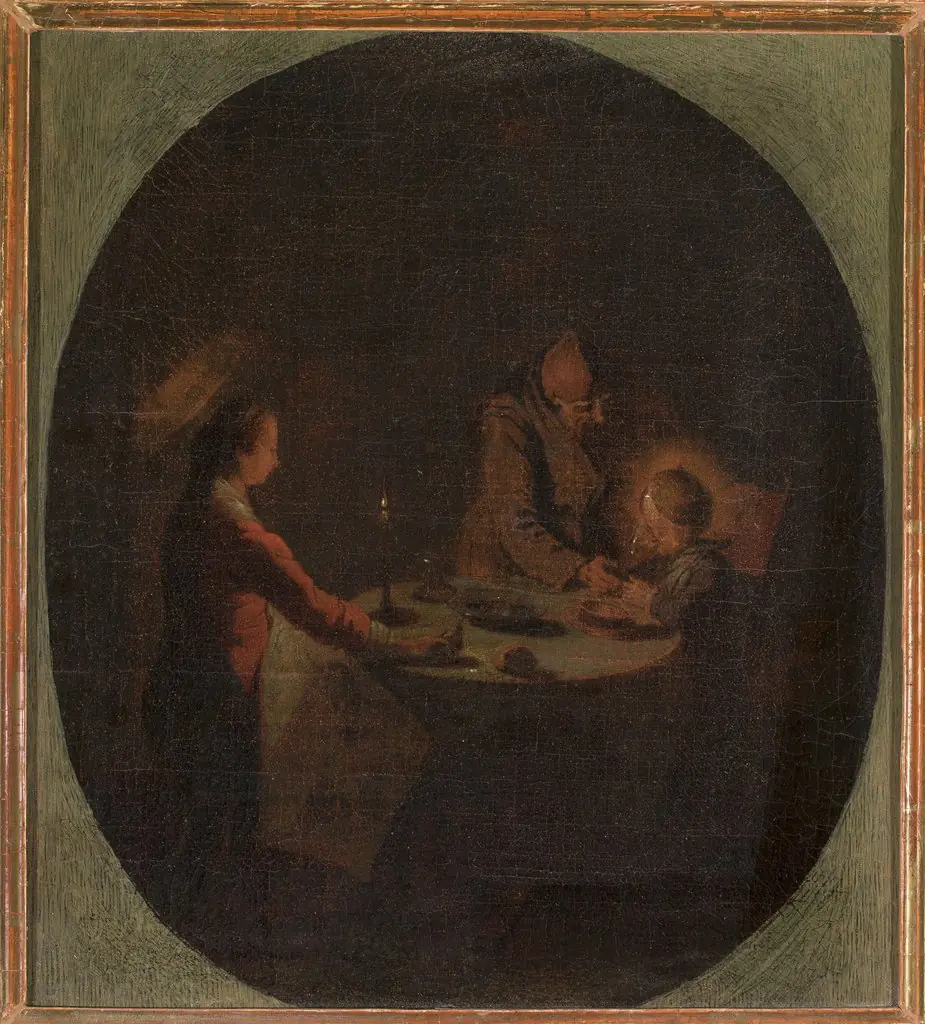 Holy Family at supper
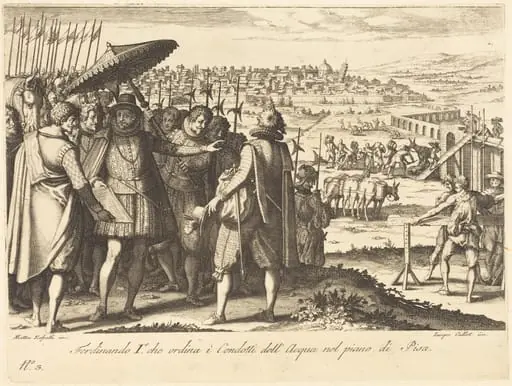 Restoration of the Aqueduct at Pisa
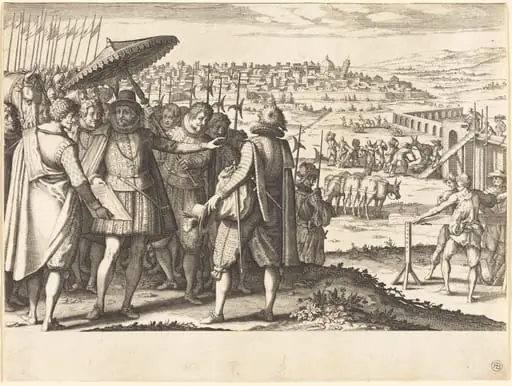 Restoration of the Aqueduct at Pisa
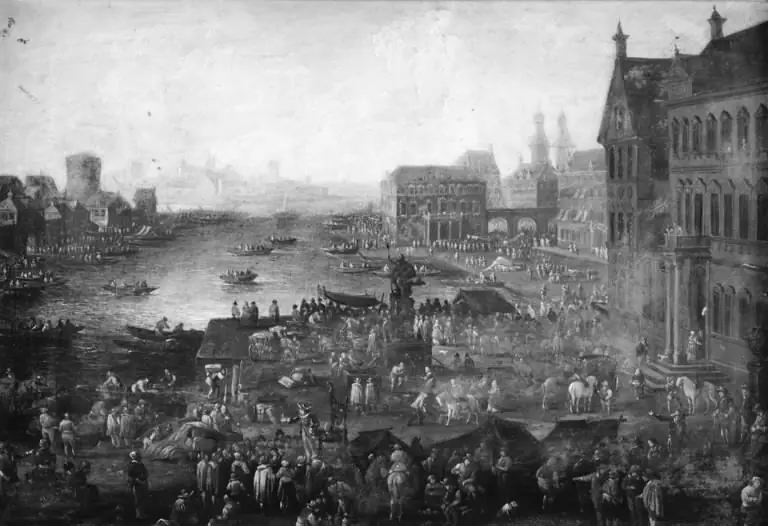 Square in Paris with Many Figures
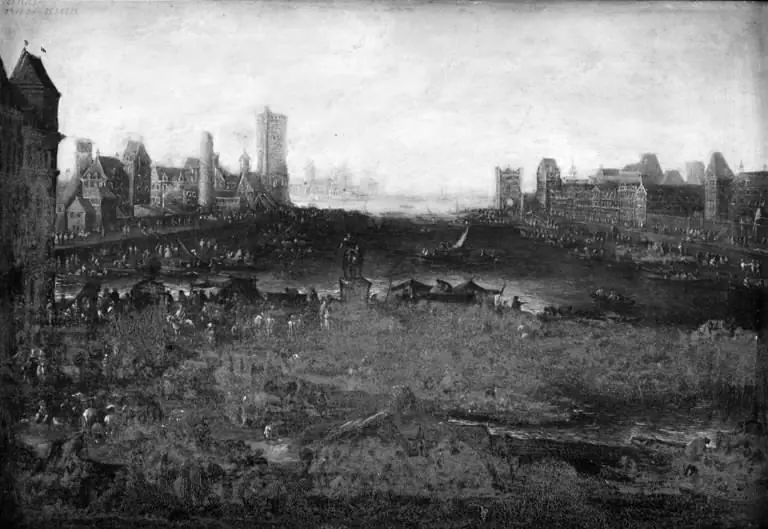 Square in Paris with Many Figures
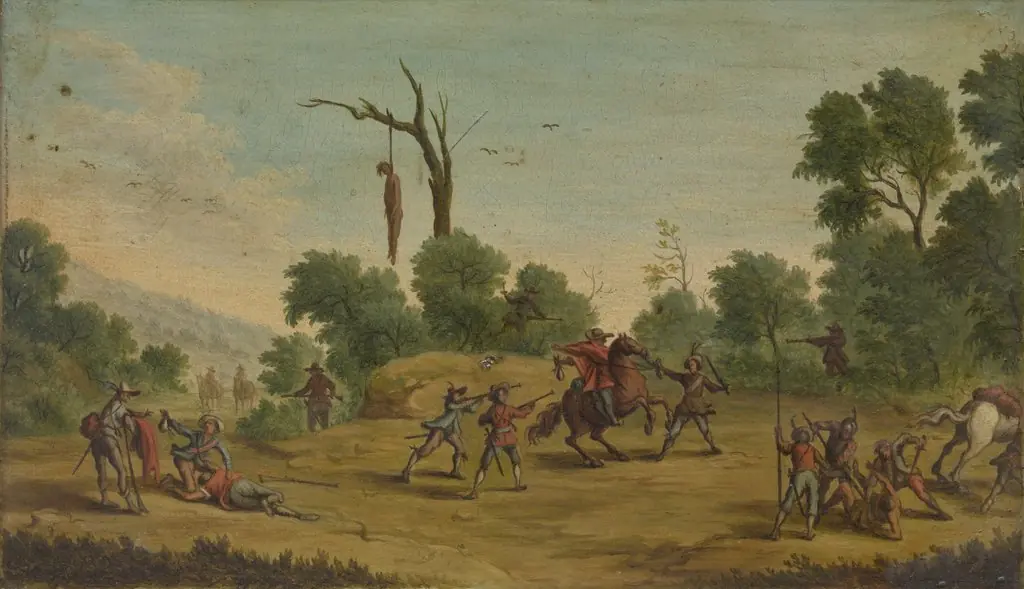 Horsemen Attacked by Robbers
 HOW WILL A COVERED PART BE CORRECTED?HOW WIKA A COVERED HEART DEED CORRECTED?
![Christ Walking on the Water [second plate], by Jacques Callot](https://artifactworldgallery.com/img/jacques-callot--christ-walking-on-the-water-second-plate--2069f3bfe4cb2126-w320.webp) Christ Walking on the Water [second plate]
Christ Walking on the Water [second plate]