Artwork
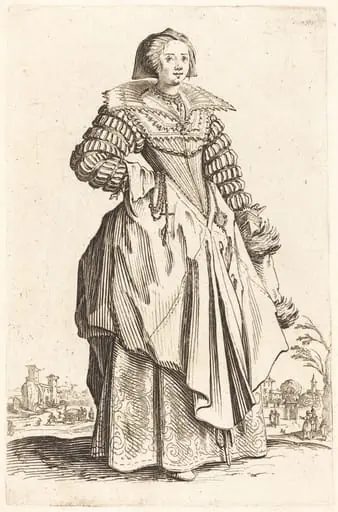
Noble Woman Wearing a Veil and a Dress Trimmed in Fur
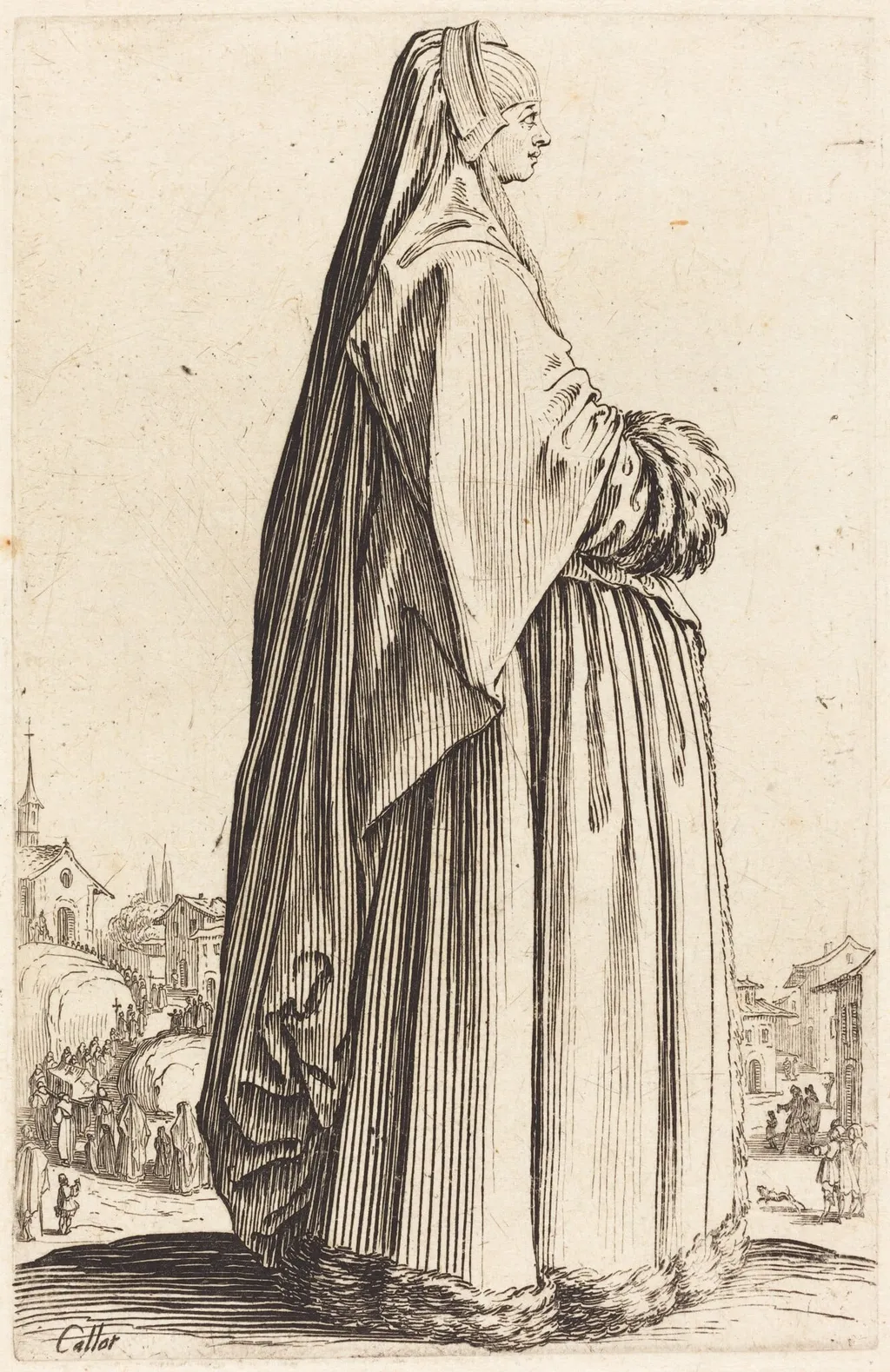
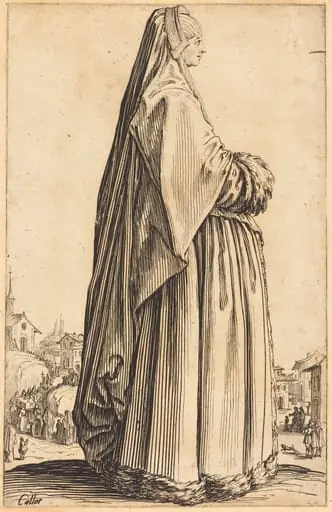
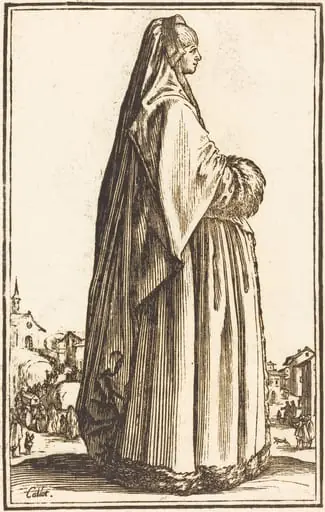
Noble Woman Wearing a Veil and a Dress Trimmed in Fur is an ink print by the Baroque artist Jacques Callot. It dates from 1622 and is held in the collection of the National Gallery of Art.
About this work
Overview
The composition balances individual portraiture with a bustling urban backdrop, reflecting the era’s fascination with class, fashion, and urban life.
Created around 1622, this etching by Jacques Callot captures a refined woman in elaborate attire, rendered on laid paper with meticulous line work. As one of over 1,400 prints by the Lorrainer artist, it exemplifies his interest in documenting social detail through printmaking. The composition balances individual portraiture with a bustling urban backdrop, reflecting the era’s fascination with class, fashion, and urban life.
Subject & Meaning
The central figure is a noblewoman, distinguished by her veil and fur-trimmed gown, suggesting high status. Beside her, a smaller, less elaborately dressed figure may indicate a servant or companion. The crowded street behind them, blending European and Asian architectural elements, hints at global trade influences in early 17th-century Europe. The image conveys social hierarchy and the visibility of wealth in public spaces.
Technique & Style
Callot employed fine, controlled etching lines to render textures: the softness of fur, the drape of fabric, and the translucency of the veil. The contrast between dark, densely worked areas and lighter, open spaces creates a dramatic tonal rhythm. His use of laid paper, with its characteristic chain lines, added subtle texture, enhancing the tactile quality of the scene without overwhelming the detail.
History & Provenance
This print emerged during Callot’s mature period in Florence, where he worked for the Medici court and absorbed Italian artistic influences. While its early ownership is undocumented, it aligns with a broader corpus of his prints circulated among collectors and artists across Europe. Its survival in good condition reflects its appeal as both artistic study and social record.
Context
In the early 1600s, etching became a favored medium for capturing contemporary life, especially in the Low Countries and Lorraine. Callot’s work responded to growing urban populations and expanding global exchange, visible in the hybrid architecture and layered clothing of his figures. His prints served as both artistic expression and ethnographic observation, bridging courtly and common worlds.
Legacy
Callot’s precise etching technique influenced generations of printmakers, particularly in the depiction of costume and urban scenes. This work, though not widely reproduced, contributes to a larger body of prints that helped define the visual language of 17th-century social documentation. Its attention to detail remains a reference for studies of early modern dress and public space.
Artist & collection
Artist
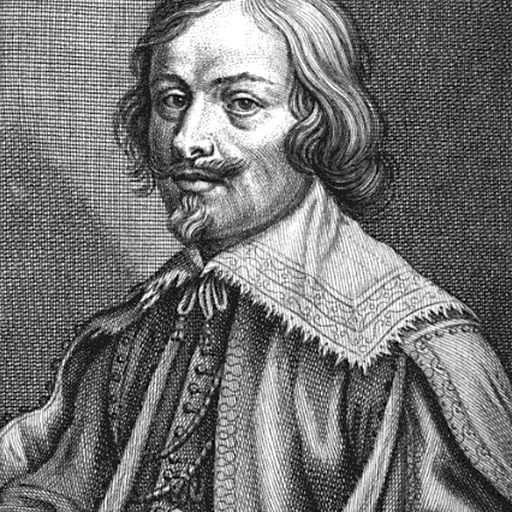
Jacques Callot was a baroque printmaker and draftsman from the Duchy of Lorraine.

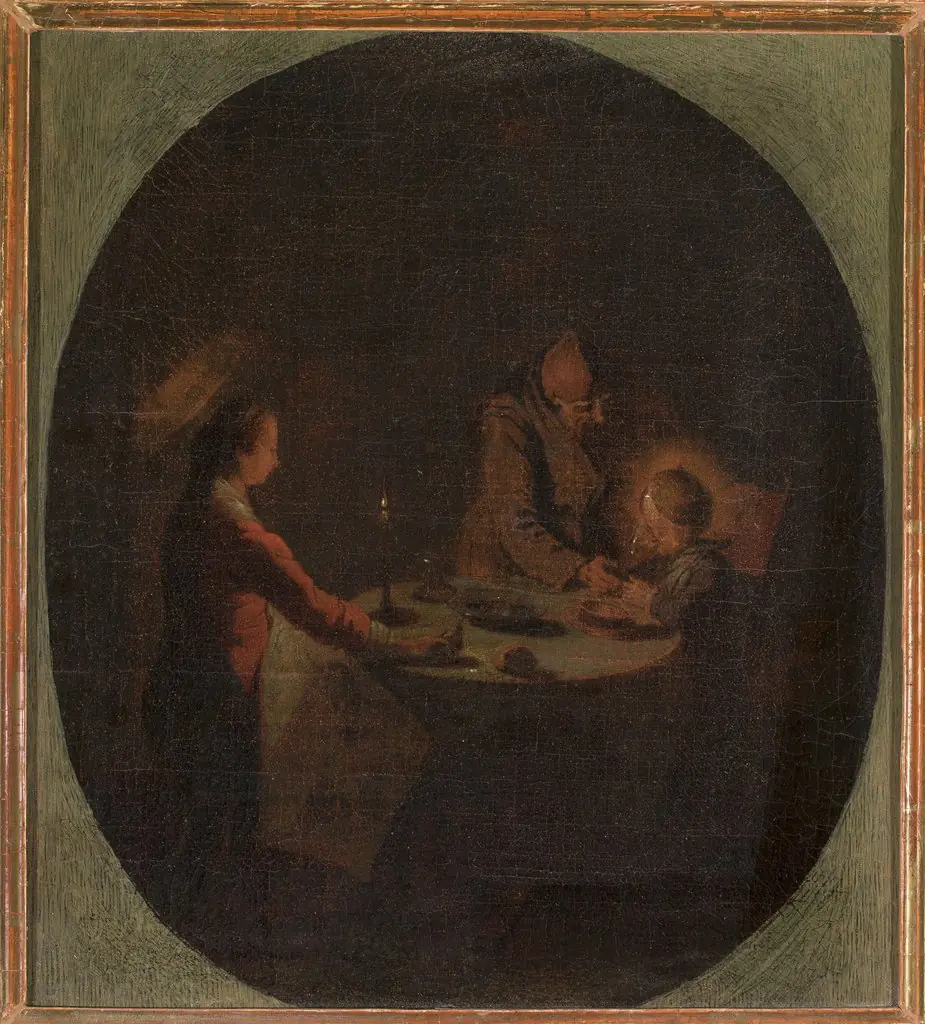 Holy Family at supper
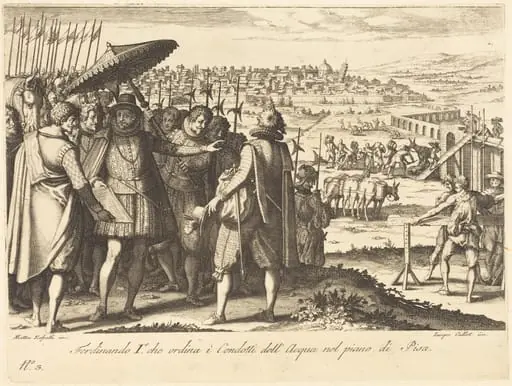 Restoration of the Aqueduct at Pisa
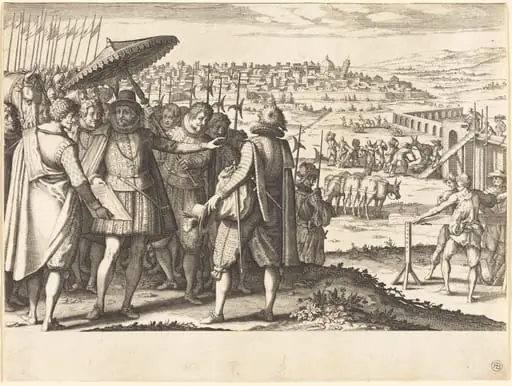 Restoration of the Aqueduct at Pisa
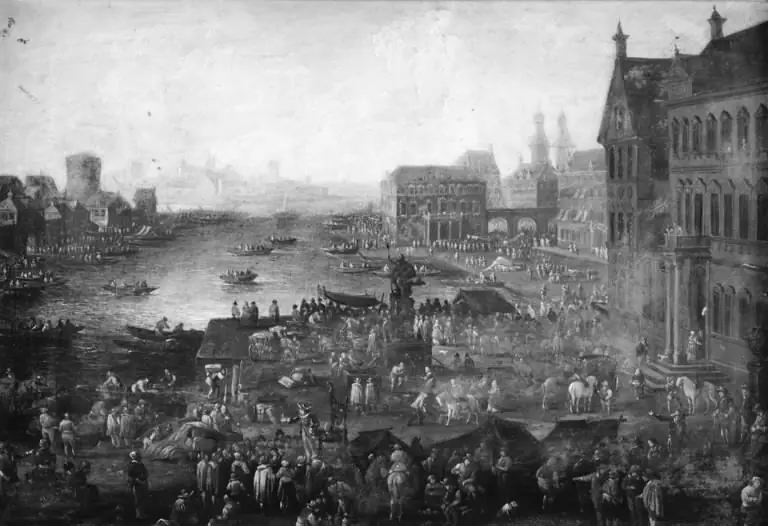 Square in Paris with Many Figures
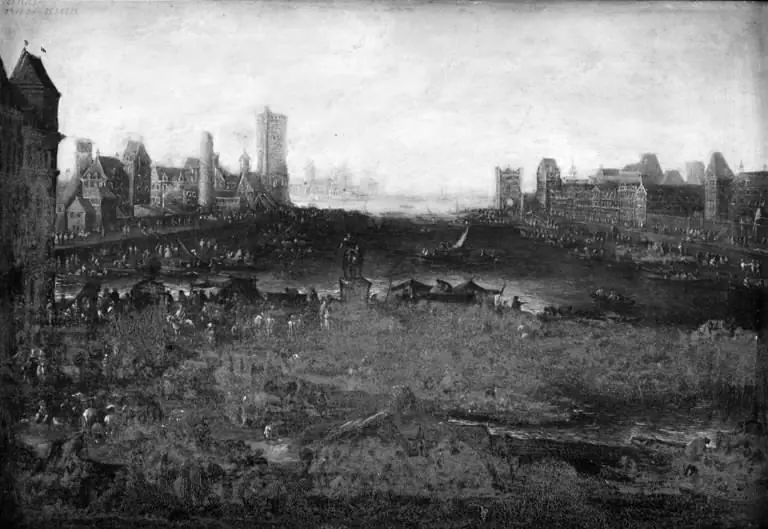 Square in Paris with Many Figures
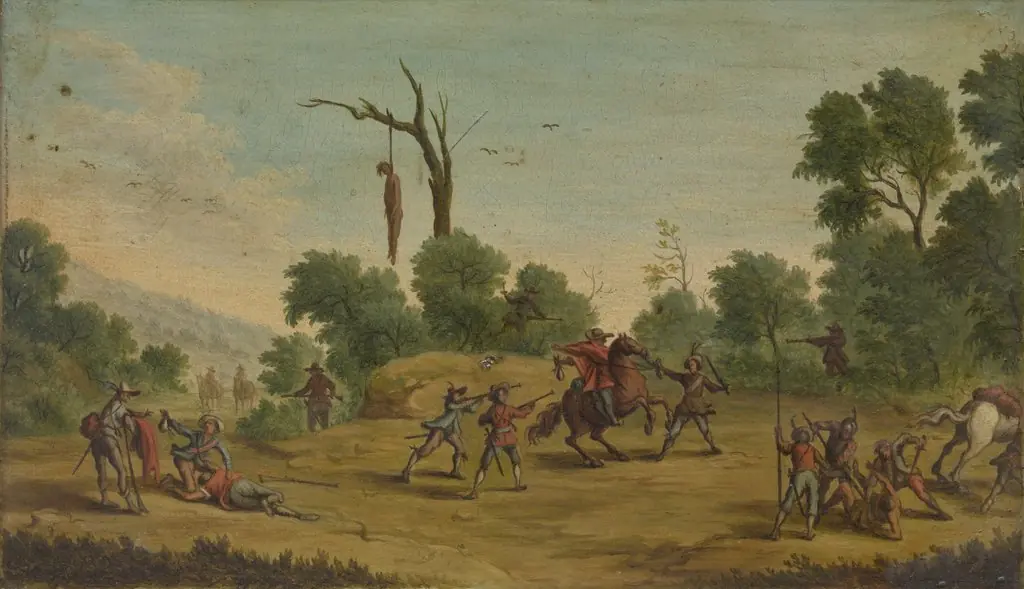 Horsemen Attacked by Robbers
 HOW WILL A COVERED PART BE CORRECTED?HOW WIKA A COVERED HEART DEED CORRECTED?
![Christ Walking on the Water [second plate], by Jacques Callot](https://artifactworldgallery.com/img/jacques-callot--christ-walking-on-the-water-second-plate--2069f3bfe4cb2126-w320.webp) Christ Walking on the Water [second plate]
Christ Walking on the Water [second plate]
 Noble Woman Wearing a Veil and a Dress Trimmed in Fur
 Noble Woman Wearing a Veil and a Dress Trimmed in Fur
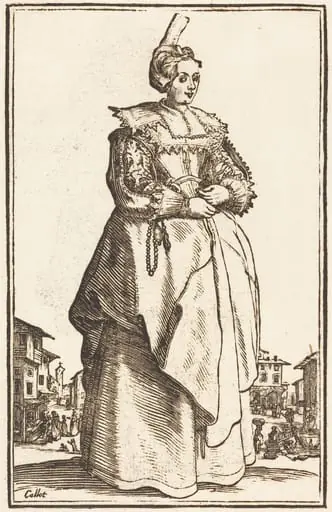
 Noble Woman with a Small Hat
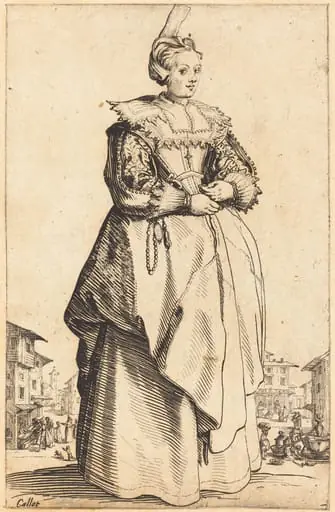 Noble Woman with a Small Hat
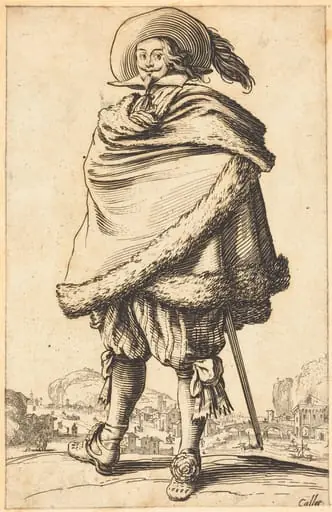 Noble Man Wrapped in a Mantle Trimmed with Fur
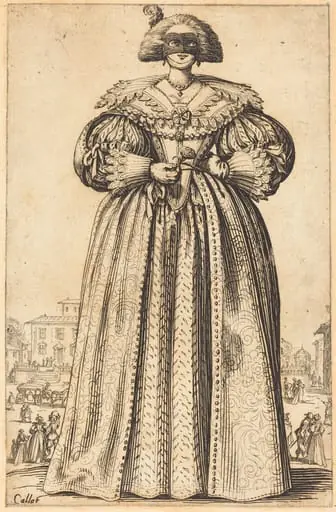 Masked Noble Woman
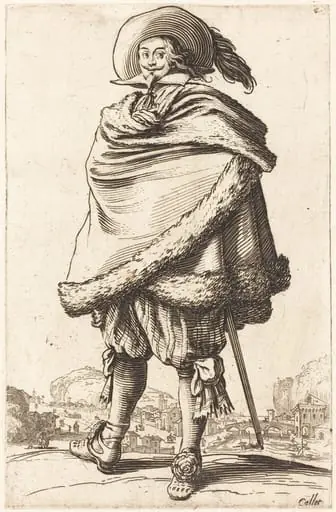 Noble Man Wrapped in a Mantle Trimmed with Fur
 Noble Woman with Large Collar
 Noble Woman with a Small Hat