Artwork
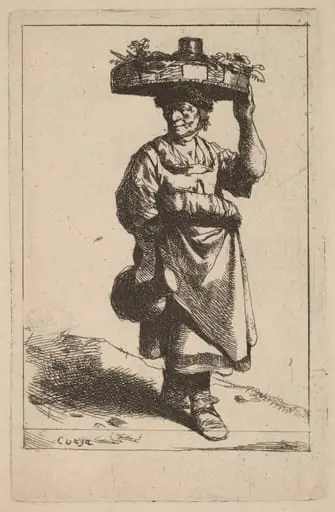
Peasant Woman with Basket on Head, Front View
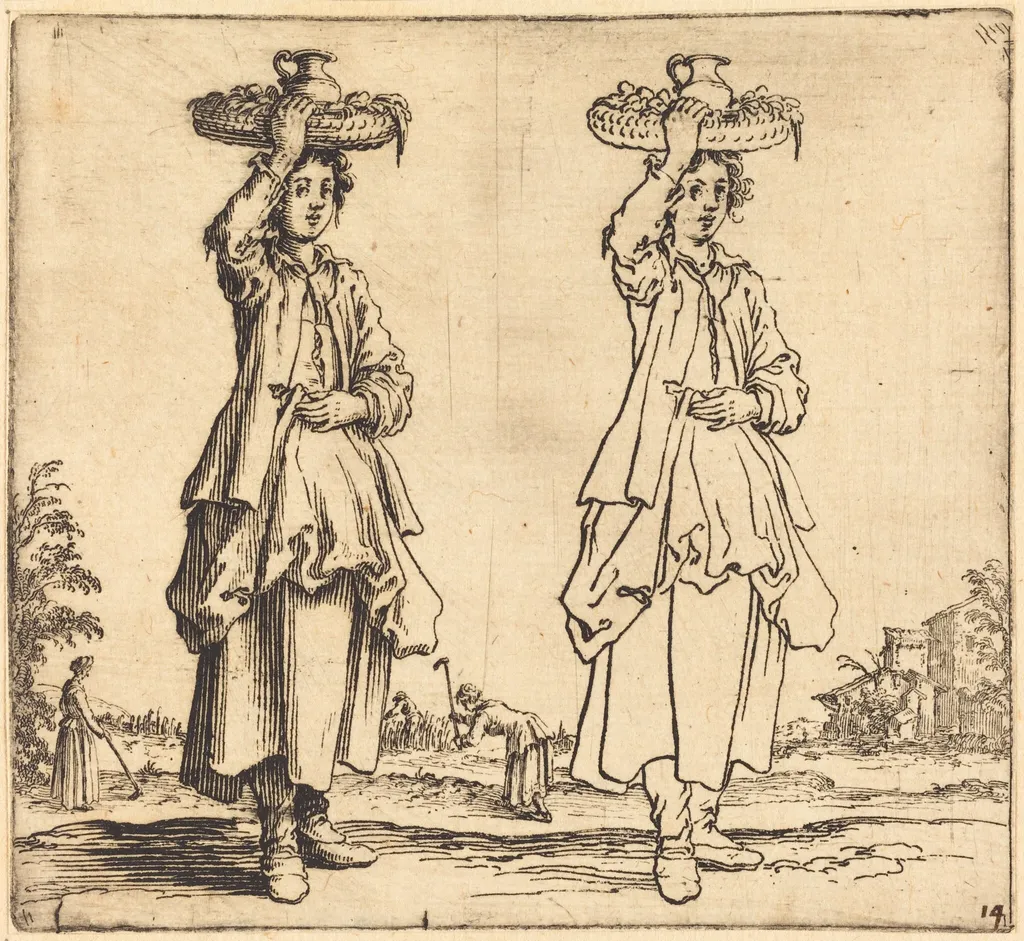
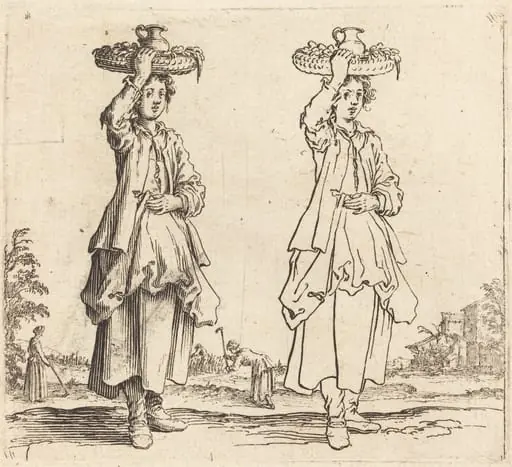
Peasant Woman with Basket on Head, Front View is an ink print by the Baroque artist Jacques Callot. It dates from 1622 and is held in the collection of the National Gallery of Art.
About this work
Overview
Unlike grand historical or religious scenes, this image elevates a quiet, unremarkable moment, revealing his attention to the rhythms of peasant existence.
Created in 1622 by Jacques Callot, this etching on laid paper captures a rural woman carrying a basket balanced on her head. Part of a vast body of over 1,400 prints, the work reflects Callot’s focus on ordinary life in early 17th-century Lorraine. Unlike grand historical or religious scenes, this image elevates a quiet, unremarkable moment, revealing his attention to the rhythms of peasant existence.
Subject & Meaning
The figure is depicted frontally, her posture steady beneath the weight of the basket, suggesting endurance rather than hardship. Two figures walk near water, each bearing similar loads, while distant workers and a building hint at a broader rural economy. The scene avoids sentimentality, presenting labor as an unremarkable part of daily life, grounded in observation rather than moral commentary.
Technique & Style
Callot employed a loose, incised line typical of etching, using acid to bite into a wax-coated copper plate. The strokes are uneven and energetic, avoiding polished finish in favor of immediacy. This sketchlike quality conveys motion and texture—fabric, basket weave, and terrain—without idealization, emphasizing the artist’s hand and the medium’s spontaneity.
History & Provenance
The print emerged during Callot’s most productive period, when he was refining his etching technique in Florence and Nancy. Though no specific early ownership is documented, it was likely circulated among collectors and artists familiar with his depictions of common life. Its survival reflects the growing 17th-century interest in prints as records of social reality.
Context
In early 17th-century Europe, printmaking became a vehicle for documenting social classes beyond the elite. Callot’s work aligned with broader Northern European trends that valued genre scenes, contrasting with Italian grandeur. His depictions of peasants, soldiers, and beggars offered a counter-narrative to courtly art, grounded in direct observation of regional life.
Legacy
Callot’s etchings influenced later artists in their treatment of everyday subjects, particularly in Dutch and French printmaking. His technical innovations in line control and composition helped establish etching as a serious medium for narrative and social documentation. This print remains a quiet example of his enduring contribution to the visual record of rural labor.
Artist & collection
Artist
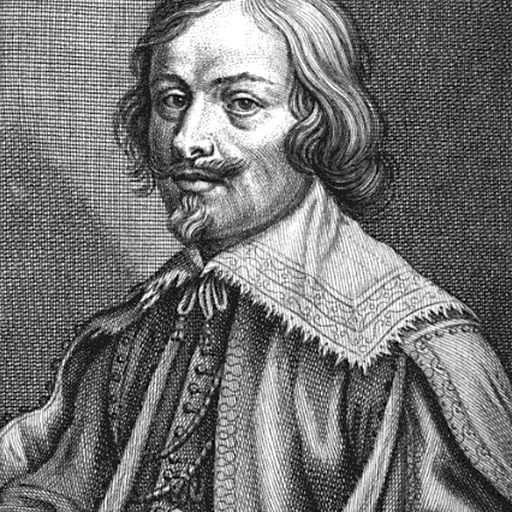
Jacques Callot was a baroque printmaker and draftsman from the Duchy of Lorraine.

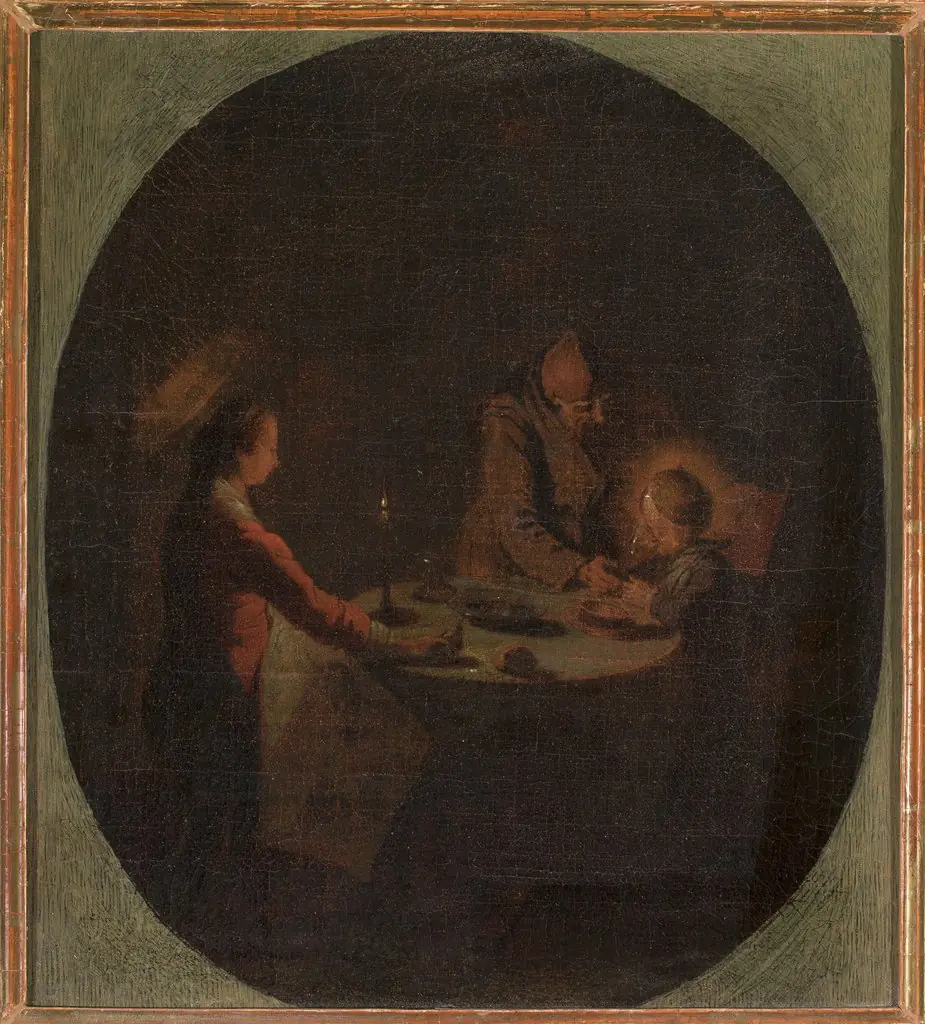 Holy Family at supper
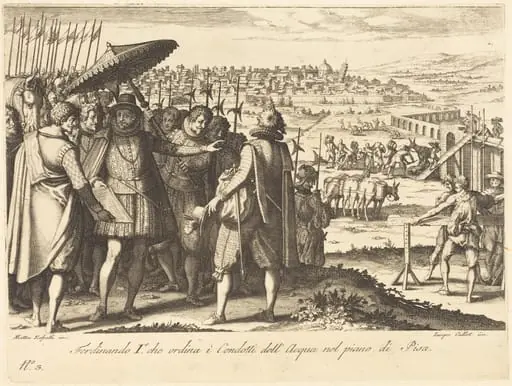 Restoration of the Aqueduct at Pisa
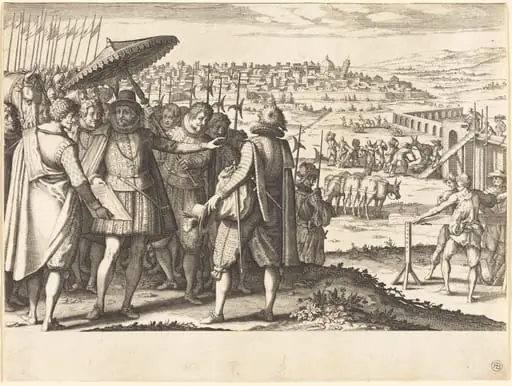 Restoration of the Aqueduct at Pisa
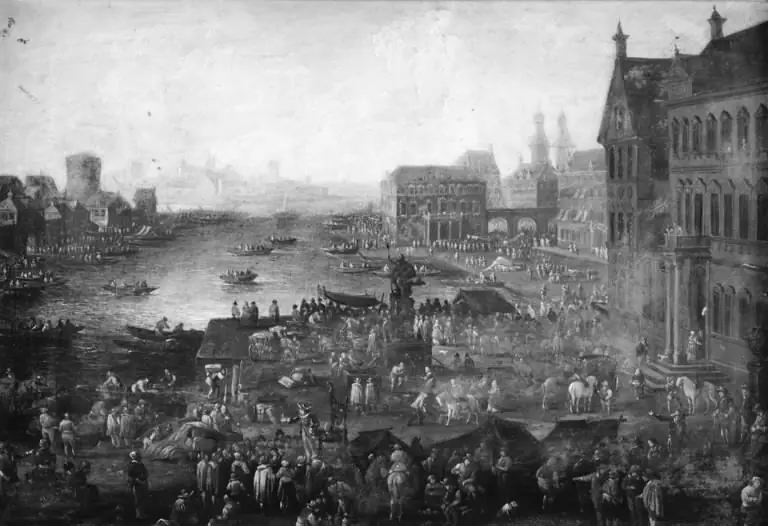 Square in Paris with Many Figures
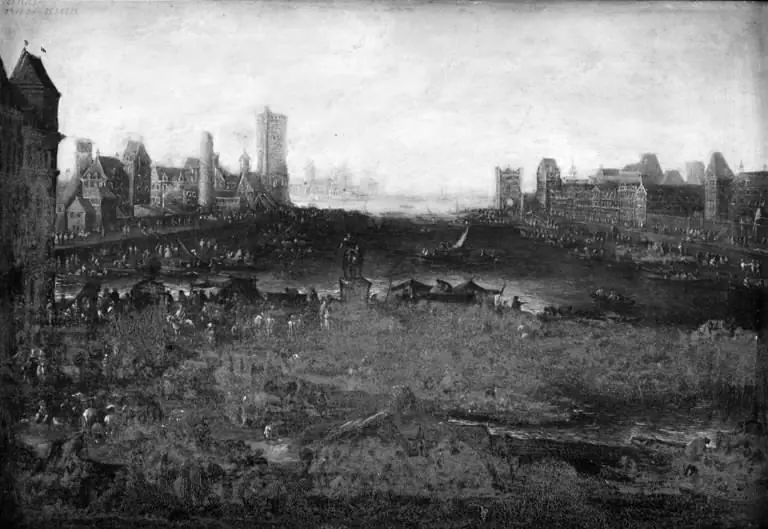 Square in Paris with Many Figures
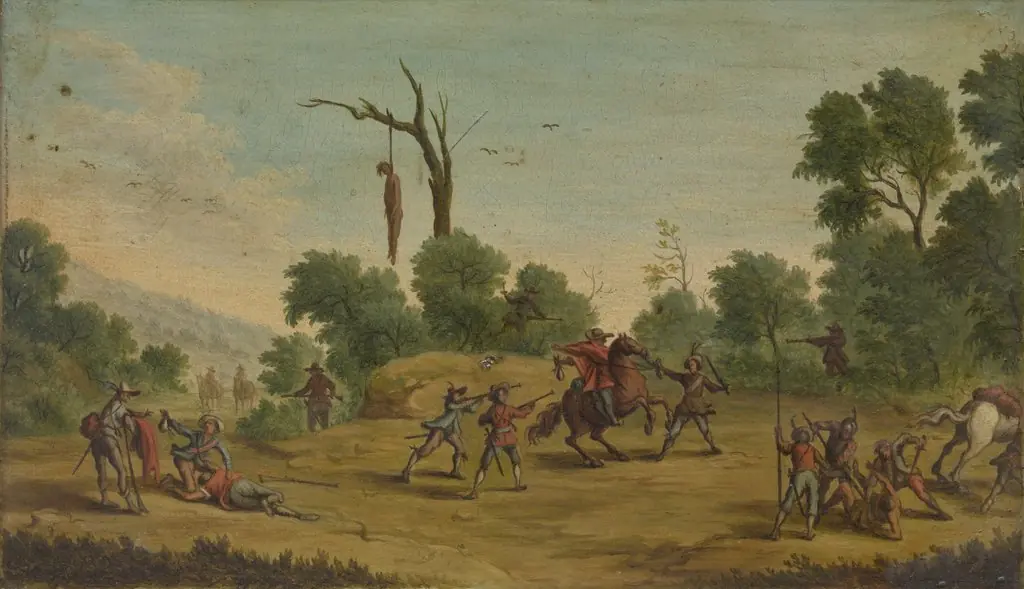 Horsemen Attacked by Robbers
 HOW WILL A COVERED PART BE CORRECTED?HOW WIKA A COVERED HEART DEED CORRECTED?
![Christ Walking on the Water [second plate], by Jacques Callot](https://artifactworldgallery.com/img/jacques-callot--christ-walking-on-the-water-second-plate--2069f3bfe4cb2126-w320.webp) Christ Walking on the Water [second plate]
Christ Walking on the Water [second plate]
 Peasant Woman with Basket on Head, Front View
 Peasant Woman with Basket, Seen from Behind
 Peasant Woman with Basket, Seen from Behind
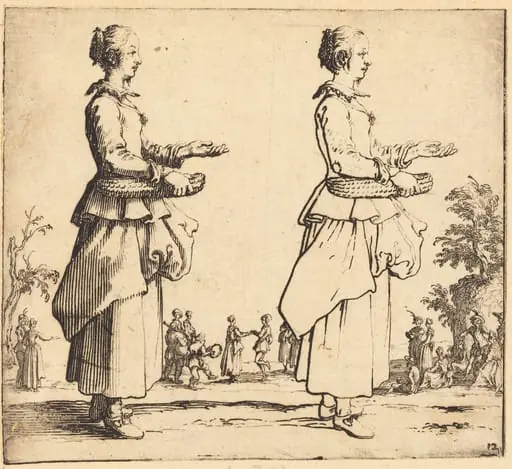 Peasant Woman with Basket, in Profile, Facing Right
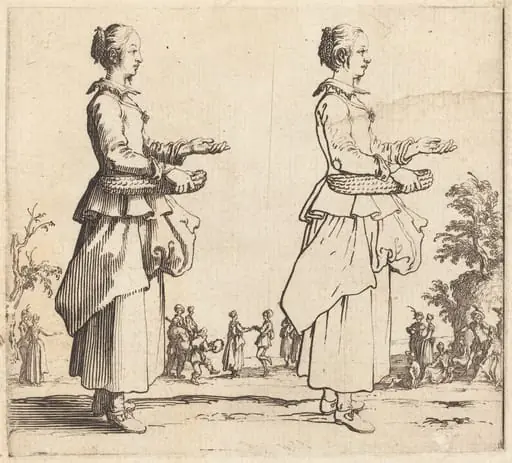 Peasant Woman with Basket, in Profile, Facing Right
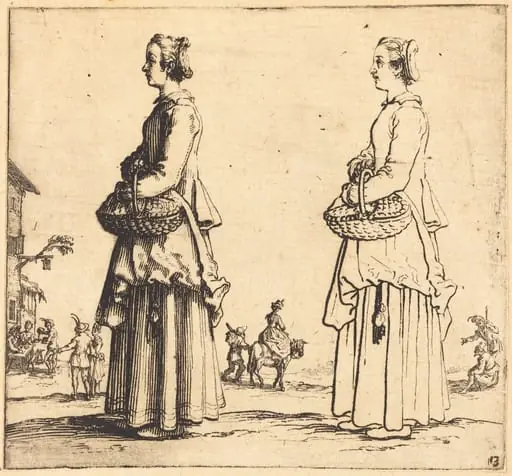 Peasant Woman with Basket, in Profile, Facing Left
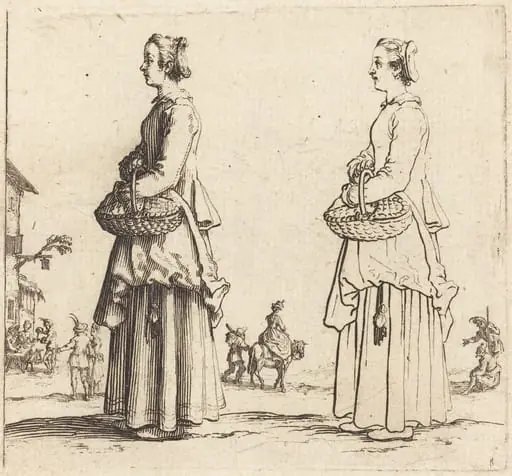 Peasant Woman with Basket, in Profile, Facing Left
 Woman Carrying a Basket
 Peasant Woman, in Profile, Facing Left
 Peasant Woman with Basket, Facing Left
 Peasant Woman, in Profile, Facing Left
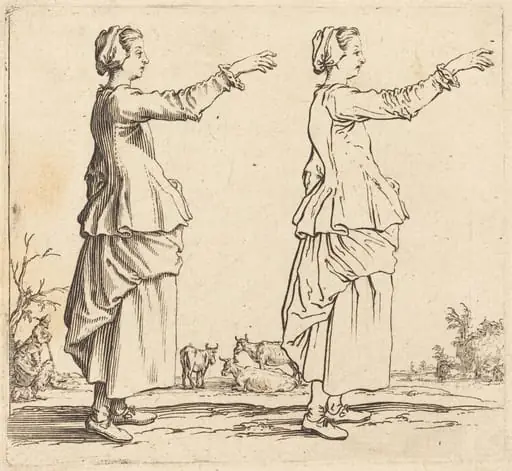 Peasant Woman, in Profile, Facing Right, with Arm Extended