Artwork
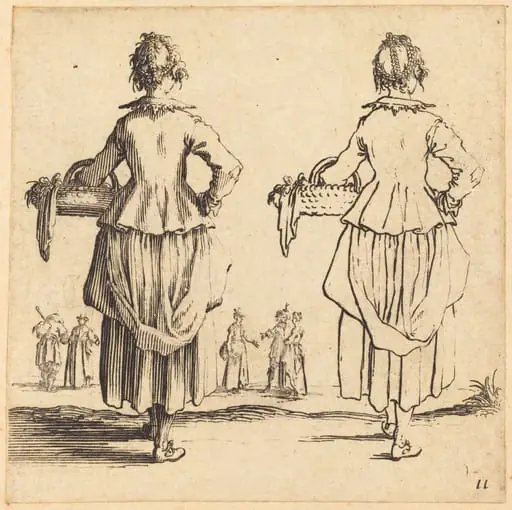
Peasant Woman with Basket, Seen from Behind
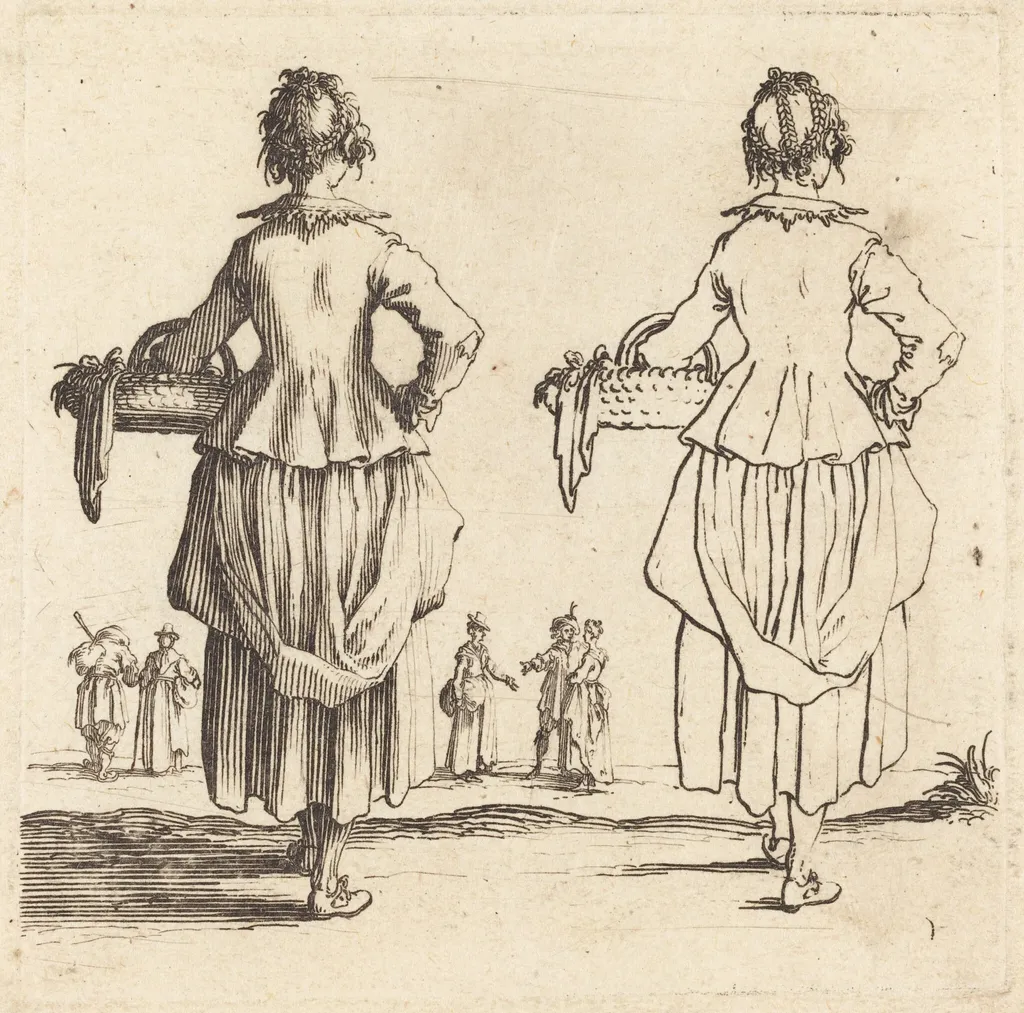
Peasant Woman with Basket, Seen from Behind is an ink print by the Baroque artist Jacques Callot. It dates from 1622 and is held in the collection of the National Gallery of Art.
About this work
Overview
Callot’s precise line work captures the textures of clothing and the contents of the baskets, offering a snapshot of everyday life in early 17th‑century France.
Created in 1622, this etching by Jacques Callot presents a rural scene rendered on laid paper. The composition features two women walking away from the viewer, each bearing a basket, set against a modest landscape that includes three men in the distance. Callot’s precise line work captures the textures of clothing and the contents of the baskets, offering a snapshot of everyday life in early 17th‑century France.
Subject & Meaning
The work focuses on ordinary laborers: the women, dressed in simple jackets and varying lengths of dress, carry baskets likely filled with vegetables or herbs, while the men in the background appear engaged in conversation. By portraying these figures without idealization, Callot underscores the routine activities of the peasant class, reflecting a broader interest in documenting the social fabric of his time.
Technique & Style
Executed as an etching, the image relies on fine incised lines to render delicate textures—from the weave of the women’s garments to the foliage within the baskets. The laid paper provides a subtle tonal base that enhances the depth of the scene. Callot’s baroque sensibility emerges through the careful observation of detail and the balanced arrangement of figures within the space.
History & Provenance
Jacques Callot, a prolific printmaker from the Duchy of Lorraine, produced over fourteen hundred etchings during his career. This particular print is part of his extensive series that records everyday subjects such as peasants, soldiers, and beggars, illustrating his commitment to portraying a wide spectrum of contemporary life.
Context
In the early 1620s, French art was increasingly attentive to realistic representation and the lives of common people. Callot’s work aligns with this trend, offering a visual record that contrasts with the grand religious and mythological subjects prevalent in baroque painting, thereby expanding the scope of visual narrative in the period.
Artist & collection
Artist
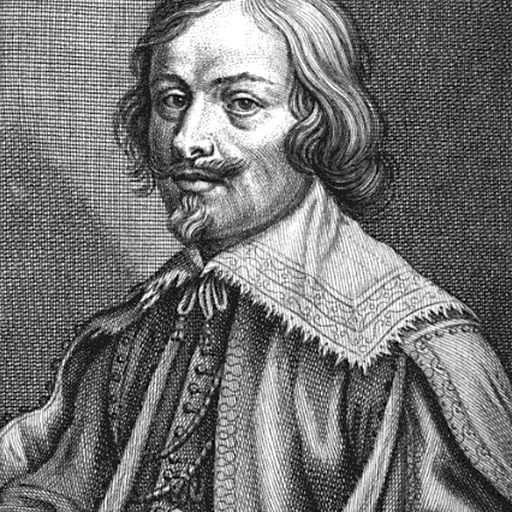
Jacques Callot was a baroque printmaker and draftsman from the Duchy of Lorraine.

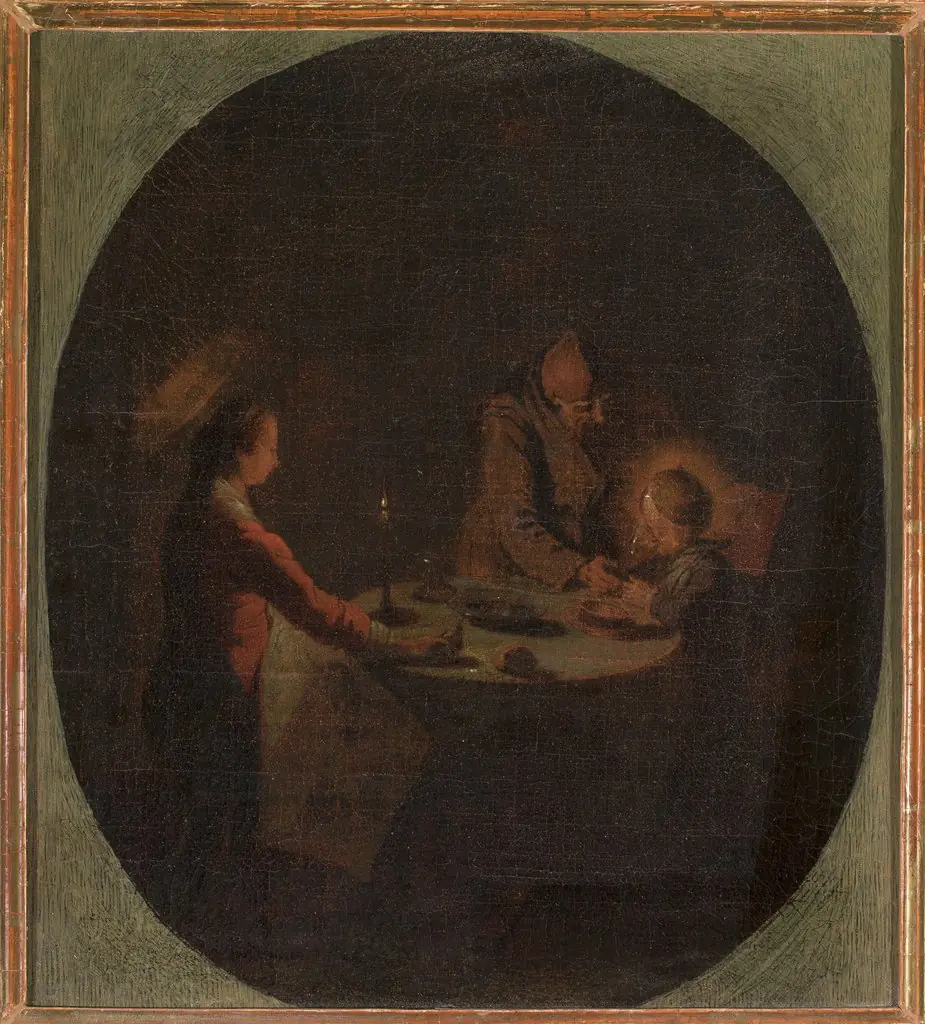 Holy Family at supper
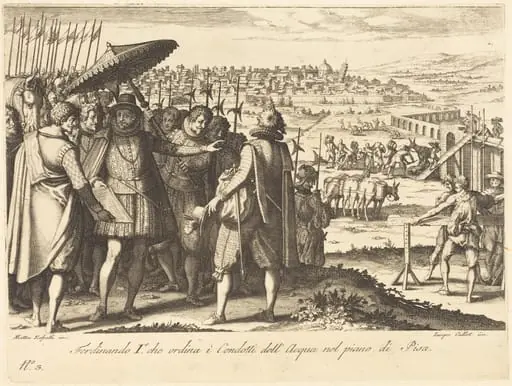 Restoration of the Aqueduct at Pisa
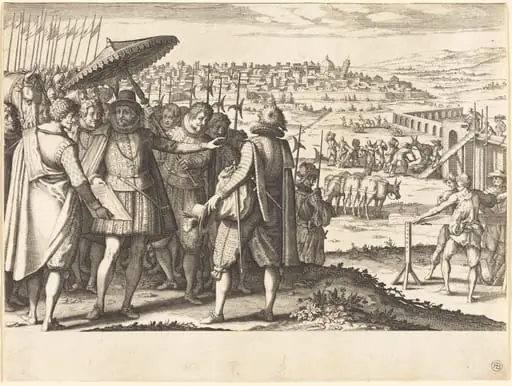 Restoration of the Aqueduct at Pisa
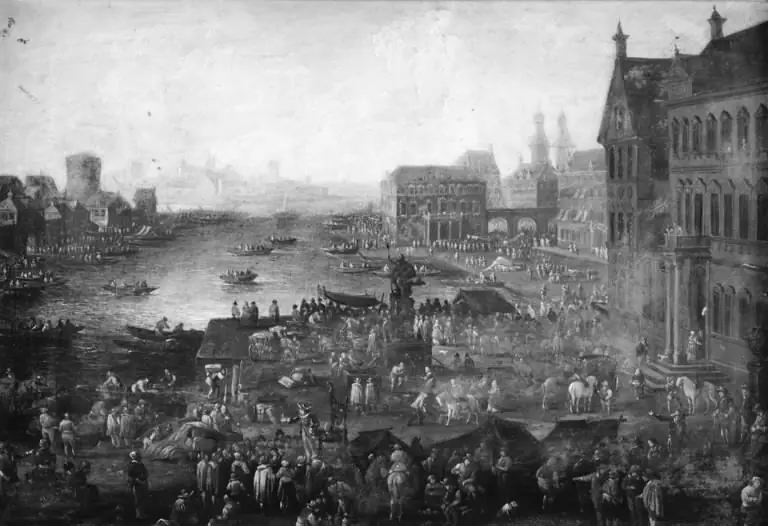 Square in Paris with Many Figures
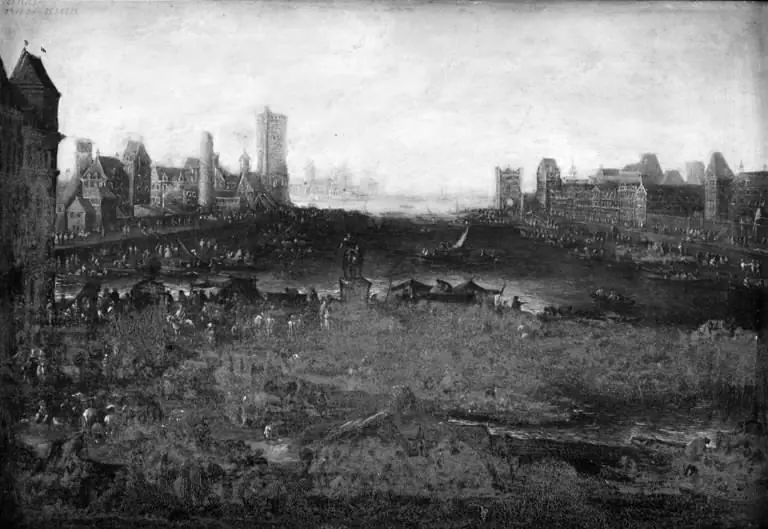 Square in Paris with Many Figures
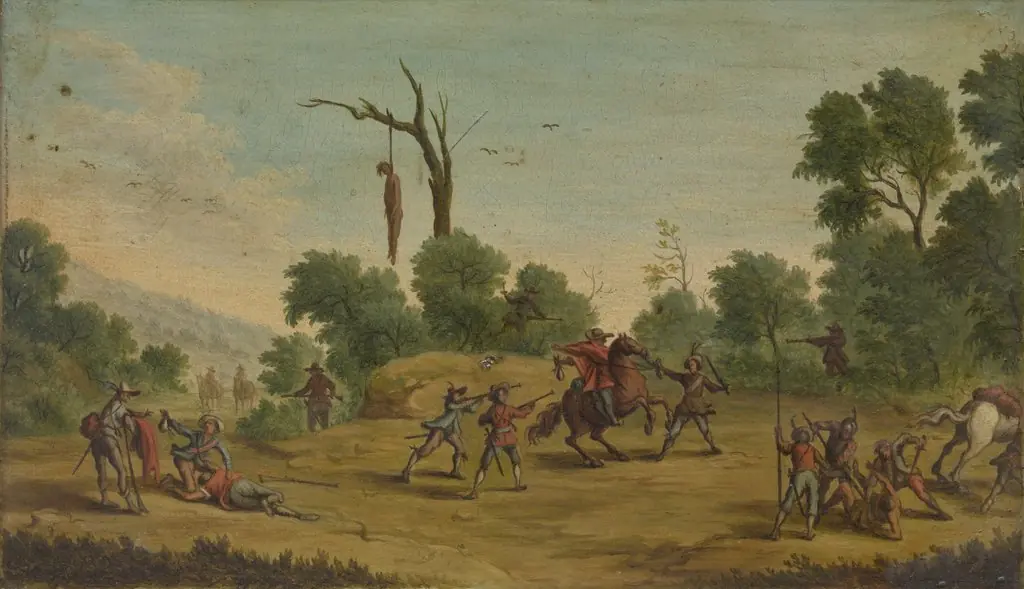 Horsemen Attacked by Robbers
 HOW WILL A COVERED PART BE CORRECTED?HOW WIKA A COVERED HEART DEED CORRECTED?
![Christ Walking on the Water [second plate], by Jacques Callot](https://artifactworldgallery.com/img/jacques-callot--christ-walking-on-the-water-second-plate--2069f3bfe4cb2126-w320.webp) Christ Walking on the Water [second plate]
Christ Walking on the Water [second plate]
 Peasant Woman with Basket, Seen from Behind
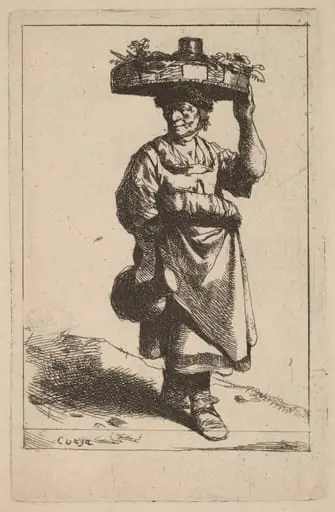
 Peasant Woman with Basket on Head, Front View
 Peasant Woman with Basket on Head, Front View
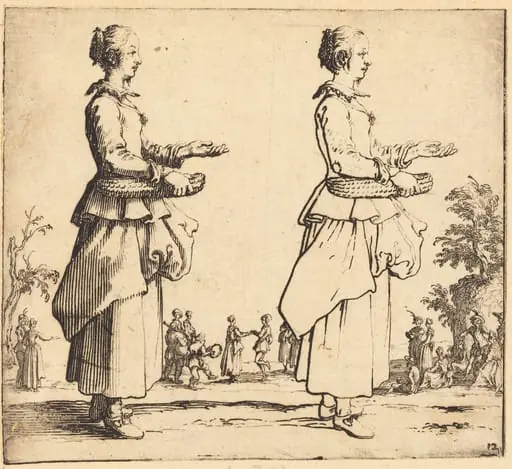 Peasant Woman with Basket, in Profile, Facing Right
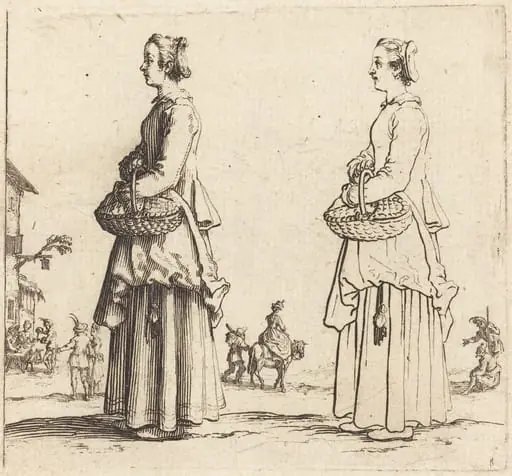 Peasant Woman with Basket, in Profile, Facing Left
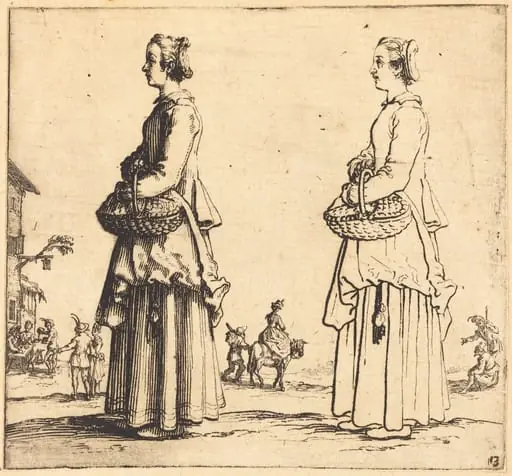 Peasant Woman with Basket, in Profile, Facing Left
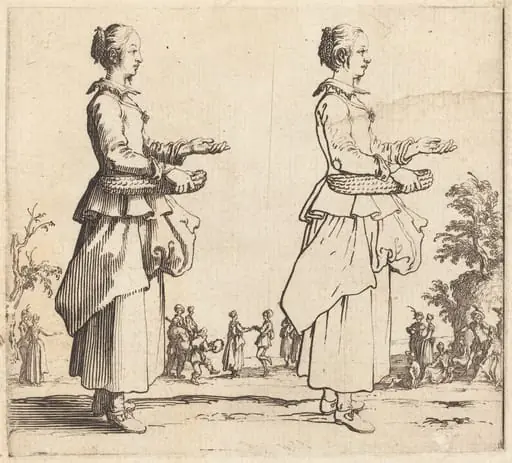 Peasant Woman with Basket, in Profile, Facing Right
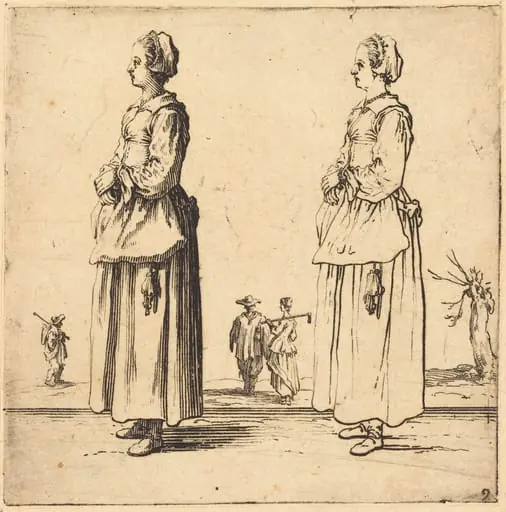 Peasant Woman, in Profile, Facing Left
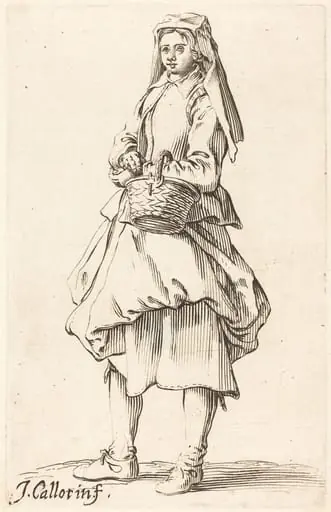 Peasant Woman with Basket, Facing Left
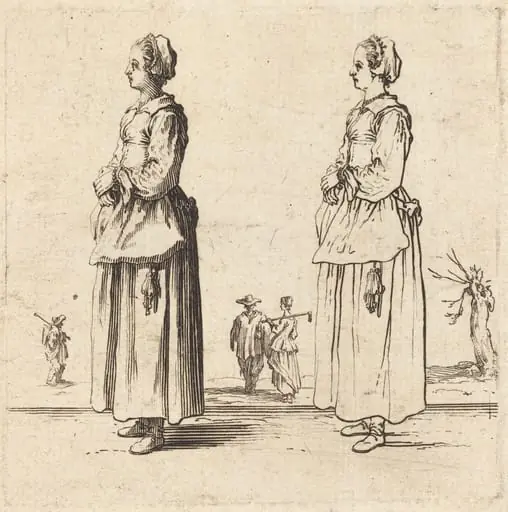 Peasant Woman, in Profile, Facing Left
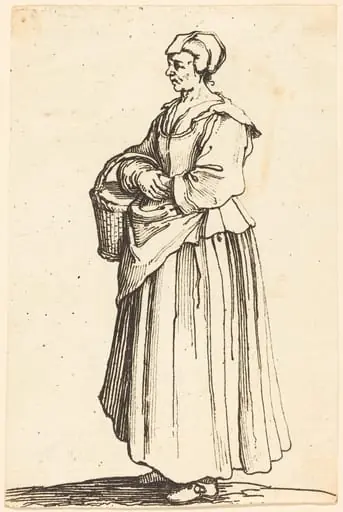 Peasant Woman with Basket, in Profile, Facing Left
 Woman Carrying a Basket