Artwork
Ponte Vecchio, Florence
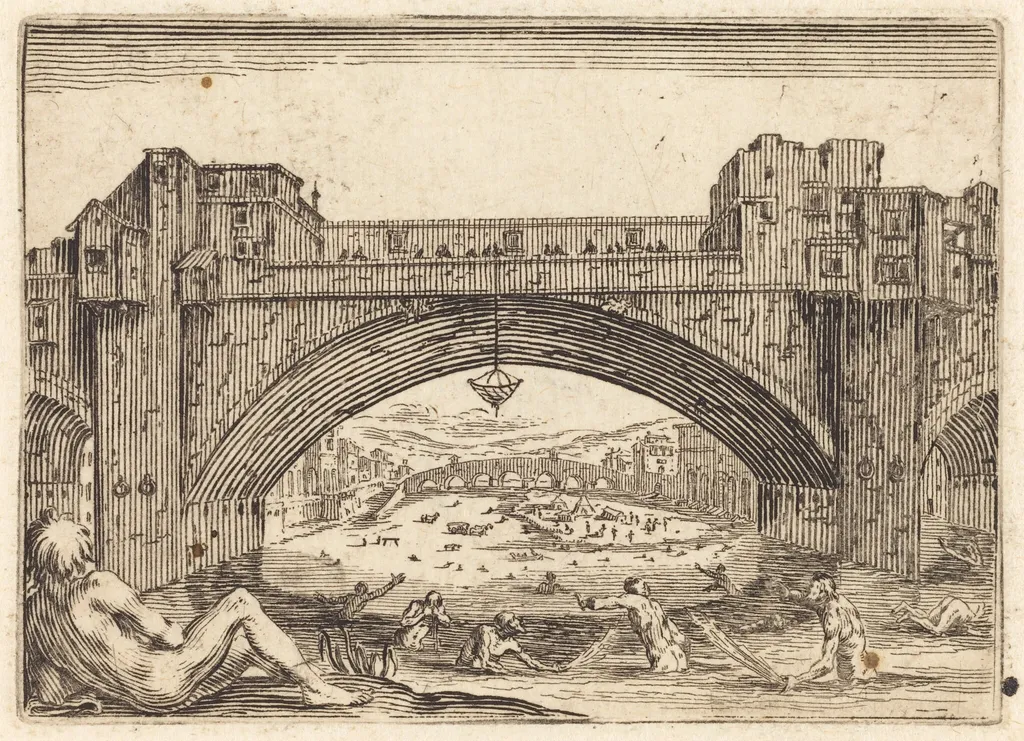
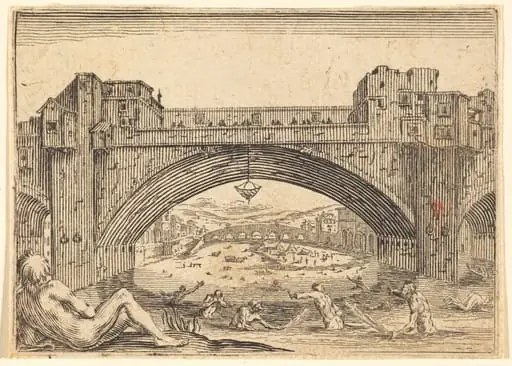
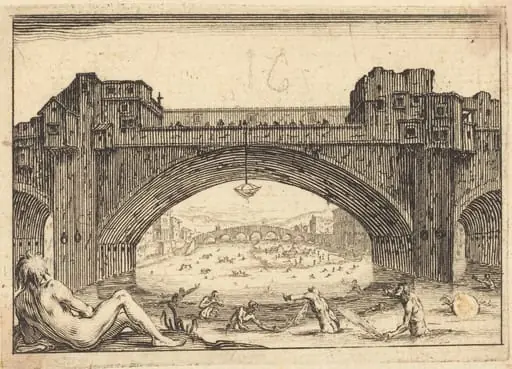
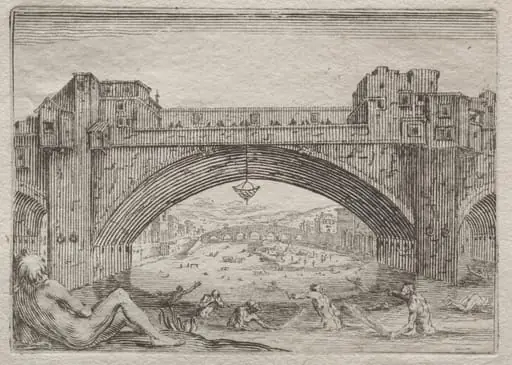
Ponte Vecchio, Florence is an ink print by the Baroque artist Jacques Callot. It dates from 1622 and is held in the collection of the National Gallery of Art.
About this work
Overview
Executed on laid paper, the work captures a view of the Ponte Vecchio in Florence, reflecting his interest in architectural detail and everyday activity.
Jacques Callot, a French artist from the Duchy of Lorraine, produced this etching around 1622 as part of his extensive series documenting urban life across Italy. Executed on laid paper, the work captures a view of the Ponte Vecchio in Florence, reflecting his interest in architectural detail and everyday activity. Callot’s technique emphasized fine line work and atmospheric depth, distinguishing his prints from broader, looser styles of the period.
Subject & Meaning
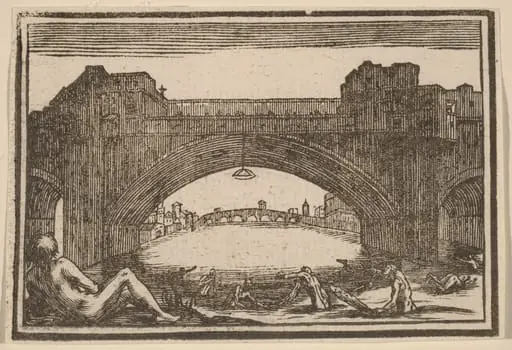
The etching depicts the Ponte Vecchio as a bustling urban node, with merchants’ stalls lining its structure and figures gathered along its banks. A basket suspended from the bridge hints at commercial activity, while individuals in the water suggest local routines—washing, fishing, or leisure. The scene is not idealized but observed, presenting the bridge as a living artery of Florentine commerce and social interaction.
Technique & Style
Callot employed fine, controlled etching lines to render textures of stone, water, and fabric with precision. The composition uses layered horizontals and verticals to structure the bridge and its surroundings, while varying line density creates shadow and volume. His use of atmospheric perspective draws the eye toward the distant hills, integrating the bridge into a broader landscape without sacrificing architectural clarity.
History & Provenance
Created during Callot’s time in Italy, likely between 1620 and 1622, the print reflects his travels and study of Italian cities. It was made during a period when he was refining his etching methods, later influencing printmakers across Europe. The work remained within private collections until entering institutional holdings, where it is now preserved as an example of early 17th-century topographical printmaking.
Context
In early 17th-century Florence, the Ponte Vecchio was both a functional crossing and a commercial hub, housing goldsmiths and traders since the Middle Ages. Callot’s depiction aligns with a broader European interest in documenting urban landscapes, particularly in Italy, where travelers and artists recorded civic architecture as symbols of order and prosperity amid religious and political upheaval.
Legacy
Callot’s precise etching style set a standard for topographical prints in the Baroque era. His attention to detail in *Ponte Vecchio, Florence* influenced later artists documenting cityscapes, from Dutch town views to French urban studies. The print endures as a record of how a single structure could embody the rhythms of daily life, offering a quiet counterpoint to more dramatic historical narratives of the time.
Artist & collection
Artist
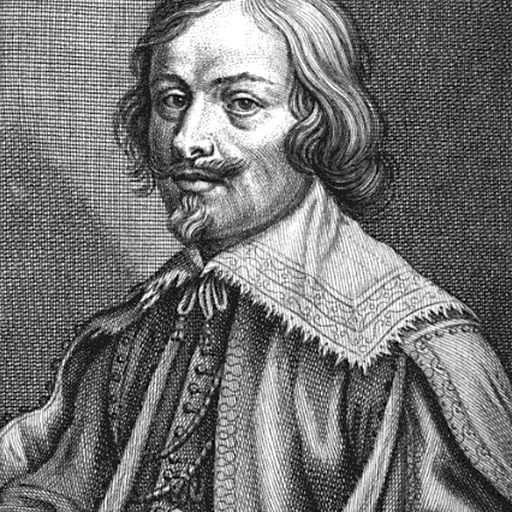
Jacques Callot was a baroque printmaker and draftsman from the Duchy of Lorraine.

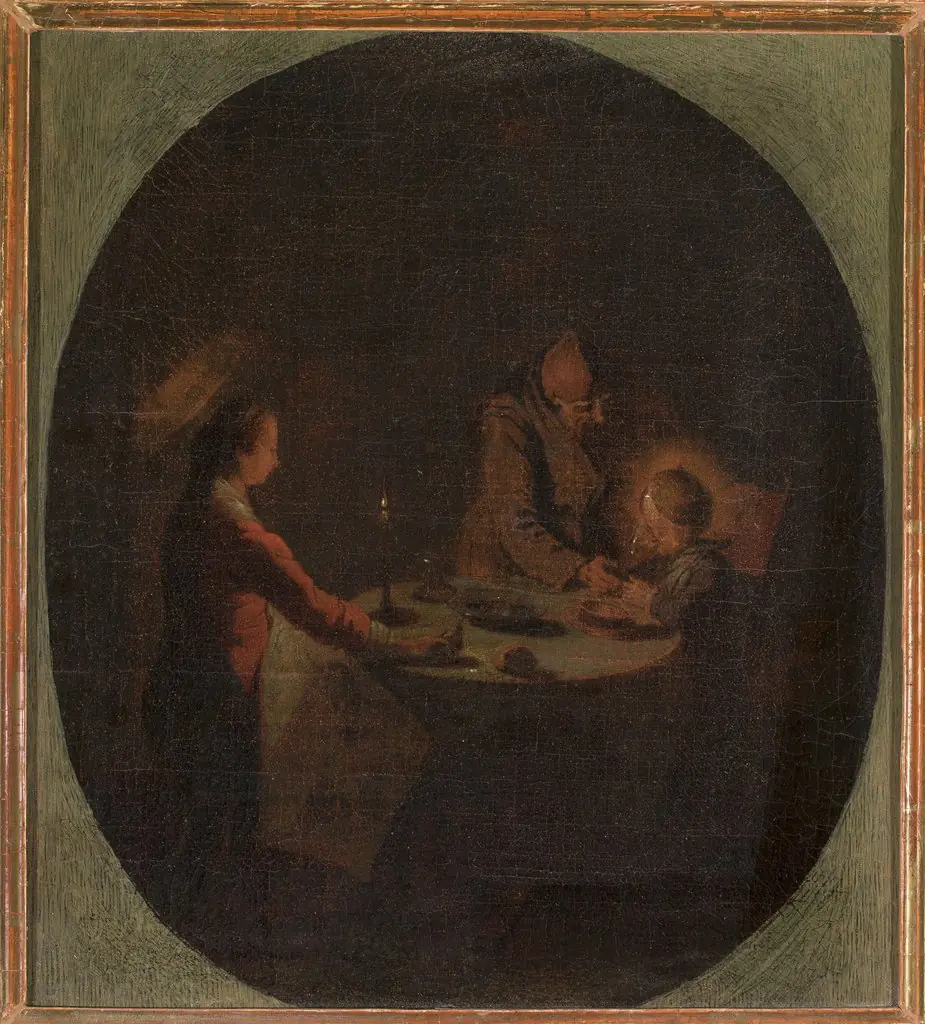 Holy Family at supper
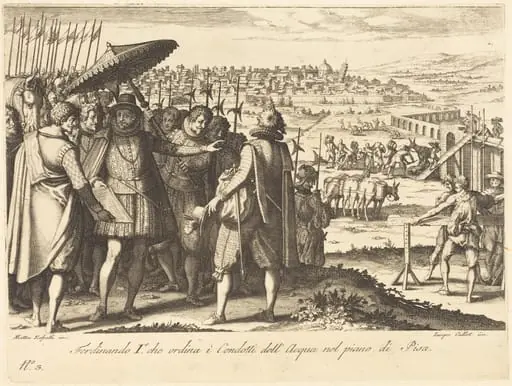 Restoration of the Aqueduct at Pisa
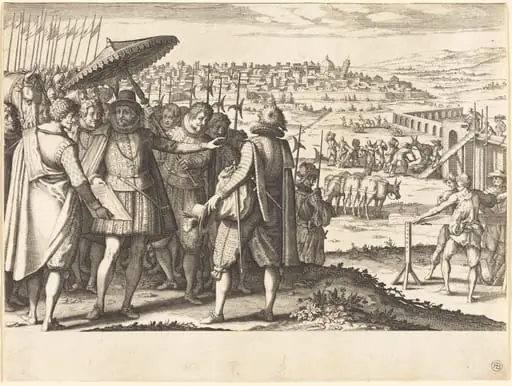 Restoration of the Aqueduct at Pisa
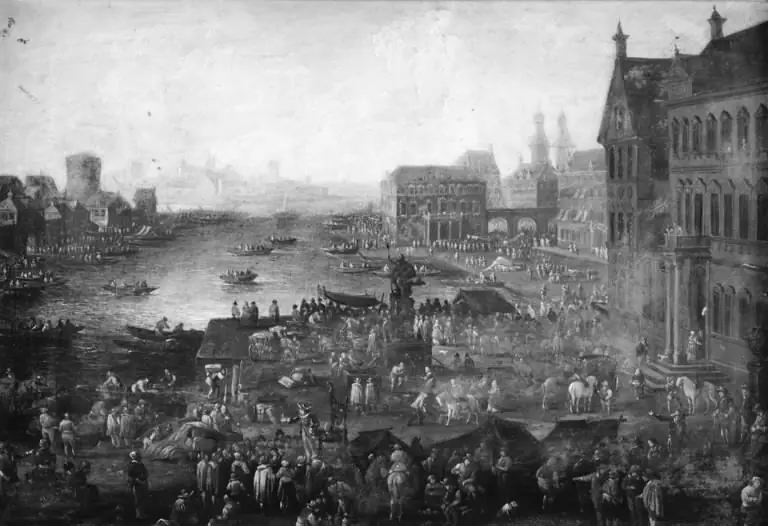 Square in Paris with Many Figures
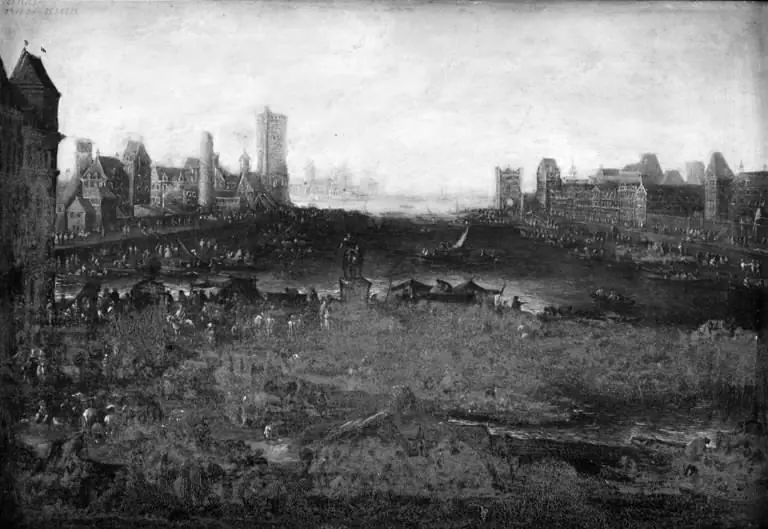 Square in Paris with Many Figures
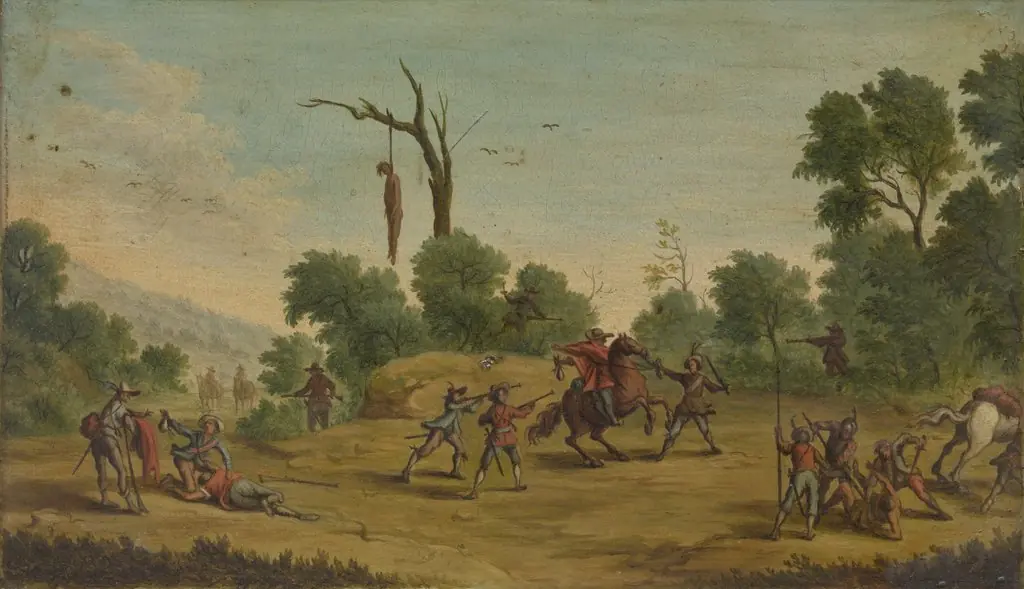 Horsemen Attacked by Robbers
 HOW WILL A COVERED PART BE CORRECTED?HOW WIKA A COVERED HEART DEED CORRECTED?
![Christ Walking on the Water [second plate], by Jacques Callot](https://artifactworldgallery.com/img/jacques-callot--christ-walking-on-the-water-second-plate--2069f3bfe4cb2126-w320.webp) Christ Walking on the Water [second plate]
Christ Walking on the Water [second plate]