Artwork
Ponte Vecchio, Florence
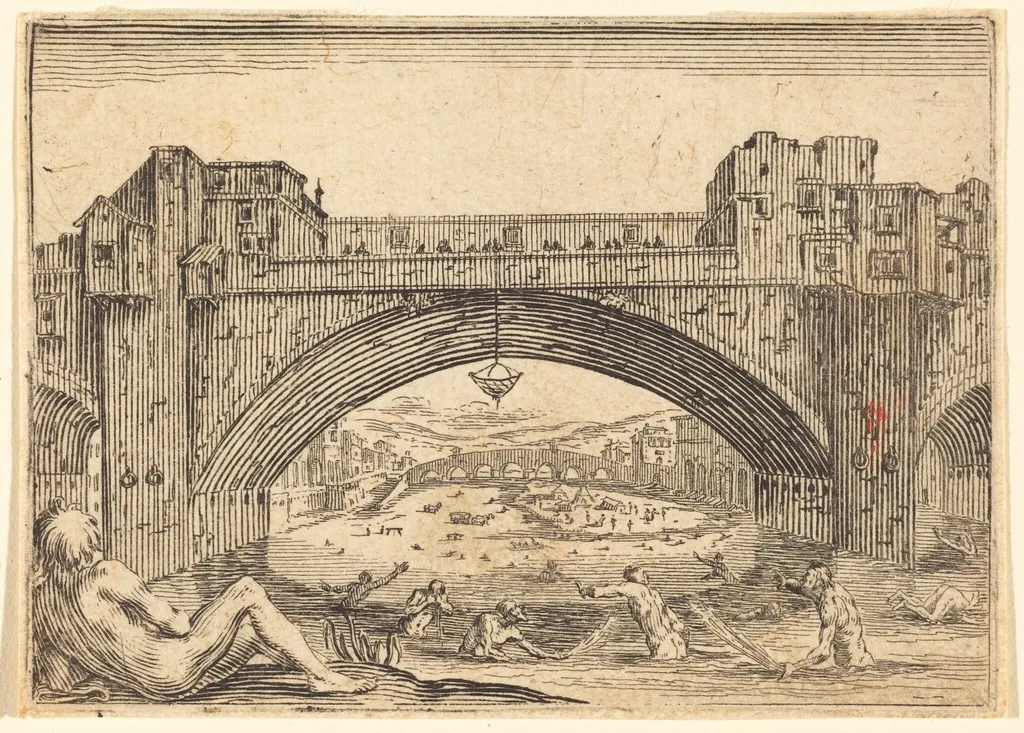
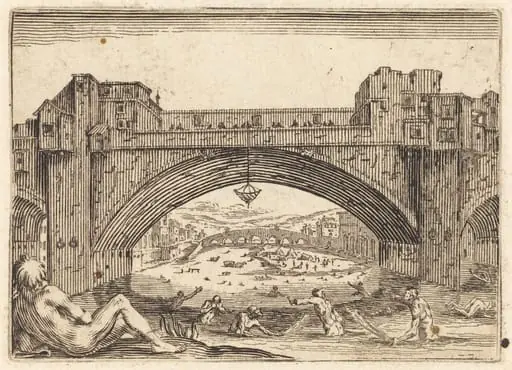
Ponte Vecchio, Florence is an ink print by the Baroque artist Jacques Callot. It dates from 1622 and is held in the collection of the National Gallery of Art.
About this work
Overview
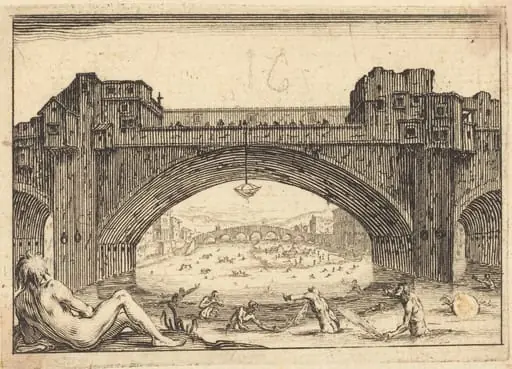
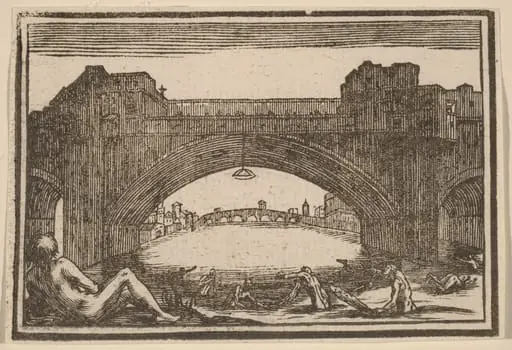
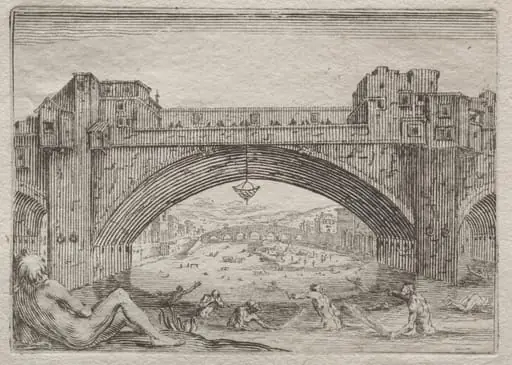
Ponte Vecchio, Florence is an etching on laid paper created by Jacques Callot around 1622. The work captures a snapshot of everyday life in Florence, focusing on the historic Ponte Vecchio bridge.
Subject & Meaning
The etching depicts the Ponte Vecchio in meticulous detail, showcasing its architectural features, adjacent buildings, and the surrounding Florentine landscape, including a bustling riverbank and a city skyline dominated by domes and towers. The scene contrasts a crowded bridge and riverbank with an overall sense of serenity.
Technique & Style
Callot employed fine lines and precise etching techniques to achieve high detail, particularly in rendering the dense crowd, water textures, and architectural elements. This level of intricacy is characteristic of Callot's baroque style.
History & Provenance
Created circa 1622 by Jacques Callot, a prolific French baroque printmaker, this etching is part of his extensive oeuvre of over 1,400 works. The piece reflects Callot's interest in documenting contemporary scenes, though specific provenance details for this work are not provided.
Context
Ponte Vecchio, Florence situates itself within Callot's broader practice of capturing military, religious, and social themes set against detailed backdrops. This work highlights urban life in 17th-century Florence.
Legacy
As part of Callot's vast body of etchings, Ponte Vecchio, Florence contributes to the artist's influence on baroque printmaking. However, its specific impact or notable exhibitions are not detailed in the available information.
Artist & collection
Artist
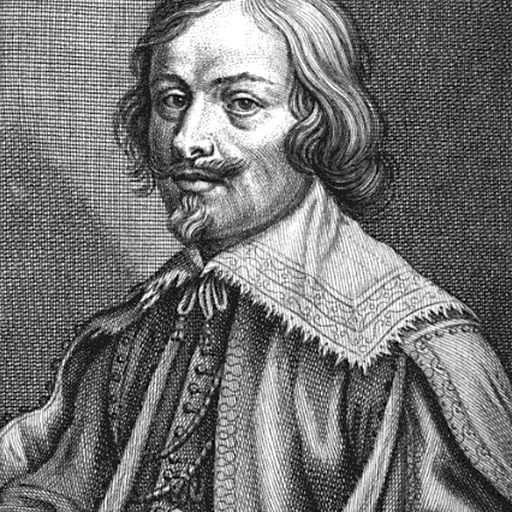
Jacques Callot was a baroque printmaker and draftsman from the Duchy of Lorraine.

 Holy Family at supper
 Restoration of the Aqueduct at Pisa
 Restoration of the Aqueduct at Pisa
 Square in Paris with Many Figures
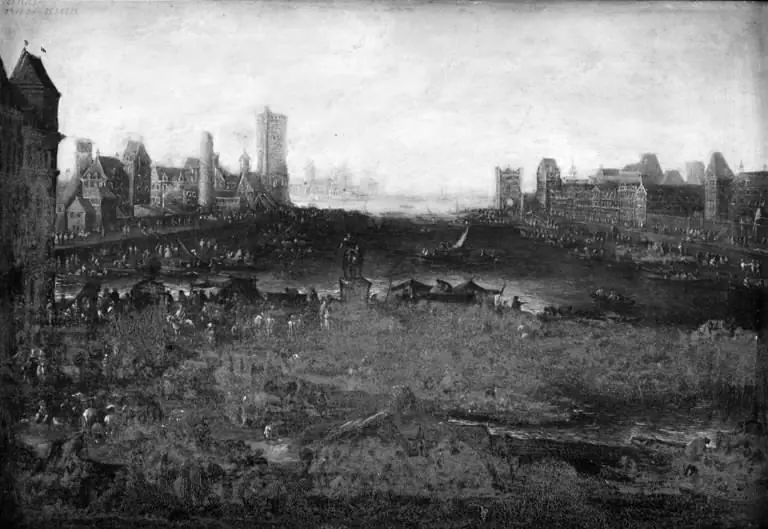 Square in Paris with Many Figures
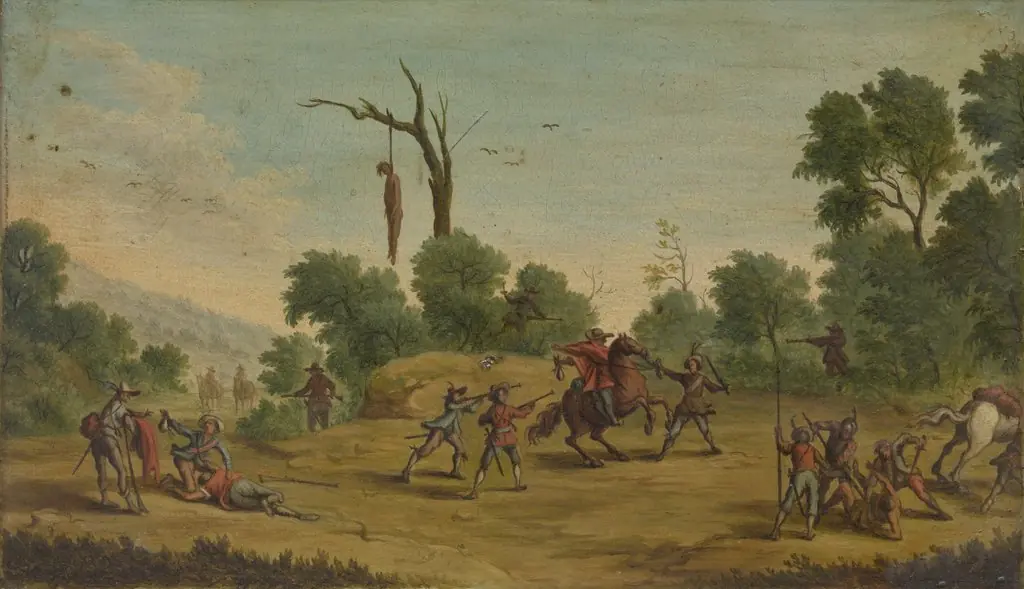 Horsemen Attacked by Robbers
 HOW WILL A COVERED PART BE CORRECTED?HOW WIKA A COVERED HEART DEED CORRECTED?
![Christ Walking on the Water [second plate], by Jacques Callot](https://artifactworldgallery.com/img/jacques-callot--christ-walking-on-the-water-second-plate--2069f3bfe4cb2126-w320.webp) Christ Walking on the Water [second plate]
Christ Walking on the Water [second plate]