Artwork
Saint Matthias
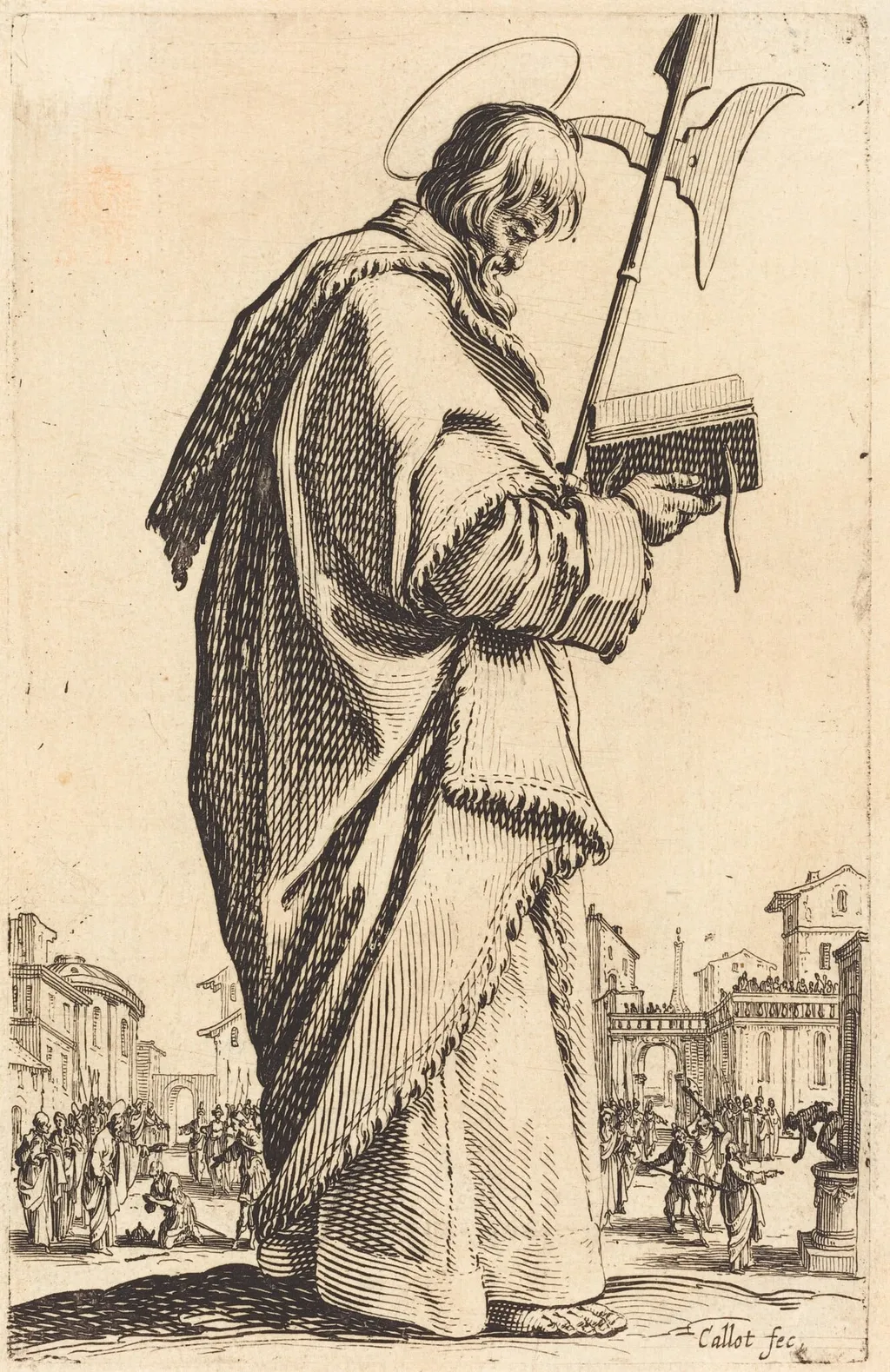
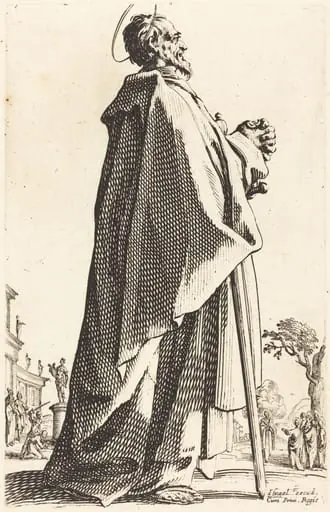
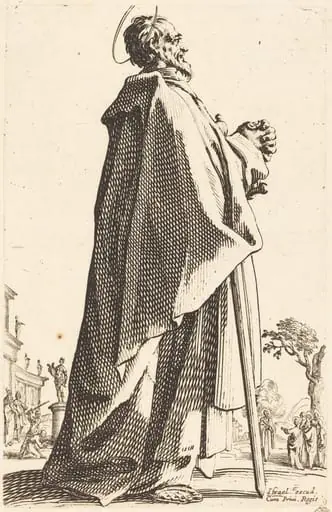
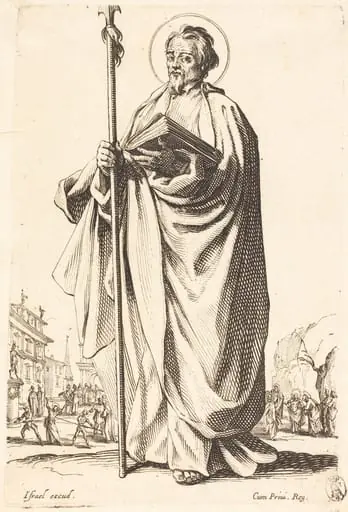
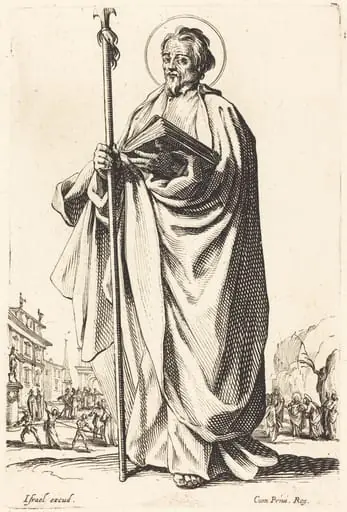
Saint Matthias is an ink print by the Baroque artist Jacques Callot. It dates from 1631 and is held in the collection of the National Gallery of Art.
About this work
Overview
Part of a vast output of over 1,400 prints, this work belongs to his religious series, which often paired biblical figures with vivid urban or rural settings.
Jacques Callot, a printmaker from the Duchy of Lorraine, produced *Saint Matthias* in 1631 as an etching on laid paper. Part of a vast output of over 1,400 prints, this work belongs to his religious series, which often paired biblical figures with vivid urban or rural settings. The piece exemplifies his mastery of etching as a medium for narrative detail and atmospheric depth, distinguishing it from more formal religious imagery of the period.
Subject & Meaning
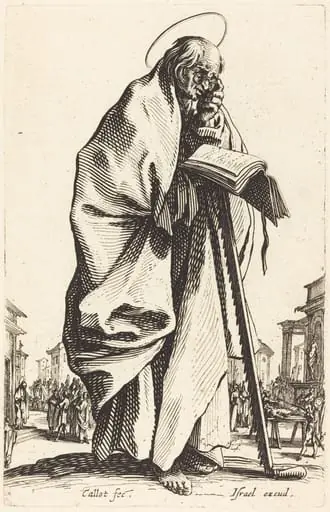
The figure depicts Saint Matthias, the apostle chosen to replace Judas Iscariot, shown holding a staff topped with a blade—likely symbolizing his martyrdom by beheading. His face is indistinct, emphasizing his role as a vessel of divine will rather than individual identity. The crowded street and architectural backdrop suggest a public execution, grounding the sacred event in a tangible, contemporary urban space.
Technique & Style
Callot employed fine etching lines to create dense, textured surfaces, allowing ink to pool in scratched grooves and produce rich contrasts. The rough, energetic strokes convey motion and chaos, particularly in the background crowds and buildings. His use of layered lines and controlled ink pressure enabled intricate detail without relying on engraving tools, a hallmark of his innovative approach to etching in the early 17th century.
History & Provenance
Created during Callot’s mature period in Nancy, the etching was likely made for private collectors or religious patrons interested in devotional imagery. While no early ownership records are widely documented, the work aligns with prints distributed through European print markets of the 1630s. Its survival in multiple institutional collections suggests steady circulation among connoisseurs of Northern printmaking.
Context
In early 17th-century Europe, religious subjects remained central to printmaking despite growing secular interests. Callot’s depictions of saints in everyday settings reflected a trend toward humanizing biblical narratives. His focus on crowd dynamics and architectural detail echoed contemporary Flemish and Dutch prints, while his technical precision set him apart from more schematic contemporaries in France and Italy.
Legacy
Callot’s *Saint Matthias* contributed to the elevation of etching as a serious medium for religious and historical subjects. His ability to merge narrative clarity with atmospheric complexity influenced later printmakers across Europe. Though less celebrated than his war scenes, this work exemplifies his consistent commitment to portraying sacred figures with psychological and spatial realism, shaping the evolution of Baroque print culture.
Artist & collection
Artist
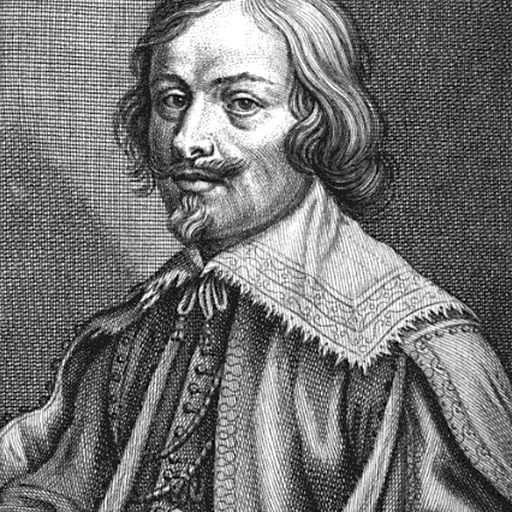
Jacques Callot was a baroque printmaker and draftsman from the Duchy of Lorraine.

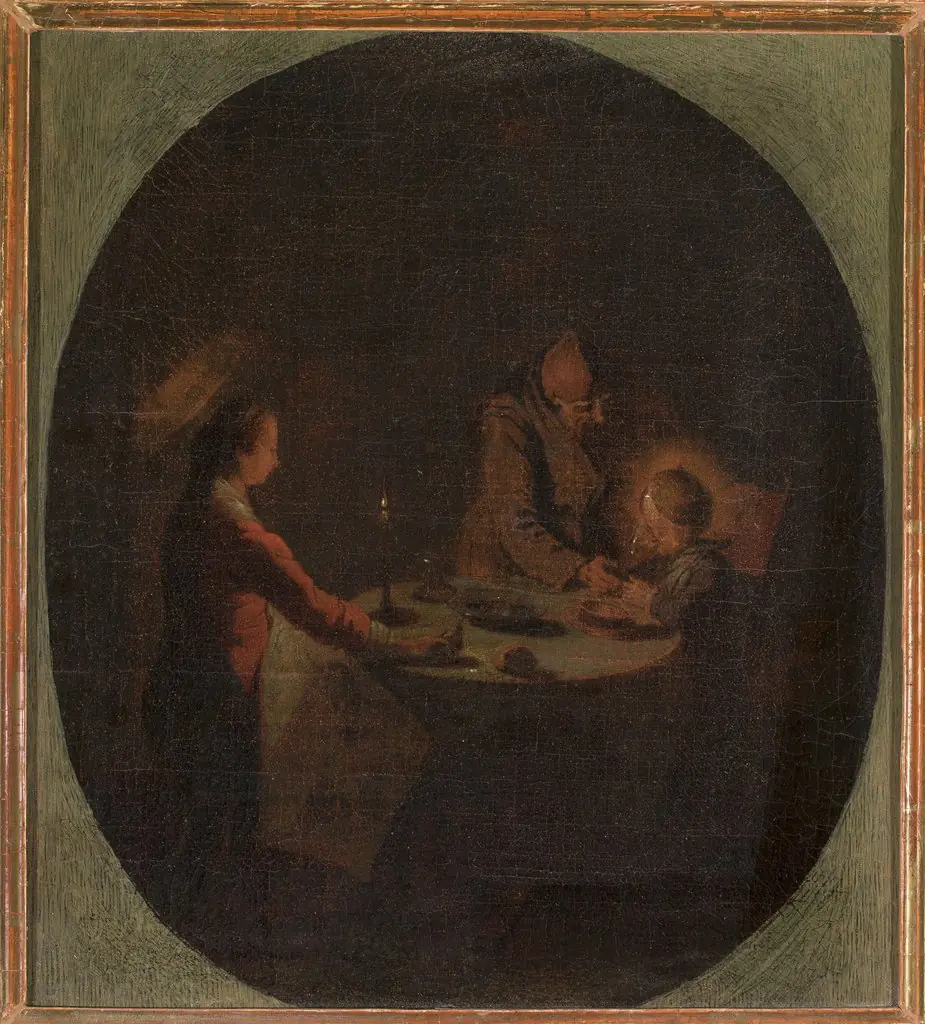 Holy Family at supper
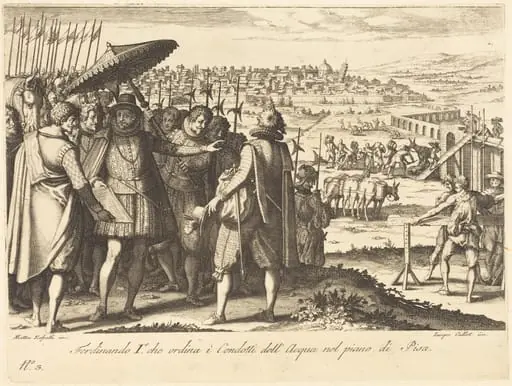 Restoration of the Aqueduct at Pisa
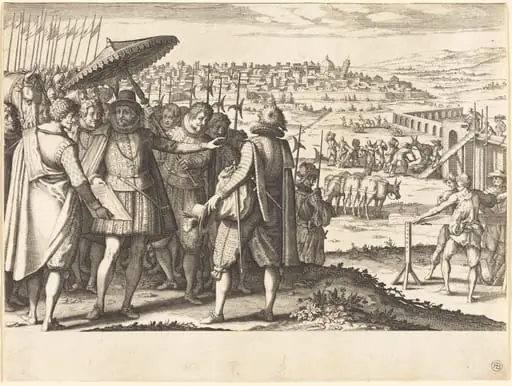 Restoration of the Aqueduct at Pisa
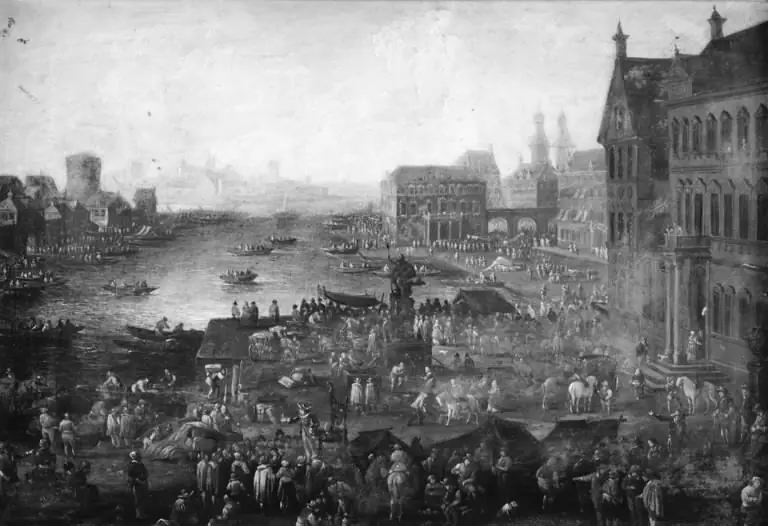 Square in Paris with Many Figures
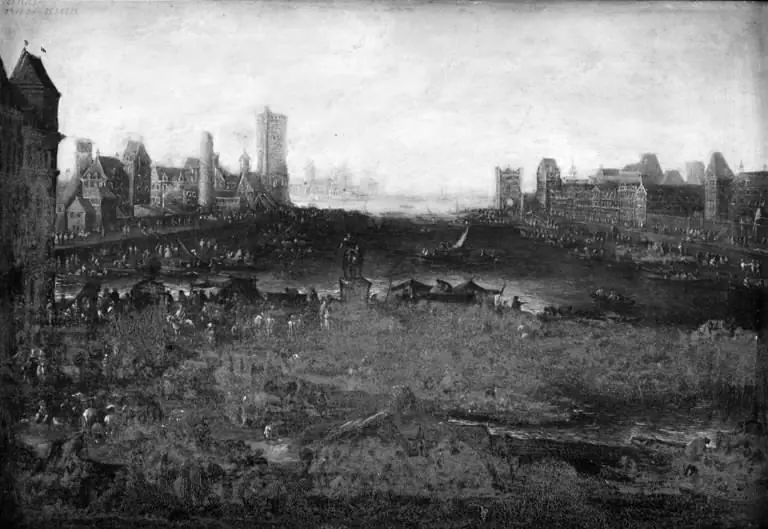 Square in Paris with Many Figures
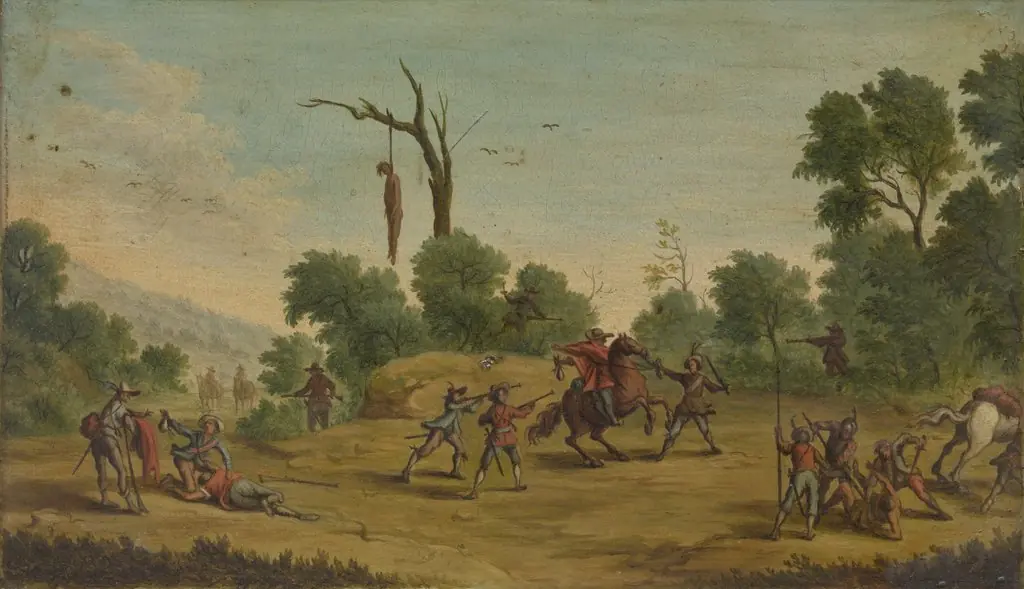 Horsemen Attacked by Robbers
 HOW WILL A COVERED PART BE CORRECTED?HOW WIKA A COVERED HEART DEED CORRECTED?
![Christ Walking on the Water [second plate], by Jacques Callot](https://artifactworldgallery.com/img/jacques-callot--christ-walking-on-the-water-second-plate--2069f3bfe4cb2126-w320.webp) Christ Walking on the Water [second plate]
Christ Walking on the Water [second plate]