Artwork
Sino
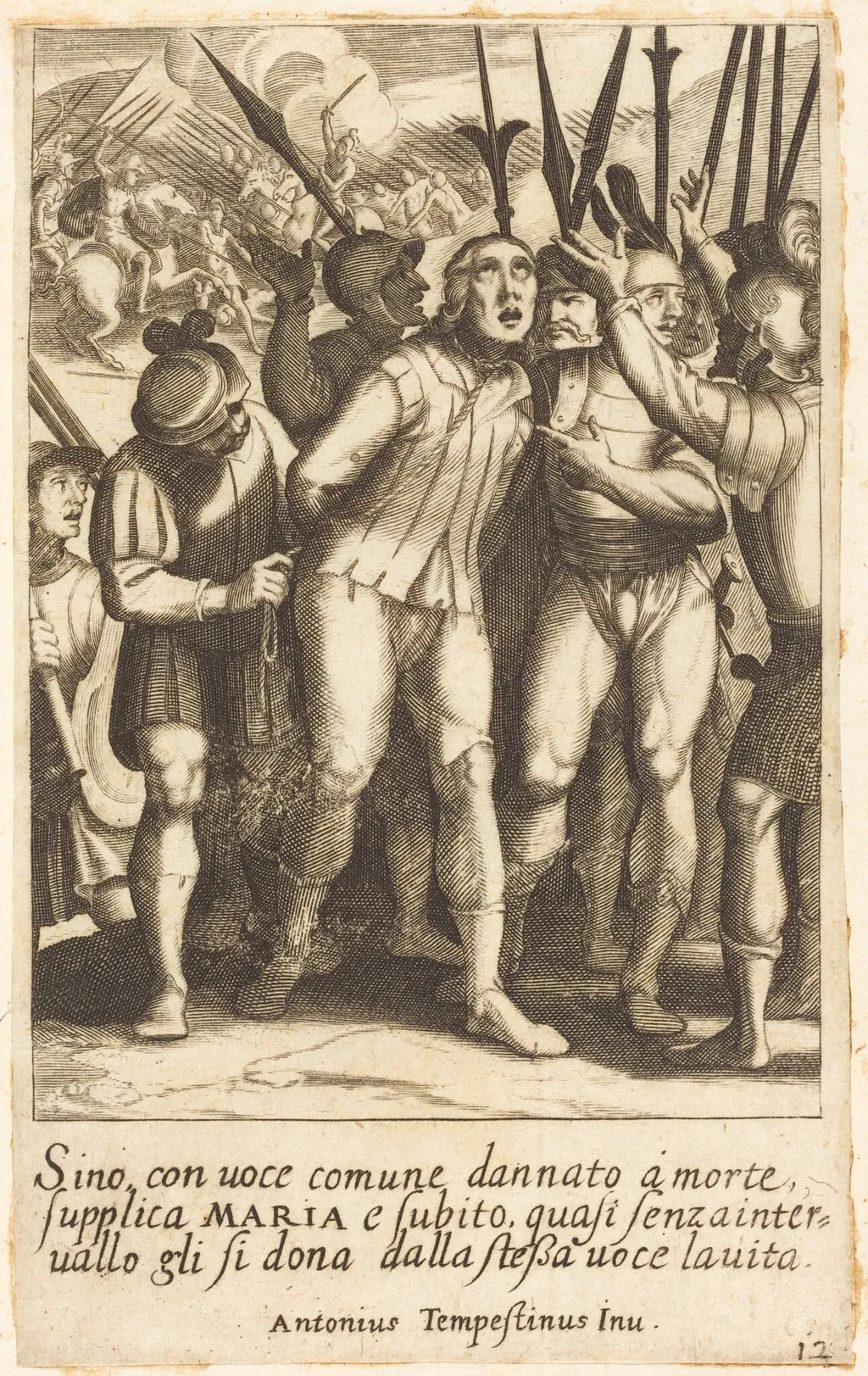
Sino is an ink print by the Baroque artist Jacques Callot. It dates from 1619 and is held in the collection of the National Gallery of Art.
About this work
Overview
This work exemplifies his technical precision and his interest in human behavior under pressure, rendered in monochrome through fine, controlled lines.
Created in 1619 by Jacques Callot, *Sino* is an engraving on laid paper that captures a moment of violent disorder. As a printmaker from the Duchy of Lorraine, Callot specialized in detailed depictions of everyday life, often focusing on military and social chaos. This work exemplifies his technical precision and his interest in human behavior under pressure, rendered in monochrome through fine, controlled lines.
Subject & Meaning
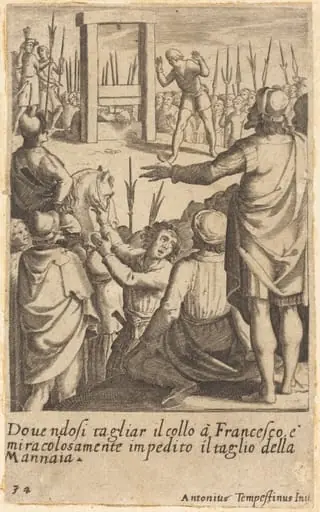
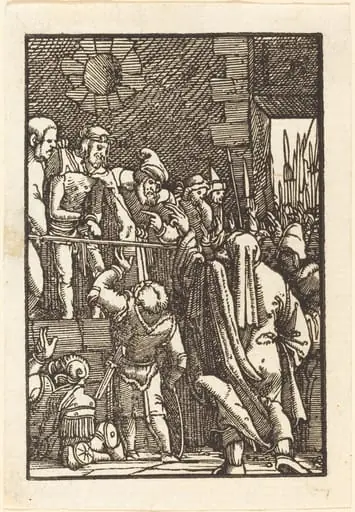
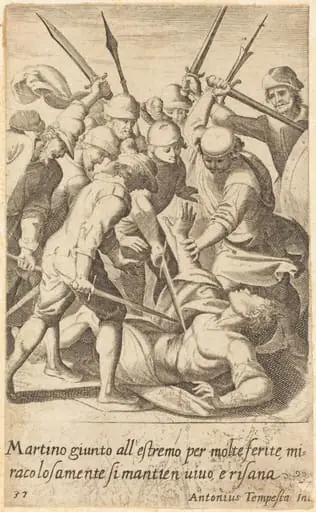
The scene depicts a throng of armed men surrounding a central figure in a loose robe, who is being forcibly dragged forward with his mouth open in protest or cry. Surrounding figures brandish spears and swords, their bodies compressed in a dense, agitated mass. The lack of clear narrative context invites interpretation—perhaps a public punishment, arrest, or mob violence—emphasizing tension over story, and emotion over clarity.
Technique & Style
Callot employed fine-line engraving to build texture, depth, and movement. The crowd is rendered with tightly packed, intersecting strokes that suggest motion and claustrophobia. Shading is achieved through hatching and cross-hatching, not wash or tone, giving the image its stark, graphic intensity. The precision of the lines allows for nuanced expression in faces and postures, despite the scene’s chaos.
History & Provenance
Produced during Callot’s early career in Florence, *Sino* belongs to a series of prints documenting military and civilian unrest in early 17th-century Italy. Though the exact commission or patron is unknown, the work aligns with his broader project of recording social realities. It entered public collections in the 19th century and is now held in major print repositories, valued for its historical and technical significance.
Context
In the early 1600s, Italy was a patchwork of warring states and foreign occupation, with soldiers often turning to plunder and violence. Callot, who traveled with military units, observed these conditions firsthand. His prints, including *Sino*, reflect a growing interest in documenting the human cost of conflict—not as heroic spectacle, but as raw, unvarnished reality.
Legacy
Callot’s technical innovations in engraving influenced generations of printmakers, particularly in his ability to convey complex scenes with clarity and emotional weight. *Sino* stands as an early example of social observation in printmaking, predating later documentary traditions. Its unflinching portrayal of crowd violence contributed to a shift in how artists engaged with contemporary turmoil.
Artist & collection
Artist
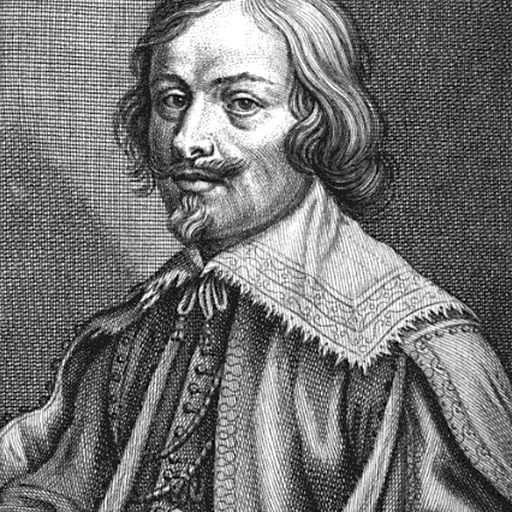
Jacques Callot was a baroque printmaker and draftsman from the Duchy of Lorraine.

 Holy Family at supper
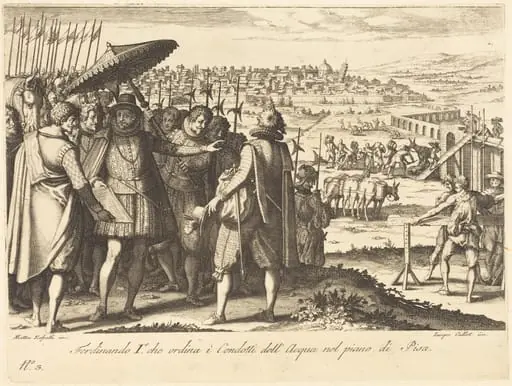 Restoration of the Aqueduct at Pisa
 Restoration of the Aqueduct at Pisa
 Square in Paris with Many Figures
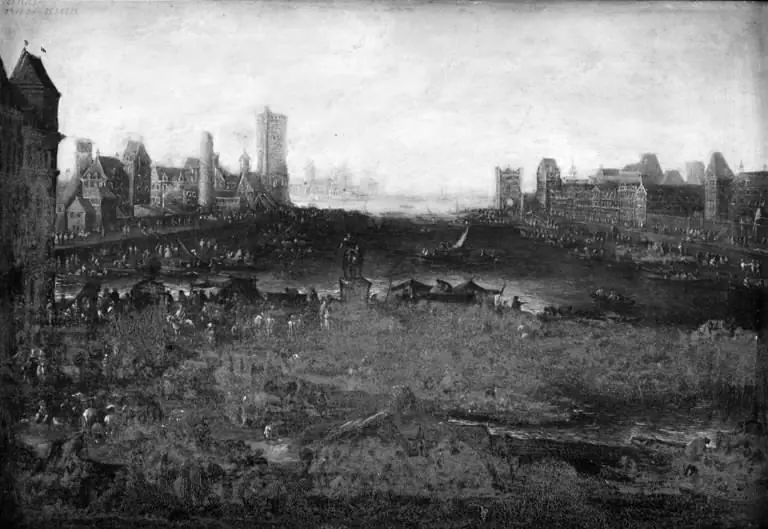 Square in Paris with Many Figures
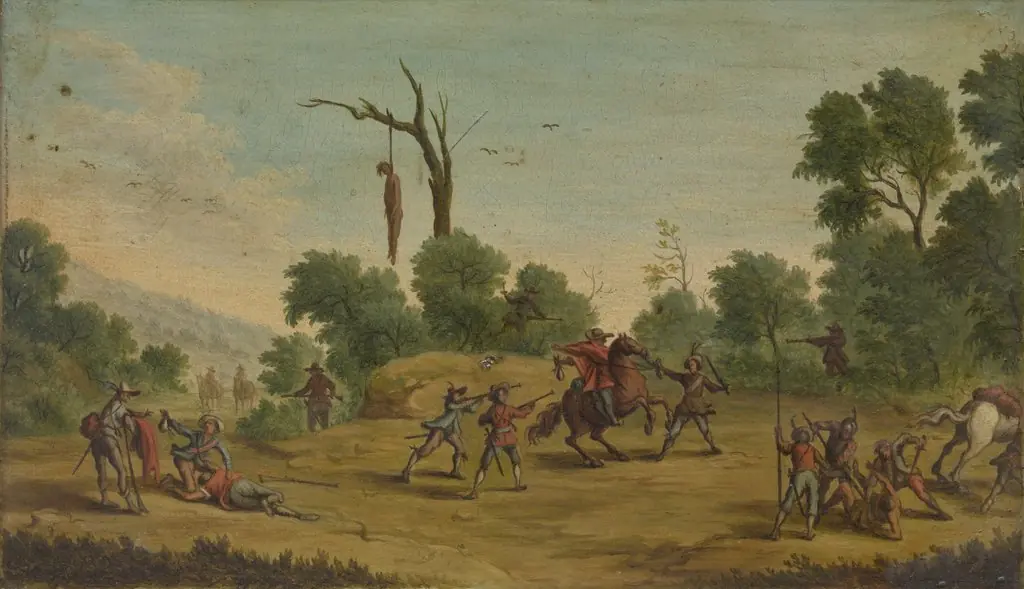 Horsemen Attacked by Robbers
 HOW WILL A COVERED PART BE CORRECTED?HOW WIKA A COVERED HEART DEED CORRECTED?
![Christ Walking on the Water [second plate], by Jacques Callot](https://artifactworldgallery.com/img/jacques-callot--christ-walking-on-the-water-second-plate--2069f3bfe4cb2126-w320.webp) Christ Walking on the Water [second plate]
Christ Walking on the Water [second plate]