Artwork
Spadino
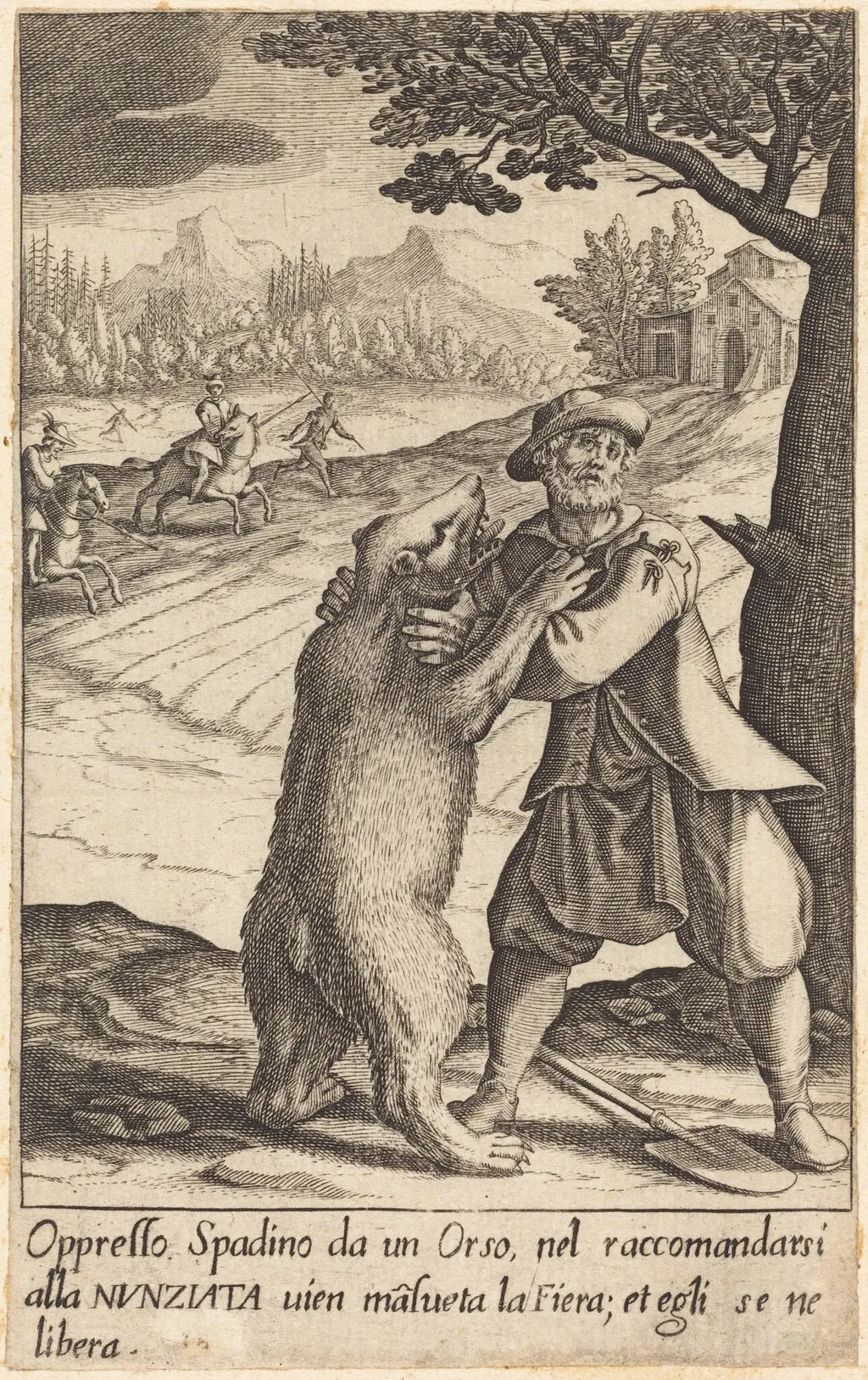
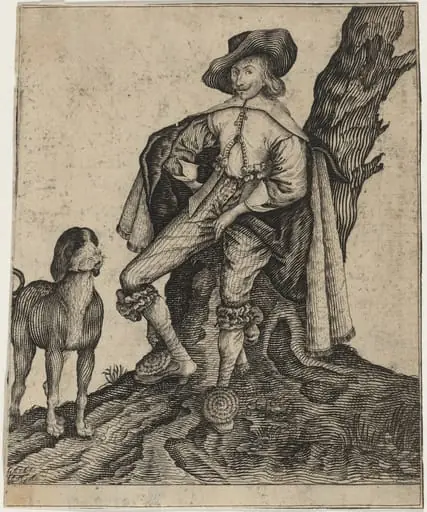
Spadino is an ink print by the Baroque artist Jacques Callot. It dates from 1619 and is held in the collection of the National Gallery of Art.
About this work
Overview
As one of over 1,400 prints he produced, it reflects his interest in everyday life, particularly figures on the margins of society.
Jacques Callot’s 1619 engraving *Spadino* is a small but finely detailed print from the early Baroque era. Executed on laid paper, it exemplifies Callot’s mastery of the etching needle, capturing complex scenes with precision. As one of over 1,400 prints he produced, it reflects his interest in everyday life, particularly figures on the margins of society. The work’s intimate scale and intricate line work distinguish it as a study in human and animal interaction.
Subject & Meaning
The scene depicts a man kneeling, embracing the leg of a standing bear, while a mounted rider and other figures observe from the background. A distant village suggests a rural setting. The image evokes an unusual bond between human and animal, possibly referencing a traveling performer or a local legend. Italian text beneath implies a narrative of coexistence or survival, framing the bear not as a threat but as a companion, challenging conventional perceptions of wildness.
Technique & Style
Callot employed fine, controlled etching lines to model form and texture, using cross-hatching and varying line density to create depth and shadow. The bear’s fur, the man’s tattered clothing, and the landscape are rendered with meticulous attention to surface detail. His use of the needle allowed for greater precision than earlier methods, enabling subtle gradations of tone. The composition balances foreground intimacy with a receding background, guiding the viewer’s eye through layered spatial planes.
History & Provenance
Created in 1619 during Callot’s time in Florence, the print likely circulated among collectors and artists familiar with Northern European print traditions. Though no early ownership records are documented, its survival in multiple institutional collections suggests early recognition of its technical merit. Callot’s prints were widely disseminated across Europe, influencing later generations of draftsmen and printmakers who valued his ability to capture fleeting moments of ordinary life.
Context
In early 17th-century Italy, traveling entertainers, animal handlers, and itinerant performers were common sights, often viewed with a mix of curiosity and suspicion. Callot, influenced by Flemish genre scenes and Italian realism, turned his lens toward these figures, documenting their lives without overt moralizing. *Spadino* fits within a broader trend of printmakers using small-scale works to explore social observation, distinct from grand historical or religious themes.
Legacy
Callot’s detailed engravings, including *Spadino*, helped elevate printmaking as a medium for serious artistic expression. His technical innovations in etching influenced artists across Europe, from Rembrandt to later 18th-century satirists. While not widely exhibited as a standalone work today, *Spadino* remains a representative example of how printmakers captured the textures of daily life with nuance and quiet humanity, preserving moments otherwise lost to history.
Artist & collection
Artist
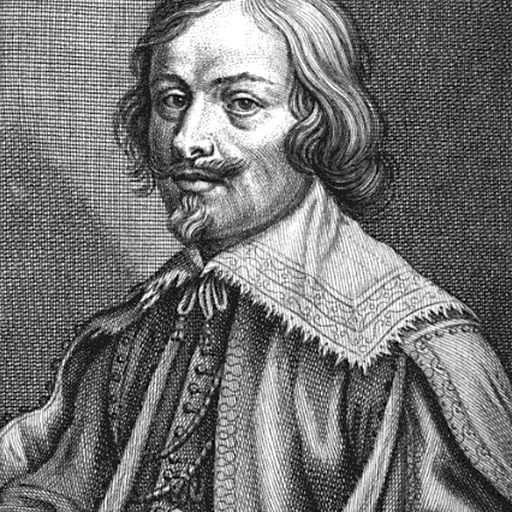
Jacques Callot was a baroque printmaker and draftsman from the Duchy of Lorraine.

 Holy Family at supper
 Restoration of the Aqueduct at Pisa
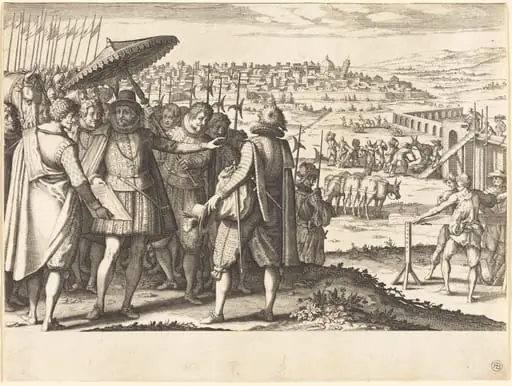 Restoration of the Aqueduct at Pisa
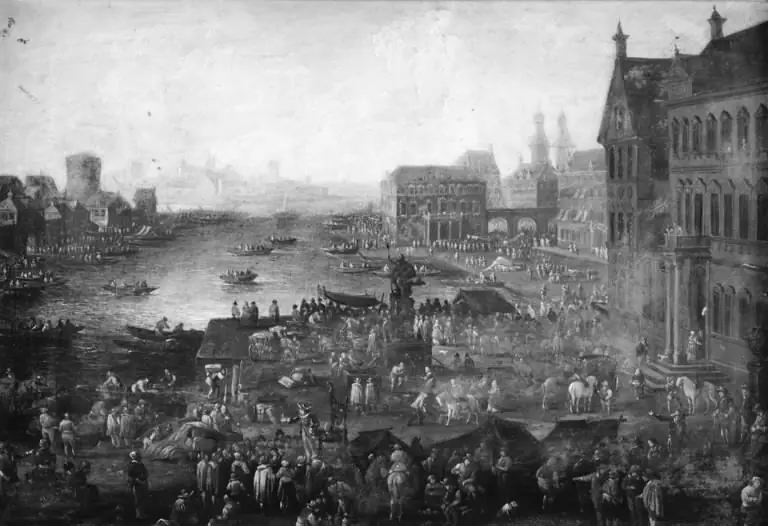 Square in Paris with Many Figures
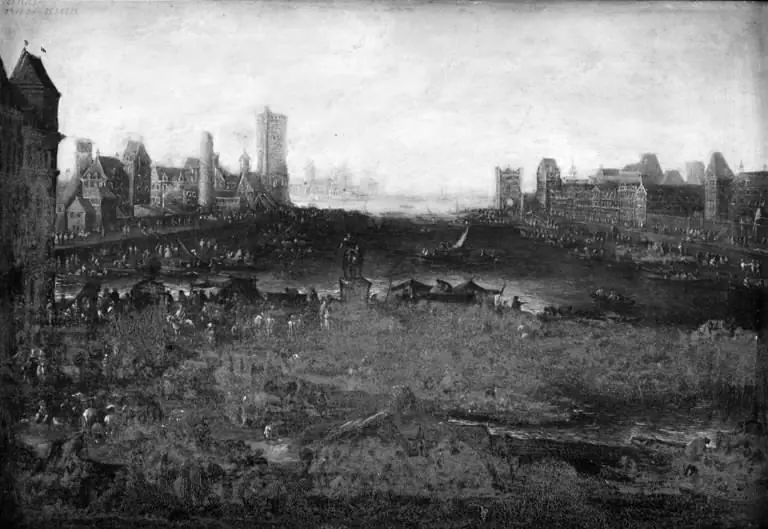 Square in Paris with Many Figures
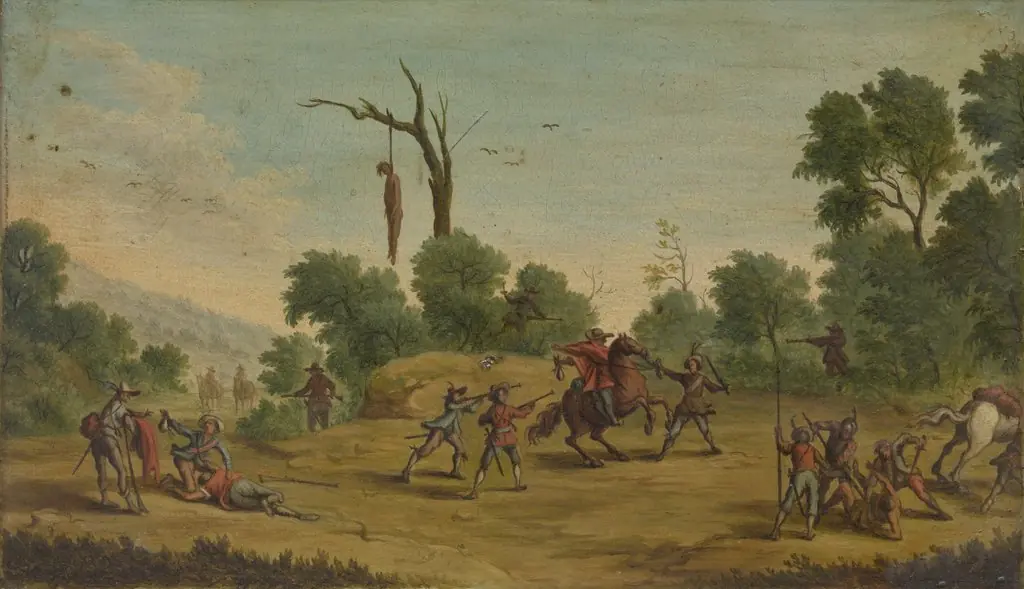 Horsemen Attacked by Robbers
 HOW WILL A COVERED PART BE CORRECTED?HOW WIKA A COVERED HEART DEED CORRECTED?
![Christ Walking on the Water [second plate], by Jacques Callot](https://artifactworldgallery.com/img/jacques-callot--christ-walking-on-the-water-second-plate--2069f3bfe4cb2126-w320.webp) Christ Walking on the Water [second plate]
Christ Walking on the Water [second plate]
 Bear Hunt
 A Bear Hunt
 The Prodigal Son
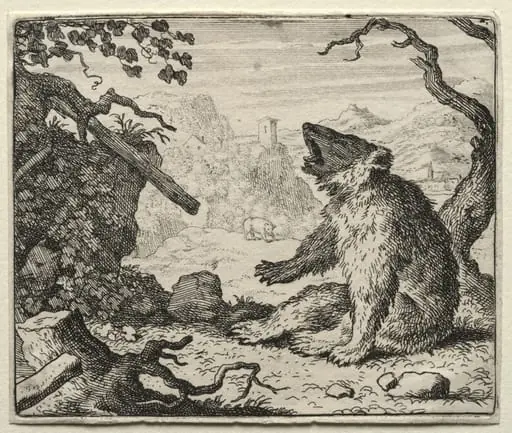 Reynard the Fox: The Bear Calls Reynard to Court
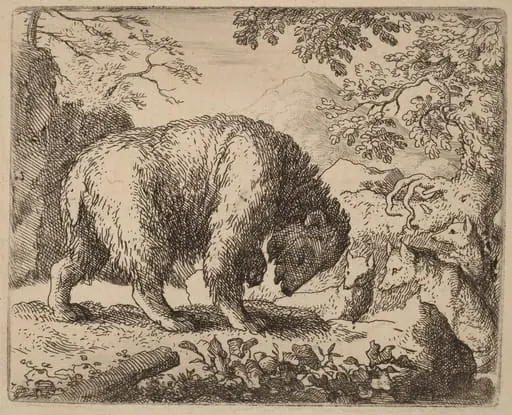 The Bear Distracted with Talk of Honey
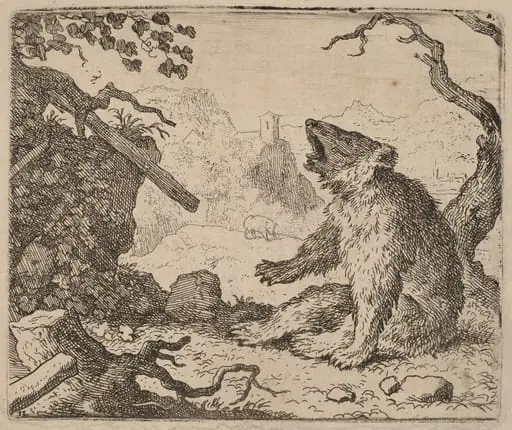 The Bear Sent as Messenger
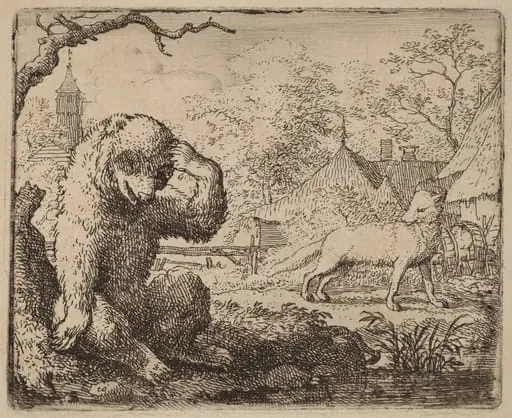 Reynard Mocks the Woeful Bear
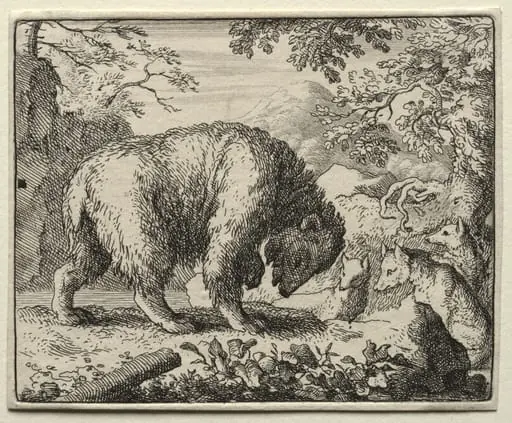 Reynard the Fox: Reynard Promises Honey to the Bear
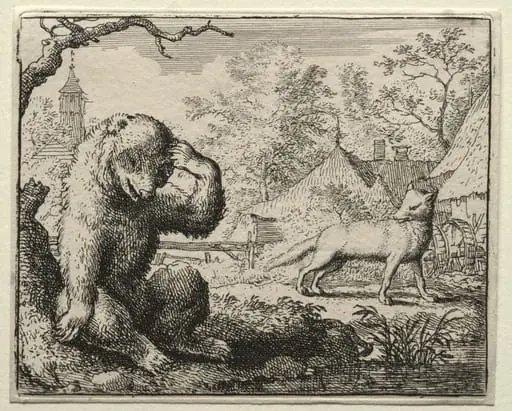 Reynard the Fox: Reynard Chides the Injured Bear
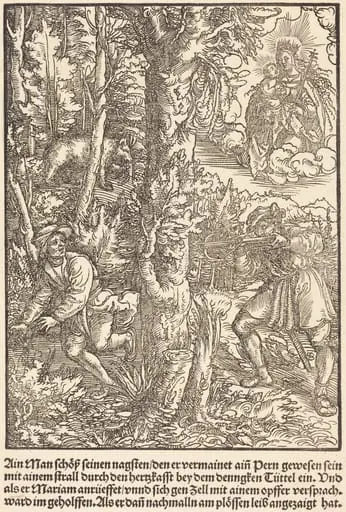 Ain Man Schoss seinen nagsten ...
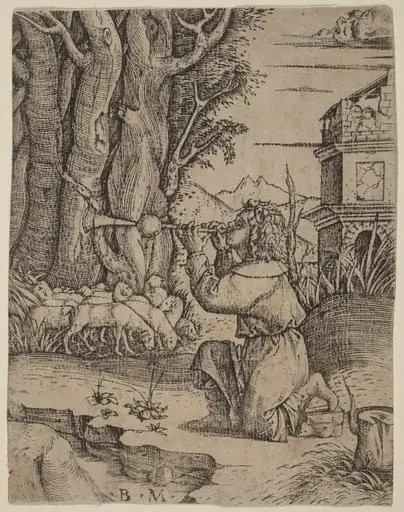 Shepherd with a Platerspiel
 Man With a Dog