Artwork
Reynard Mocks the Woeful Bear
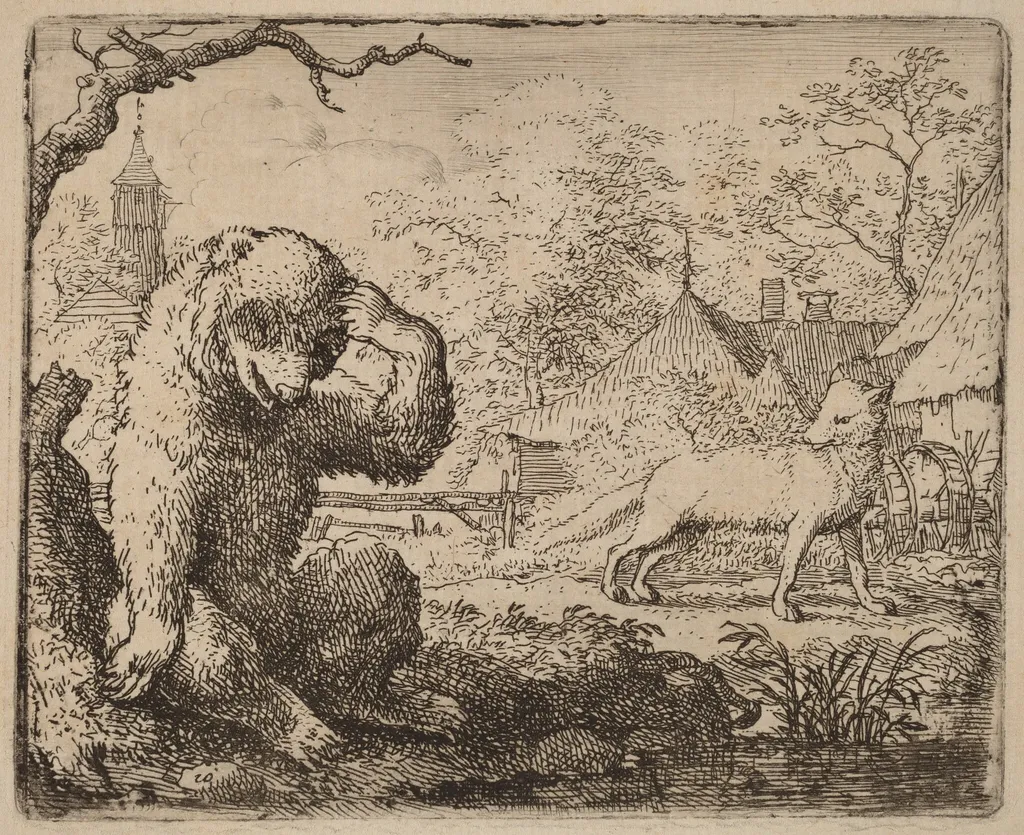
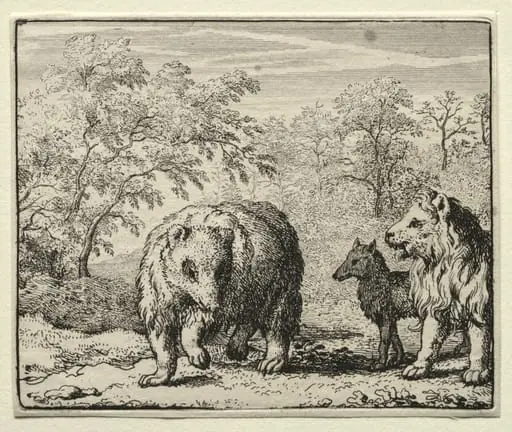
Reynard Mocks the Woeful Bear is an ink print by the Baroque artist Allart van Everdingen. It dates from 1650 and is held in the collection of the National Gallery of Art.
About this work
Overview
Reynard Mocks the Woeful Bear is an etching created by Dutch Golden Age artist Allart van Everdingen around 1650. This print exemplifies the narrative and satirical themes prevalent in Dutch graphic media during this period.
Subject & Meaning
The etching depicts a distressed bear sitting in the foreground with its head in its paws, while a nonchalant fox walks away in the background. This contrast highlights the fox's mockery of the bear's sorrow, as suggested by the title. The scene may allude to the moral fable traditions, where Reynard the Fox is often portrayed as a cunning trickster.
Technique & Style
Van Everdingen employed detailed etching techniques to achieve intricate lines and textures, lending depth and dimensionality to the scene. The use of shading and contrast enhances the dramatic and tense mood, aligning with the characteristics of the Baroque style.
History & Provenance
Created circa 1650, this etching reflects Van Everdingen's active engagement with printmaking during the Dutch Golden Age. Specific provenance details are not provided in the available information.
Context
This work is situated within the broader context of 17th-century Dutch printmaking, where artists frequently explored narrative and satirical subjects. The piece also relates to European folklore traditions, particularly those featuring Reynard the Fox.
Legacy
While specific legacy details of *Reynard Mocks the Woeful Bear* are not provided, it contributes to the understanding of Van Everdingen's contribution to Dutch Golden Age printmaking and the enduring appeal of satirical narrative prints from this era.
Artist & collection
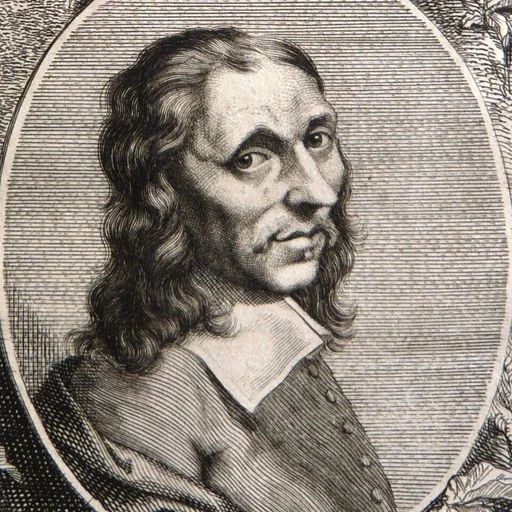
Artist
Allaert van Everdingen (Dutch pronunciation: ; bapt. 18 June 1621 – 8 November 1675 (buried)), was a Dutch Golden Age painter and printmaker in etching and mezzotint.

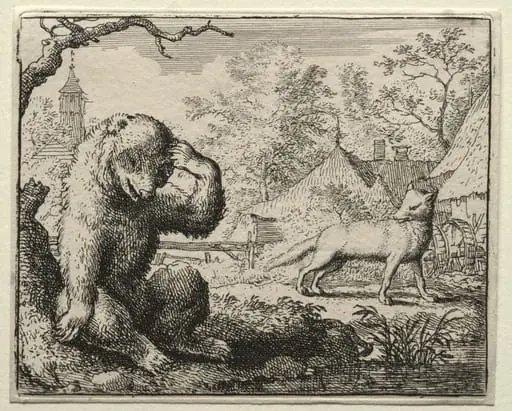 Reynard the Fox: Reynard Chides the Injured Bear
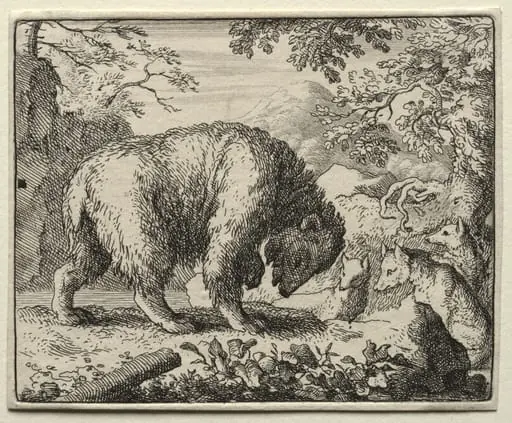 Reynard the Fox: Reynard Promises Honey to the Bear
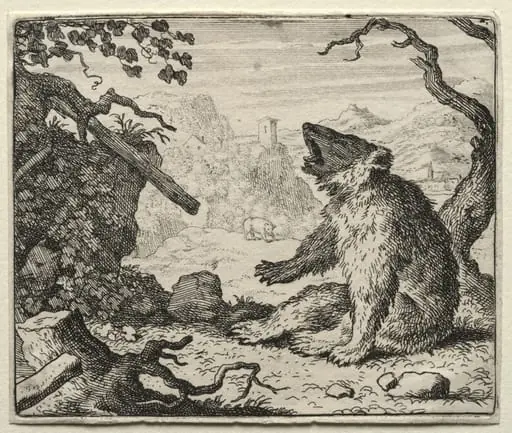 Reynard the Fox: The Bear Calls Reynard to Court
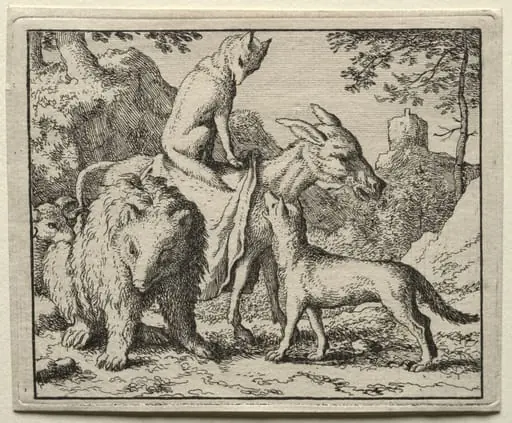 Reynard the Fox
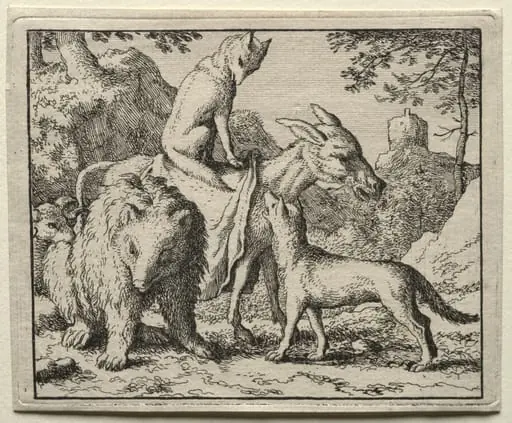 Reynard the Fox: Reynard and his Companions
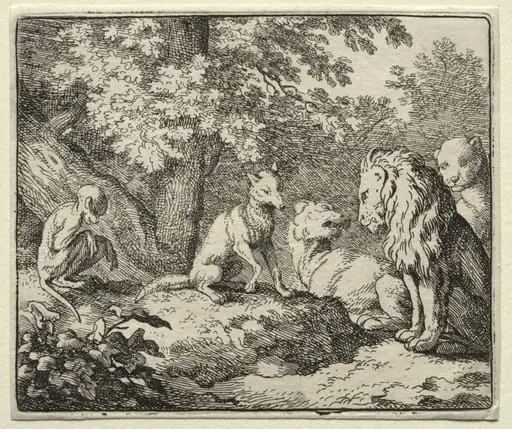 Reynard the Fox: Further False Testimony from Reynard
 Reynard the Fox: The Freeing of the Wolf and the Bear