Artwork
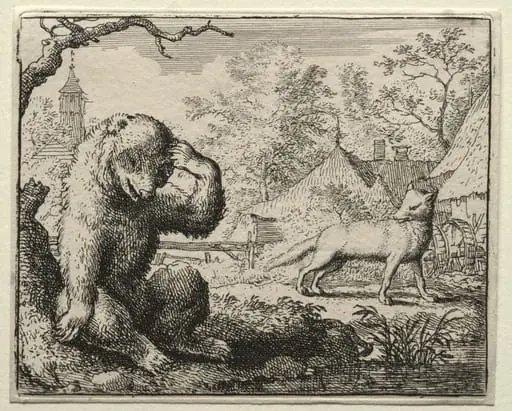
Reynard the Fox: Reynard Promises Honey to the Bear
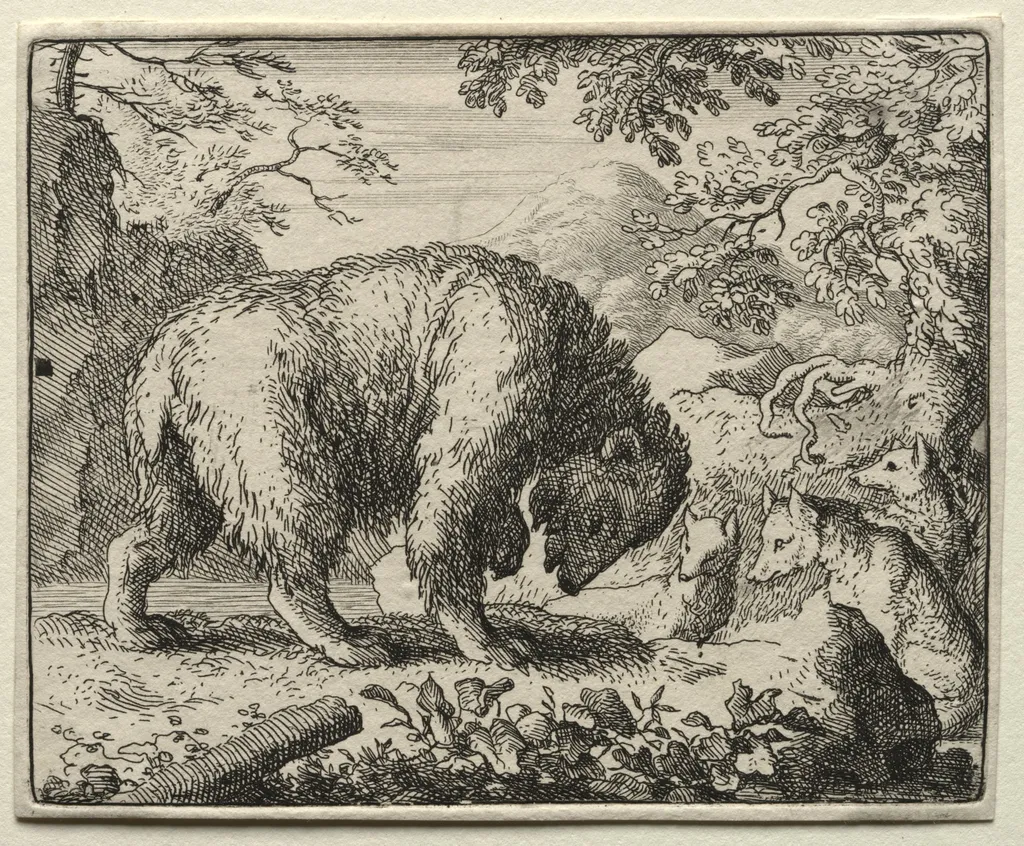
Reynard the Fox: Reynard Promises Honey to the Bear is a print by the Baroque artist Allart van Everdingen. It dates from 1662 and is held in the collection of the Cleveland Museum of Art.
About this work
This painting shows a fox and a bear in a forest.
The fox is promising honey to the bear. This scene is from a medieval story about a clever fox.
The story was popular in Europe, and artists liked to depict its characters.
You can learn more about this style by looking at the work of artist: Allart van Everdingen (Dutch, 1621–1675)
Overview
Reynard the Fox: Reynard Promises Honey to the Bear is a 1662 etching by Dutch Golden Age artist Allart van Everdingen, part of a series based on medieval fables of Reynard the Fox, a popular European art subject.
Subject & Meaning
The etching depicts a pivotal moment from the fable where the cunning fox, Reynard, deceives a bear with a false promise of honey, illustrating a recurring satirical theme of deception.
Technique & Style
Created using etching, a technique characteristic of van Everdingen's practice, the work showcases his skill in capturing narrative scenes with precision and detail.
History & Provenance
The piece is part of The Cleveland Museum of Art's collection, highlighting its preservation and accessibility for study and appreciation.
Context
Part of a broader European artistic trend, the work reflects the popularity of Reynard the Fox fables as a subject for satirical storytelling in 17th-century art.
Own this work as a print
Artist & collection
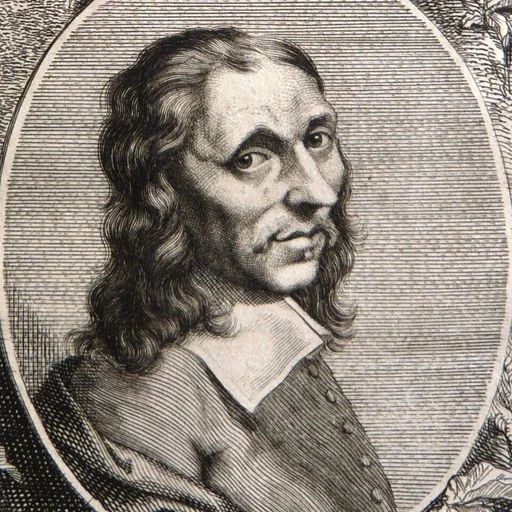
Artist
Allaert van Everdingen (Dutch pronunciation: ; bapt. 18 June 1621 – 8 November 1675 (buried)), was a Dutch Golden Age painter and printmaker in etching and mezzotint.

 Reynard the Fox: Reynard Chides the Injured Bear
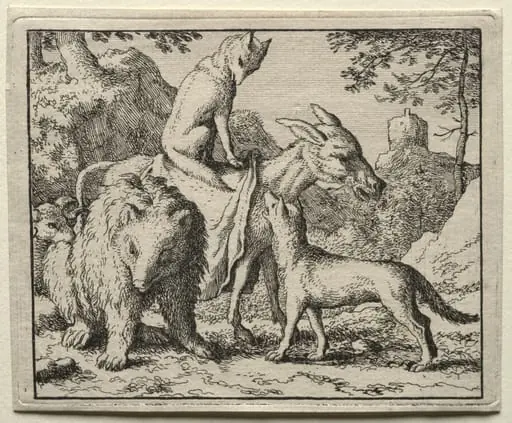 Reynard the Fox: Reynard and his Companions
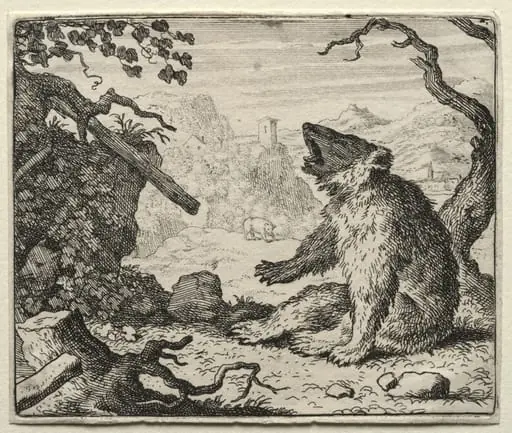 Reynard the Fox: The Bear Calls Reynard to Court
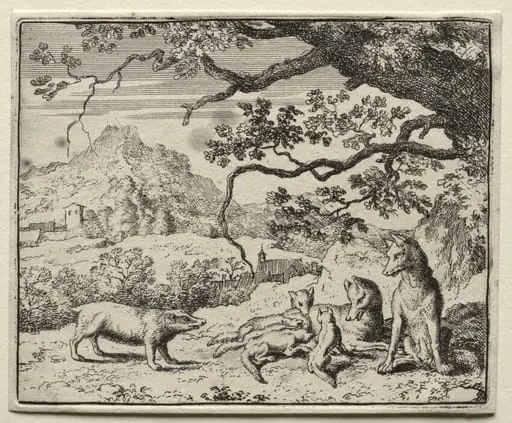 Reynard the Fox: The Badger Calls Reynard to Court
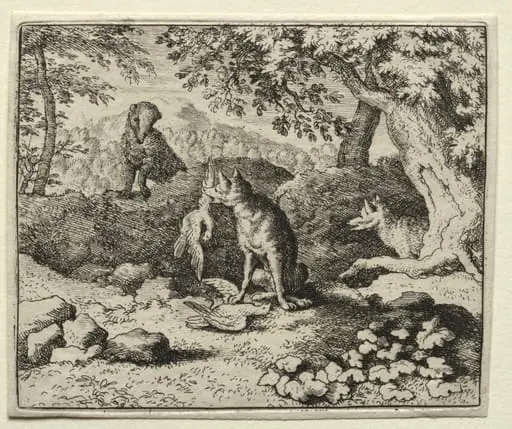 Reynard the Fox: Badger Comes to Warn Reynard
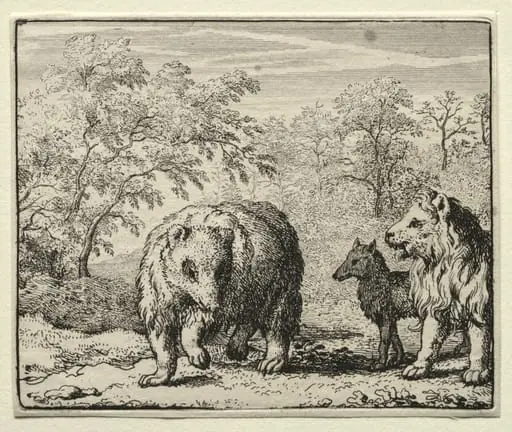 Reynard the Fox: The Freeing of the Wolf and the Bear
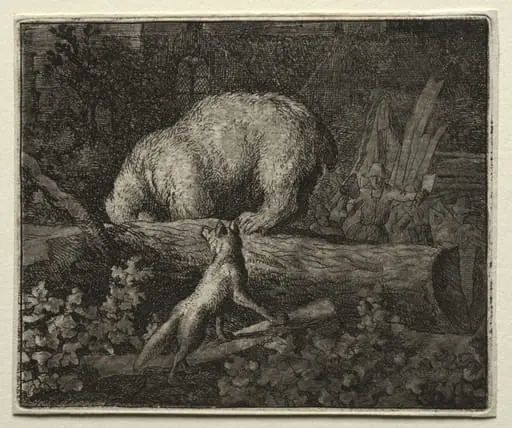 Reynard the Fox: Trapping the Bear
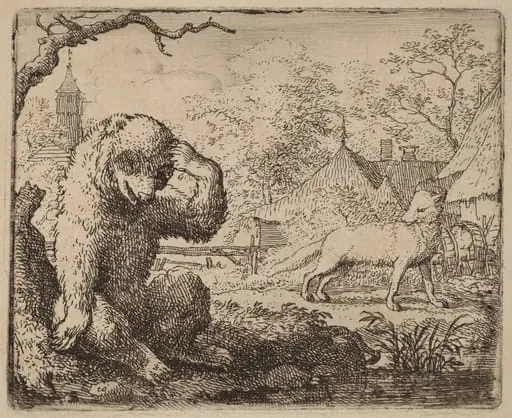 Reynard Mocks the Woeful Bear
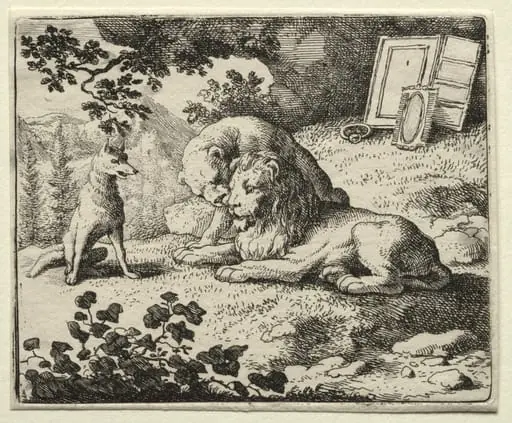 Reynard the Fox: Reynard Promises Gifts to the Lion