Artwork
St. Thecla; St. Linus; Sts. Andochius and Thyrsus; St. Cleophas
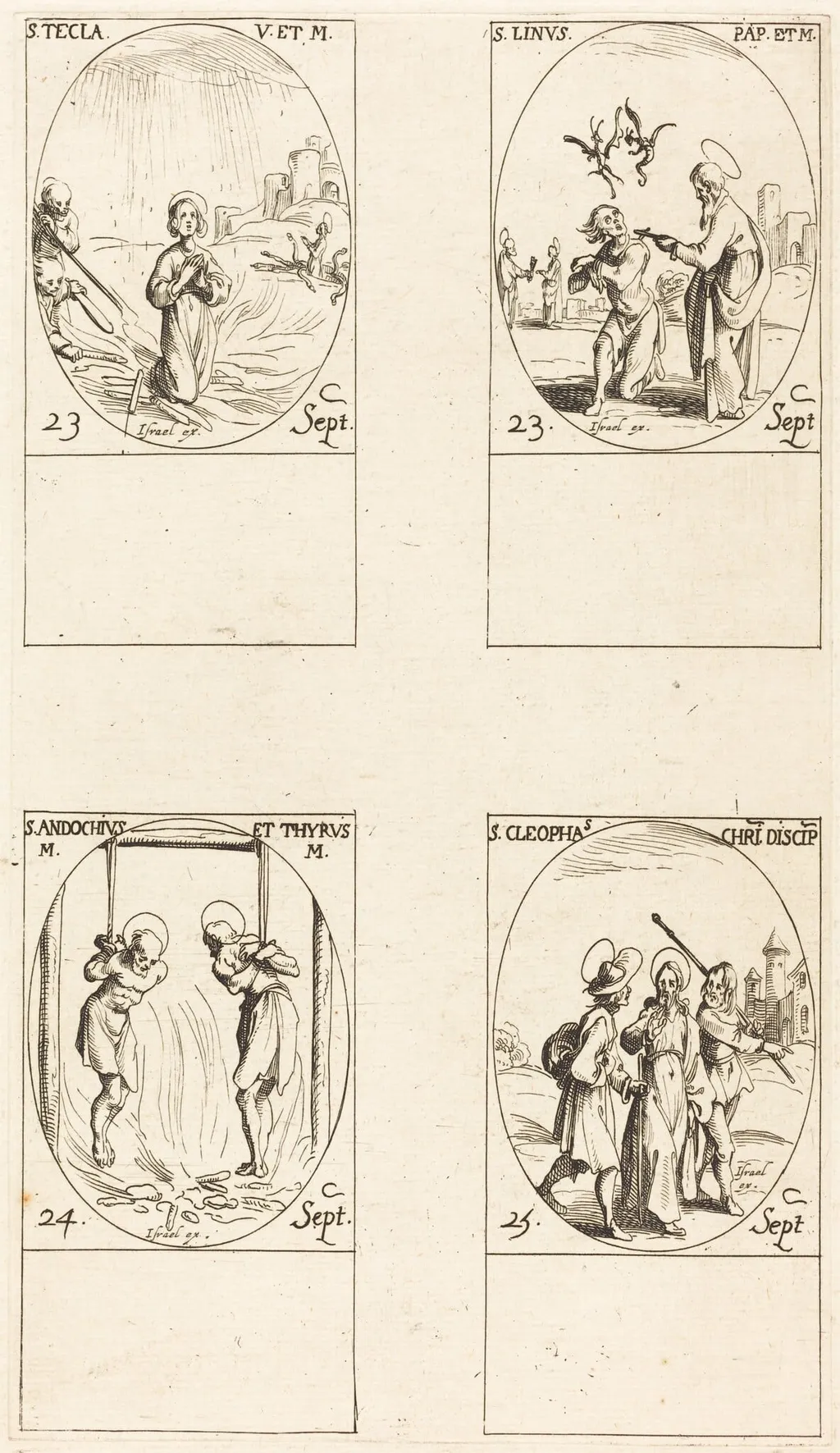
St. Thecla; St. Linus; Sts. Andochius and Thyrsus; St. Cleophas is an ink print by the Baroque artist Jacques Callot. It dates from 1634 and is held in the collection of the National Gallery of Art.
About this work
Overview
Around 1634, French printmaker Jacques Callot produced a set of four etchings on laid paper, each portraying a different saint within a circular border.
Around 1634, French printmaker Jacques Callot produced a set of four etchings on laid paper, each portraying a different saint within a circular border. The works are grouped together as a single composition, presenting St. Thecla, St. Linus, Sts. Andochius and Thyrsus, and St. Cleophas. They exemplify Callot’s prolific output of religious imagery alongside his more extensive series of military and court scenes.
Subject & Meaning
Each vignette isolates a holy figure in a devotional pose: Thecla kneels in a pastoral landscape, Linus stands before an urban skyline, Andochius and Thyrsus appear as a pair holding a staff, and Cleophas is shown with a companion and a book. The individual settings and attributes identify the saints and suggest their respective narratives or roles within early Christian tradition.
Technique & Style
The images are executed in fine etching, a process Callot mastered to render intricate line work and delicate shading. Laid paper provides a textured surface that accentuates the crisp contours of the figures and the surrounding architecture. Circular frames unify the four scenes, while variations in composition and background detail demonstrate Callot’s capacity to adapt his style to distinct subjects within a single series.
History & Provenance
Created during Callot’s mature period in Lorraine, the set reflects his sustained interest in religious commissions. Though originally produced as separate prints, they have often been displayed together as a cohesive group, underscoring the artist’s systematic approach to saintly portraiture. The works have circulated among collectors of Baroque prints and are now held in several museum collections.
Context
Callot’s religious prints were part of a broader 17th‑century market for devotional images, which catered to both private worship and public display. His ability to combine narrative detail with precise line work placed him alongside contemporaries who sought to bring the drama of the Baroque to the printed page, while still maintaining the clarity needed for small‑scale works.
Artist & collection
Artist
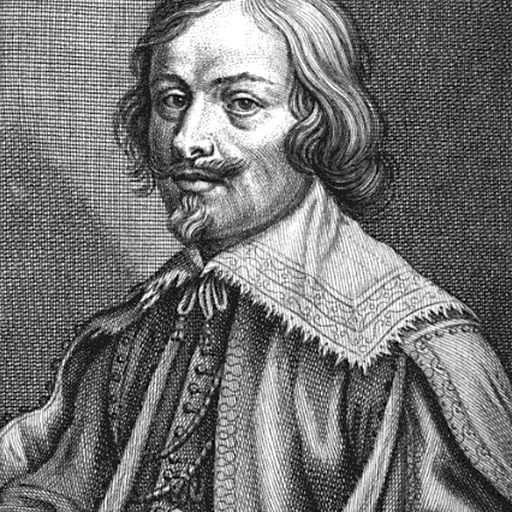
Jacques Callot was a baroque printmaker and draftsman from the Duchy of Lorraine.

 Holy Family at supper
 Restoration of the Aqueduct at Pisa
 Restoration of the Aqueduct at Pisa
 Square in Paris with Many Figures
 Square in Paris with Many Figures
 Horsemen Attacked by Robbers
 HOW WILL A COVERED PART BE CORRECTED?HOW WIKA A COVERED HEART DEED CORRECTED?
![Christ Walking on the Water [second plate], by Jacques Callot](https://artifactworldgallery.com/img/jacques-callot--christ-walking-on-the-water-second-plate--2069f3bfe4cb2126-w320.webp) Christ Walking on the Water [second plate]
Christ Walking on the Water [second plate]
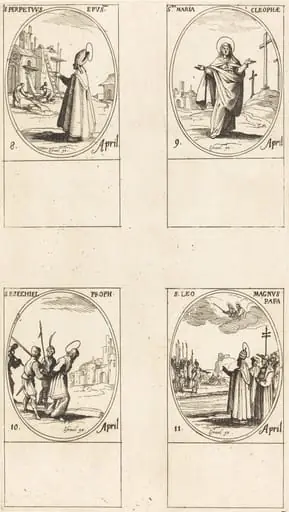 St. Perpetuus; St. Mary of Cleophas; St. Ezechiel; St. Leo the Great
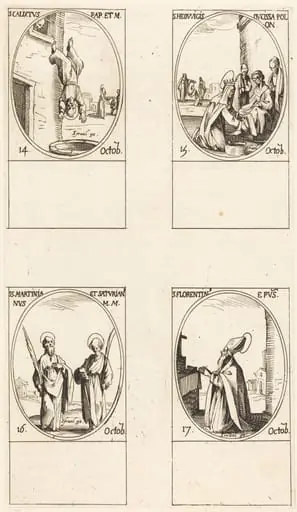 St. Calixtus; St. Hedwiges; Sts. Martinian and Saturian; St. Florentinus
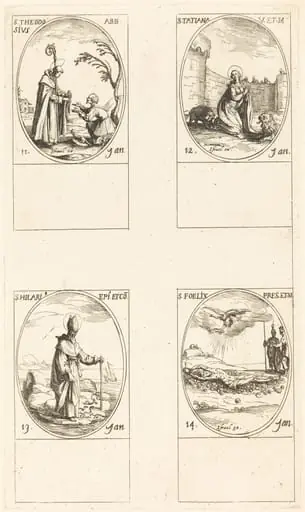 St. Theodosius; St. Tatiana; St. Hilary; St. Felix
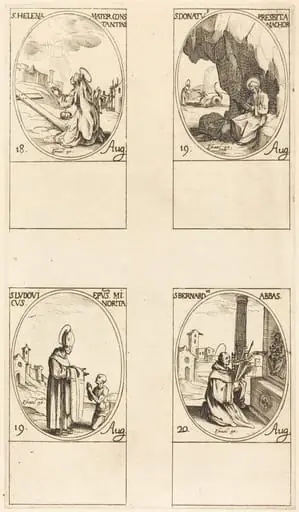 St. Helen; St. Donatus; St. Ludovicus, Bishop; St. Bernard
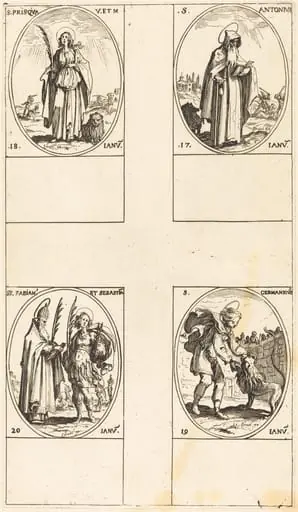 St. Anthony; St. Prisca; St. Germanicus; Sts. Fabian and Sebastian
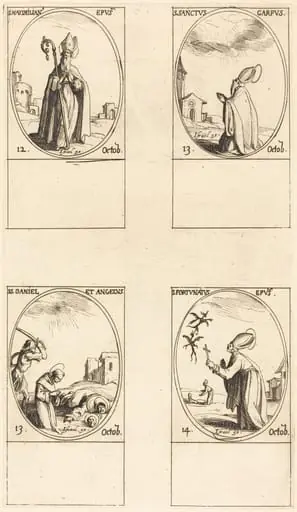 St. Maximilian; St. Carpus; St. Daniel and Angelus; St. Fortunatus
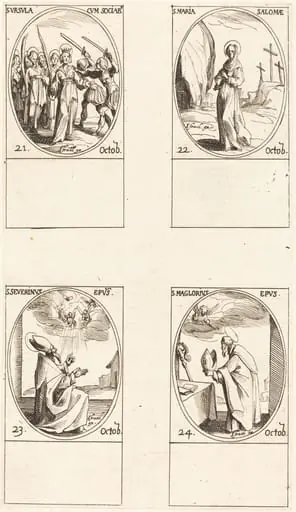 St. Ursula and Companions; St. Mary Salome; St. Severinus; St. Maglorius
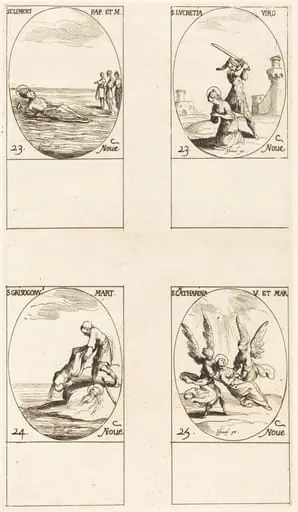 St. Clement; St. Lucretia; St. Chrysogonus; St. Catharine
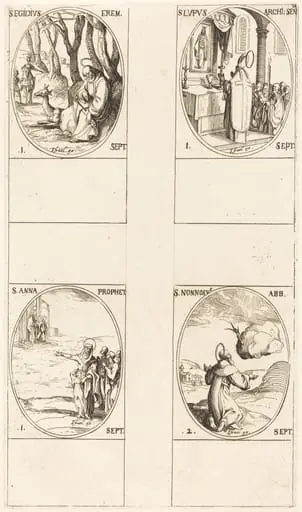 St. Giles; St. Lupus; St. Anne; St. Nonnosus
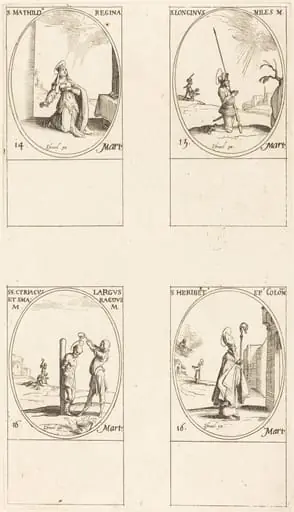 St. Matilda; St. Longinus; St. Cyriacus; St. Heribert
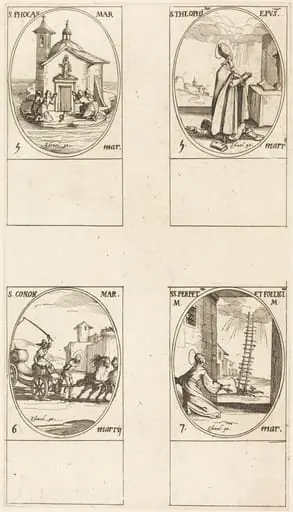 St. Phocas; St. Theophilus; St. Conon; Sts. Perpetua and Felicitas