Artwork
Sts. Jonas & Barachisius; St. John Climacus, Abbot; St. Benjamin; Sts. Quirinus & Bal
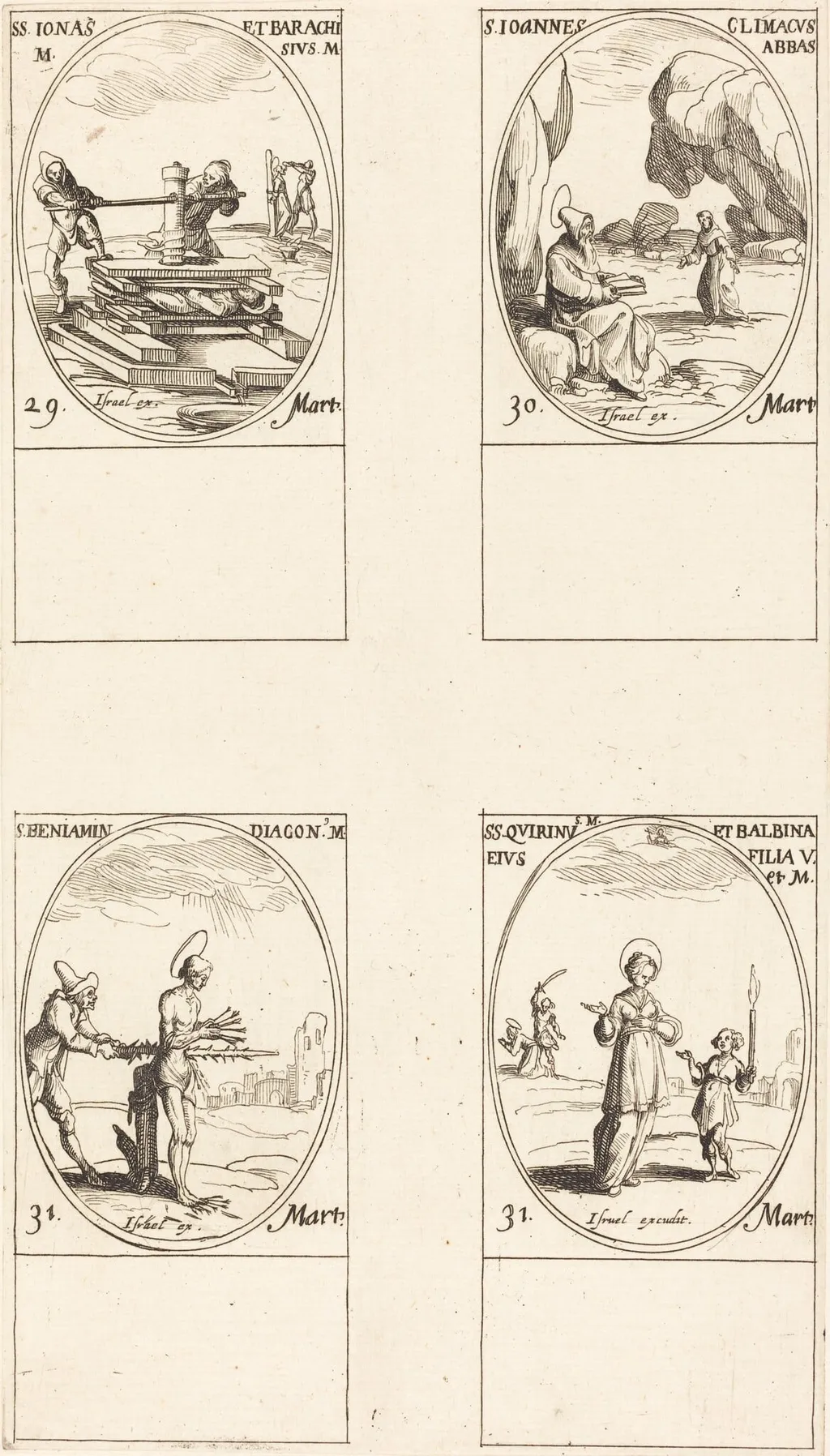
Sts. Jonas & Barachisius; St. John Climacus, Abbot; St. Benjamin; Sts. Quirinus & Bal is an ink print by the Baroque artist Jacques Callot. It dates from 1634 and is held in the collection of the National Gallery of Art.
About this work
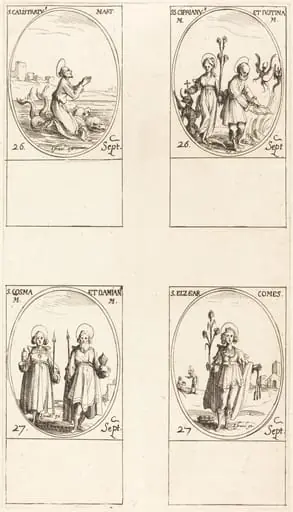
This etching shows four saints standing side by side. Each wears robes and holds a book or staff. The lines are crisp and detailed, like fine pen marks.
Jacques Callot made this in France around 1632. He was famous for etchings—scratching designs onto metal plates then inking them. These saints seem stiff, not soft, because the etching process keeps edges sharp.
Callot, Jacques
Overview
Jacques Callot, a French printmaker from Lorraine, produced this etching around 1632–1634, depicting five Christian saints in a single vertical composition.
Jacques Callot, a French printmaker from Lorraine, produced this etching around 1632–1634, depicting five Christian saints in a single vertical composition. Executed on laid paper, the work exemplifies his mastery of fine-line etching, a technique he refined to achieve exceptional detail. With over 1,400 prints to his name, Callot was among the most prolific and technically inventive printmakers of the early 17th century, often blending religious and secular subjects in his oeuvre.
Subject & Meaning
The composition presents five saints—Jonas and Barachisius, John Climacus, Benjamin, and Quirinus and Bal—each rendered in standing poses, clad in flowing robes and holding symbolic attributes such as books or staffs. Their arrangement suggests a devotional panel, likely intended for private contemplation. The figures are not individualized with expressive features, emphasizing their collective role as intercessors rather than personal narratives.
Technique & Style
Callot employed fine etching needles to incise precise lines into a copper plate, producing sharp, clean contours that define each figure and their drapery. The lack of soft modeling reflects the inherent rigidity of the etching process, favoring clarity over naturalism. Background elements are minimized, focusing attention on the saints’ formal alignment and the intricate texture of their garments, a hallmark of Callot’s disciplined draftsmanship.
History & Provenance
Created during Callot’s mature period in France, this print belongs to a series of religious subjects he produced alongside his more famous depictions of war and courtly life. While no specific early ownership is documented, its survival in multiple institutional collections indicates its recognition among collectors of old master prints. The work was likely circulated widely due to its small size and reproducibility.
Context
In the 1630s, religious imagery remained central to print culture in Catholic regions, even amid rising secular interests. Callot’s choice to depict lesser-known saints aligns with Counter-Reformation efforts to promote veneration of obscure holy figures. His technique, rooted in Northern European traditions, adapted Italian compositional clarity to French sensibilities, bridging regional styles in printmaking.
Legacy
This etching exemplifies Callot’s influence on the evolution of printmaking as a medium capable of both precision and narrative economy. His ability to render complex figures with minimal tonal variation inspired later artists, including Rembrandt. Though not among his most celebrated works, it remains a testament to his consistent commitment to technical rigor and devotional clarity.
Artist & collection
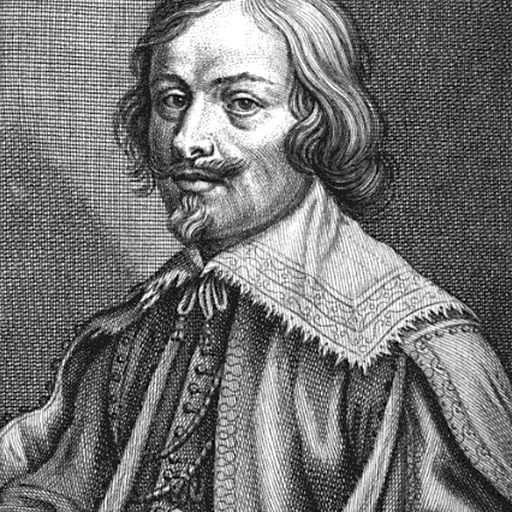
Artist
Jacques Callot was a baroque printmaker and draftsman from the Duchy of Lorraine.

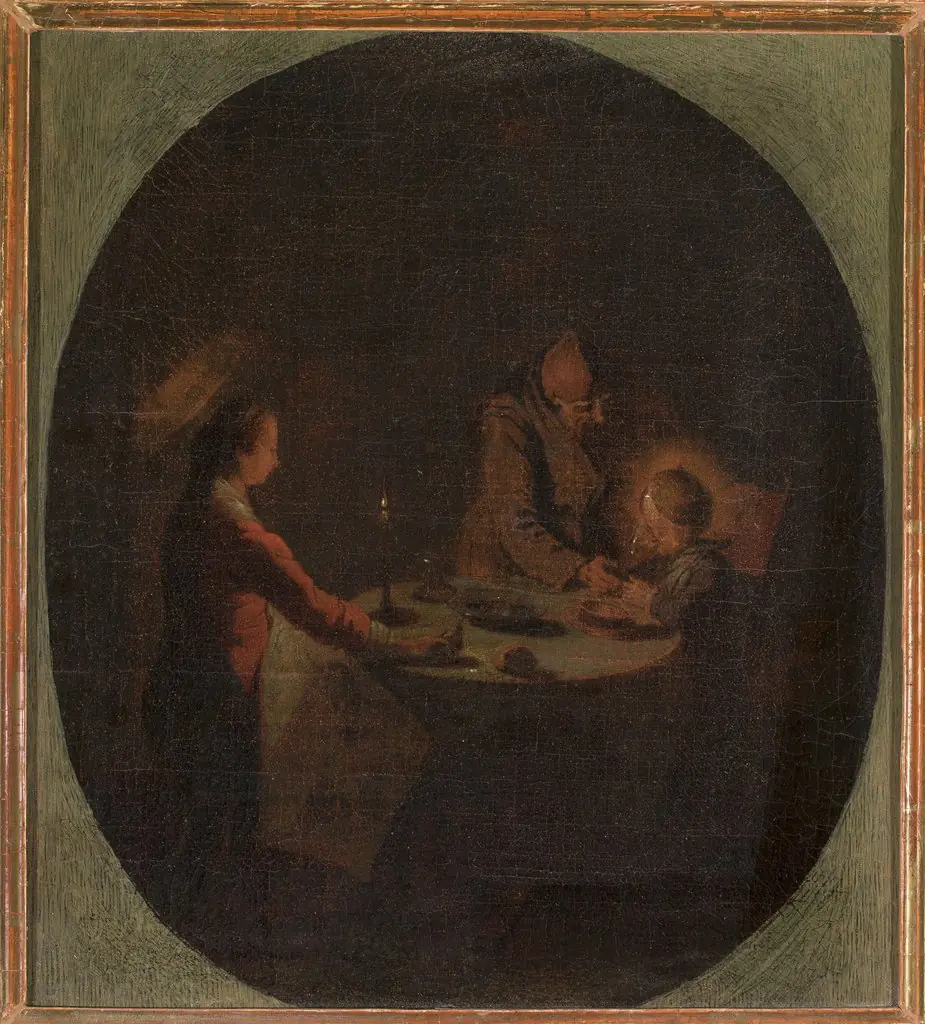 Holy Family at supper
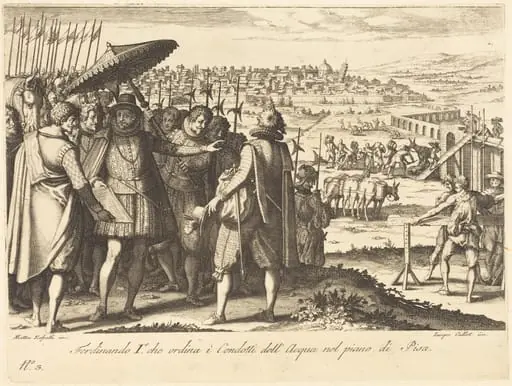 Restoration of the Aqueduct at Pisa
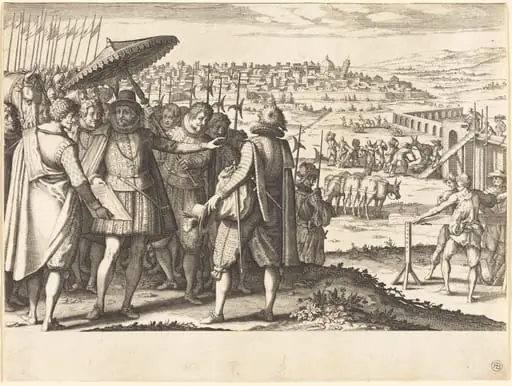 Restoration of the Aqueduct at Pisa
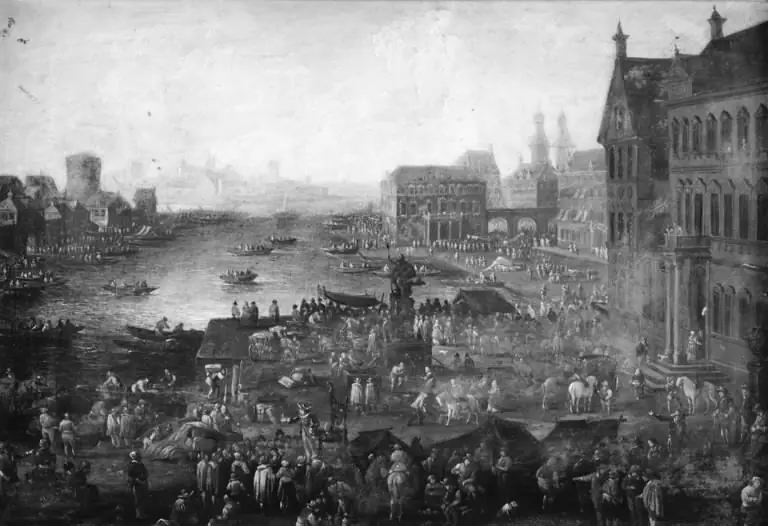 Square in Paris with Many Figures
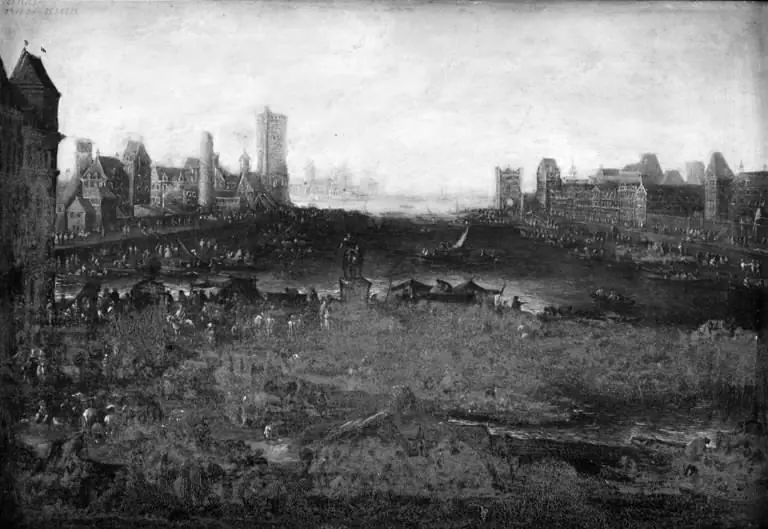 Square in Paris with Many Figures
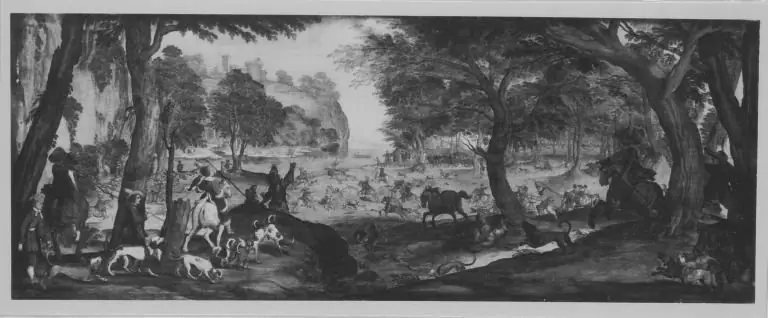
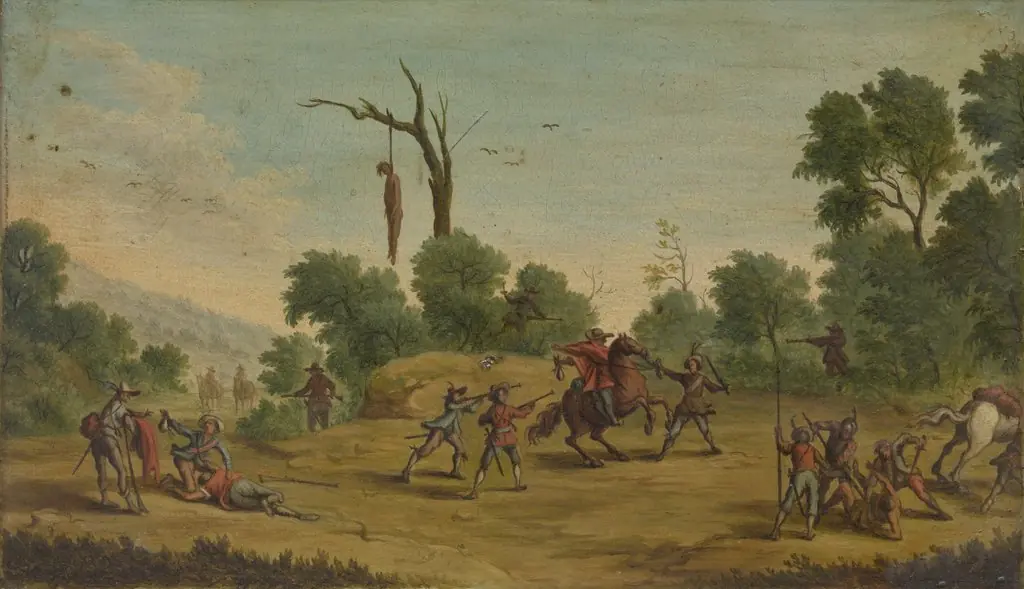 Horsemen Attacked by Robbers
 HOW WILL A COVERED PART BE CORRECTED?HOW WIKA A COVERED HEART DEED CORRECTED?
![Christ Walking on the Water [second plate], by Jacques Callot](https://artifactworldgallery.com/img/jacques-callot--christ-walking-on-the-water-second-plate--2069f3bfe4cb2126-w320.webp) Christ Walking on the Water [second plate]
Christ Walking on the Water [second plate]
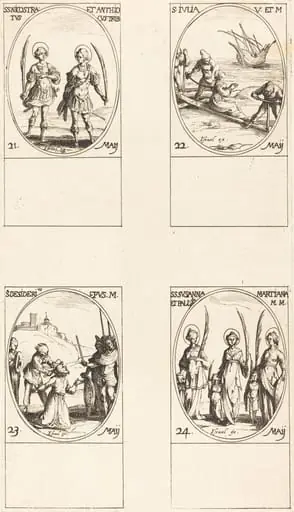 Sts. Nicostratus and Anthiocus; St. Julia; St. Desiderius; Sts. Susanna, Palladia, and Martiana
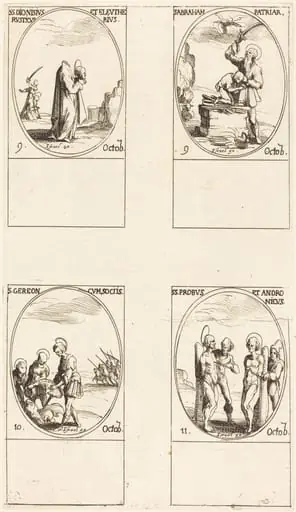 St. Dionysius, Rusticus & Eleutherius; St. Abraham; St. Gereon & Companions; Sts. Probus & Andronichus
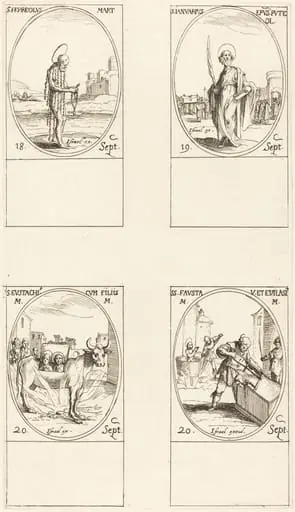 St. Ferreolus; St. Januarius; St. Eustachius & his Children; Sts. Fausta & Evelasius
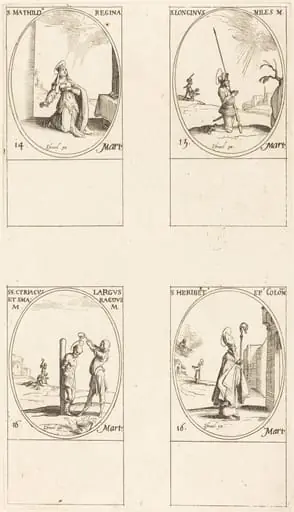 St. Matilda; St. Longinus; St. Cyriacus; St. Heribert
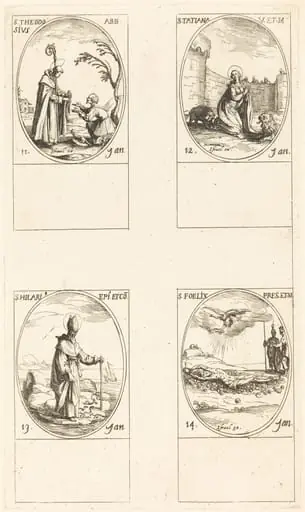 St. Theodosius; St. Tatiana; St. Hilary; St. Felix
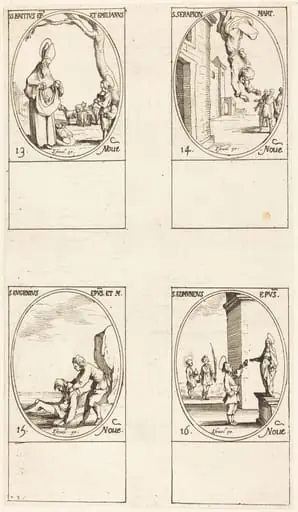 St. Brice; St. Serapion; St. Eugenius; St. Edmund
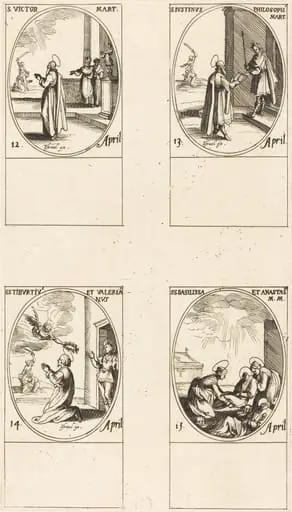 St. Victor; St. Justinus; Sts. Tiburtius and Valerianus; Sts. Basilissa and Anastasia
 St. Calistratus; Sts. Cyprian and Justina; Sts. Comus and Damian; St. Elzear, Count