Artwork
The Adoration of the Virgin and Child
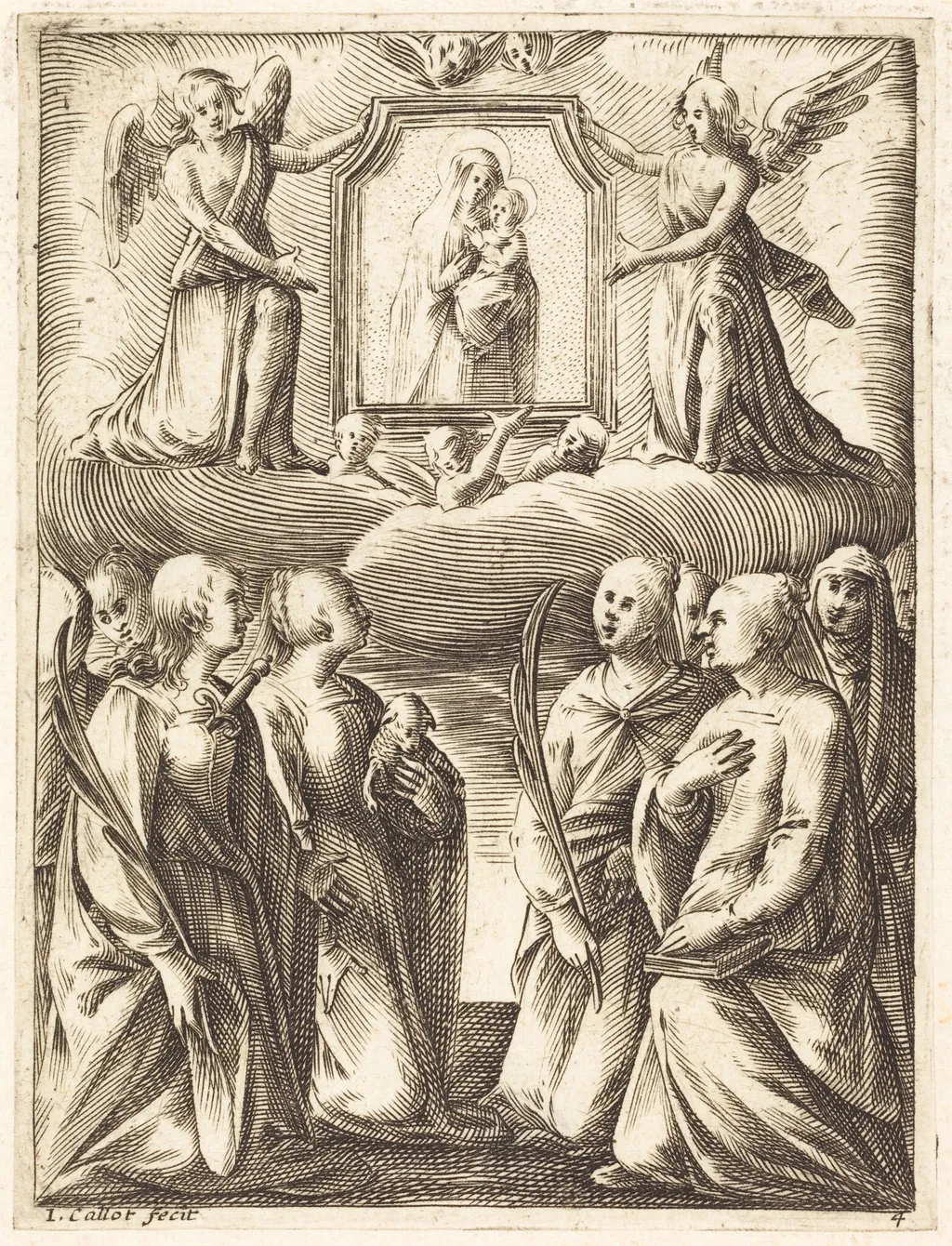
The Adoration of the Virgin and Child is an ink print by the Baroque artist Jacques Callot. It dates from 1610 and is held in the collection of the National Gallery of Art.
About this work
Overview
Jacques Callot created this engraving on laid paper around 1610, demonstrating his mastery of fine-line technique in printmaking.
Jacques Callot created this engraving on laid paper around 1610, demonstrating his mastery of fine-line technique in printmaking. As a French artist from the Duchy of Lorraine, he contributed significantly to the development of Baroque print culture. The work is part of a larger corpus of religious subjects he produced, characterized by intricate detail and atmospheric depth achieved through meticulous line work rather than color.
Subject & Meaning
The scene centers on the Virgin Mary holding the Christ Child, flanked by two kneeling angels who appear as protective figures. Below, a crowd of worshippers gazes upward in reverence, their gestures suggesting devotion. Scattered skulls at the base introduce a memento mori motif, subtly reminding viewers of mortality and the spiritual significance of the divine presence above.
Technique & Style
Callot employed fine, controlled engraving lines to model form and shadow, creating a sense of volume on a flat surface. His use of cross-hatching and dense parallel strokes builds texture in fabrics, hair, and landscape elements. The absence of color heightens focus on linear precision, a hallmark of his approach to printmaking that allowed for extraordinary detail within small compositional spaces.
History & Provenance
This print dates from early in Callot’s career, shortly after his training in Florence and Rome, where he absorbed Italian compositional traditions. It was likely produced for a devotional or scholarly audience, circulating among collectors and clergy in Northern Europe. No specific early ownership records are documented, but similar works from this period were commonly reproduced and distributed through print markets.
Context
In early 17th-century Europe, religious imagery remained central to print production, especially in regions affected by the Reformation and Counter-Reformation. Callot’s detailed, emotionally resonant scenes aligned with Catholic devotional practices while showcasing technical innovation. His ability to render complex narratives in miniature made his prints valuable both as spiritual aids and as demonstrations of artistic skill.
Legacy
Callot’s technical innovations in engraving influenced generations of printmakers across Europe. His use of fine line and layered shading became a model for depicting depth and movement without color. Though less widely known than later artists, his contributions helped elevate printmaking from reproductive craft to a respected medium for artistic expression in the Baroque era.
Artist & collection
Artist
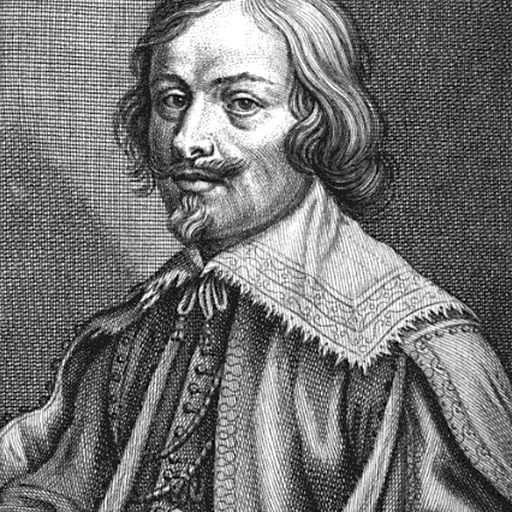
Jacques Callot was a baroque printmaker and draftsman from the Duchy of Lorraine.

 Holy Family at supper
 Restoration of the Aqueduct at Pisa
 Restoration of the Aqueduct at Pisa
 Square in Paris with Many Figures
 Square in Paris with Many Figures
 Horsemen Attacked by Robbers
 HOW WILL A COVERED PART BE CORRECTED?HOW WIKA A COVERED HEART DEED CORRECTED?
![Christ Walking on the Water [second plate], by Jacques Callot](https://artifactworldgallery.com/img/jacques-callot--christ-walking-on-the-water-second-plate--2069f3bfe4cb2126-w320.webp) Christ Walking on the Water [second plate]
Christ Walking on the Water [second plate]
 The Assumption of the Virgin
 The Ascension
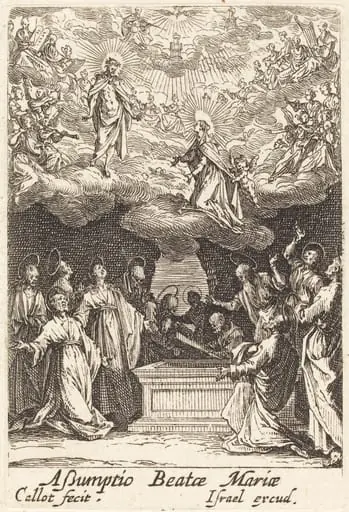 The Assumption of the Virgin
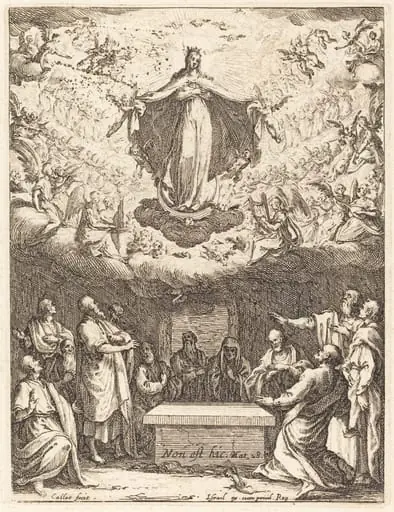 The Assumption of the Virgin
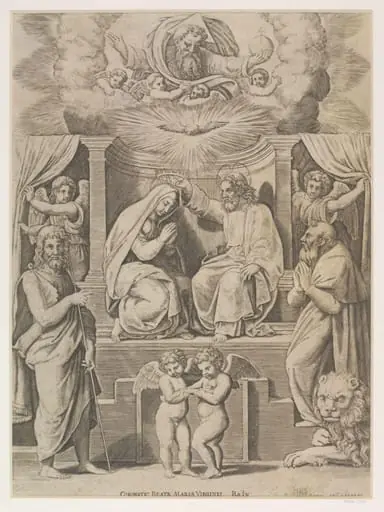 The Virgin Crowned by Jesus Christ
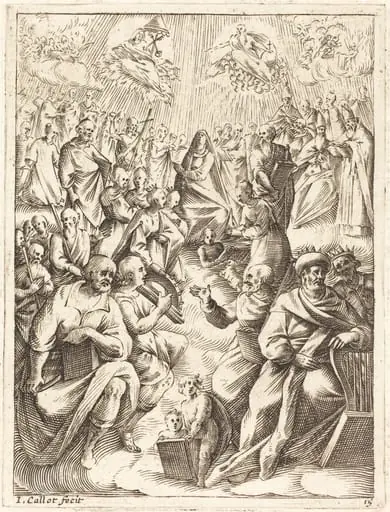 Paradise
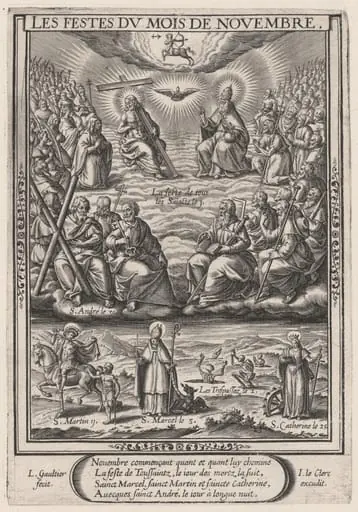 Les Festes du mois de November (November: All Saints)
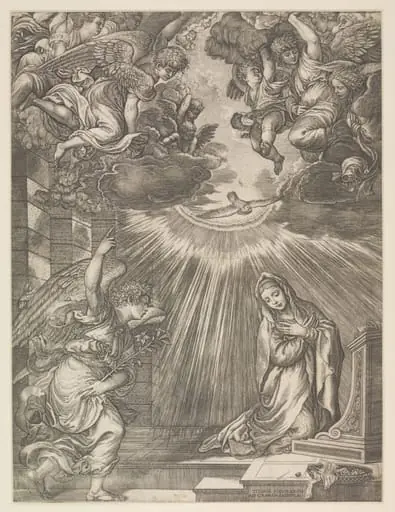 The Annunciation
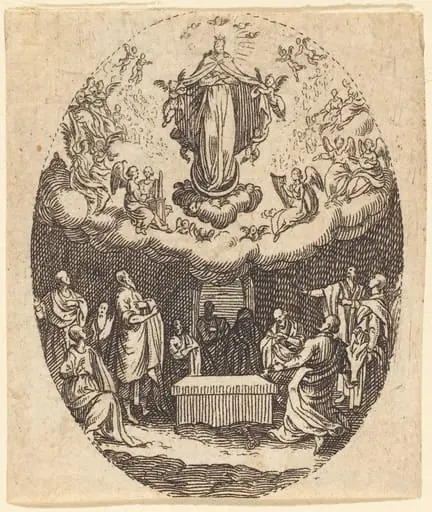 The Assumption with the Cherubin
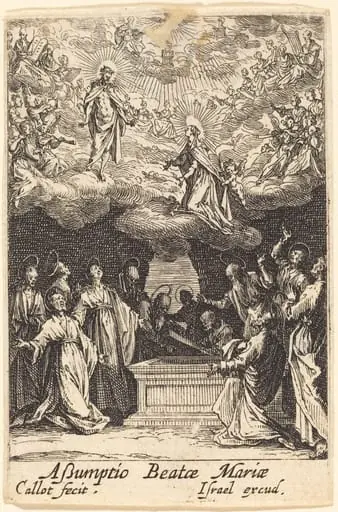 The Assumption of the Virgin
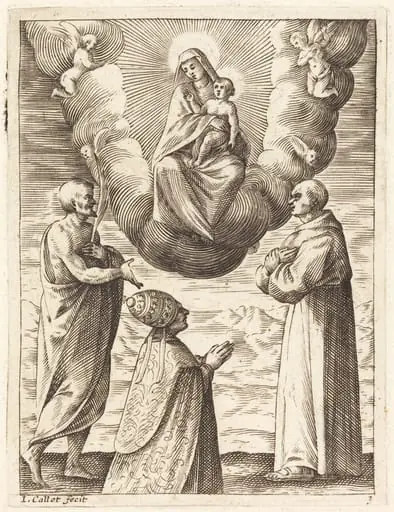 Boniface VIII with Saints Francis and Crispin Adoring the Virgin and Child
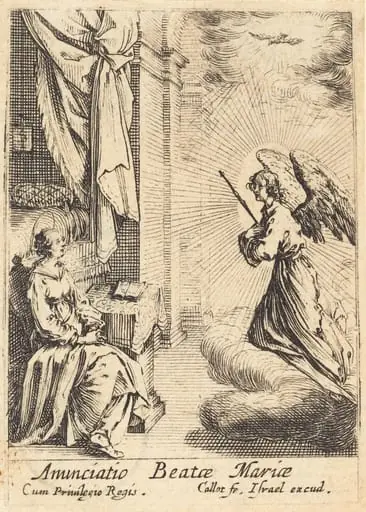 The Annunciation