Artwork
The Ascension
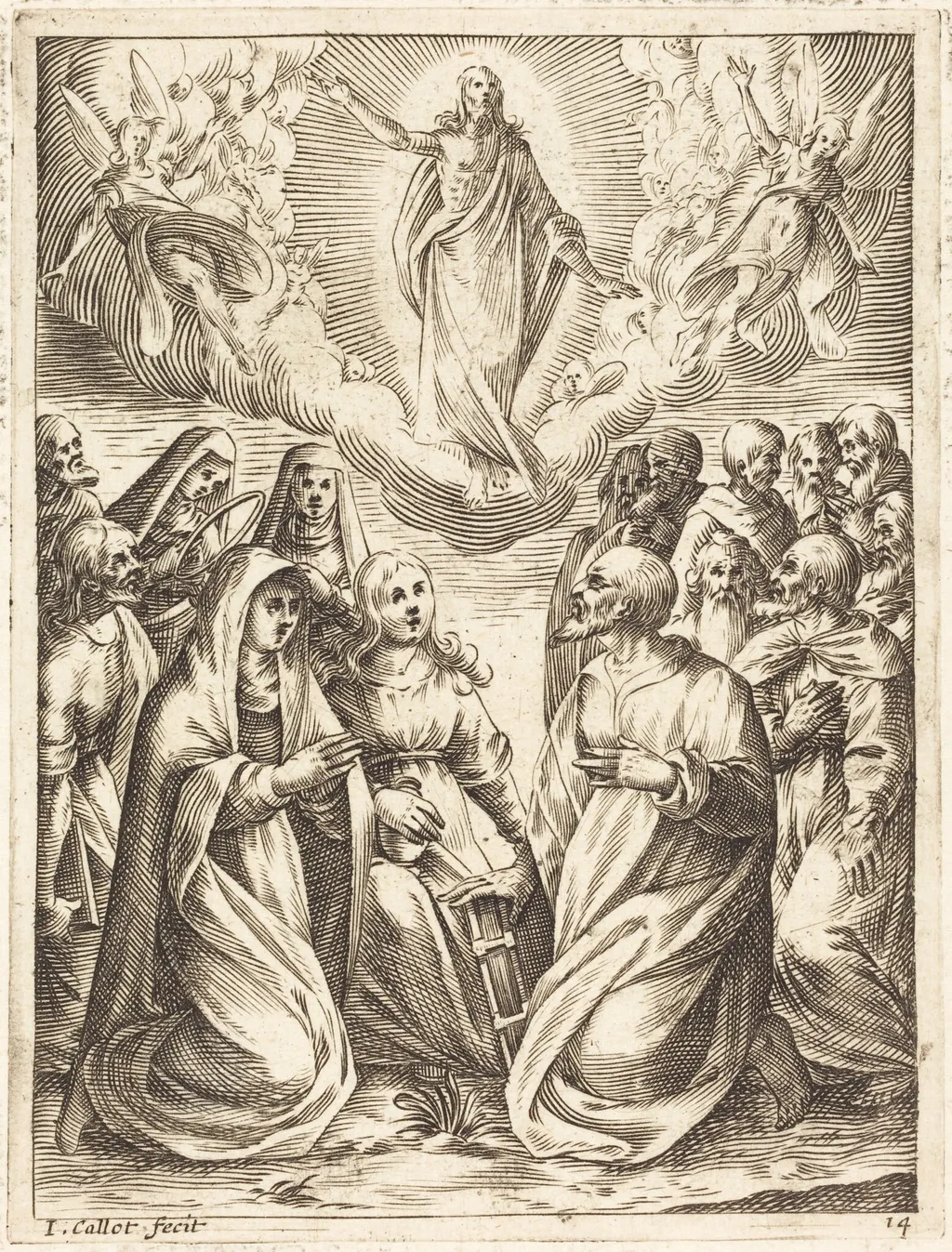
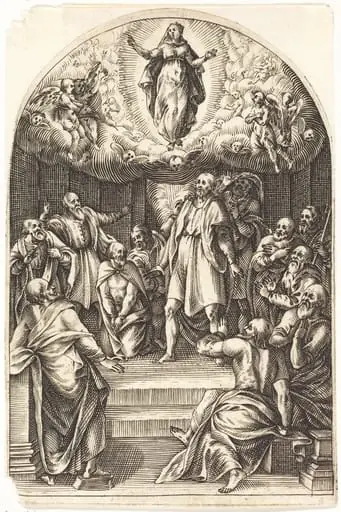
The Ascension is an ink print by the Baroque artist Jacques Callot. It dates from 1610 and is held in the collection of the National Gallery of Art.
About this work
Overview
Created in 1610, Jacques Callot’s engraving *The Ascension* is a religious print executed in the Baroque era by an artist renowned for his technical precision.
Created in 1610, Jacques Callot’s engraving *The Ascension* is a religious print executed in the Baroque era by an artist renowned for his technical precision. Made on laid paper, the work exemplifies Callot’s mastery of engraving, a medium in which he advanced the expressive potential of fine-line detail. As part of a broader body of religious imagery, it reflects his ability to merge spiritual narrative with meticulous draftsmanship.
Subject & Meaning
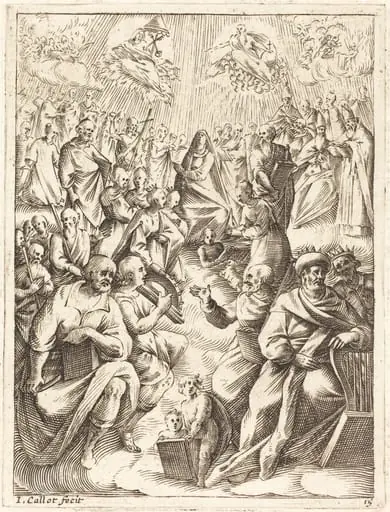
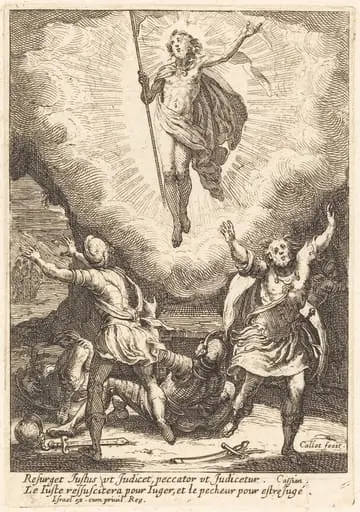
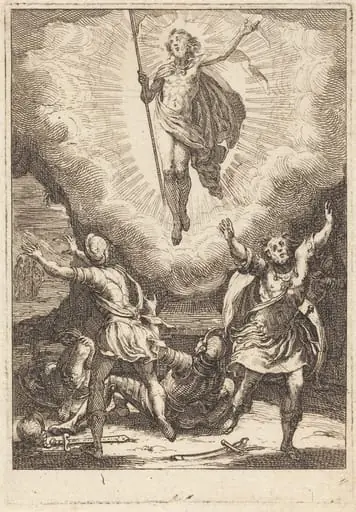
The scene depicts Christ ascending into heaven, surrounded by swirling clouds and hovering angels. Below, a group of disciples reacts with reverence—some kneeling, others standing with arms raised—each face turned upward in unified awe. The composition emphasizes divine transcendence and human devotion, aligning with contemporary theological interpretations of the Ascension as both a physical departure and spiritual affirmation.
Technique & Style
Callot employed fine, controlled engraving lines to model form and depth through cross-hatching, creating subtle gradations of light and shadow. The crowded yet orderly arrangement of figures demonstrates his skill in managing spatial complexity without visual chaos. Every element, from drapery folds to cloud textures, is rendered with disciplined line work, showcasing the engraver’s capacity for narrative clarity through precision.
History & Provenance
Produced during Callot’s early career in the Duchy of Lorraine, the print emerged from a period of intense activity in religious printmaking. Though specific early ownership records are sparse, the work aligns with a broader trend of devotional imagery circulated among educated patrons and religious communities in early 17th-century Europe, where prints served as accessible tools for contemplation.
Context
In the decades following the Council of Trent, Catholic regions emphasized visual aids for faith, encouraging the production of clear, emotionally resonant religious imagery. Callot’s work fits within this climate, offering a detailed, emotionally restrained depiction that avoids theatrical excess while maintaining spiritual gravity. His focus on landscape and crowd dynamics reflects broader Northern European traditions in printmaking.
Legacy
Callot’s *The Ascension* contributed to the elevation of engraving as a serious medium for religious subjects, influencing later printmakers in its balance of detail and emotional restraint. While not widely reproduced in public collections, it remains a representative example of how technical discipline could serve devotional purpose, preserving the quiet dignity of sacred narrative in an age of visual transformation.
Artist & collection
Artist
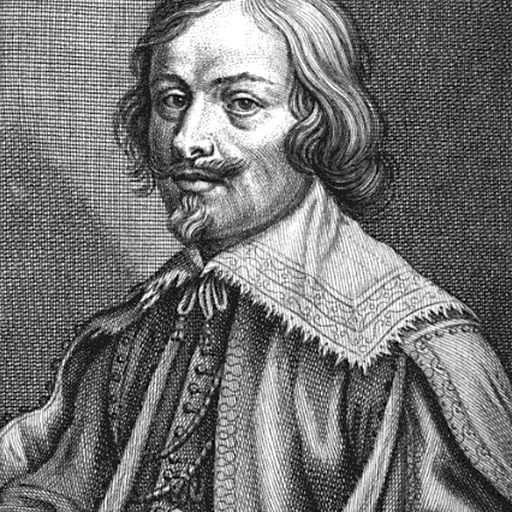
Jacques Callot was a baroque printmaker and draftsman from the Duchy of Lorraine.

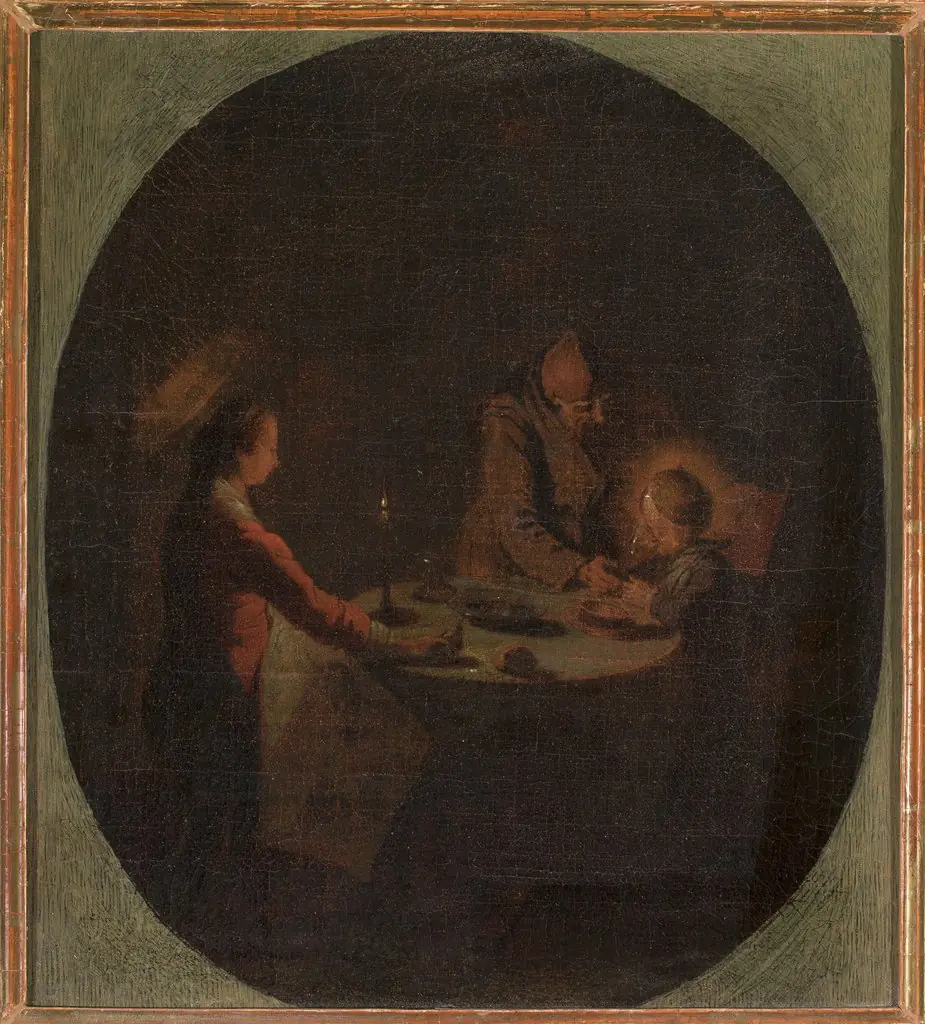 Holy Family at supper
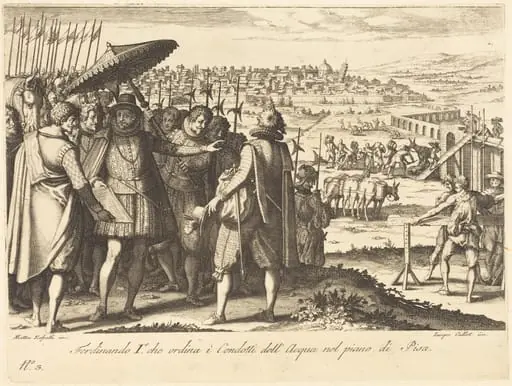 Restoration of the Aqueduct at Pisa
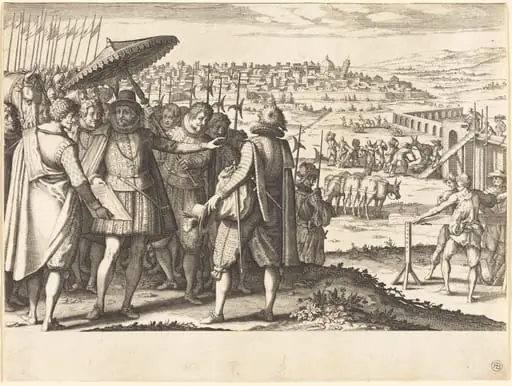 Restoration of the Aqueduct at Pisa
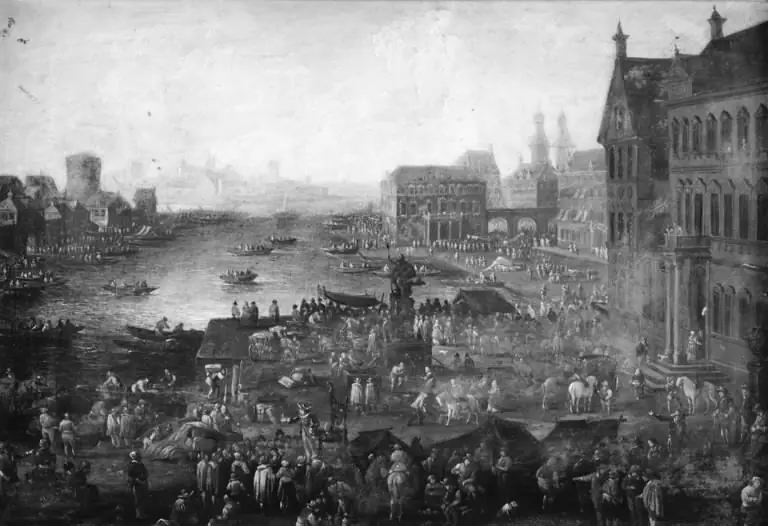 Square in Paris with Many Figures
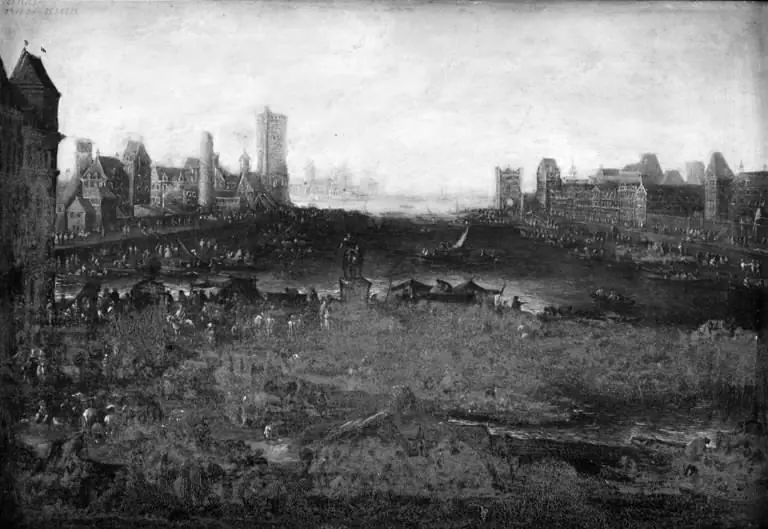 Square in Paris with Many Figures
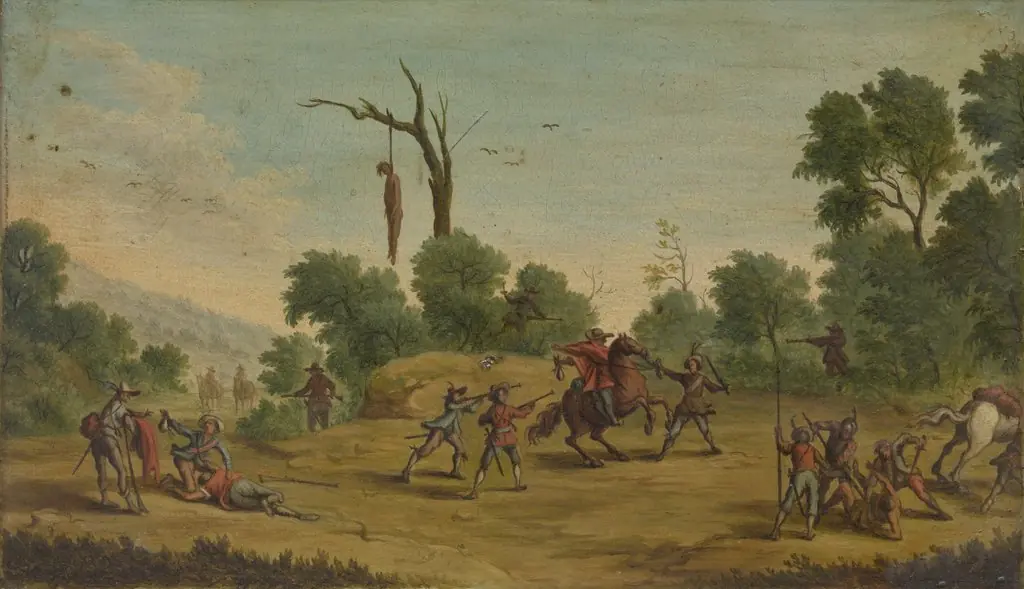 Horsemen Attacked by Robbers
 HOW WILL A COVERED PART BE CORRECTED?HOW WIKA A COVERED HEART DEED CORRECTED?
![Christ Walking on the Water [second plate], by Jacques Callot](https://artifactworldgallery.com/img/jacques-callot--christ-walking-on-the-water-second-plate--2069f3bfe4cb2126-w320.webp) Christ Walking on the Water [second plate]
Christ Walking on the Water [second plate]