Artwork
The Conversion of Saint Paul
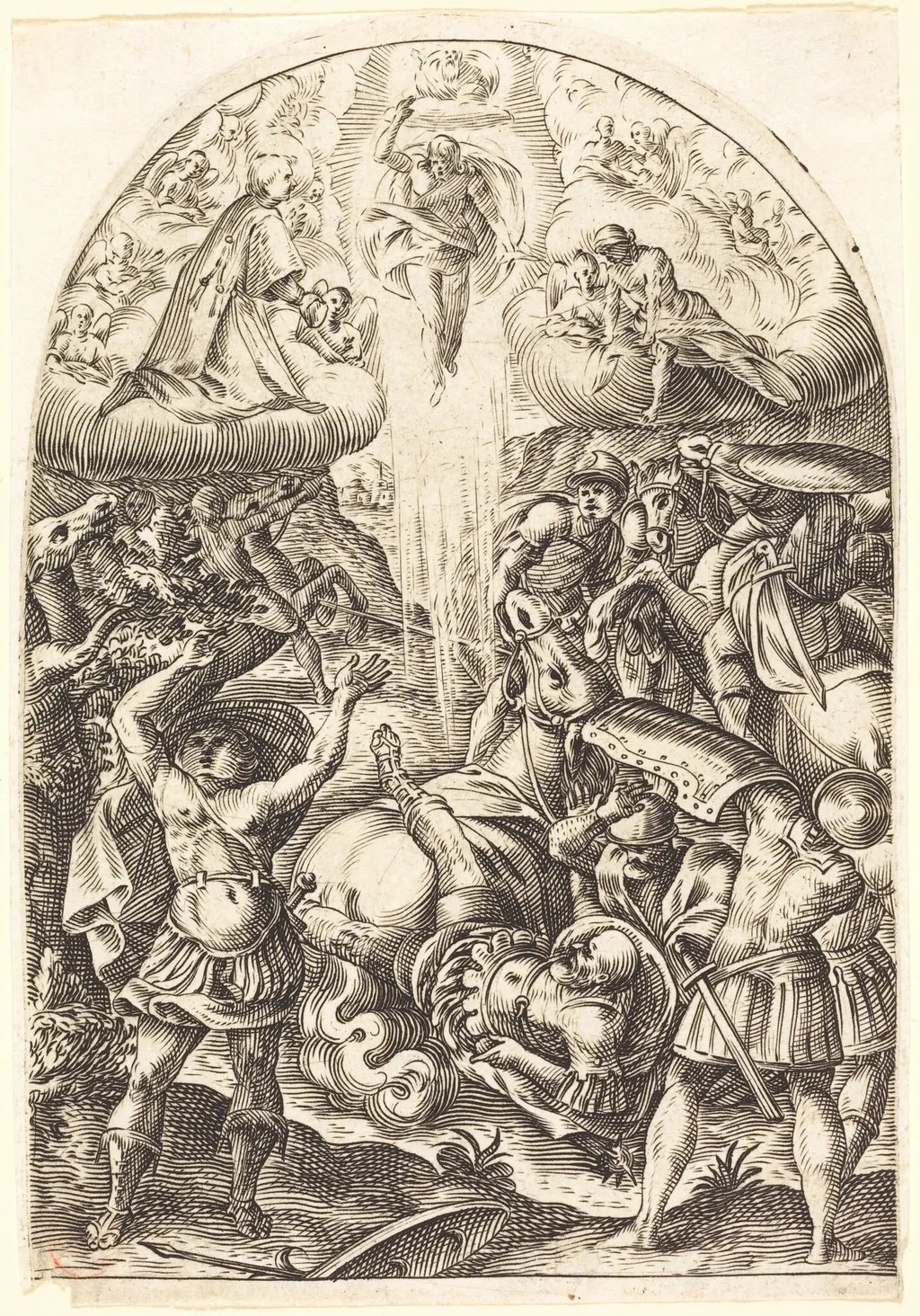
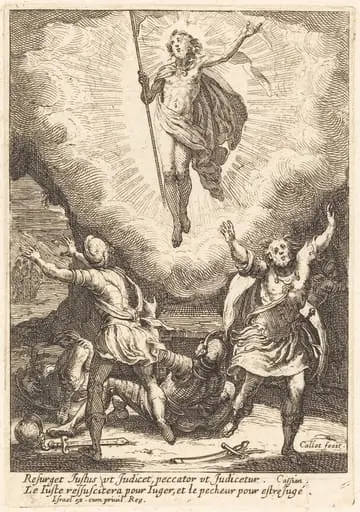
The Conversion of Saint Paul is an ink print by the Baroque artist Jacques Callot. It dates from 1610 and is held in the collection of the National Gallery of Art.
About this work
The Conversion of Saint Paul is an engraving by Jacques Callot.
It's interesting because it was created during the early 17th century, a time when artists were experimenting with new techniques. The fact that it was made between 1608 and 1611 suggests that Callot was still developing his style.
You can learn more about this period by exploring the movement: Baroque.
Overview
The Conversion of Saint Paul is an engraving on laid paper created by Jacques Callot between 1608 and 1611. It exemplifies the artist's early work in the medium.
Subject & Meaning
The engraving depicts the biblical scene of Saul's conversion on the road to Damascus, a pivotal moment in Christian tradition.
Technique & Style
Callot's precise linework and detailed landscape reflect his technical skill as a printmaker and draftsman, characteristic of his contributions to the Baroque style.
History & Provenance
Produced during Callot's formative period, the work showcases his developing style within the context of early 17th-century artistic innovation.
Artist & collection

Artist
Jacques Callot was a baroque printmaker and draftsman from the Duchy of Lorraine.

 Holy Family at supper
 Restoration of the Aqueduct at Pisa
 Restoration of the Aqueduct at Pisa
 Square in Paris with Many Figures
 Square in Paris with Many Figures
 Horsemen Attacked by Robbers
 HOW WILL A COVERED PART BE CORRECTED?HOW WIKA A COVERED HEART DEED CORRECTED?
![Christ Walking on the Water [second plate], by Jacques Callot](https://artifactworldgallery.com/img/jacques-callot--christ-walking-on-the-water-second-plate--2069f3bfe4cb2126-w320.webp) Christ Walking on the Water [second plate]
Christ Walking on the Water [second plate]