Artwork
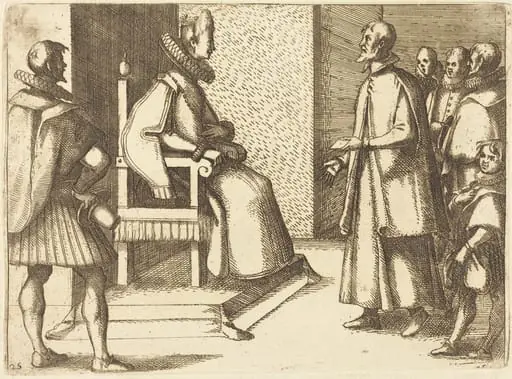
The Envoy of Tuscany thanking the Queen
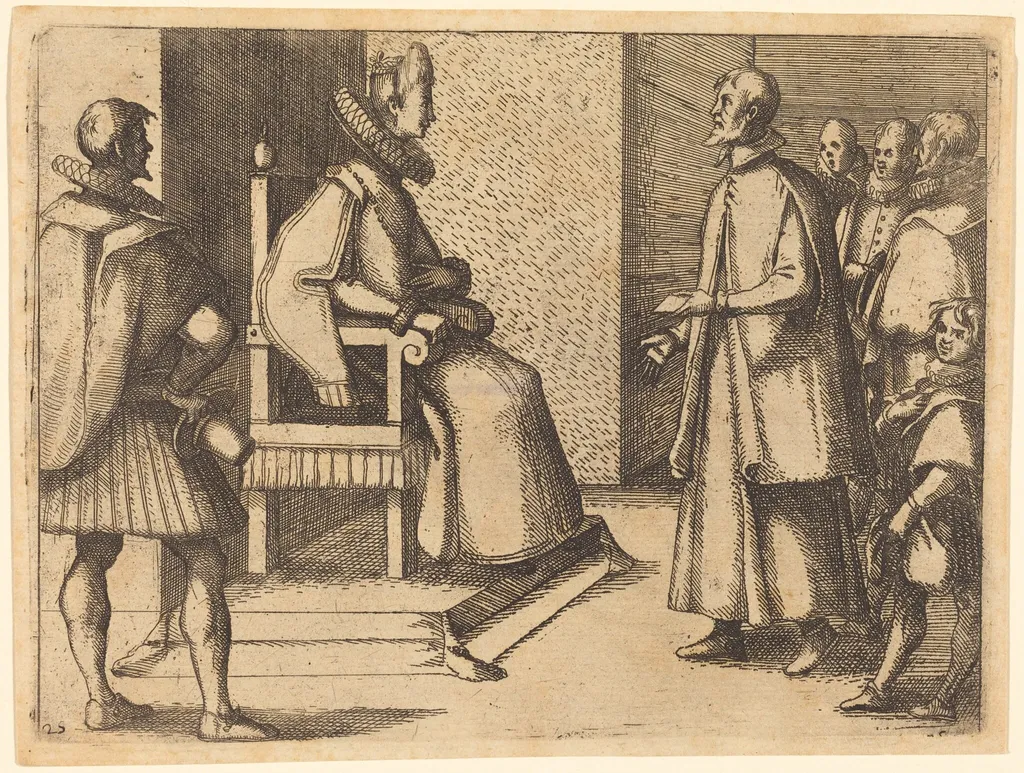
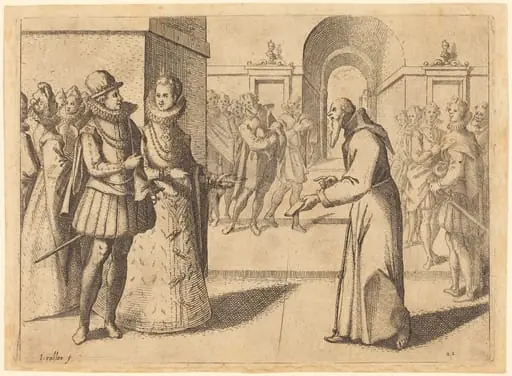
The Envoy of Tuscany thanking the Queen is an ink print by the Baroque artist Jacques Callot. It dates from 1612 and is held in the collection of the National Gallery of Art.
About this work
Overview
The composition captures a quiet but significant exchange between a Tuscan envoy and a queen, rendered with precision and attention to detail.
Created in 1612 by Jacques Callot, this etching on laid paper depicts a formal diplomatic moment at a European court. Callot, a Lorrainer artist active in France, specialized in intricate prints that recorded ceremonial life. This work is one of over 1,400 etchings he produced, reflecting his interest in the rituals of power and social hierarchy. The composition captures a quiet but significant exchange between a Tuscan envoy and a queen, rendered with precision and attention to detail.
Subject & Meaning
The scene portrays a Tuscan diplomat offering thanks to a seated queen, likely a member of the French or Medici court. The envoy, dressed in a long robe and gesturing formally, embodies diplomatic protocol, while the queen, crowned and robed, represents sovereign authority. Figures behind them—adults and a small boy—suggest an audience of courtiers, reinforcing the public nature of the encounter. The moment is not theatrical but restrained, emphasizing decorum over drama.
Technique & Style
Callot employed fine-line etching to render textures of fabric, architectural details, and facial expressions with remarkable clarity. The use of laid paper, with its subtle chain lines, enhances the print’s tactile quality. His technique avoids heavy chiaroscuro, favoring controlled line work to define form and space. The background wall and door suggest depth without perspective distortion, characteristic of early 17th-century printmaking conventions.
History & Provenance
The print was made during Callot’s early career, likely while he was working in Florence or Paris, where he observed courtly life firsthand. It was part of a series documenting diplomatic and ceremonial events, intended for collectors and diplomats. No specific early ownership records are widely documented, but the print circulated among European elites familiar with the political context of Tuscan-French relations in the early 1600s.
Context
In 1612, Tuscany maintained close ties with France through marriage alliances and trade, making diplomatic exchanges common. Callot’s work reflects the broader European trend of using prints to record and disseminate images of courtly life. Unlike grand historical paintings, his etchings offered accessible, detailed glimpses into the rituals of power, serving both as documentation and as cultural artifacts for a literate, elite audience.
Legacy
Callot’s etchings, including this one, influenced later generations of printmakers through their technical precision and observational depth. While not widely exhibited today, the work remains a reference for scholars studying early modern diplomacy and print culture. His ability to capture social nuance in small-scale compositions helped elevate etching from mere reproduction to a respected artistic medium.
Artist & collection
Artist
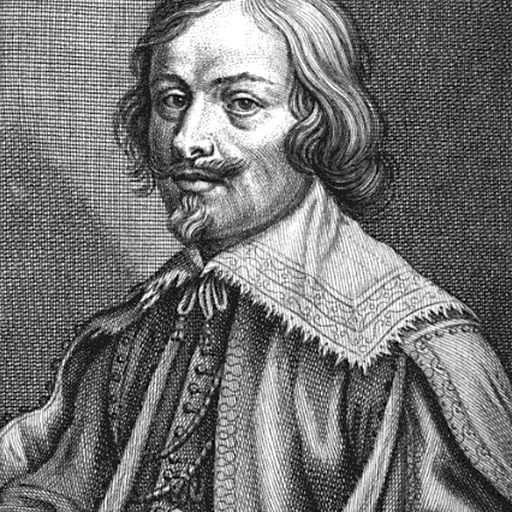
Jacques Callot was a baroque printmaker and draftsman from the Duchy of Lorraine.

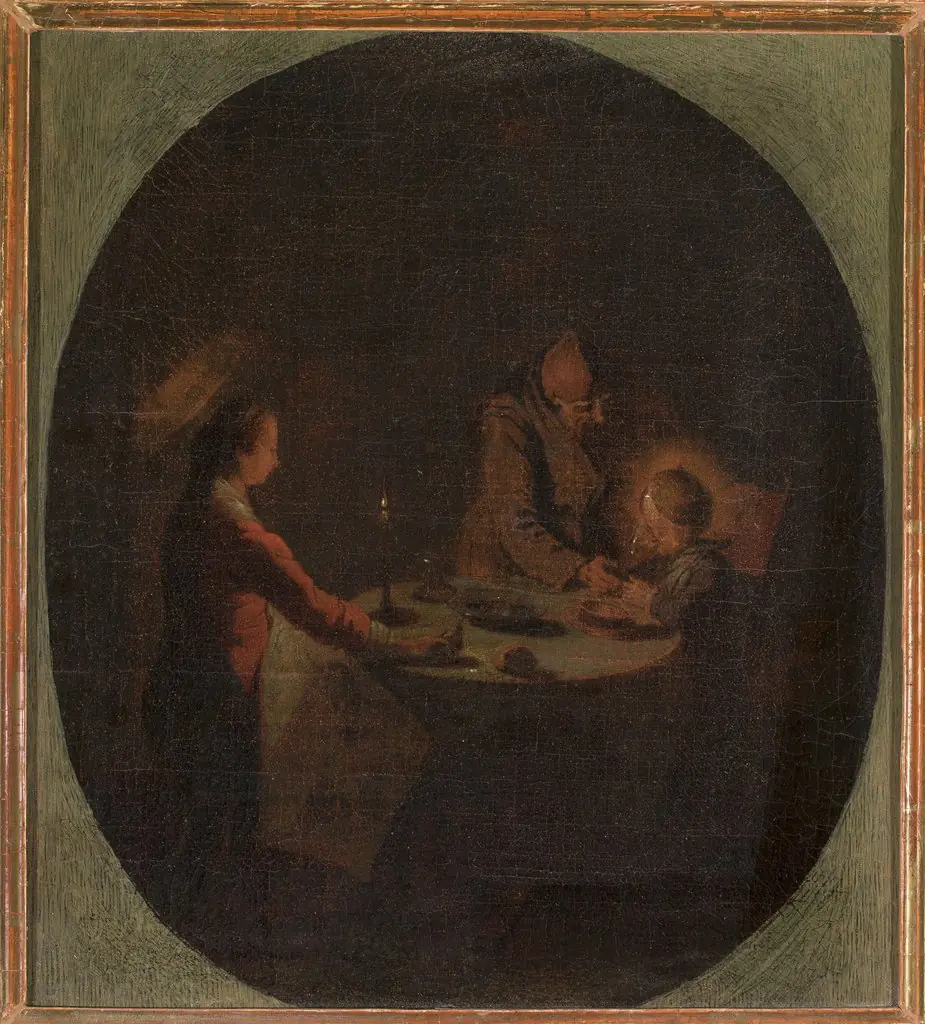 Holy Family at supper
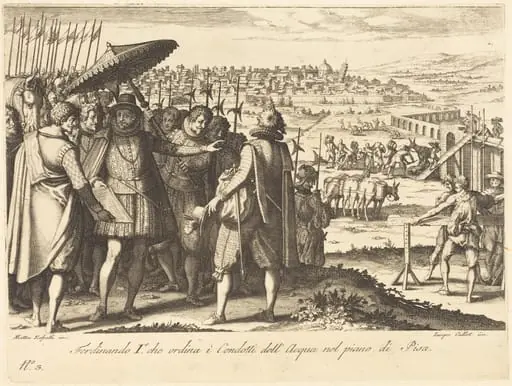 Restoration of the Aqueduct at Pisa
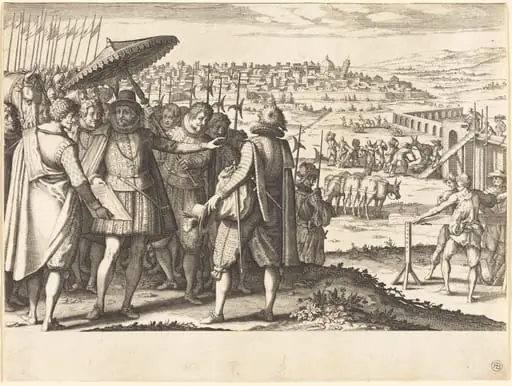 Restoration of the Aqueduct at Pisa
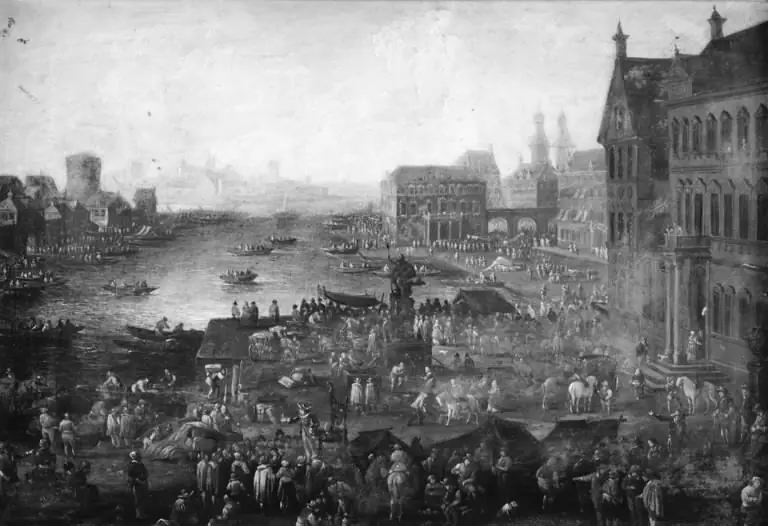 Square in Paris with Many Figures
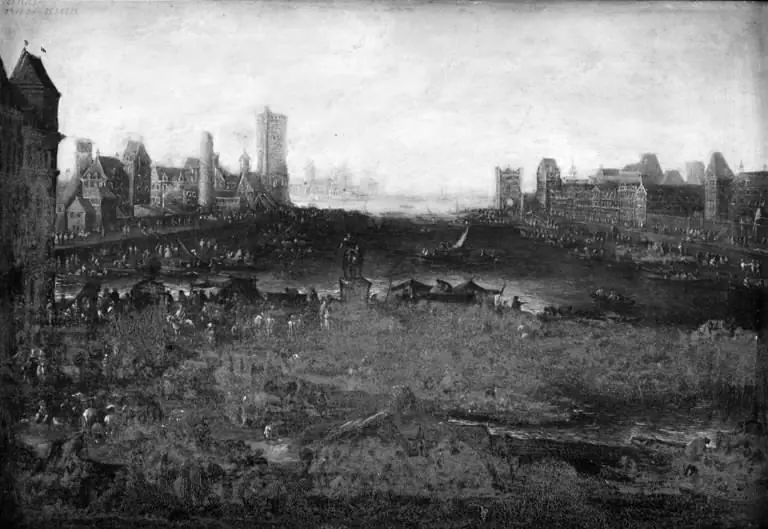 Square in Paris with Many Figures
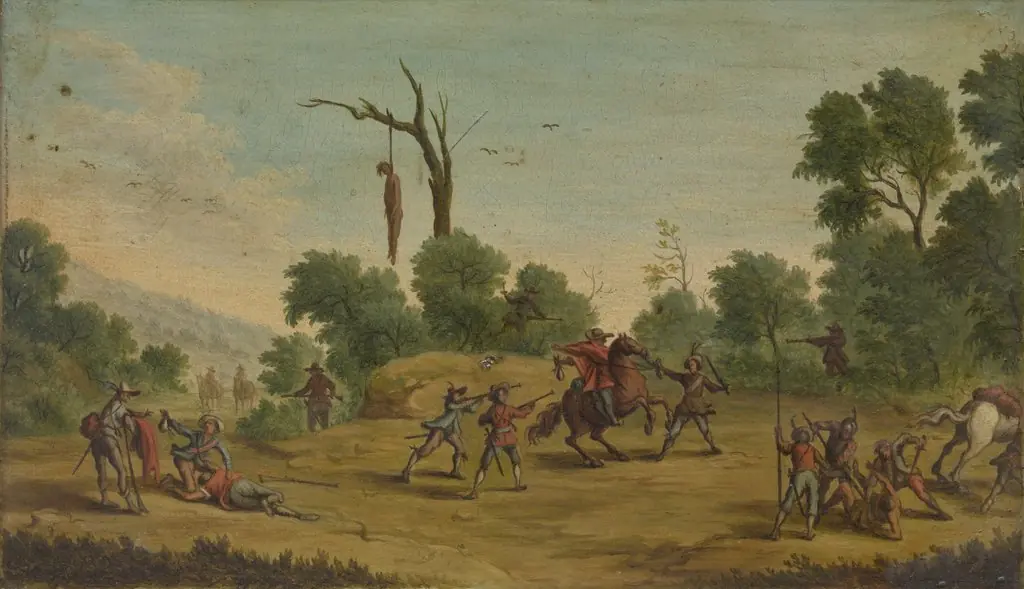 Horsemen Attacked by Robbers
 HOW WILL A COVERED PART BE CORRECTED?HOW WIKA A COVERED HEART DEED CORRECTED?
![Christ Walking on the Water [second plate], by Jacques Callot](https://artifactworldgallery.com/img/jacques-callot--christ-walking-on-the-water-second-plate--2069f3bfe4cb2126-w320.webp) Christ Walking on the Water [second plate]
Christ Walking on the Water [second plate]
 The Envoy of Tuscany Thanking the Queen
![The Envoy of Tuscany thanking the Queen [verso], by Jacques Callot](https://artifactworldgallery.com/img/jacques-callot--the-envoy-of-tuscany-thanking-the-queen-verso--d1096c23bbbd576f-w320.webp) The Envoy of Tuscany thanking the Queen [verso]
The Envoy of Tuscany thanking the Queen [verso]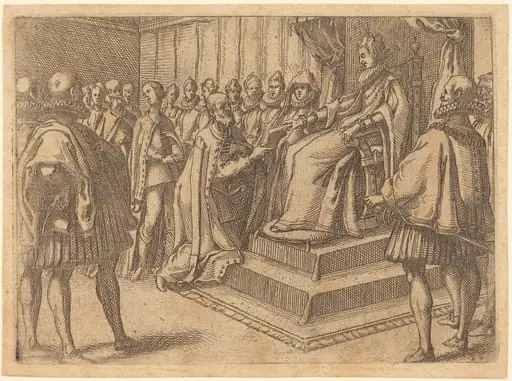 Reception of the Envoy of Poland
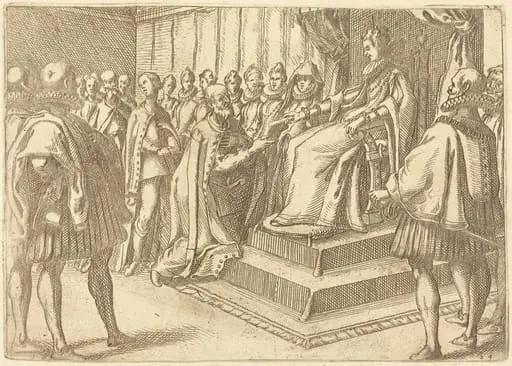 Reception of the Envoy of Poland
![Reception of the Envoy of Poland [recto], by Jacques Callot](https://artifactworldgallery.com/img/jacques-callot--reception-of-the-envoy-of-poland-recto--b391a89639ee42f8-w320.webp) Reception of the Envoy of Poland [recto]
Reception of the Envoy of Poland [recto]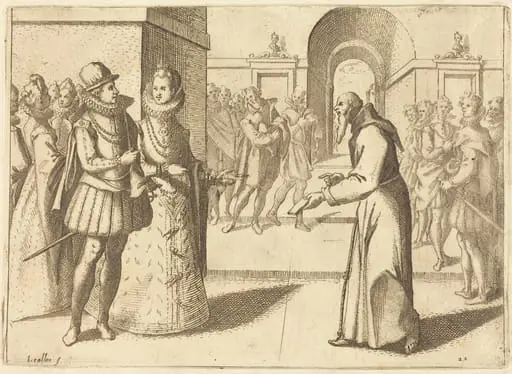 A Capucin Bringing Thanks of the King of Bavaria
 A Capucin bringing thanks of the King of Bavaria
![A Capucin bringing thanks of the King of Bavaria [recto], by Jacques Callot](https://artifactworldgallery.com/img/jacques-callot--a-capucin-bringing-thanks-of-the-king-of-bavaria-recto--39ed030c08b9b2a7-w320.webp) A Capucin bringing thanks of the King of Bavaria [recto]
A Capucin bringing thanks of the King of Bavaria [recto]![King and Queen in Consultation about the Turks [recto], by Jacques Callot](https://artifactworldgallery.com/img/jacques-callot--king-and-queen-in-consultation-about-the-turks-recto--5b03792b86815455-w320.webp) King and Queen in Consultation about the Turks [recto]
King and Queen in Consultation about the Turks [recto]