Artwork
The Falconer
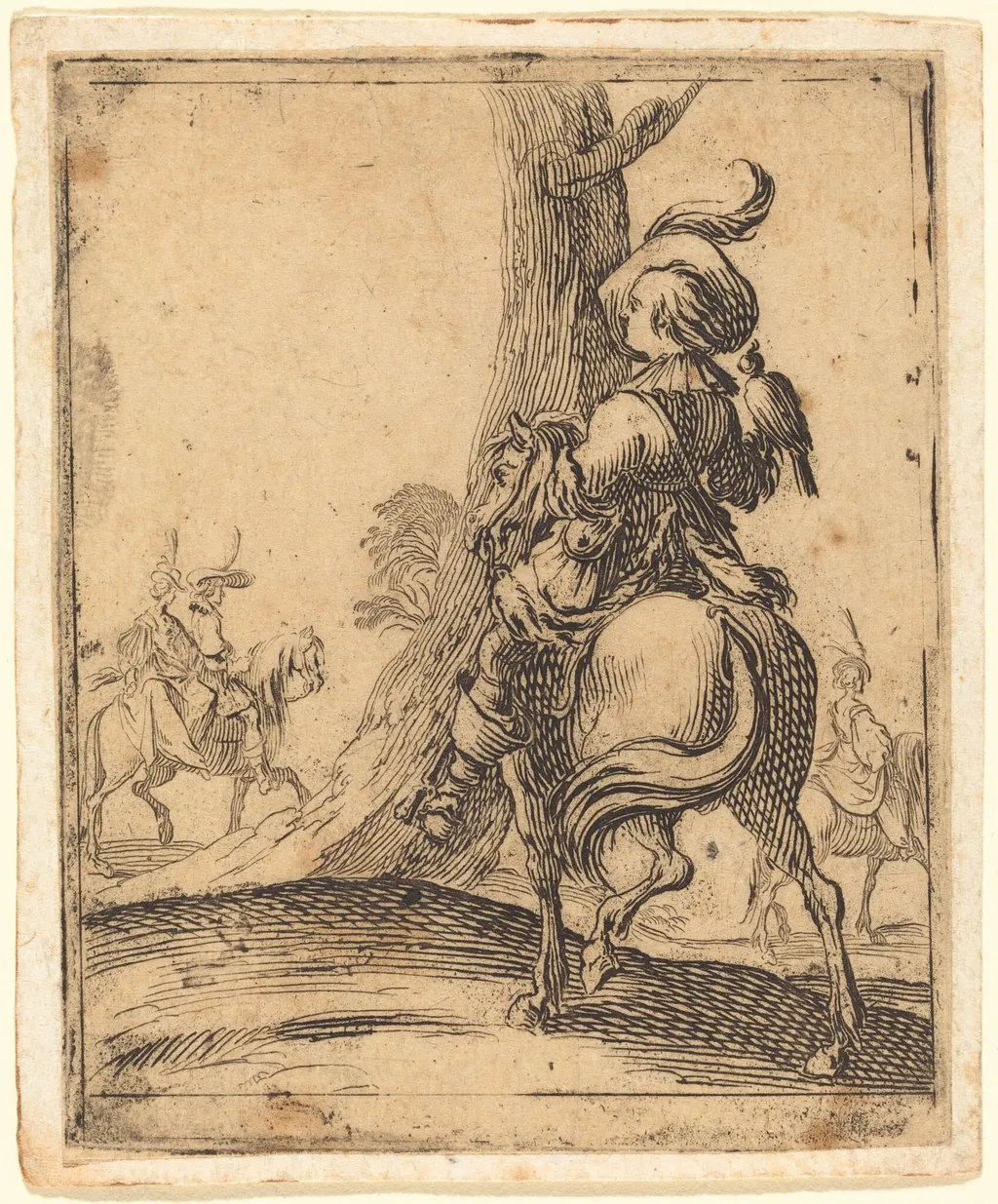
The Falconer is an ink print by the Renaissance artist Jacques Callot. It dates from 1617 and is held in the collection of the National Gallery of Art.
About this work
Overview
The Falconer is an etching on laid paper created by Jacques Callot around 1617. It exemplifies the artist's detailed and narrative-driven approach to printmaking.
Subject & Meaning
The etching depicts a woman lifting a large falcon, her back to the viewer, as three horsemen ride away. The falcon's size and the woman's effort suggest it may be a symbol rather than just a bird. The scene's composition emphasizes the woman's task as the main focus.
Technique & Style
The work is an etching, a printmaking technique involving scratching into a metal plate. Callot's style blends observational precision with a documentary approach, often incorporating expansive landscapes and varied figures.
Context
Callot, a French Baroque printmaker from the Duchy of Lorraine, produced over 1,400 etchings documenting social and military life. The Falconer reflects his tendency to draw from courtly and everyday scenes.
Artist & collection
Artist
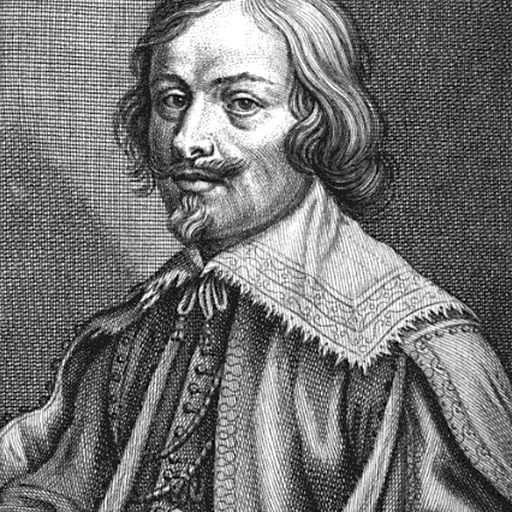
Jacques Callot was a baroque printmaker and draftsman from the Duchy of Lorraine.

 Holy Family at supper
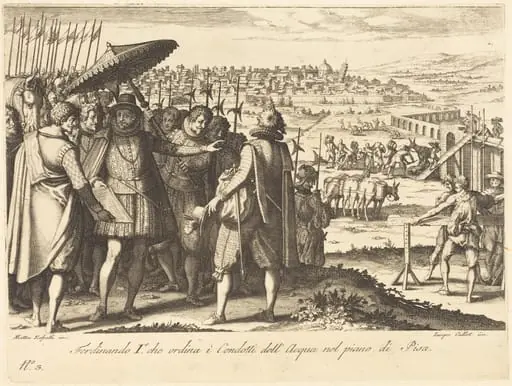 Restoration of the Aqueduct at Pisa
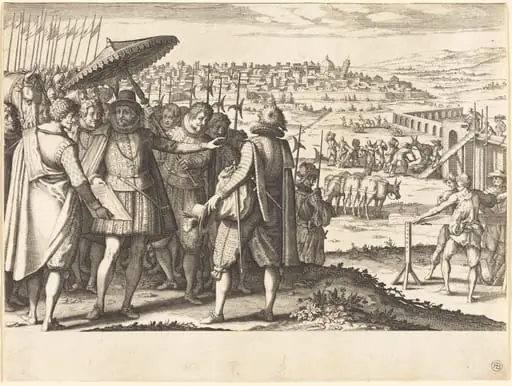 Restoration of the Aqueduct at Pisa
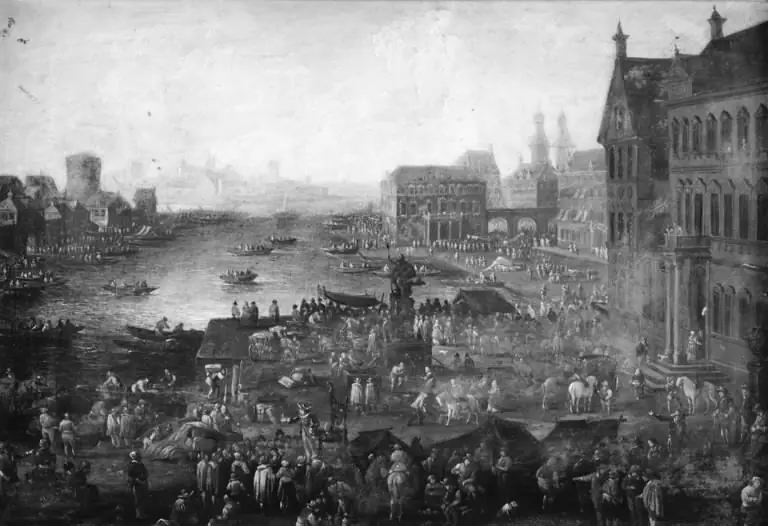 Square in Paris with Many Figures
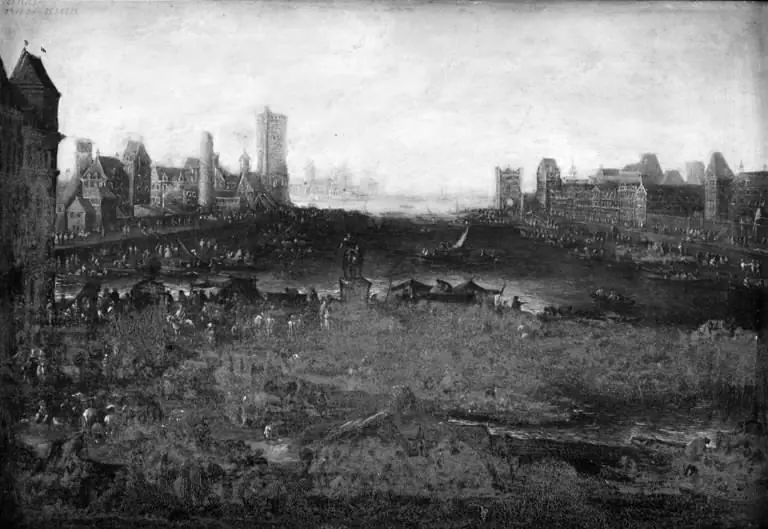 Square in Paris with Many Figures
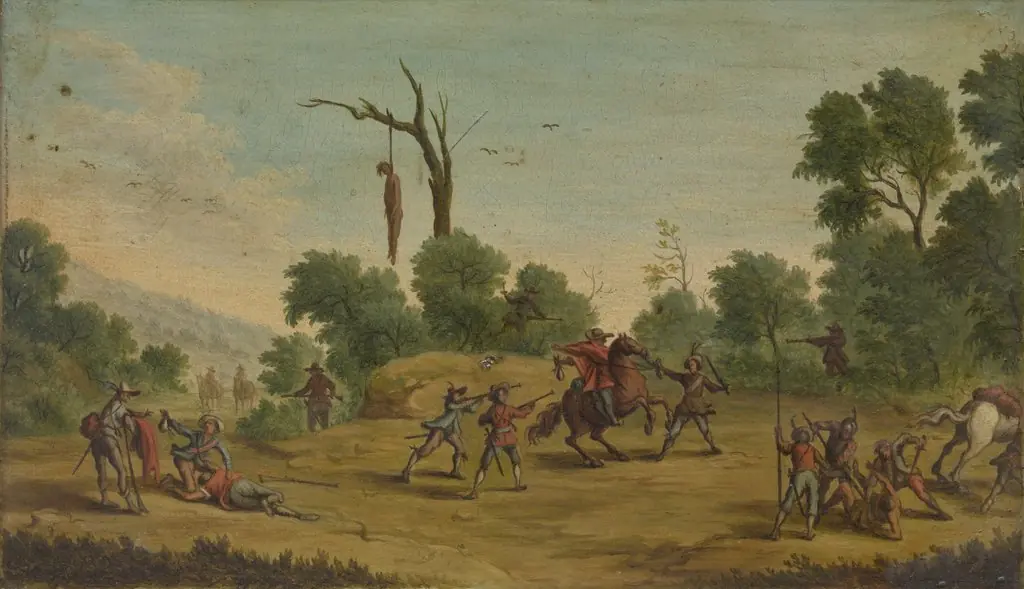 Horsemen Attacked by Robbers
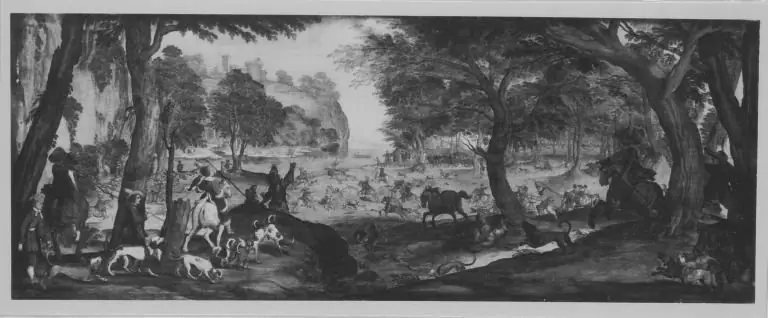 HOW WILL A COVERED PART BE CORRECTED?HOW WIKA A COVERED HEART DEED CORRECTED?
![Christ Walking on the Water [second plate], by Jacques Callot](https://artifactworldgallery.com/img/jacques-callot--christ-walking-on-the-water-second-plate--2069f3bfe4cb2126-w320.webp) Christ Walking on the Water [second plate]
Christ Walking on the Water [second plate]
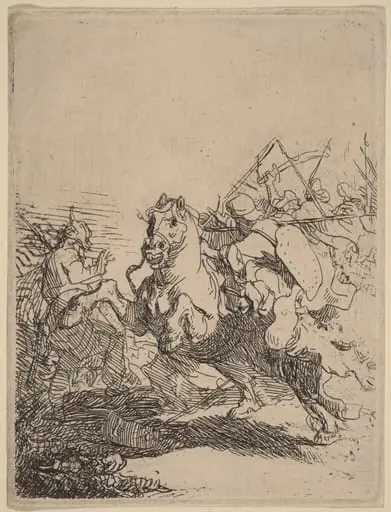 A Cavalry Fight
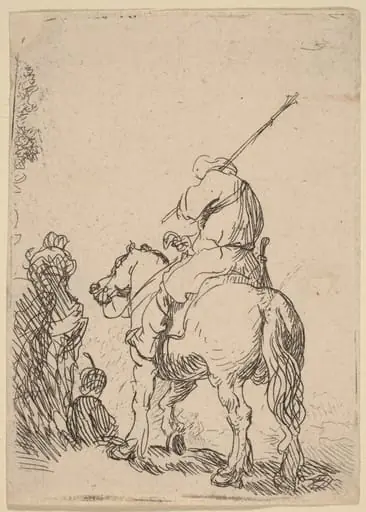 Turbaned Soldier on Horseback
![Flight of M. de Belle-Isle, Prisoner with theAttakapas [right], by Gabriel de Saint-Aubin](https://artifactworldgallery.com/img/gabriel-de-saint-aubin--flight-of-m-de-belle-isle-prisoner-with-theattakapas-right--c4658fbaef898dca-w320.webp) Flight of M. de Belle-Isle, Prisoner with theAttakapas [right]
Flight of M. de Belle-Isle, Prisoner with theAttakapas [right]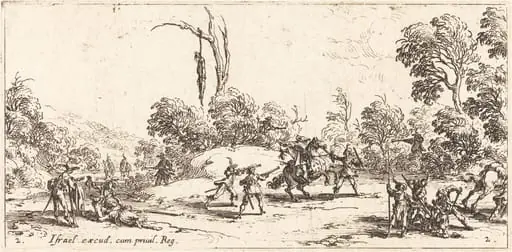 Attacking Travelers on the Highway
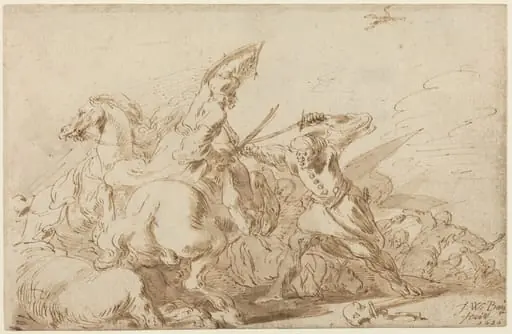 A Battle between Oriental Cavalry and Soldiers
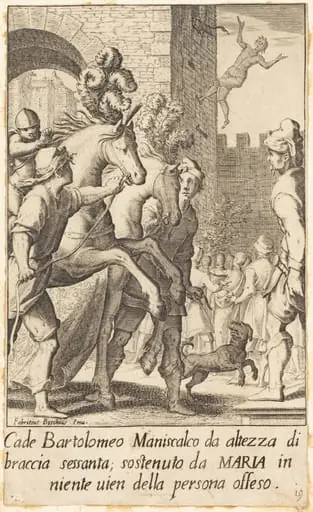 Bartolomeo, Farrier
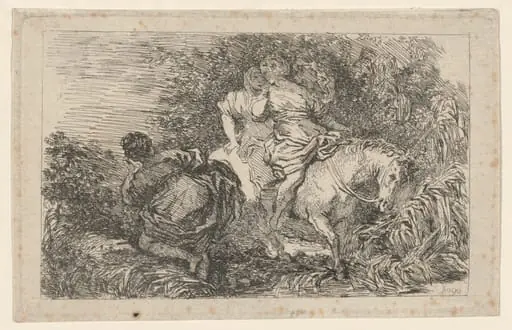 The Flight of Cloelia
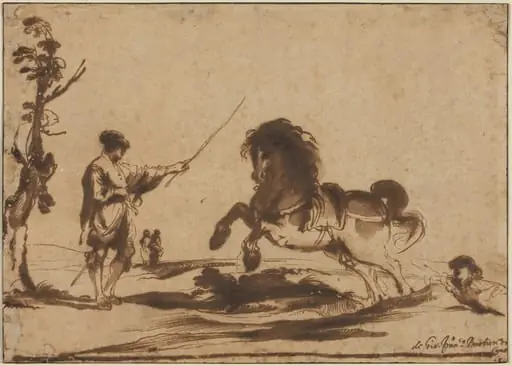 Landscape with the Taming of a Horse
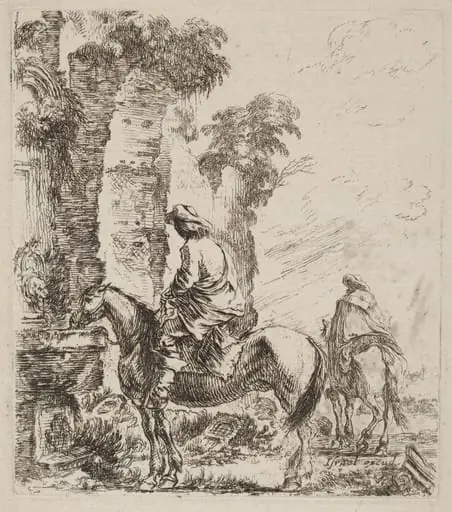 Landscape with Horsemen
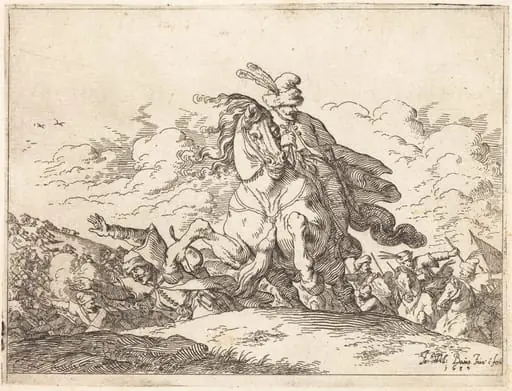 Capricci di varie battaglie
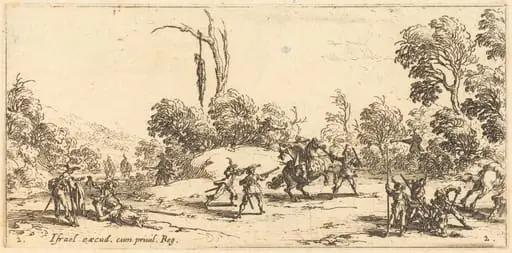 Attacking Travelers on the Highway
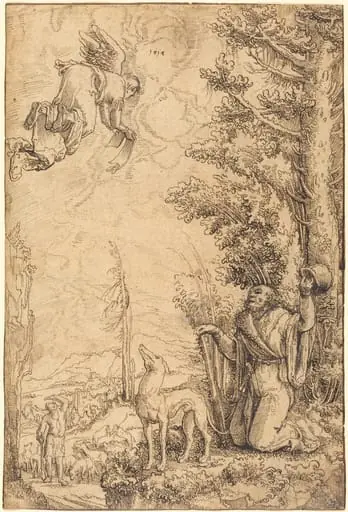 The Annunciation to Joachim