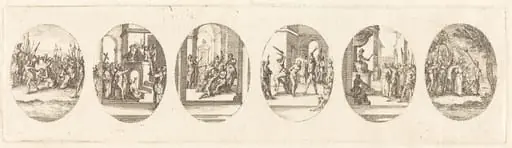
Artwork
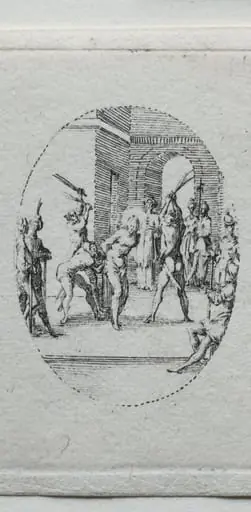
The Flagellation
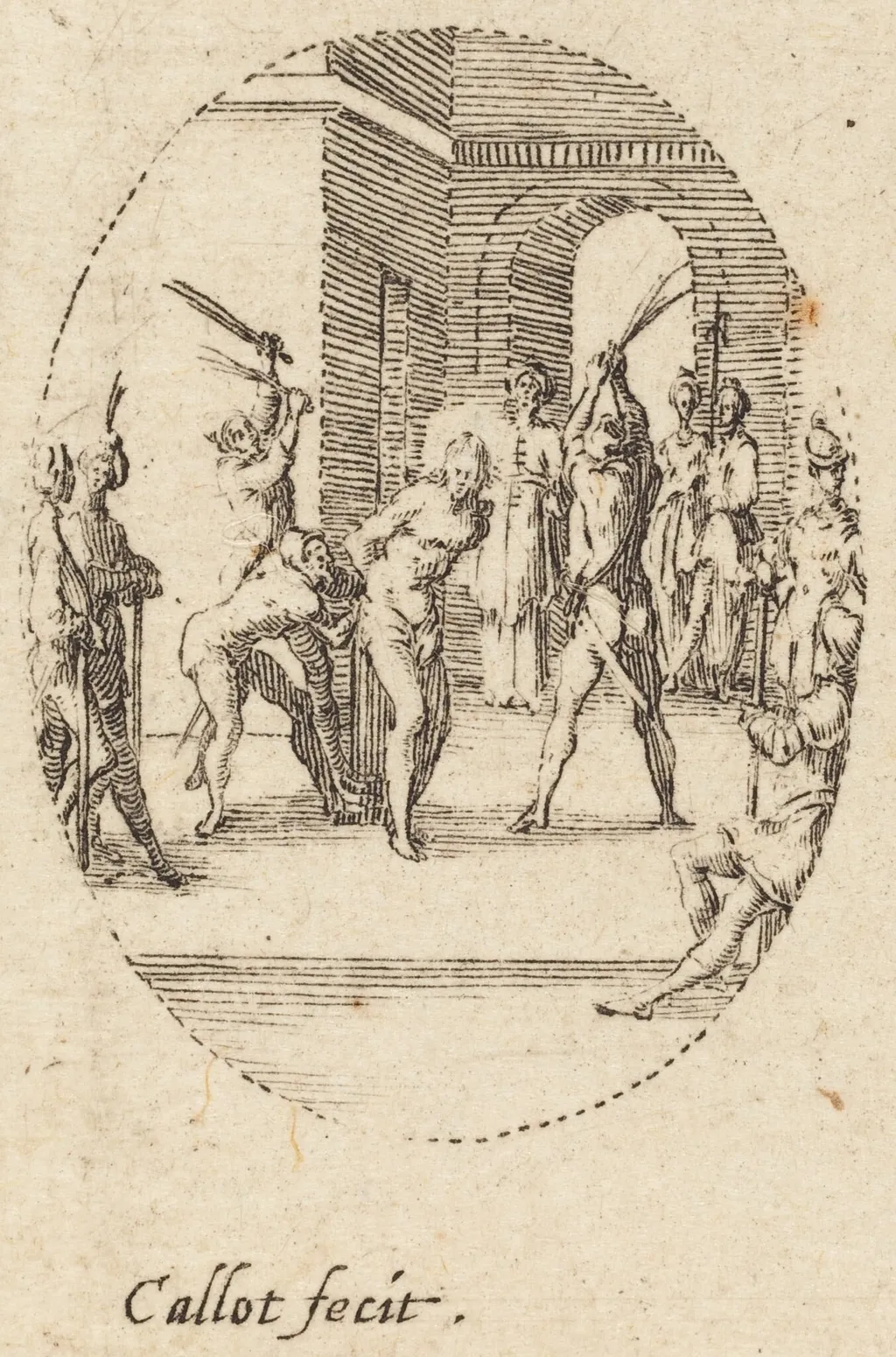
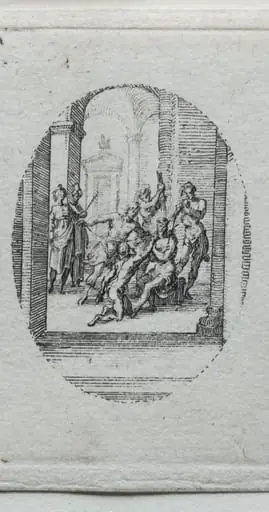
The Flagellation is an ink print by the Baroque artist Jacques Callot. It dates from 1631 and is held in the collection of the National Gallery of Art.
About this work
Overview
The Flagellation, created by Jacques Callot around 1631, is an etching on laid paper that showcases a pivotal religious scene with meticulous detail and dramatic intensity.
Subject & Meaning
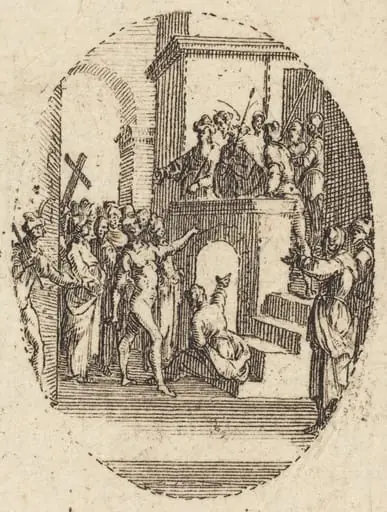
Depicting a dramatic flagellation scene, the etching likely portrays Christ being whipped by two figures, observed by others, set against a simple yet evocative architectural backdrop. The scene conveys profound emotional depth, emphasizing the suffering of the central figure through masterful light and shadow.
Technique & Style
Callot's mastery of etching is evident in the intricate lines, textures, and nuanced deployment of light and shadow, characteristic of the Baroque movement. These elements collectively enhance the scene's dramatic and emotional impact.
History & Provenance
Created circa 1631 by French Baroque printmaker Jacques Callot, known for his prolific output (over 1,400 etchings) spanning religious, contemporary, and military themes. This work exemplifies his religious subject engagement alongside technical proficiency.
Context
Part of Callot's broader religious imagery output, The Flagellation reflects the Baroque emphasis on emotional and dramatic representation, situating it within early 17th-century European artistic and religious discourse.
Legacy
As a representative of Callot's religious etchings, The Flagellation contributes to the artist's enduring legacy in Baroque printmaking, highlighting his ability to evoke profound emotion through technical virtuosity.
Artist & collection
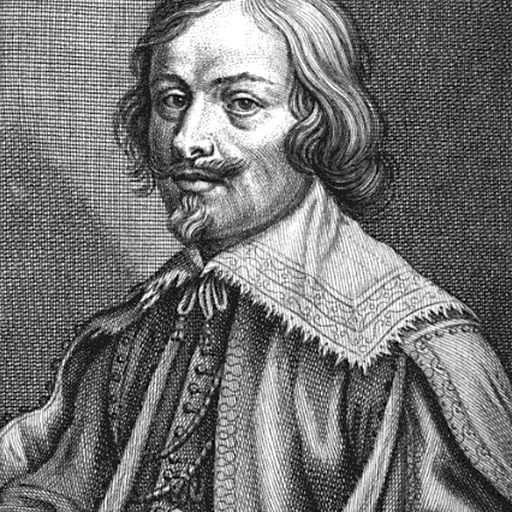
Artist
Jacques Callot was a baroque printmaker and draftsman from the Duchy of Lorraine.

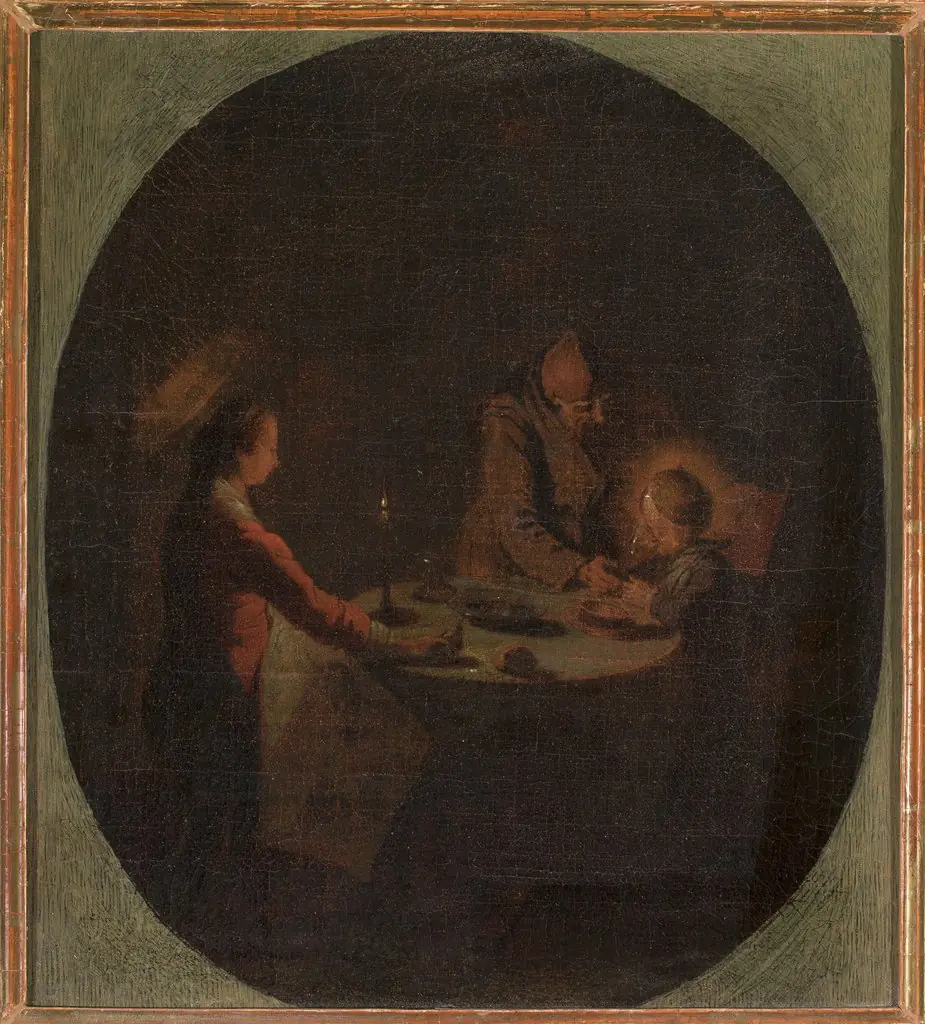 Holy Family at supper
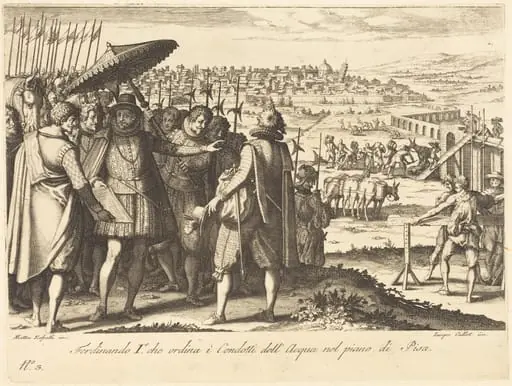 Restoration of the Aqueduct at Pisa
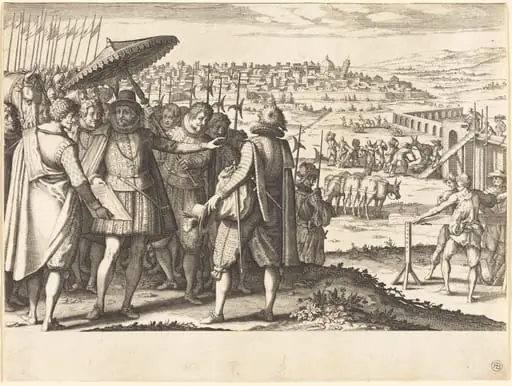 Restoration of the Aqueduct at Pisa
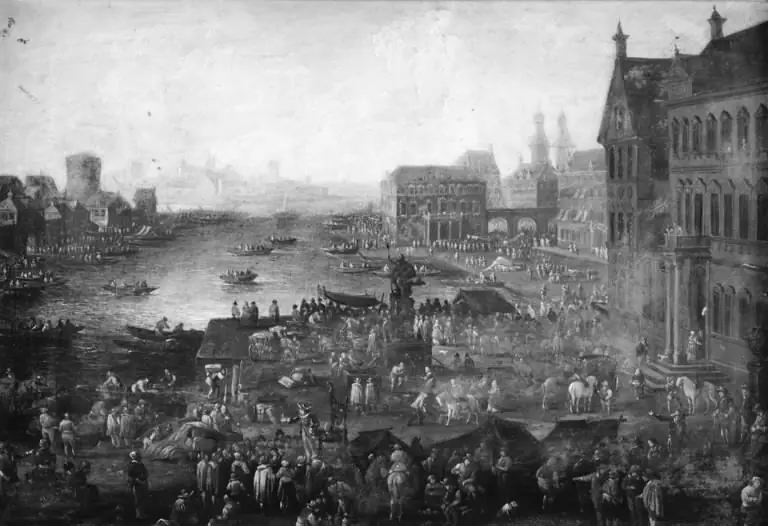 Square in Paris with Many Figures
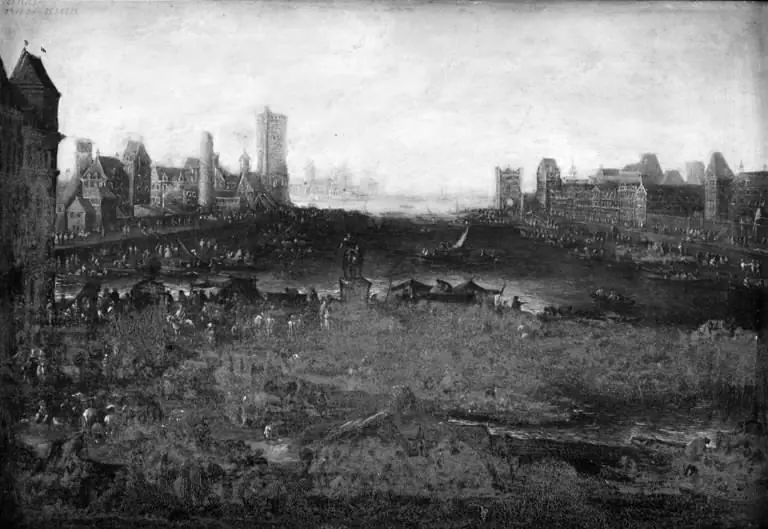 Square in Paris with Many Figures
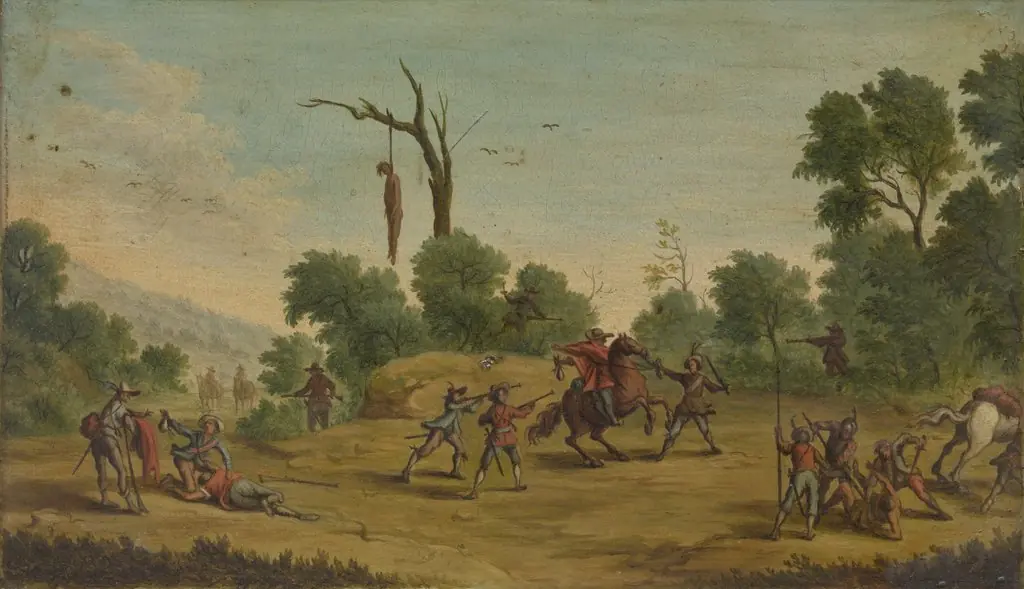 Horsemen Attacked by Robbers
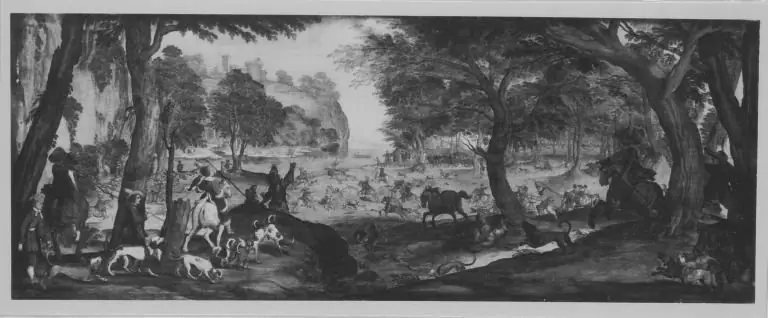 HOW WILL A COVERED PART BE CORRECTED?HOW WIKA A COVERED HEART DEED CORRECTED?
![Christ Walking on the Water [second plate], by Jacques Callot](https://artifactworldgallery.com/img/jacques-callot--christ-walking-on-the-water-second-plate--2069f3bfe4cb2126-w320.webp) Christ Walking on the Water [second plate]
Christ Walking on the Water [second plate]