Artwork
The Marriage at Cana
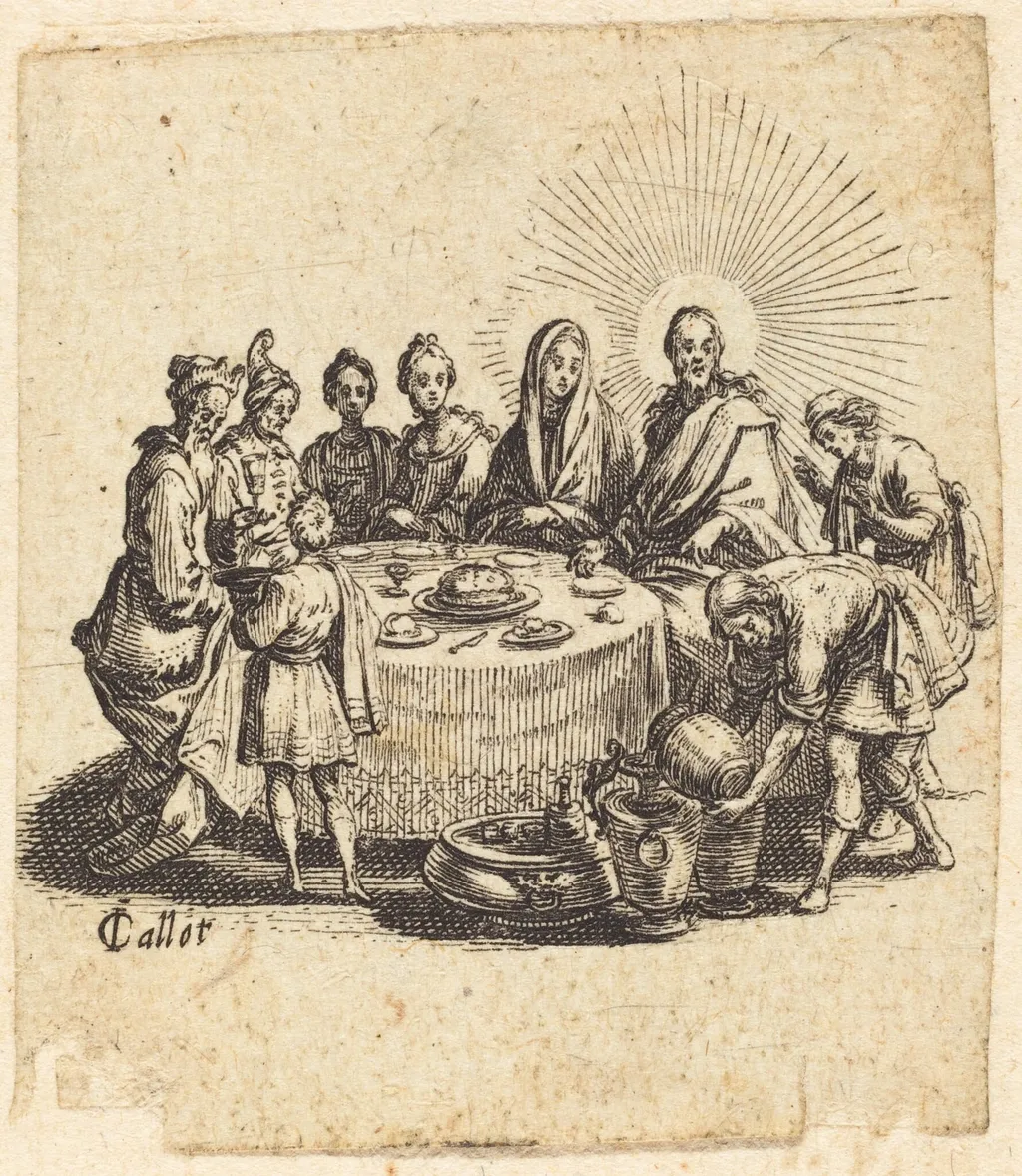
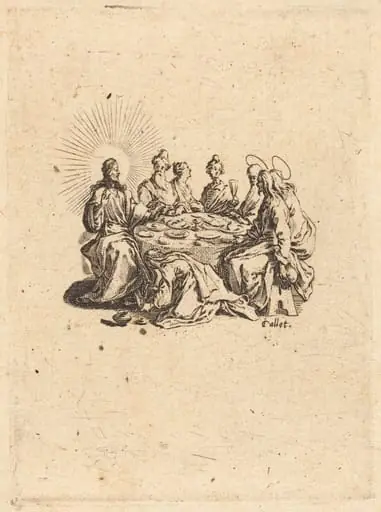
The Marriage at Cana is an ink print by the Baroque artist Jacques Callot. It dates from 1618 and is held in the collection of the National Gallery of Art.
About this work
Overview
Jacques Callot, a printmaker from the Duchy of Lorraine, produced *The Marriage at Cana* in 1618 as an etching on laid paper.
Jacques Callot, a printmaker from the Duchy of Lorraine, produced *The Marriage at Cana* in 1618 as an etching on laid paper. Part of a prolific body of over 1,400 works, this print belongs to his series of religious subjects. Unlike his more famous depictions of war and street life, this piece engages with a biblical narrative, demonstrating his range within the medium of etching and his ability to translate complex scenes into fine linear detail.
Subject & Meaning
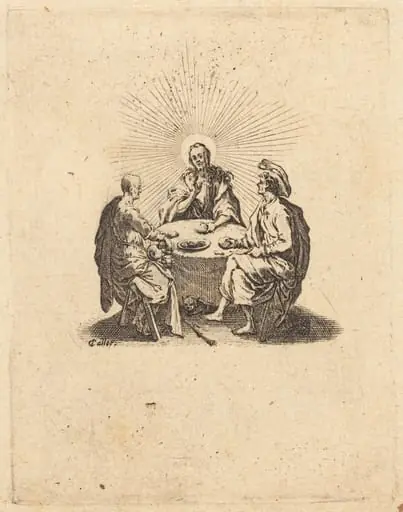
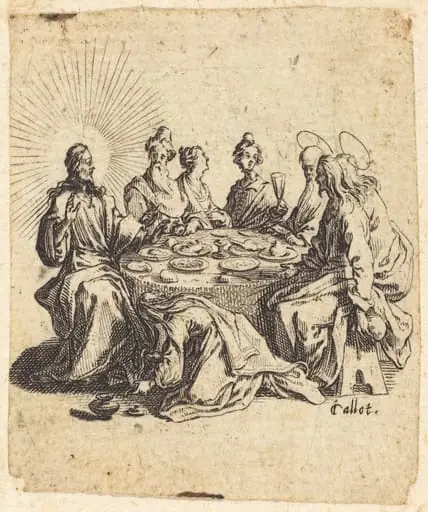
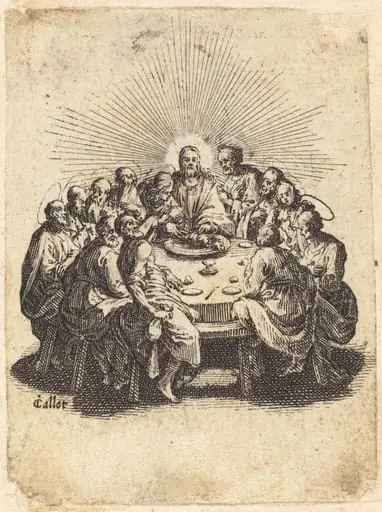
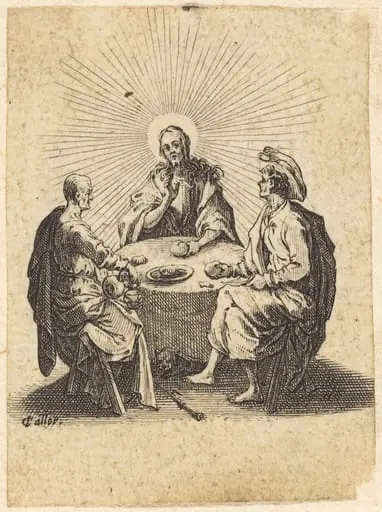
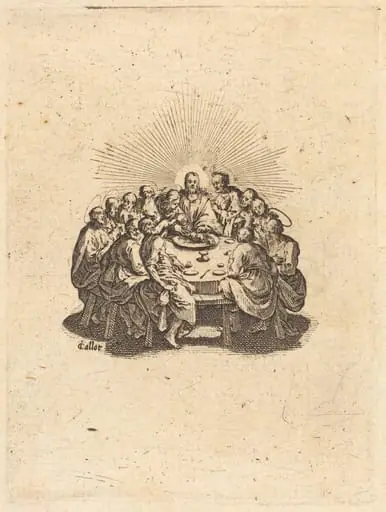
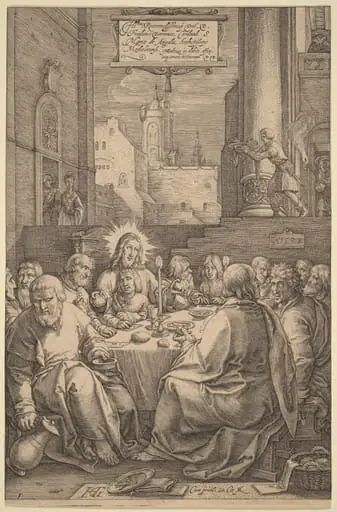
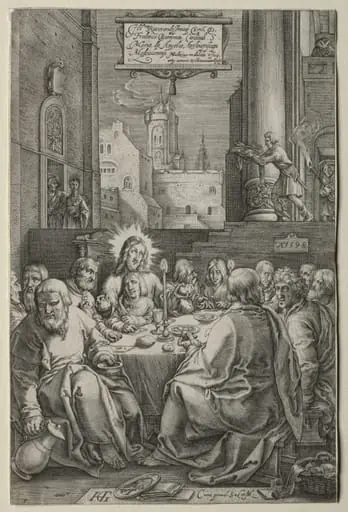
The scene depicts the miracle at Cana, where Christ turns water into wine, as described in the Gospel of John. A central figure, marked by a subtle halo, presides over a banquet attended by guests, servants, and children. The composition emphasizes order amid activity: figures are arranged around a laden table, with gestures and glances suggesting ritual and reverence. The inclusion of kneeling figures and offerings underscores themes of humility and divine intervention within a domestic setting.
Technique & Style
Callot employed fine-line etching to render intricate textures—the folds of linen, the sheen of ceramic vessels, the grain of wooden tables—with precision. His use of cross-hatching and delicate contours creates depth without heavy shading, characteristic of early 17th-century Northern printmaking. The light falling on the central figure is suggested not by contrast but by the density of surrounding lines, guiding the viewer’s eye through controlled composition rather than dramatic chiaroscuro.
History & Provenance
Created in 1618 during Callot’s time in Florence, the print reflects his exposure to Italian art and religious iconography. It was likely produced for a private or ecclesiastical audience, given its devotional subject. Few early impressions survive, and those that do are held in major European collections, including the Bibliothèque nationale de France and the British Museum, indicating its early circulation among connoisseurs of printmaking.
Context
In early 17th-century Europe, religious imagery remained central to print culture, even as secular themes gained ground. Callot’s engagement with biblical stories aligned with Counter-Reformation interests in visual piety. His etchings, widely distributed, served both devotional and educational purposes. Unlike large-scale altarpieces, his small-scale prints allowed personal contemplation, making sacred narratives accessible beyond church walls.
Legacy
Callot’s *The Marriage at Cana* exemplifies the potential of etching to convey narrative complexity with minimal means. His technical innovations influenced later generations of printmakers, particularly in the rendering of crowd scenes and architectural detail. Though less celebrated than his war series, this work remains a quiet testament to his ability to merge spiritual gravity with meticulous observation, shaping how religious stories were visually transmitted in print.
Artist & collection
Artist
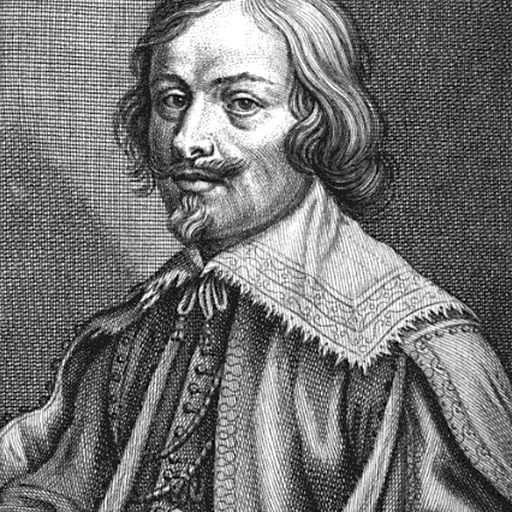
Jacques Callot was a baroque printmaker and draftsman from the Duchy of Lorraine.

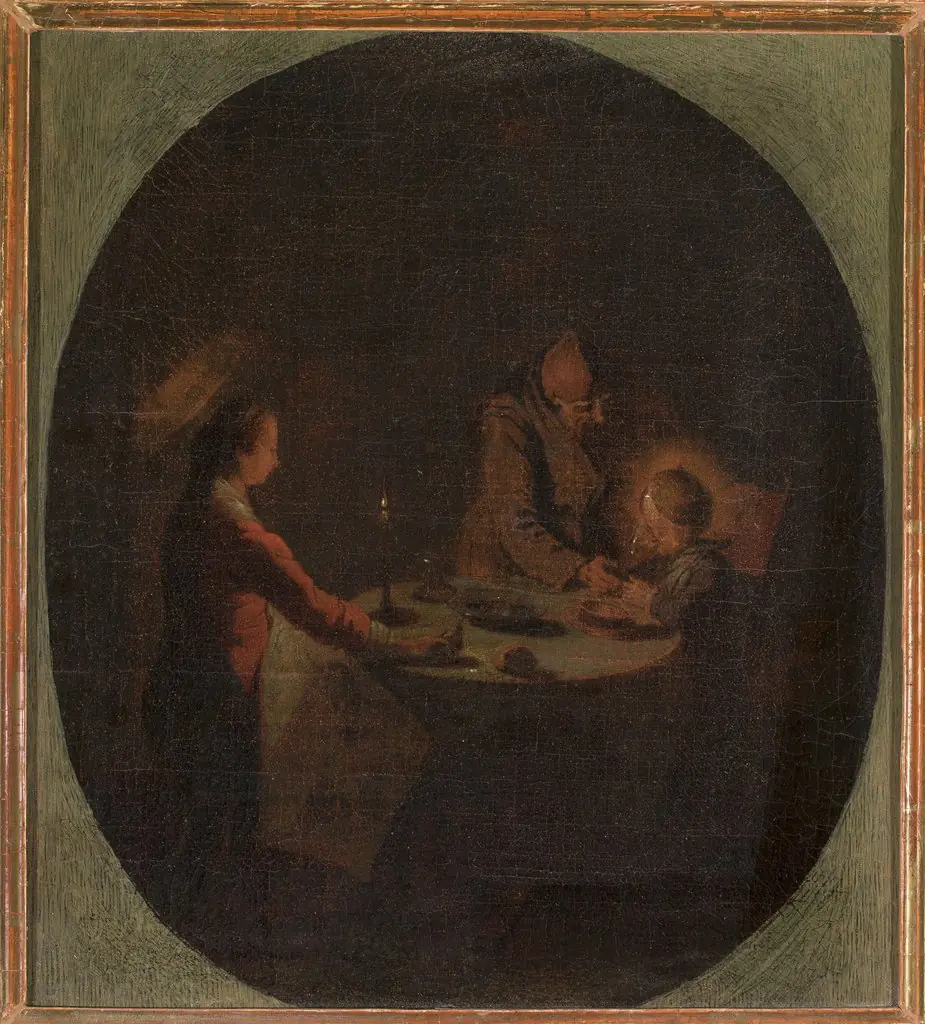 Holy Family at supper
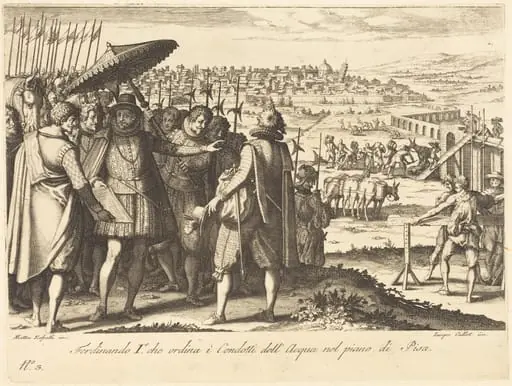 Restoration of the Aqueduct at Pisa
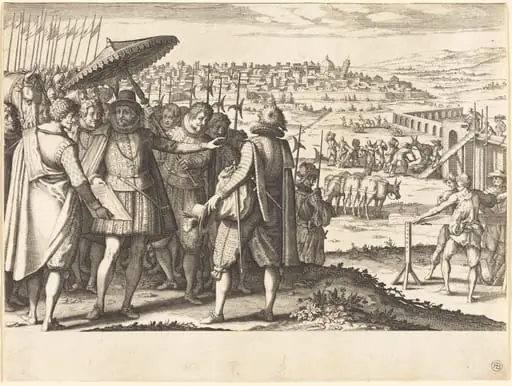 Restoration of the Aqueduct at Pisa
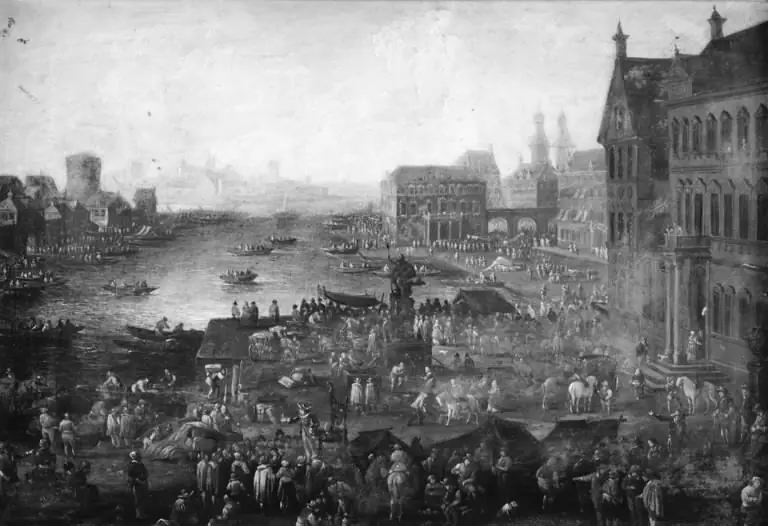 Square in Paris with Many Figures
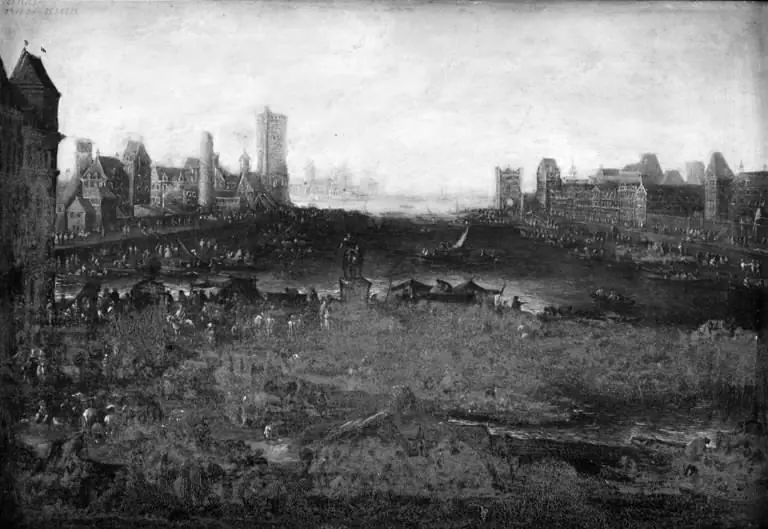 Square in Paris with Many Figures
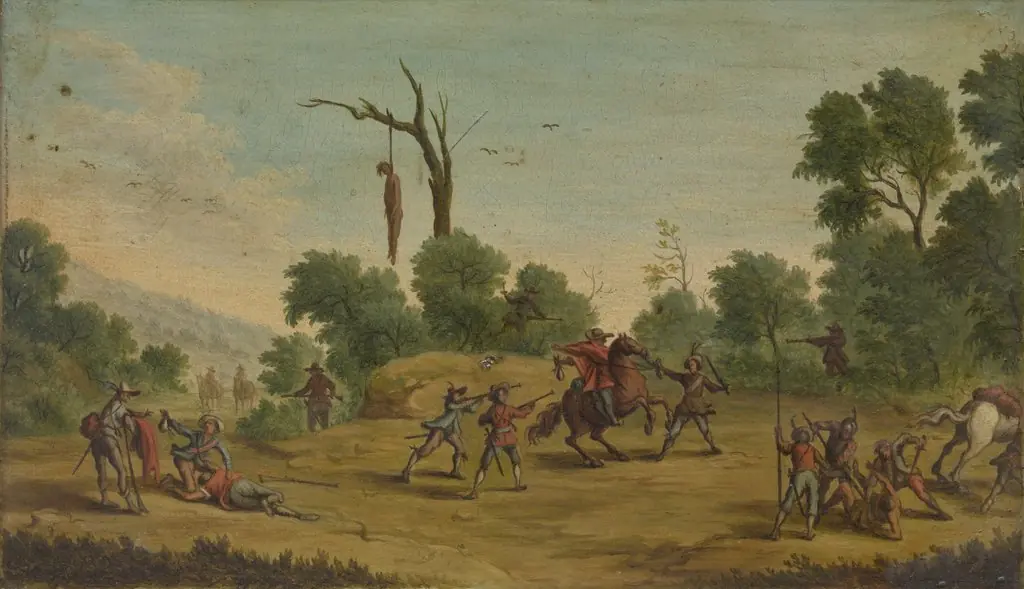 Horsemen Attacked by Robbers
 HOW WILL A COVERED PART BE CORRECTED?HOW WIKA A COVERED HEART DEED CORRECTED?
![Christ Walking on the Water [second plate], by Jacques Callot](https://artifactworldgallery.com/img/jacques-callot--christ-walking-on-the-water-second-plate--2069f3bfe4cb2126-w320.webp) Christ Walking on the Water [second plate]
Christ Walking on the Water [second plate]