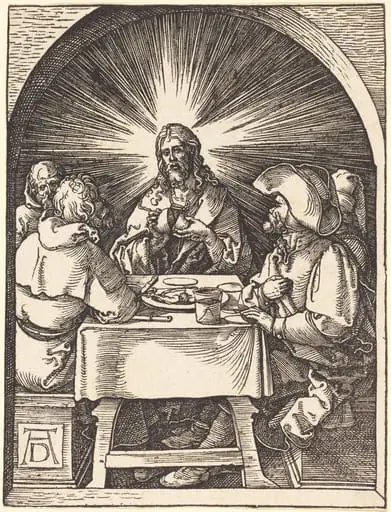
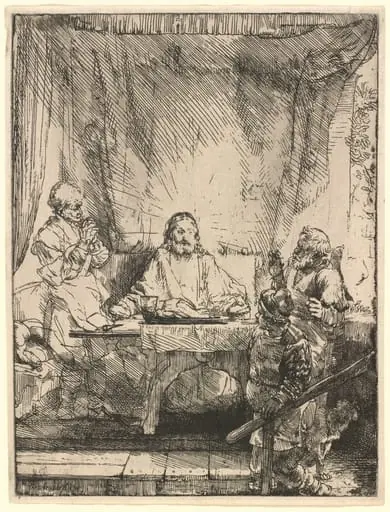
Artwork
The Supper at Emmaus
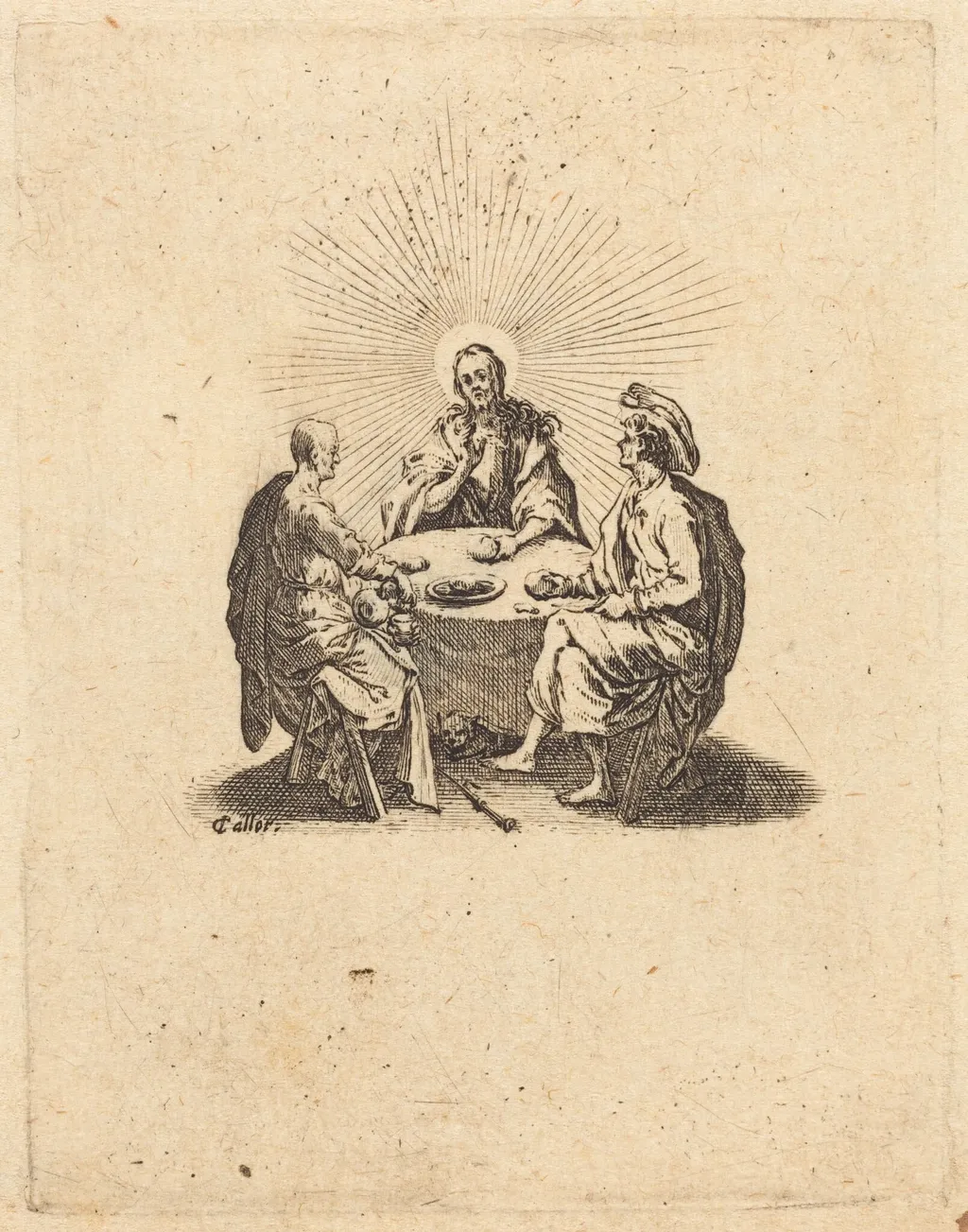
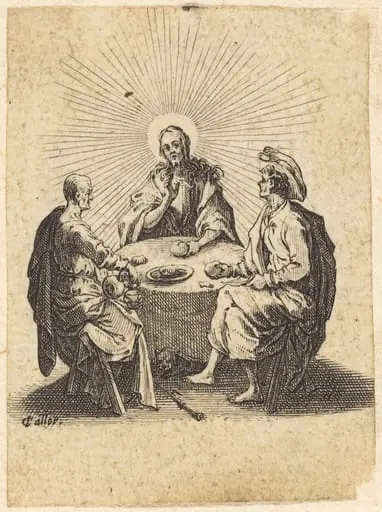
The Supper at Emmaus is an ink print by the Baroque artist Jacques Callot. It dates from 1618 and is held in the collection of the National Gallery of Art.
About this work
Overview
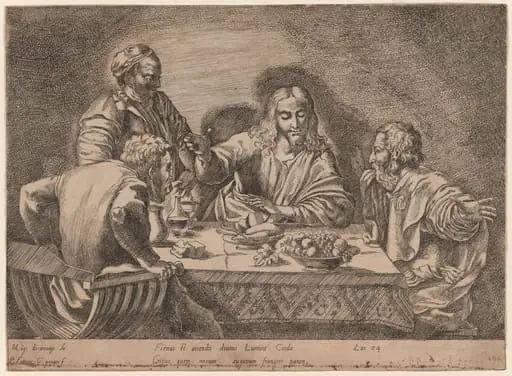
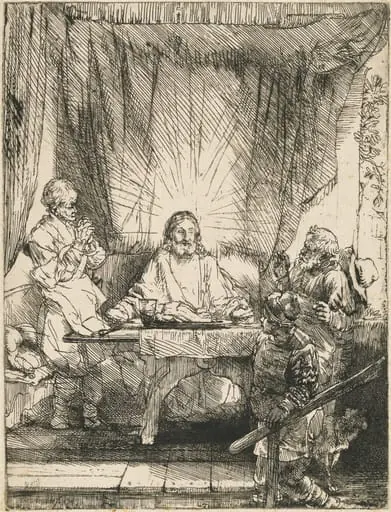
Jacques Callot’s 1618 etching captures the biblical moment when the resurrected Christ is recognized by two disciples during a meal in Emmaus.
Jacques Callot’s 1618 etching captures the biblical moment when the resurrected Christ is recognized by two disciples during a meal in Emmaus. Executed in black ink on laid paper, the work is one of over 1,400 prints by the Lorraine-born artist, who refined etching techniques to achieve fine detail and atmospheric depth. This piece exemplifies his focus on narrative clarity and emotional restraint within religious subjects.
Subject & Meaning
The scene illustrates Luke’s account of Christ’s post-resurrection appearance, moments before his identity is revealed. The central figure, Christ, lifts bread as light descends from above, signaling divine presence. The two disciples lean forward, their expressions intent, while the setting remains unadorned. The absence of ornamentation directs attention to the quiet revelation, emphasizing spiritual recognition over spectacle.
Technique & Style
Callot employed fine-line etching to render subtle gradations of tone and texture, using controlled burin work to define folds of fabric, wooden surfaces, and the glow of divine light. His precise incisions create a sense of volume without heavy shading, characteristic of his mature style. The composition is tightly framed, eliminating extraneous detail to heighten the intimacy of the moment.
History & Provenance
Created in 1618 during Callot’s early career in Florence, the print reflects his exposure to Italian religious art and Counter-Reformation imagery. It was likely produced for a devotional or scholarly audience, circulating among collectors and clergy. The work remains part of major print collections today, valued for its technical precision and narrative economy.
Context
In early 17th-century Europe, religious prints served as accessible tools for meditation and instruction. Callot’s etchings responded to the Catholic Church’s emphasis on visual piety following the Council of Trent. His depictions of biblical scenes, often drawn from direct observation, balanced doctrinal clarity with human realism, distinguishing them from more stylized contemporaries.
Legacy
Callot’s *Supper at Emmaus* contributed to the elevation of etching as a medium for serious religious storytelling. His ability to convey psychological depth through minimal means influenced later printmakers across Europe. Though less known than his military scenes, this work exemplifies his quiet mastery in translating sacred narrative into intimate, luminous form.
Artist & collection
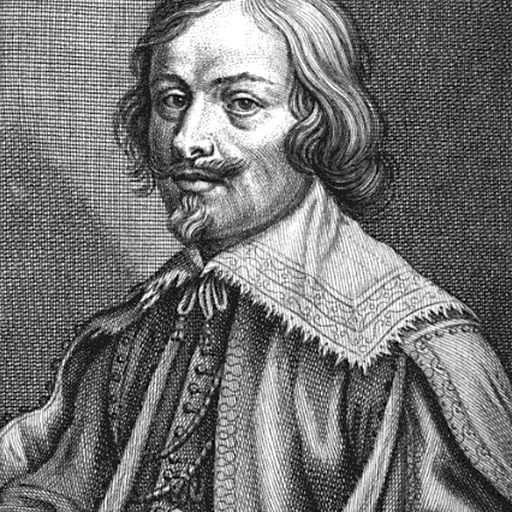
Artist
Jacques Callot was a baroque printmaker and draftsman from the Duchy of Lorraine.

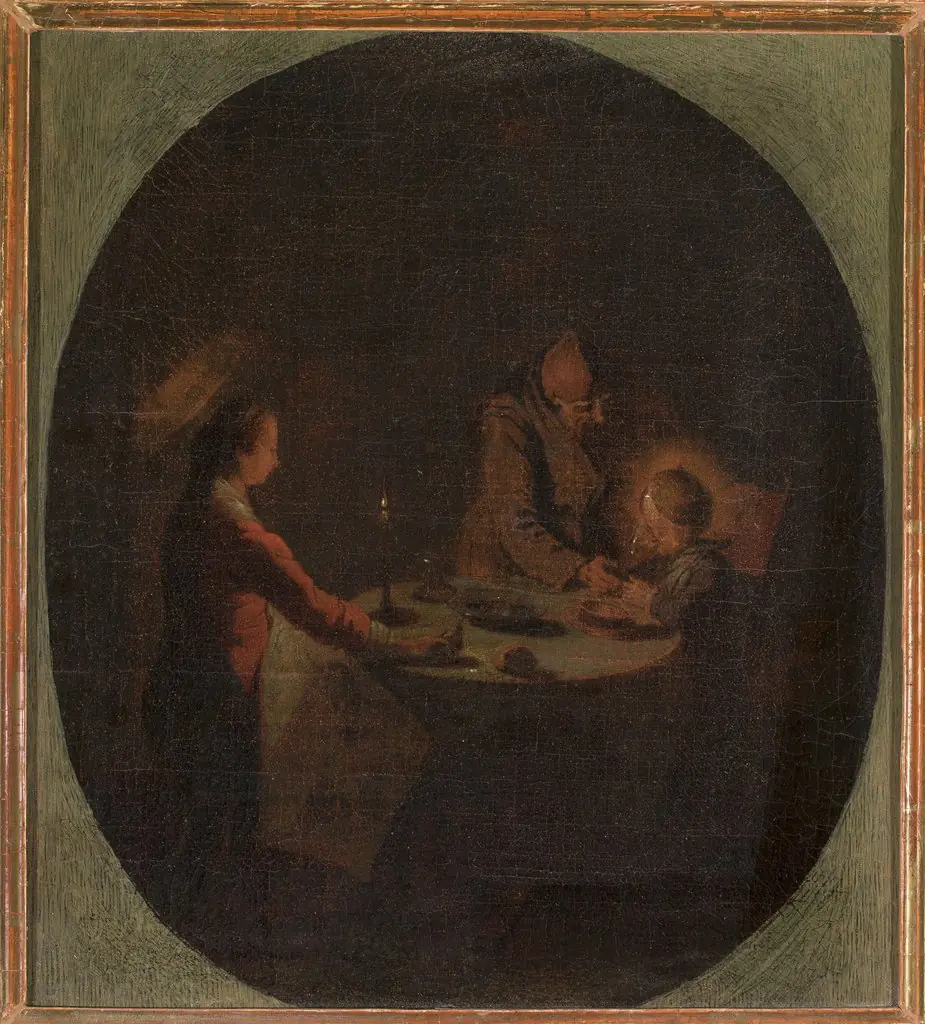 Holy Family at supper
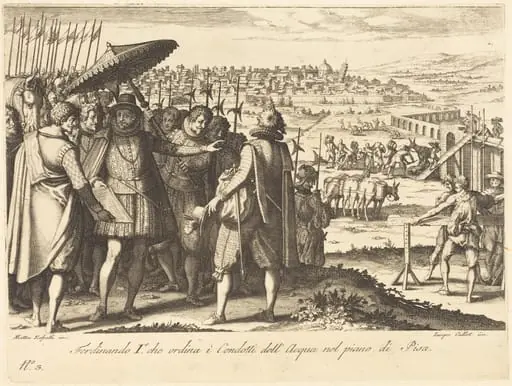 Restoration of the Aqueduct at Pisa
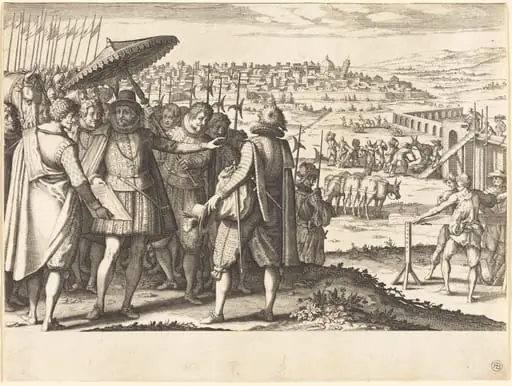 Restoration of the Aqueduct at Pisa
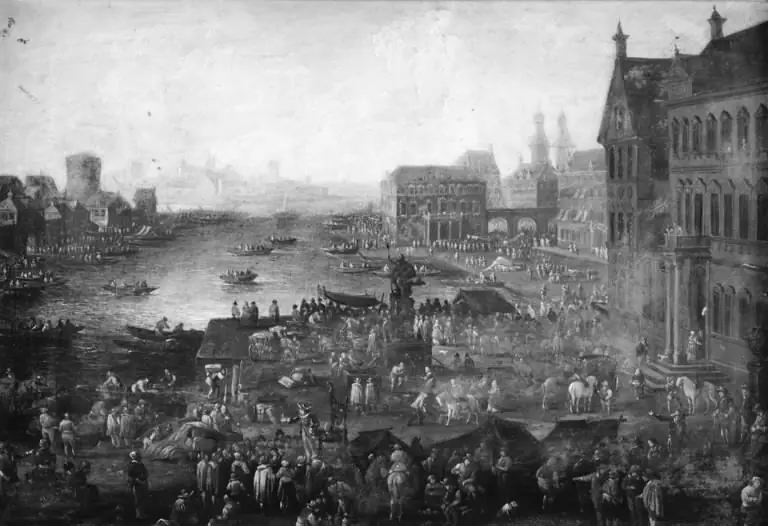 Square in Paris with Many Figures
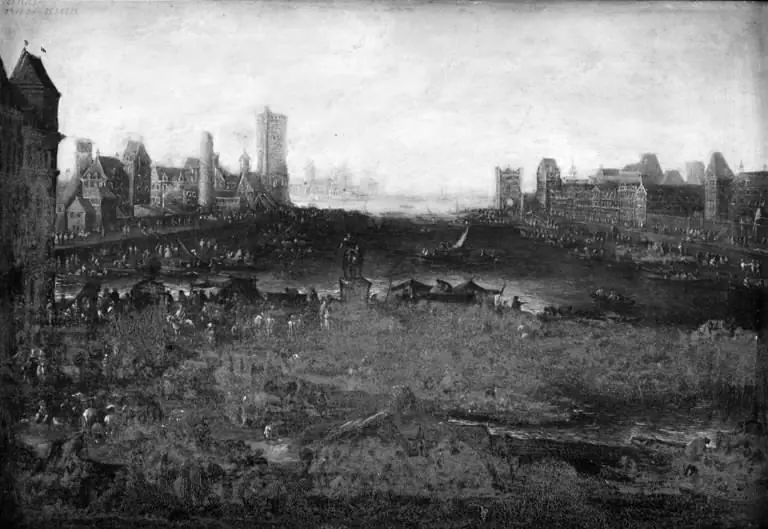 Square in Paris with Many Figures
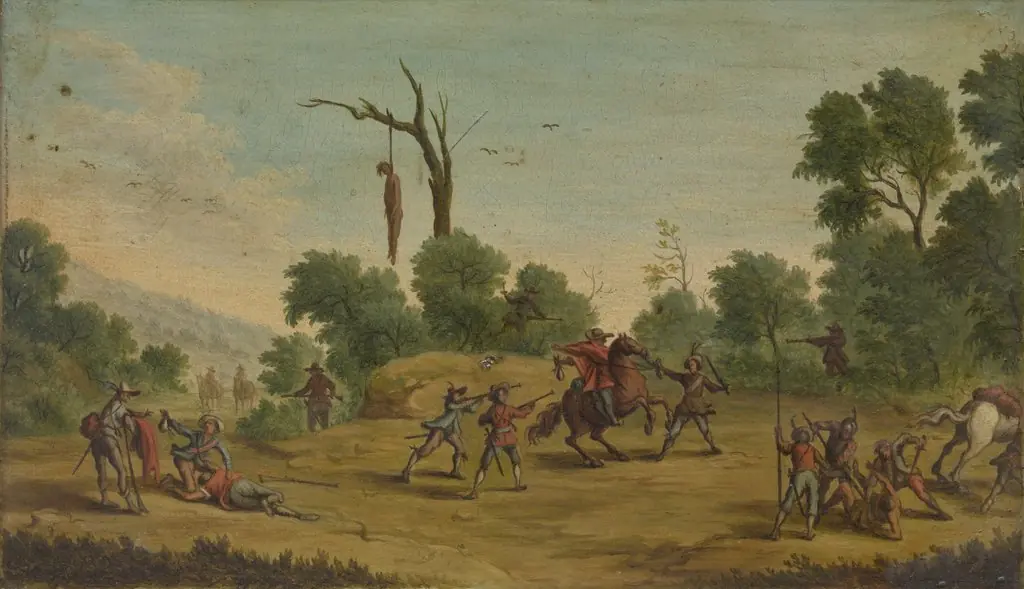 Horsemen Attacked by Robbers
 HOW WILL A COVERED PART BE CORRECTED?HOW WIKA A COVERED HEART DEED CORRECTED?
![Christ Walking on the Water [second plate], by Jacques Callot](https://artifactworldgallery.com/img/jacques-callot--christ-walking-on-the-water-second-plate--2069f3bfe4cb2126-w320.webp) Christ Walking on the Water [second plate]
Christ Walking on the Water [second plate]