Artwork
The Two Crowns
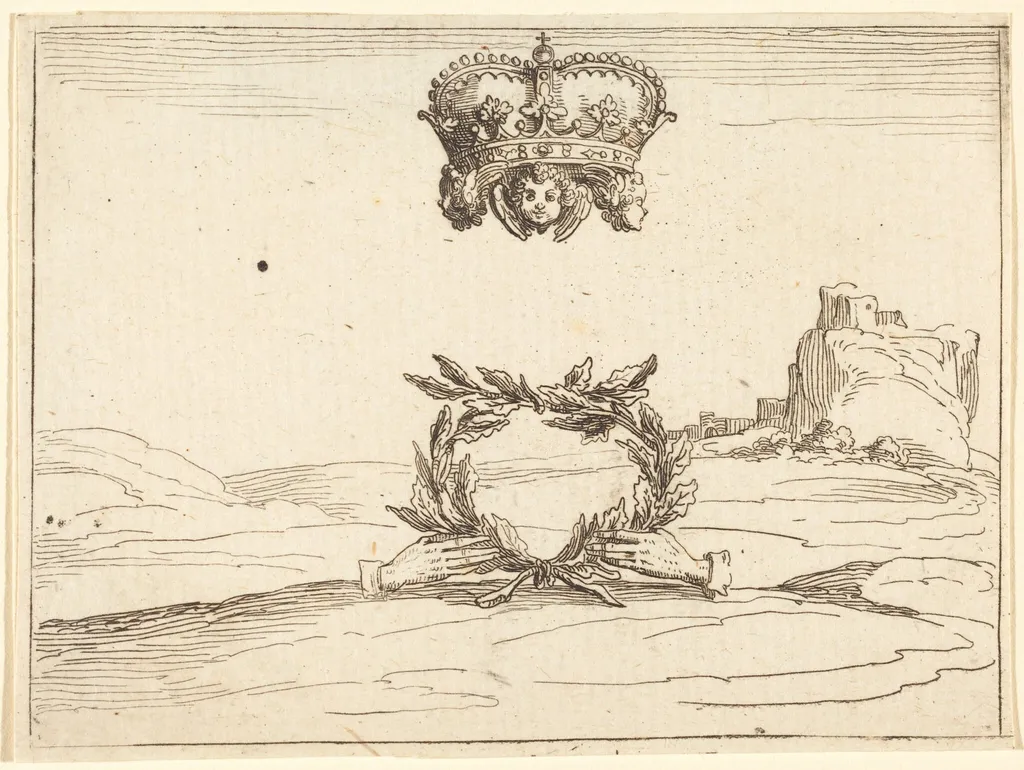
The Two Crowns is an ink print by the Renaissance artist Jacques Callot. It dates from 1628 and is held in the collection of the National Gallery of Art.
About this work
Overview
Created in 1628, *The Two Crowns* is an etching on laid paper by Jacques Callot, a prolific French printmaker from Lorraine. The composition presents two crowned figures against a landscape that includes rolling hills and a distant castle, rendered entirely in black ink. The work exemplifies Callot’s capacity to combine intricate detail with a clear, graphic structure.
Subject & Meaning
The central motif consists of a crown bearing a stylized face surrounded by floral elements, beneath which a leafy wreath tied with a ribbon is displayed. The juxtaposition of regal symbols and natural motifs suggests a commentary on authority, possibly contrasting secular power with a more organic, perhaps even ceremonial, form of rule.
Technique & Style
Callot employed fine, bold lines to delineate the crowns and foliage, while delicate cross‑hatching creates texture in the hills and castle background. The use of stark black against the white of the laid paper enhances depth, allowing the viewer’s eye to move from the ornate crowns to the expansive scenery.
History & Provenance
Part of Callot’s extensive output—over fourteen hundred etchings—*The Two Crowns* reflects his interest in a wide range of subjects, from courtly scenes to marginalized groups. Produced during his early period, the print illustrates the baroque fascination with elaborate ornamentation and the artist’s skill in capturing both human figures and landscape within a single plate.
Artist & collection
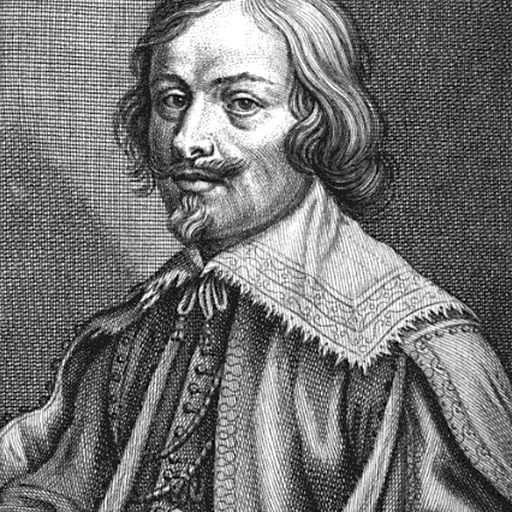
Artist
Jacques Callot was a baroque printmaker and draftsman from the Duchy of Lorraine.

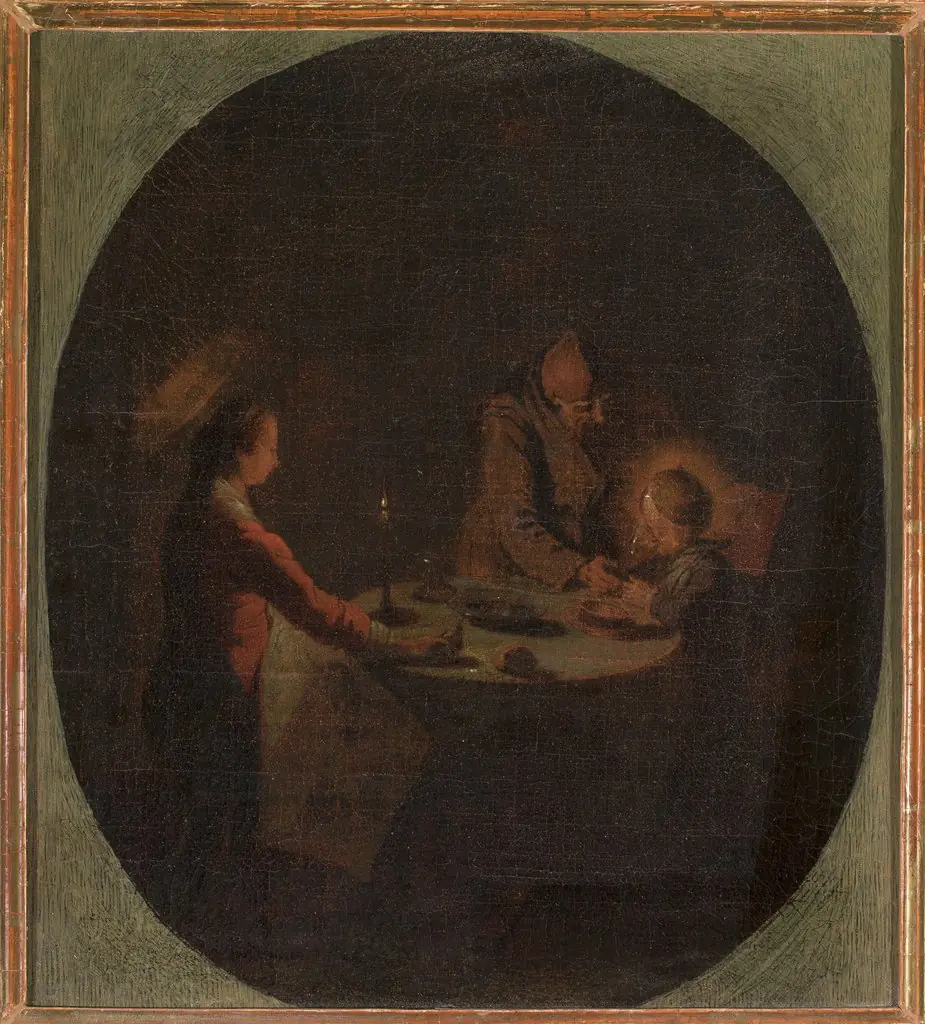 Holy Family at supper
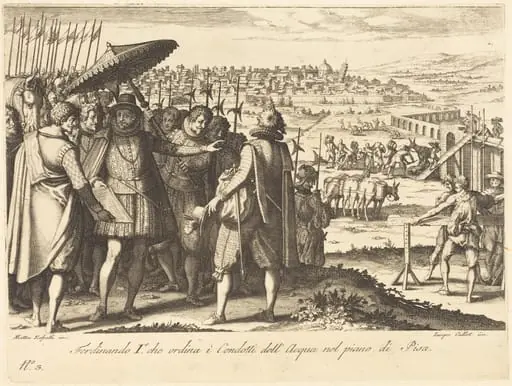 Restoration of the Aqueduct at Pisa
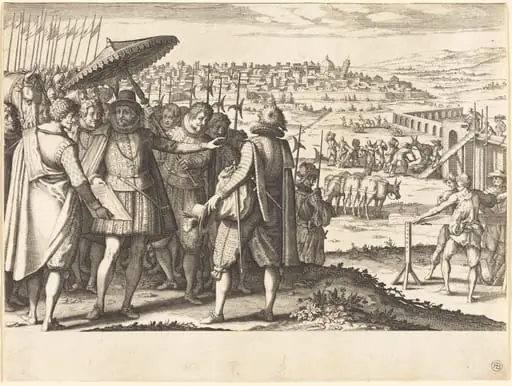 Restoration of the Aqueduct at Pisa
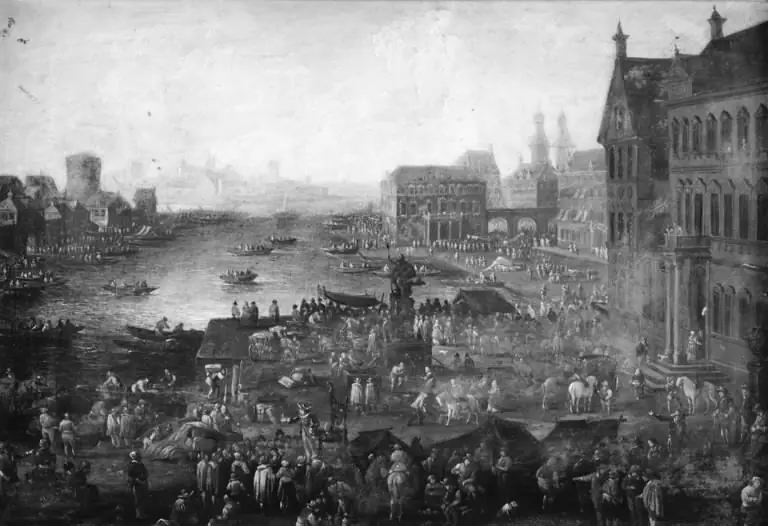 Square in Paris with Many Figures
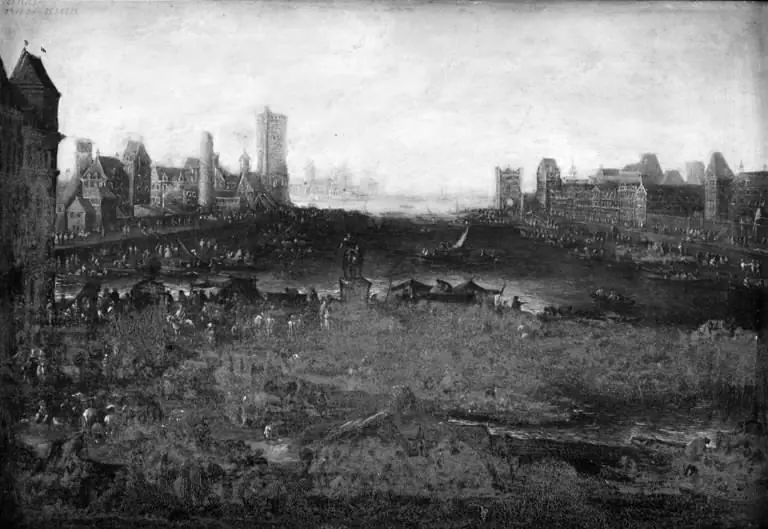 Square in Paris with Many Figures
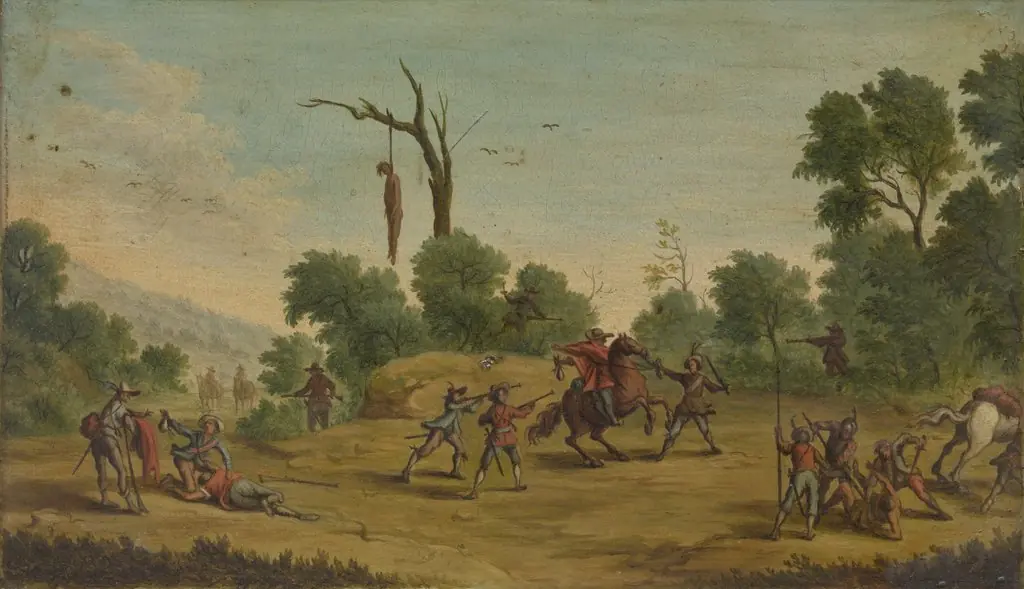 Horsemen Attacked by Robbers
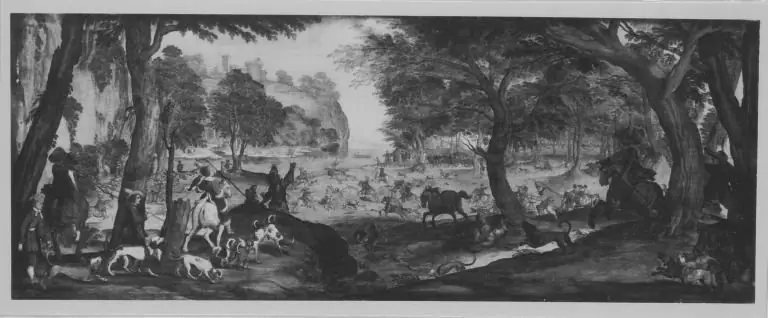 HOW WILL A COVERED PART BE CORRECTED?HOW WIKA A COVERED HEART DEED CORRECTED?
![Christ Walking on the Water [second plate], by Jacques Callot](https://artifactworldgallery.com/img/jacques-callot--christ-walking-on-the-water-second-plate--2069f3bfe4cb2126-w320.webp) Christ Walking on the Water [second plate]
Christ Walking on the Water [second plate]
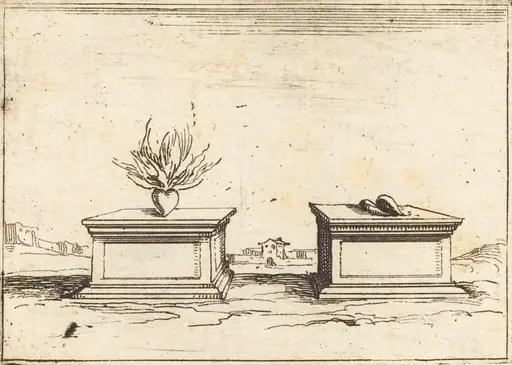 Two Hearts
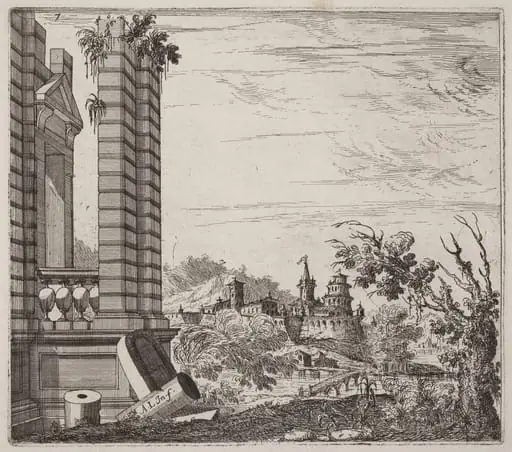 Fantastic River Landscape with Ruins and a Castle
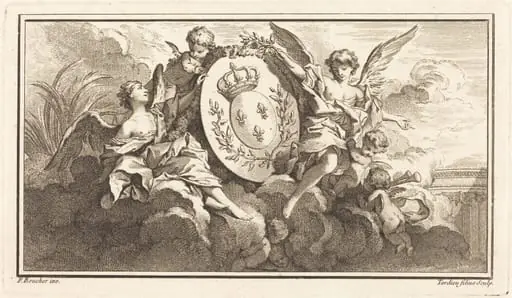 Royal Coat of Arms of Louis XV
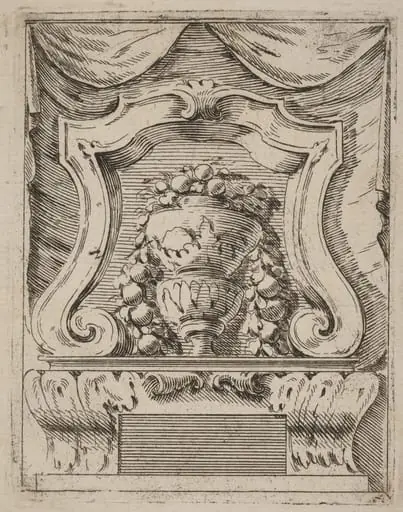 Architectural Motif with Fruit in a Vase
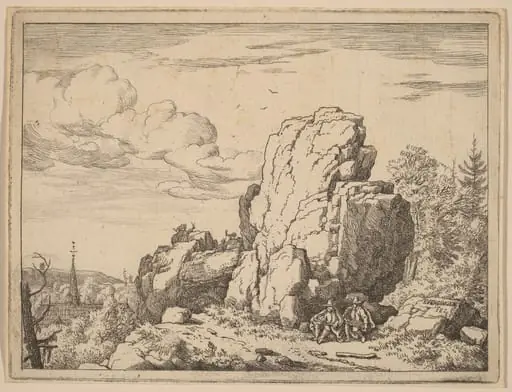 Two Men Seated at the Foot of a High Rock
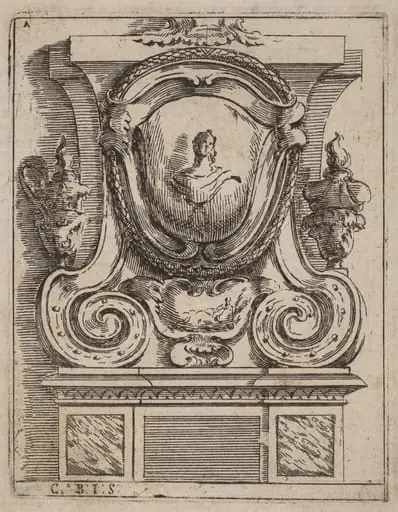 Architectural Motif with Bust and Two Lamps
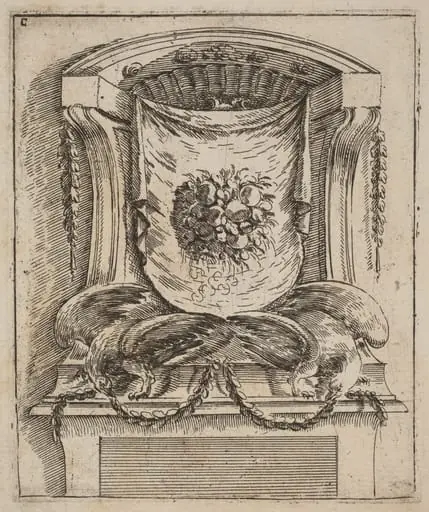 Architectural Motif with a Drape with Fruit
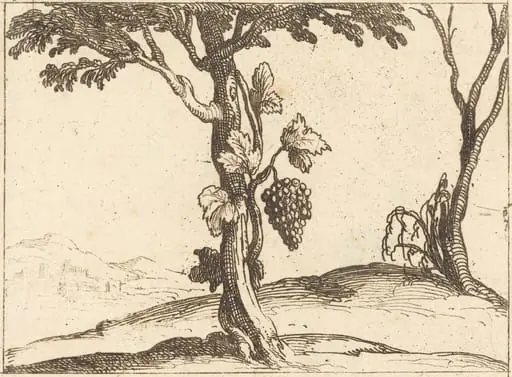 Bunch of Grapes
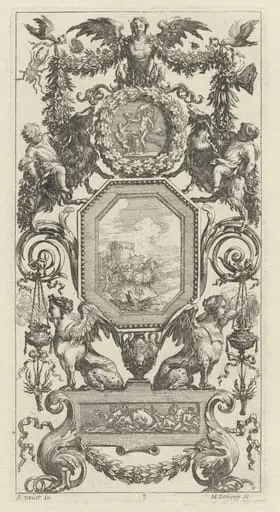 Ornamental Panel Surmounted by a Winged Harpy
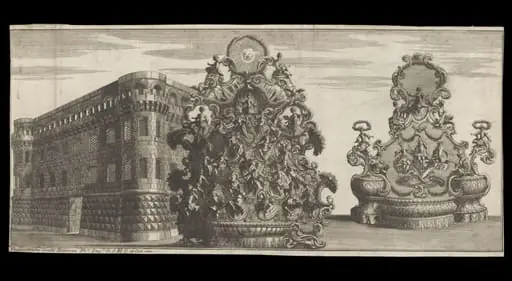 H Beard Print Collection