Artwork
Two Hearts
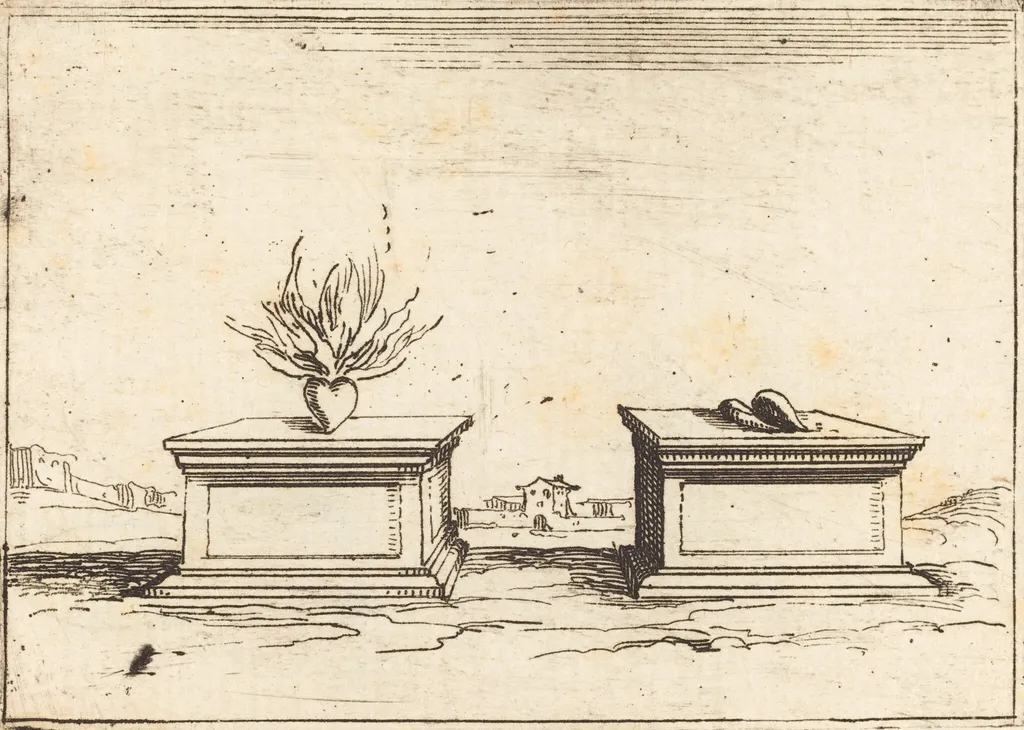
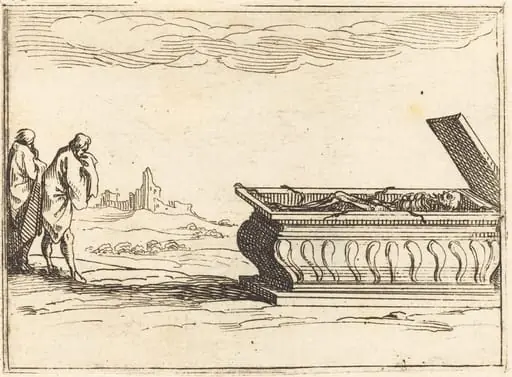
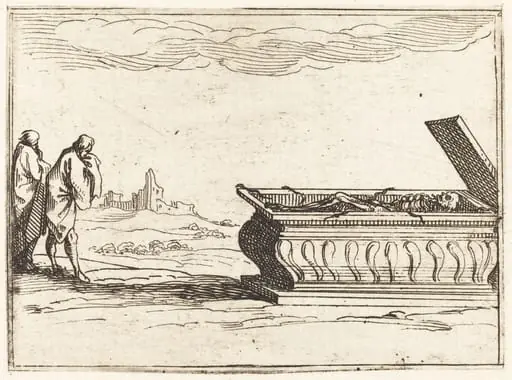
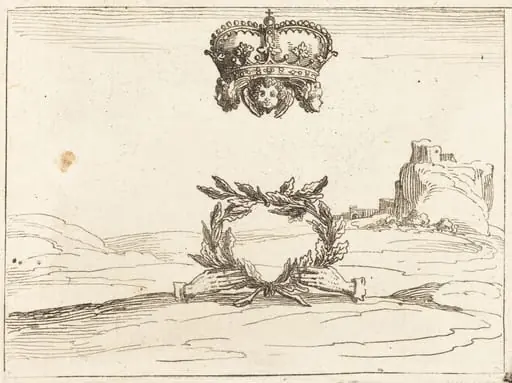
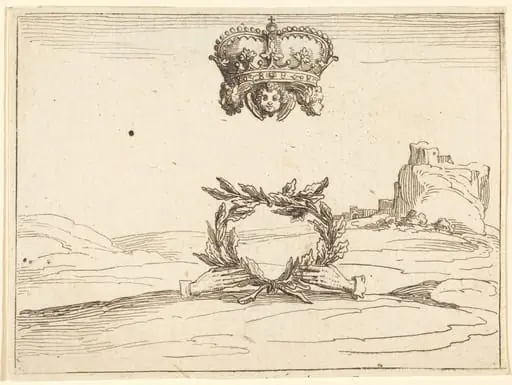
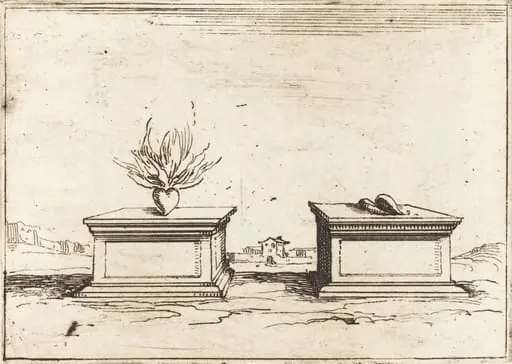
Two Hearts is an ink print by the Baroque artist Jacques Callot. It dates from 1628 and is held in the collection of the National Gallery of Art.
About this work
Overview
Two Hearts is a 1628 etching on laid paper by Jacques Callot, a French Baroque printmaker from the Duchy of Lorraine, known for his prolific contributions to old master printmaking.
Subject & Meaning
The etching depicts two stone boxes, resembling sarcophagi, on a shallow platform. One contains a heart-shaped vase with a sprouting plant, symbolizing life or memory, while the other holds a sleeping cat, introducing a contrasting note of peacefulness. The overall stillness imbues the scene with an air of a paused, enigmatic narrative.
Technique & Style
Callot demonstrates his characteristic skill in combining detailed figures (here, the boxes and their contents) with a more subdued, expansive background, featuring faint distant buildings and suggested water, all achieved through precise etching lines.
History & Provenance
Created in 1628, Two Hearts is part of Callot's extensive oeuvre of over 1,400 etchings, which broadly documented 17th-century life, including military, religious, and everyday themes.
Context
Within Callot's body of work, Two Hearts reflects his ability to craft intimate, symbolic scenes alongside his more populous and dynamic compositions of contemporary life and landscapes.
Legacy
While specific legacy details of Two Hearts are not highlighted, the piece contributes to Callot's enduring reputation as a master etcher, influencing the development of printmaking techniques and the interpretation of symbolic imagery in art.
Artist & collection
Artist
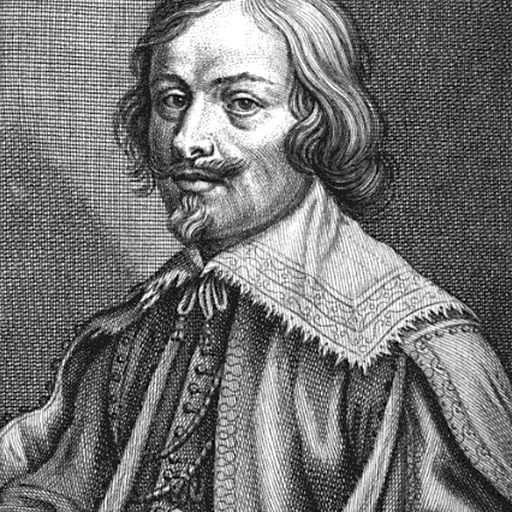
Jacques Callot was a baroque printmaker and draftsman from the Duchy of Lorraine.

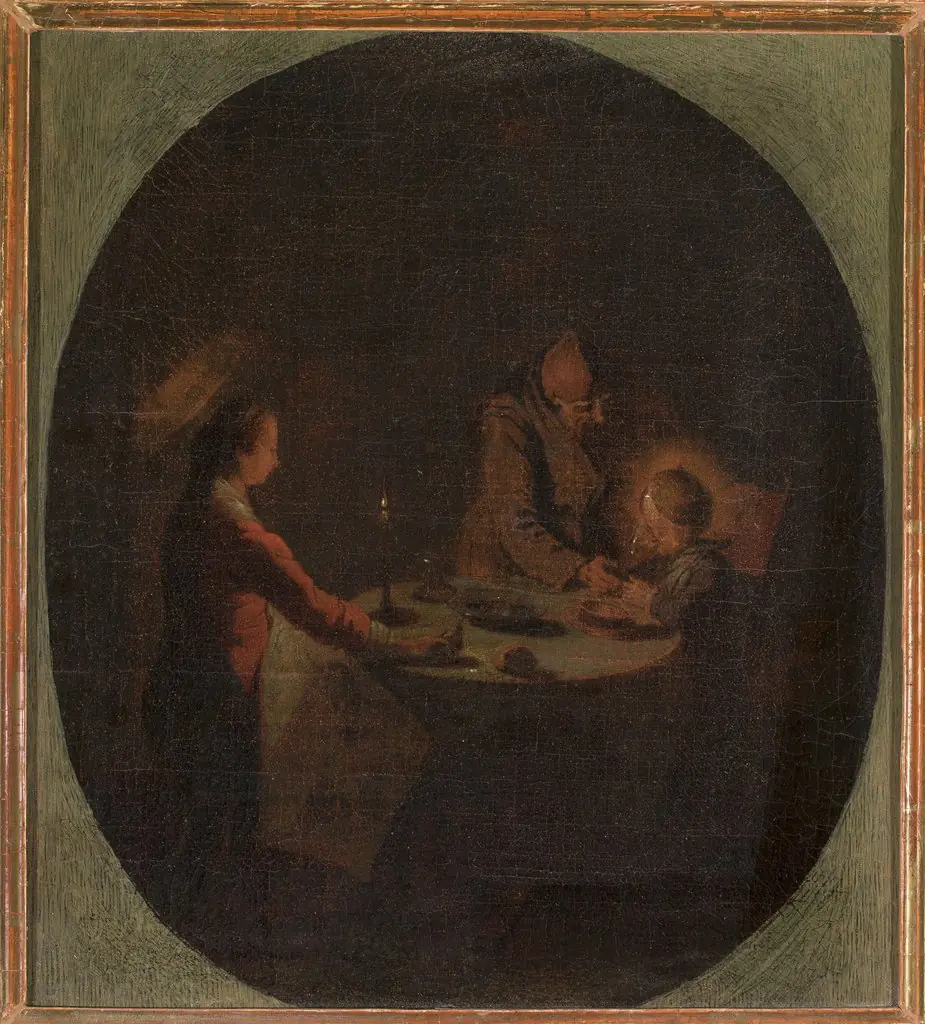 Holy Family at supper
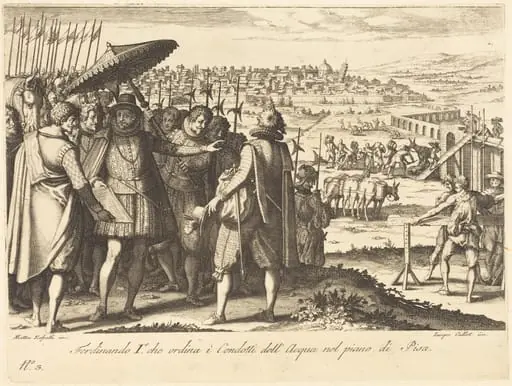 Restoration of the Aqueduct at Pisa
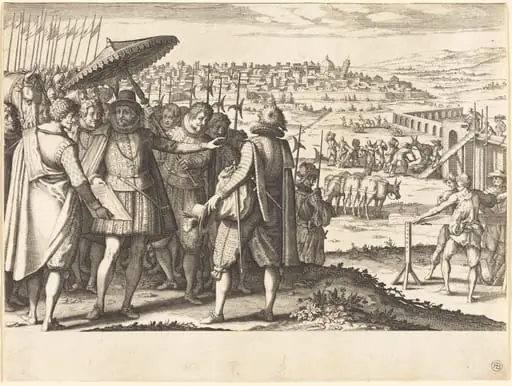 Restoration of the Aqueduct at Pisa
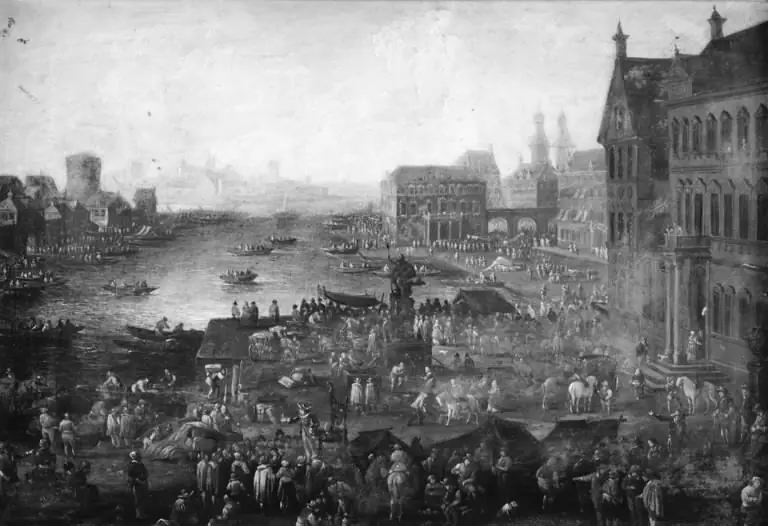 Square in Paris with Many Figures
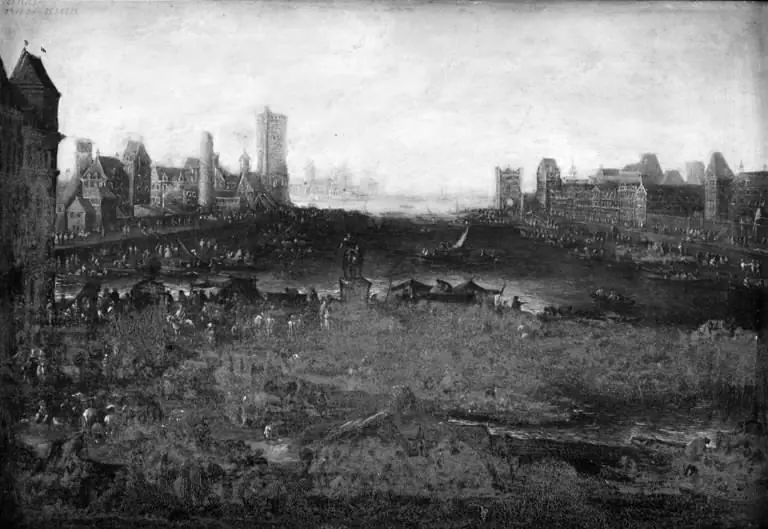 Square in Paris with Many Figures
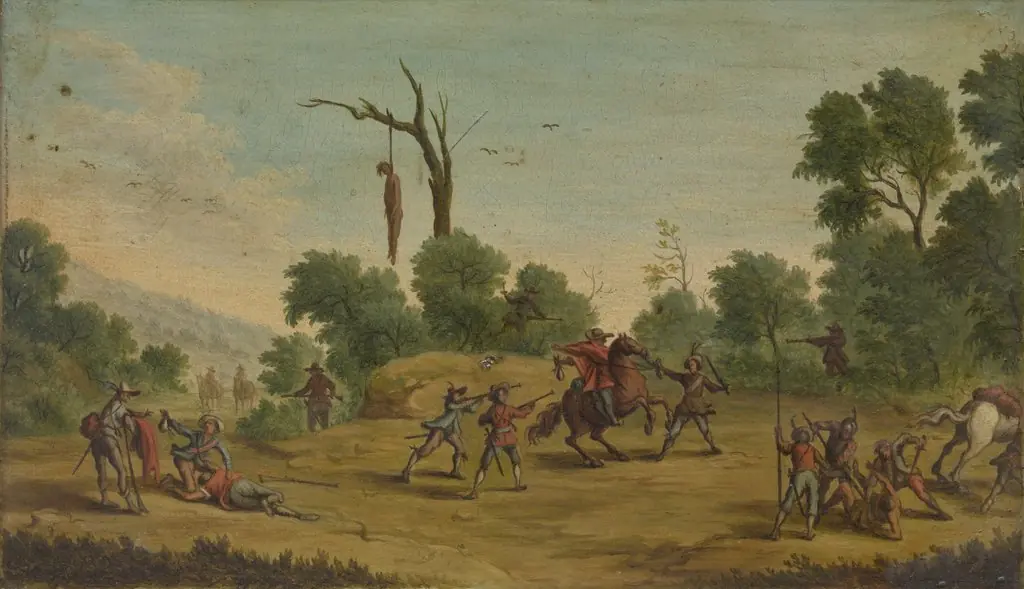 Horsemen Attacked by Robbers
 HOW WILL A COVERED PART BE CORRECTED?HOW WIKA A COVERED HEART DEED CORRECTED?
![Christ Walking on the Water [second plate], by Jacques Callot](https://artifactworldgallery.com/img/jacques-callot--christ-walking-on-the-water-second-plate--2069f3bfe4cb2126-w320.webp) Christ Walking on the Water [second plate]
Christ Walking on the Water [second plate]