Artwork
View of the Louvre
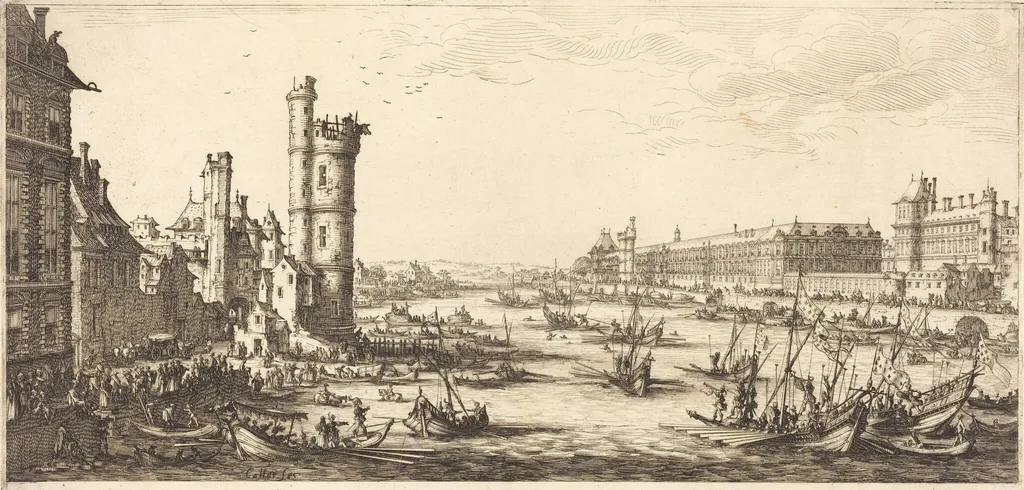
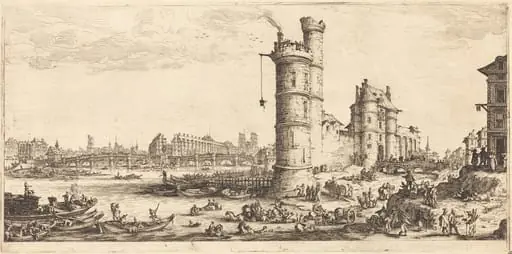
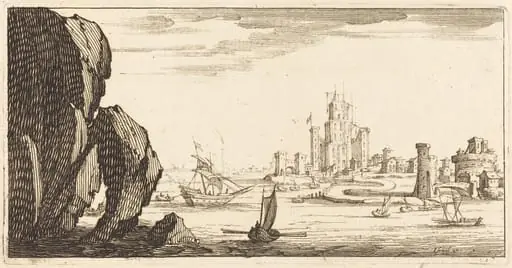
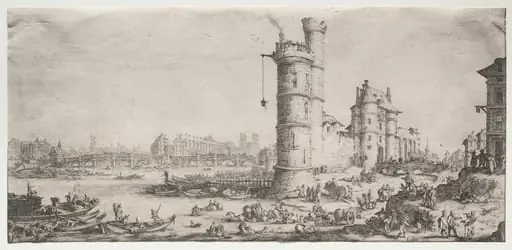
View of the Louvre is an ink print by the Baroque artist Jacques Callot. It dates from 1629 and is held in the collection of the National Gallery of Art.
About this work
Overview
Unlike idealized landscapes, this piece presents a grounded, observational record of Parisian architecture and river activity during the early 17th century.
Jacques Callot created this etching in 1629, capturing the Louvre palace as it appeared along the Seine. Executed on laid paper, the work belongs to a broader series of urban views produced by the Lorraine-born artist, who specialized in detailed topographical prints. Unlike idealized landscapes, this piece presents a grounded, observational record of Parisian architecture and river activity during the early 17th century.
Subject & Meaning
The scene centers on the Louvre’s riverside façade, with its ornate windows and balconies, flanked by the distinctive Tour du Coin and the long, colonnaded wing extending toward the horizon. The river teems with small vessels, suggesting daily commerce and transport. The composition juxtaposes the grandeur of royal architecture with the hum of everyday life, offering a quiet testament to the palace’s role as both monument and civic landmark.
Technique & Style
Callot employed fine-line etching to render intricate textures: the ripple of water, the creases of sails, and the stonework of the palace. His use of precise, controlled incisions allowed for remarkable detail without clutter. The light, even tone of the sky enhances depth, while the density of architectural elements draws the eye inward. This method reflects his mastery of the etching medium, refined through years of technical experimentation.
History & Provenance
Created during Louis XIII’s reign, the print likely served as a record of the Louvre’s evolving structure before major 17th-century expansions. Callot, working in Paris after years in Italy, produced this view as part of his broader documentation of French urban life. While its early ownership is unrecorded, the print survives in multiple institutional collections, attesting to its enduring interest among collectors and scholars.
Context
In the 1620s, Paris was undergoing architectural transformation under royal patronage. The Louvre, once a medieval fortress, was being reimagined as a Renaissance palace. Callot’s etching aligns with a growing interest in topographical accuracy among artists and cartographers. His work contributes to a visual archive that captures the city’s transition from medieval stronghold to early modern capital.
Legacy
Callot’s precise etchings influenced later generations of printmakers, particularly in their attention to urban detail and atmospheric perspective. Though not widely exhibited in his lifetime, this view of the Louvre remains a key example of early modern printmaking’s capacity to document architectural change. It stands as a quiet but significant record of Paris’s evolving skyline.
Artist & collection
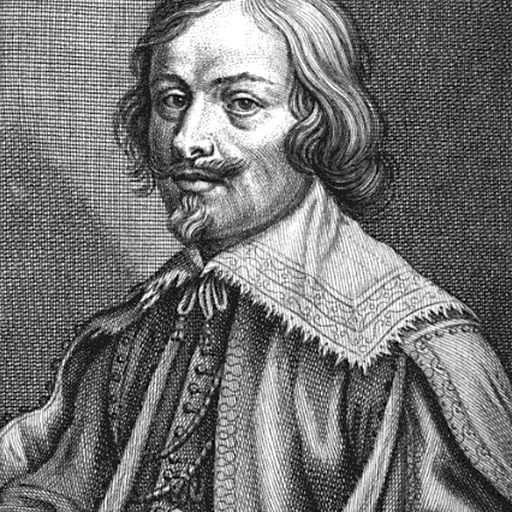
Artist
Jacques Callot was a baroque printmaker and draftsman from the Duchy of Lorraine.

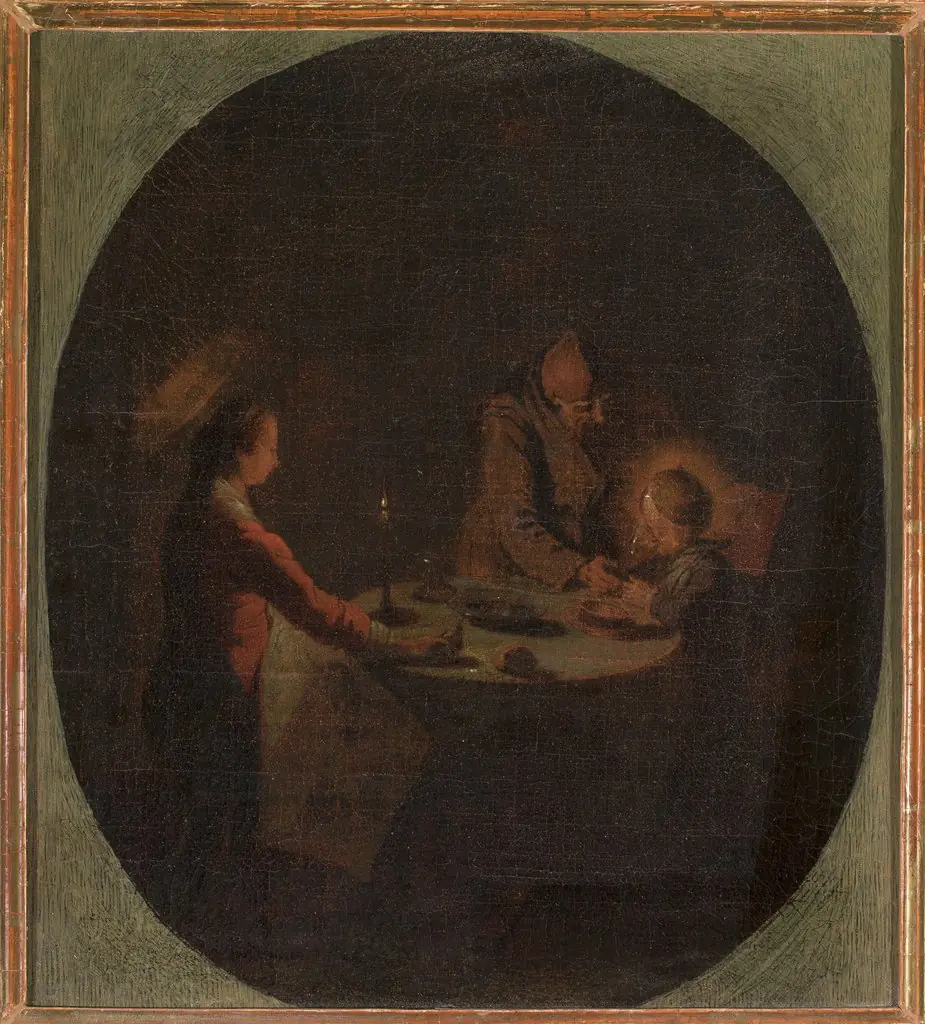 Holy Family at supper
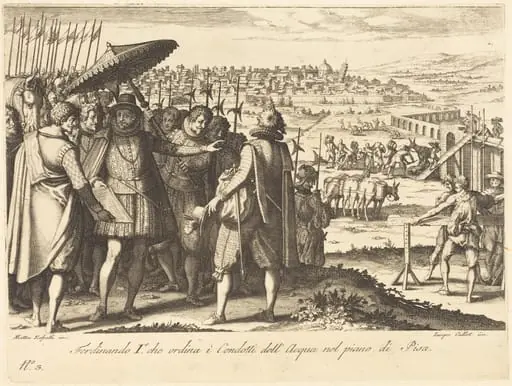 Restoration of the Aqueduct at Pisa
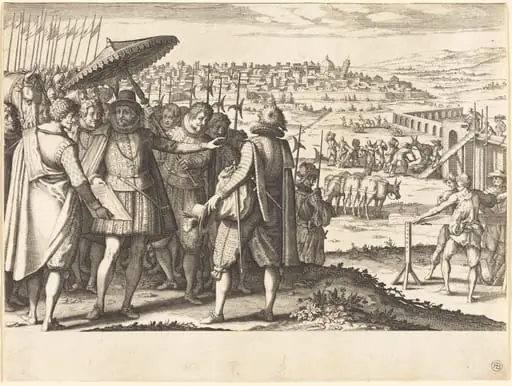 Restoration of the Aqueduct at Pisa
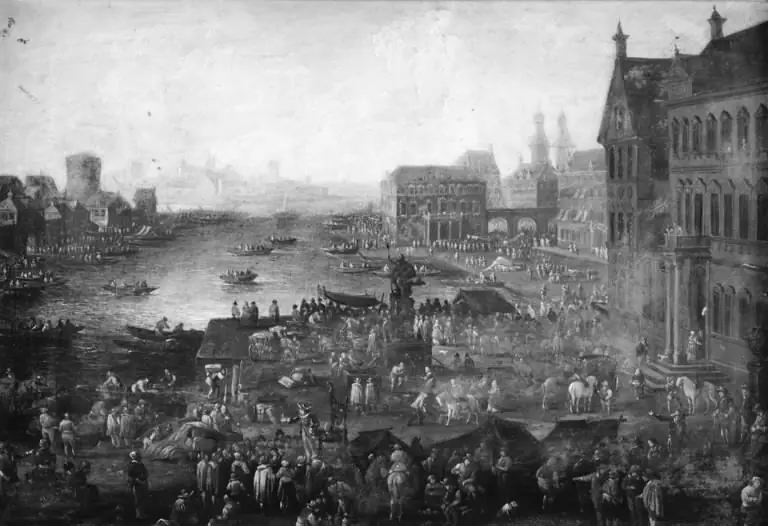 Square in Paris with Many Figures
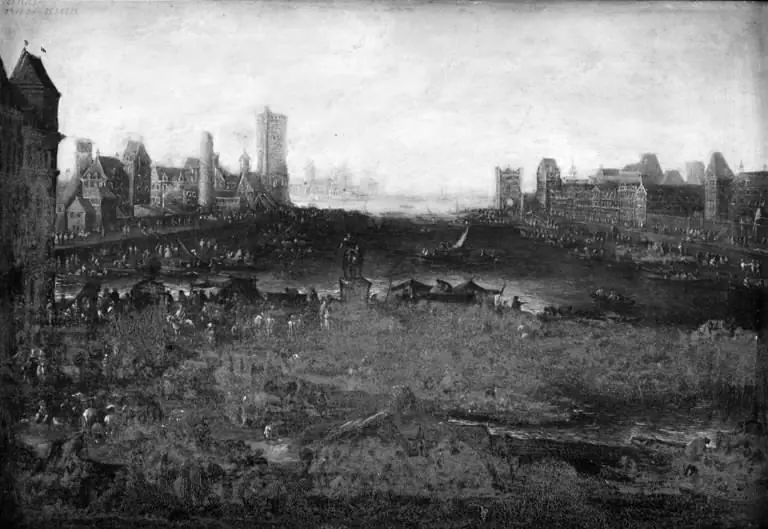 Square in Paris with Many Figures
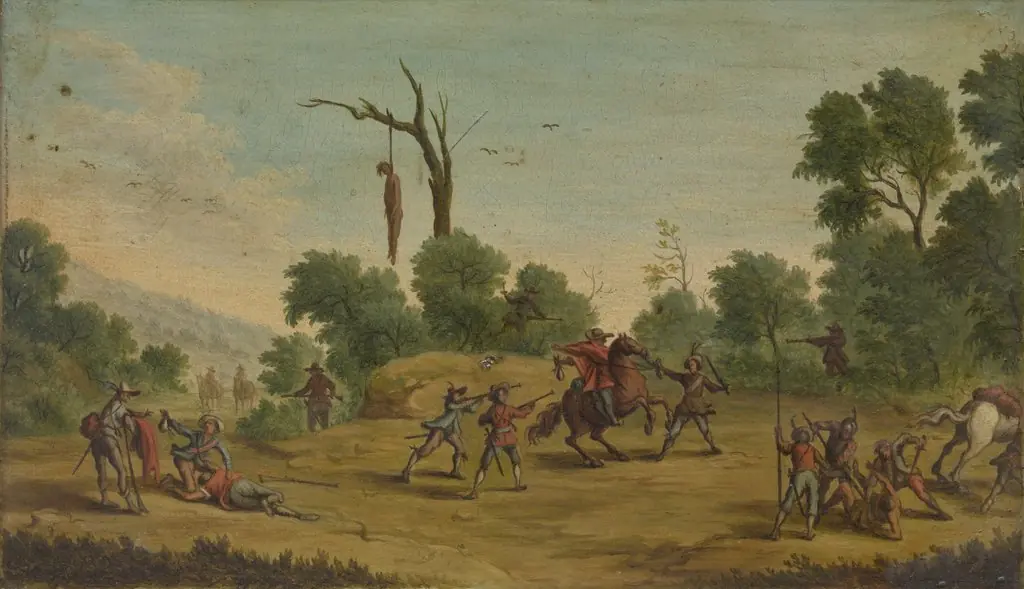 Horsemen Attacked by Robbers
 HOW WILL A COVERED PART BE CORRECTED?HOW WIKA A COVERED HEART DEED CORRECTED?
![Christ Walking on the Water [second plate], by Jacques Callot](https://artifactworldgallery.com/img/jacques-callot--christ-walking-on-the-water-second-plate--2069f3bfe4cb2126-w320.webp) Christ Walking on the Water [second plate]
Christ Walking on the Water [second plate]