Artwork
L'ancien Louvre d'après une peinture de Zeeman, 1651 (The Old Louvre, from a Painting by Zeeman, 1651)
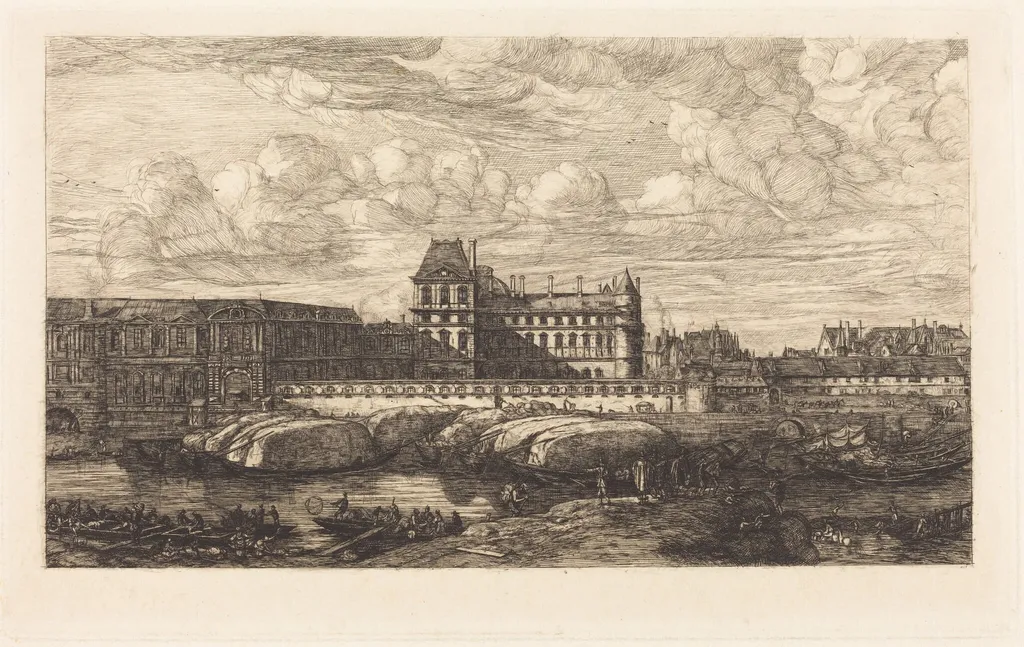
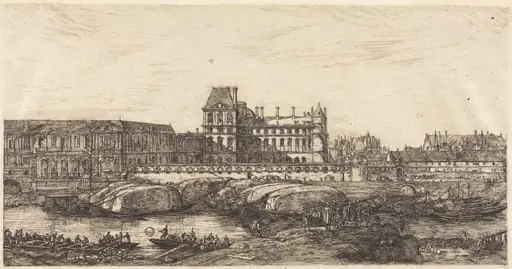
L'ancien Louvre d'après une peinture de Zeeman, 1651 (The Old Louvre, from a Painting by Zeeman, 1651) is an ink print by the Impressionist artist Charles Meryon. It dates from 1866 and is held in the collection of the National Gallery of Art. Created in 1866, this black‑and‑white print presents a panoramic view of the Louvre as it stood in the mid‑17th century.
About this work
Overview
The composition is derived from a 1651 painting by the Dutch marine artist Reinier Nooms, who signed his works as Zeeman.
Created in 1866, this black‑and‑white print presents a panoramic view of the Louvre as it stood in the mid‑17th century. The composition is derived from a 1651 painting by the Dutch marine artist Reinier Nooms, who signed his works as Zeeman. The scene shows the monumental façade along the Seine, punctuated by tall windows, an ornate roofline, and a bustling riverbank populated by boats and pedestrians.
Subject & Meaning
The image captures a moment of urban life along the Seine, juxtaposing the grandeur of the royal palace with the everyday activity of merchants, travelers, and onlookers. By revisiting a historic perspective, the work invites reflection on the Louvre’s architectural evolution and its role as a focal point of public and commercial exchange in Parisian society.
Technique & Style
Executed in etching on wove paper, the artist employed fine, incised lines to render architectural detail, water ripples, and the texture of clothing. Cross‑hatching creates depth and a stormy sky, while the stark monochrome palette emphasizes structural forms over colour, a choice informed by the creator’s colour‑blindness and his dedication to the medium of print.
History & Provenance
The print was produced by Charles Meryon, a French etcher renowned for his depictions of Paris. Though his reputation flourished in France, his work remained relatively obscure in English‑speaking circles during his lifetime. This particular piece reflects Meryon’s practice of reinterpreting earlier artworks, translating Nooms’s oil composition into the graphic language of 19th‑century etching.
Context
Meryon worked almost exclusively in etching, a decision shaped by his visual impairment. His oeuvre often revisits historic Parisian landmarks, aligning with a broader 19th‑century fascination with the city’s past amid rapid modernization. The choice to depict the Louvre before its extensive 19th‑century renovations underscores a nostalgic interest in the architectural heritage of the capital.
Artist & collection
Artist
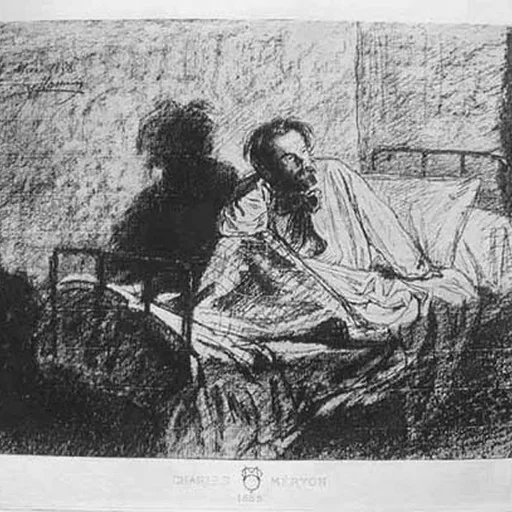
Charles Meryon (sometimes Méryon, 23 November 1821 – 14 February 1868) was a French artist who worked almost entirely in etching, as he had colour blindness.

 L'ancien Louvre d'après une peinture de Zeeman, 1651 (The Old Louvre, from a Painting by Zeeman, 1651)
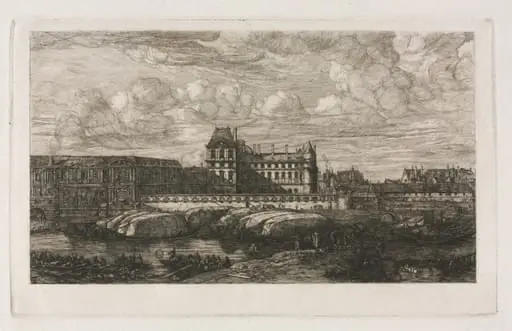 The Old Louvre from a Painting by Zeeman, 1651
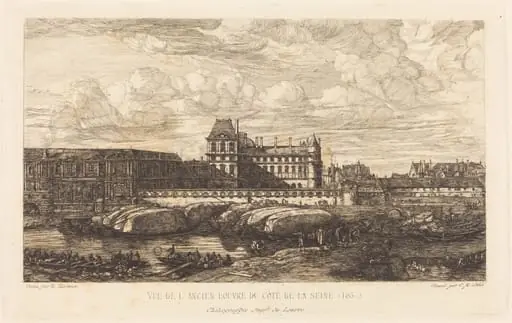 L'ancien Louvre d'après une peinture de Zeeman, 1651 (The Old Louvre, from a Painting by Zeeman, 1651)
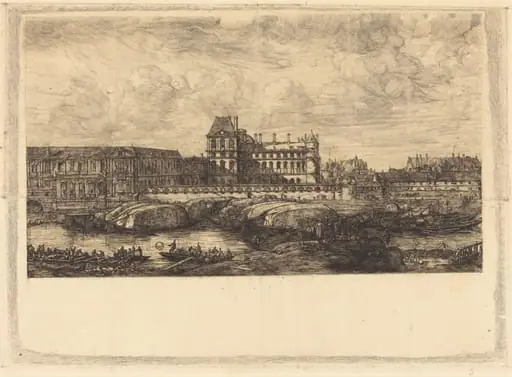 L'ancien Louvre d'après une peinture de Zeeman, 1651 (The Old Louvre, from a Painting by Zeeman, l651)
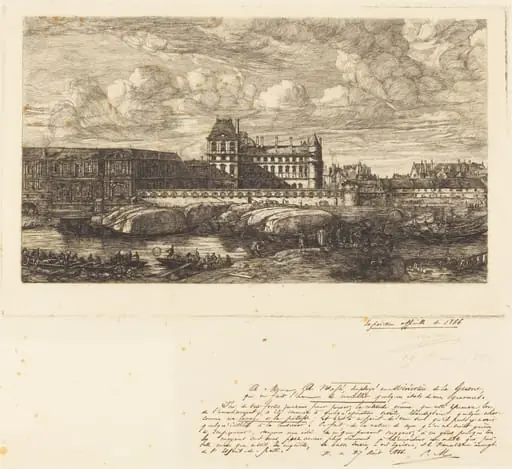 L'ancien Louvre d'après une peinture de Zeeman, 1651 (The Old Louvre, from a Painting by Zeeman, 1651)
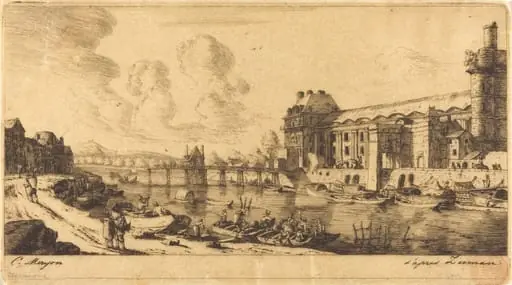 Le Pavillion de Mlle. et une partie du Louvre
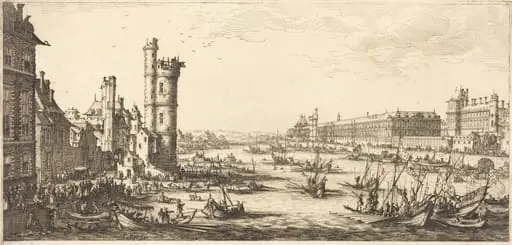 View of the Louvre
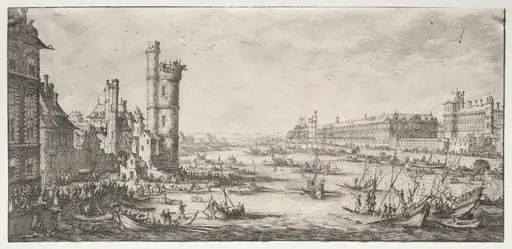 Les deux grandes vues de Paris: Vue du Louvre
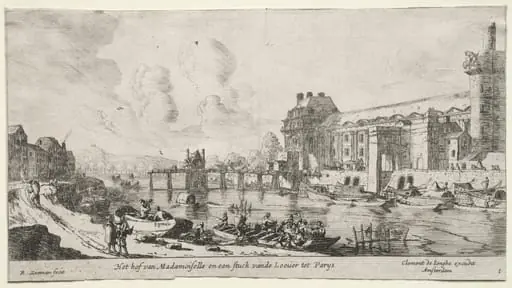 Views of Paris: View of the Louvre and the Tuileries