Artwork
Jupiter, Neptune and Pluto
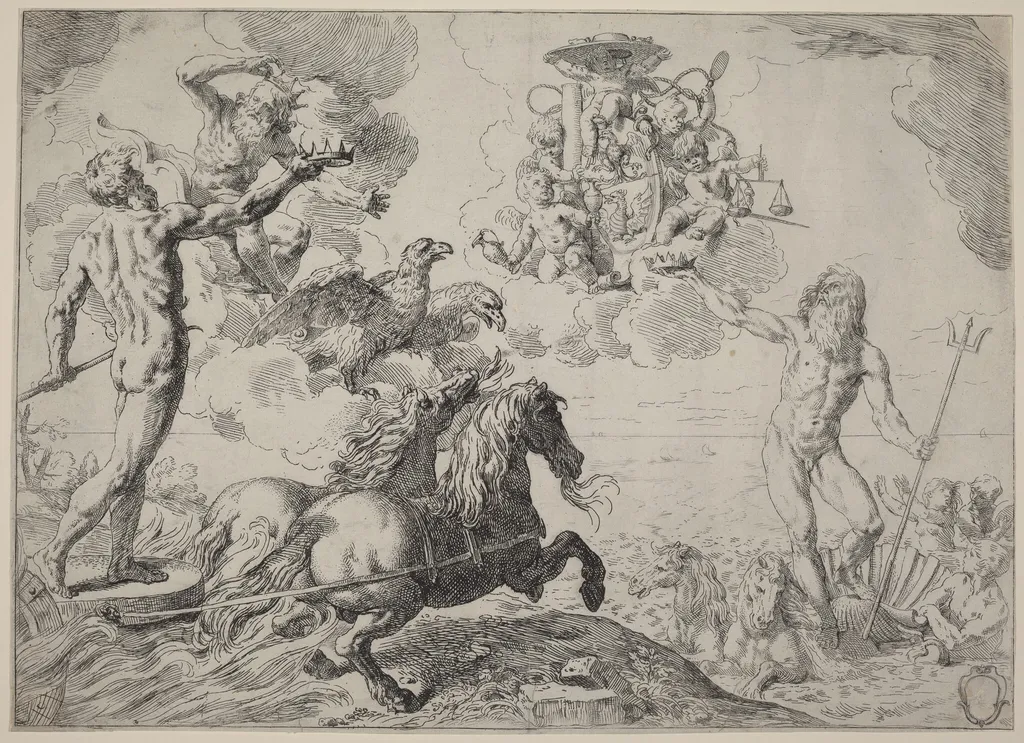
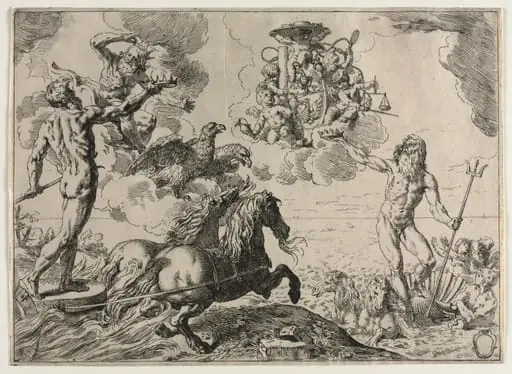
Jupiter, Neptune and Pluto is an ink print by the Baroque artist Simone Cantarini. It dates from 1630 and is held in the collection of the National Gallery of Art.
About this work
Overview
Cantarini, an Italian artist from Pesaro, was known for his skill in printmaking and his ability to merge classical themes with vivid naturalism.
Created in 1630 by Simone Cantarini, *Jupiter, Neptune and Pluto* is an etching that captures a mythological scene with dynamic energy. Cantarini, an Italian artist from Pesaro, was known for his skill in printmaking and his ability to merge classical themes with vivid naturalism. This work exemplifies his mastery of the etching technique, using fine, incised lines to produce a sense of motion and depth on paper.
Subject & Meaning
The print depicts three Olympian deities—Jupiter, Neptune, and Pluto—each identified by symbolic attributes: a trident, a horse, and a staff. They are arranged in a turbulent composition, surrounded by swirling clouds, ships, and ambiguous figures that suggest divine chaos or the forces of nature under their rule. The scene evokes their dominion over sky, sea, and underworld, rendered not as serene rulers but as primal, active powers.
Technique & Style
Cantarini employed etching to achieve a rich texture of fine, irregular lines that convey movement and shadow. The contrast between dark, densely worked areas and the untouched paper enhances the drama of the scene. His handling of the needle allowed for both precision and spontaneity, resulting in a tactile surface that mimics the energy of the subject. The style reflects his training in Bologna, where classical form met keen observation of the physical world.
History & Provenance
The etching was produced during Cantarini’s early career, shortly after his move to Bologna, where he absorbed the influence of Guido Reni and other Bolognese masters. While no detailed record of its early ownership survives, the work is recognized in scholarly catalogs as part of his significant output in printmaking. It reflects his transition from painting to print, where his linear control became particularly notable.
Context
In early 17th-century Italy, mythological subjects remained popular in both painting and print, often serving as vehicles for artistic display. Cantarini’s etching aligns with a broader trend of artists using the medium to explore complex narratives with dramatic intensity. His work stood apart for its emotional immediacy and technical finesse, distinguishing him among contemporaries who favored more formal compositions.
Legacy
Cantarini’s etchings, including this one, influenced later generations of printmakers through their expressive line work and emotional depth. Though less widely known than his painting, his prints were studied for their ability to translate grand themes into intimate, tactile forms. Today, *Jupiter, Neptune and Pluto* remains a key example of Baroque printmaking that balances mythological grandeur with human-scale dynamism.
Own this work as a print
Artist & collection
Artist
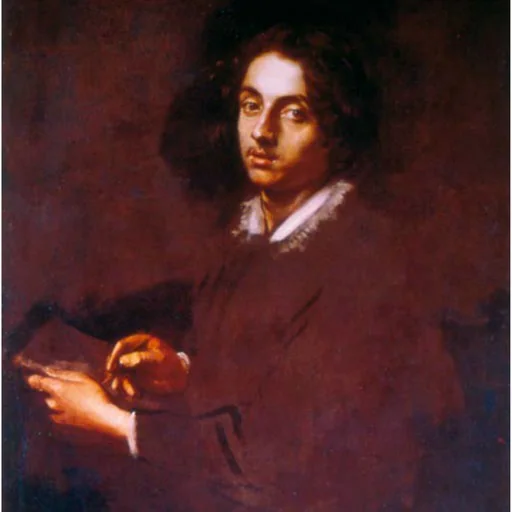
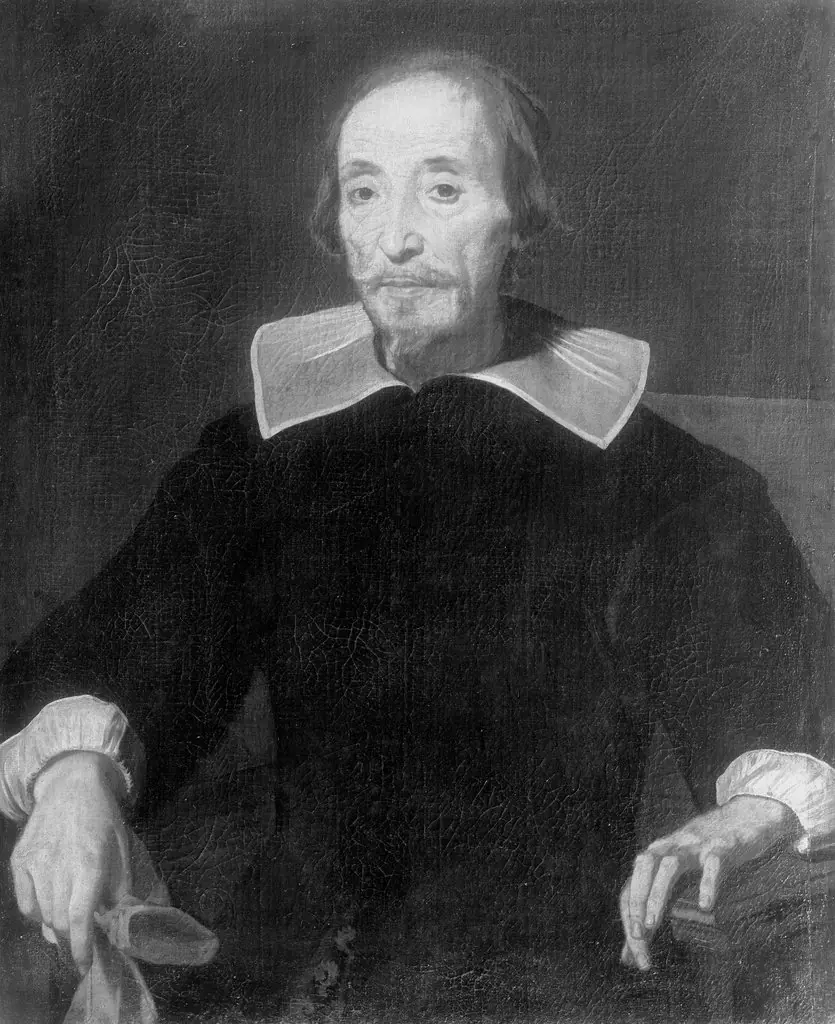
Simone Cantarini or Simone da Pesaro, called il Pesarese (Baptized on 21 August 1612 – 15 October 1648) was an Italian painter and etcher.

 The "Quos Ego"
 Neptune with Two Horses on the Sea
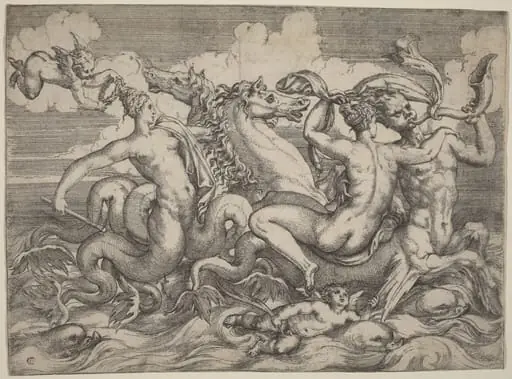 Sirens, Naiads, and Tritons
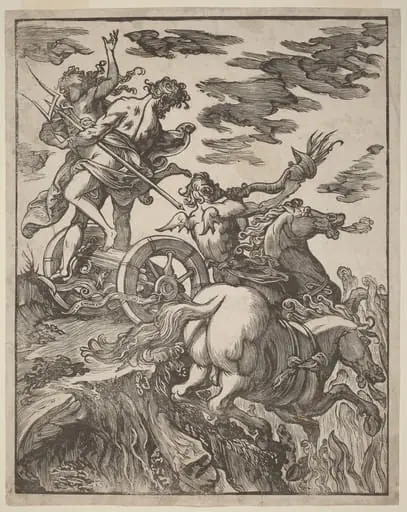 The Rape of Proserpina
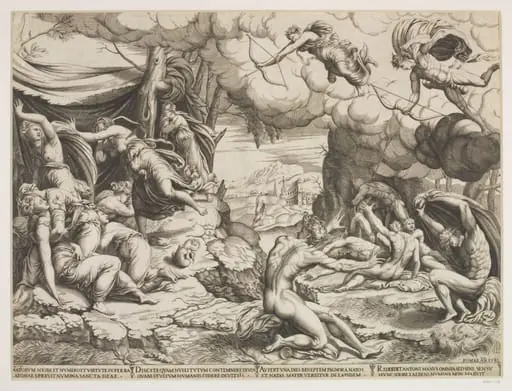 The Daughters of Niobe
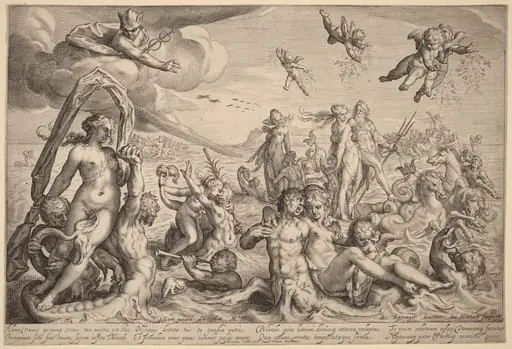 The Triumph of Neptune and Thetis
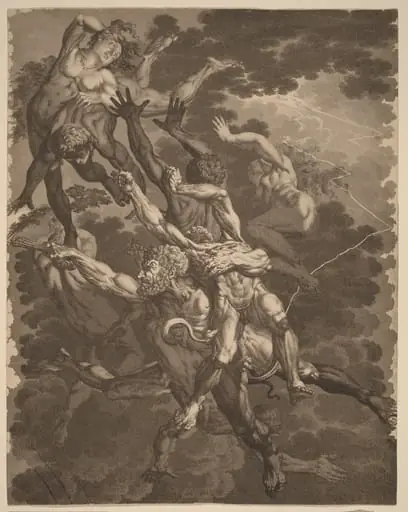 The Damned
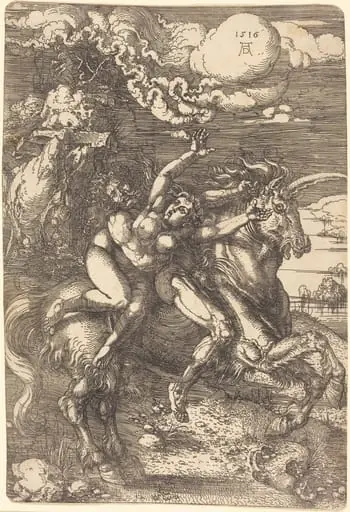 Abduction on a Unicorn
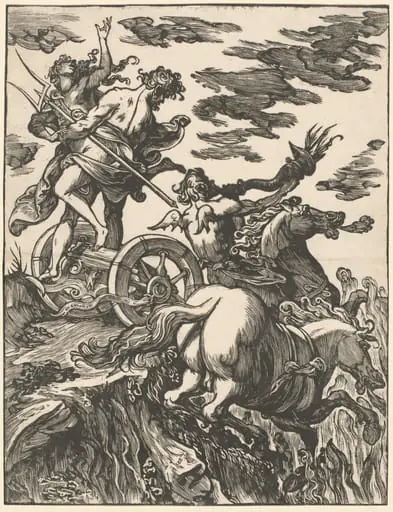 The Rape of Proserpina
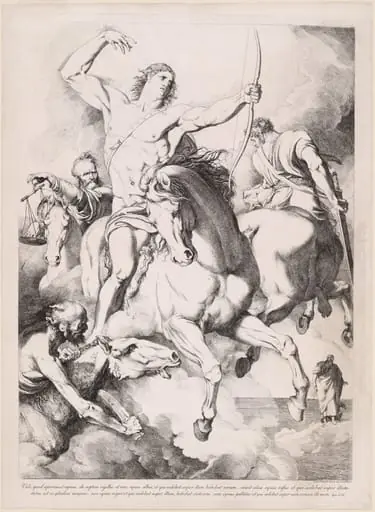 Vidi, quod aperuisset agnus... (The Four Horsemen of the Apocalypse)
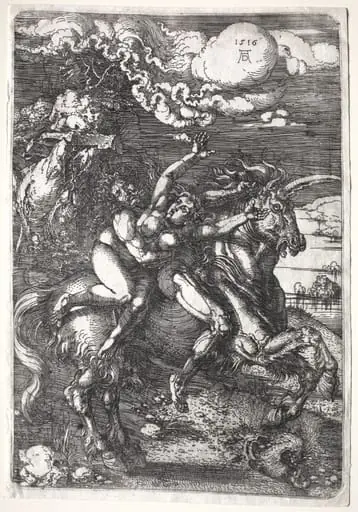 The Abduction on a Unicorn
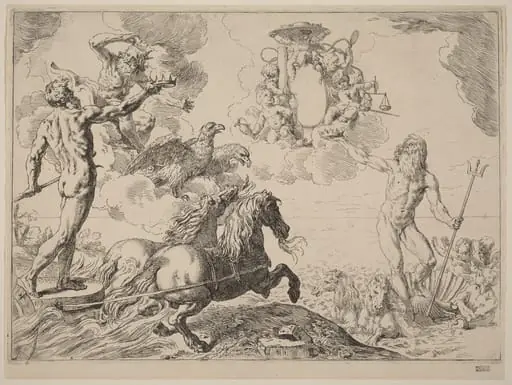 Jupiter, Neptune and Pluto