Artwork
Vidi, quod aperuisset agnus... (The Four Horsemen of the Apocalypse)
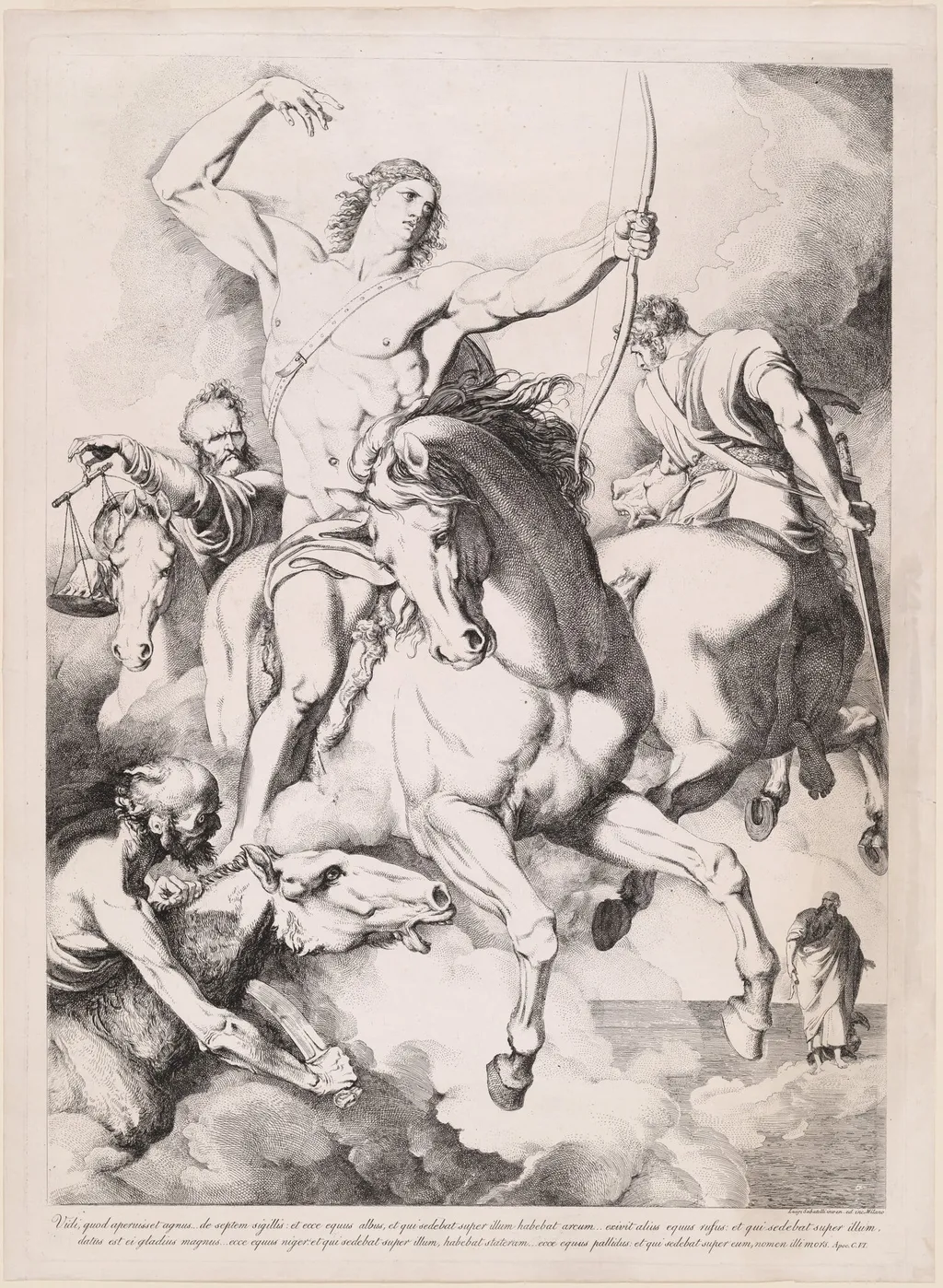
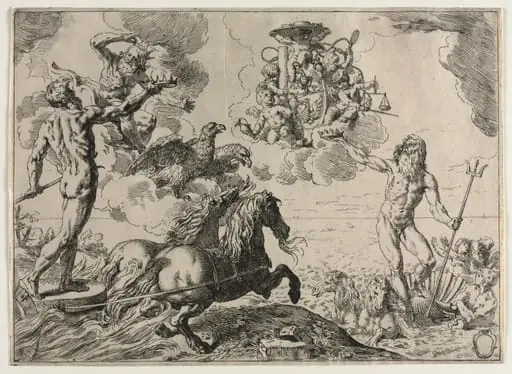
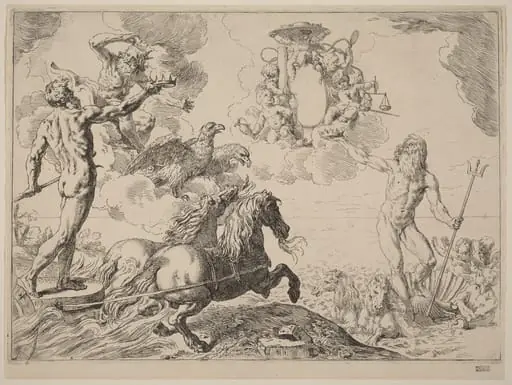
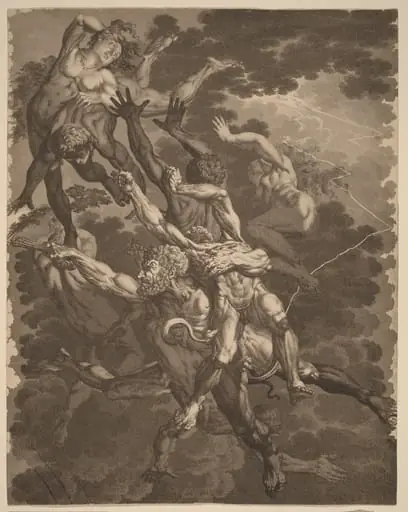
Vidi, quod aperuisset agnus... (The Four Horsemen of the Apocalypse) is an ink print by the Romanticist artist Luigi Sabatelli I. It dates from 1810 and is held in the collection of the National Gallery of Art.
About this work
Overview
The work, executed as a print, reflects the artist’s engagement with apocalyptic imagery popular in early‑19th‑century religious art.
Luigi Sabatelli I’s 1810 etching, titled Vidi, quod aperuisset agnus… (The Four Horsemen of the Apocalypse), presents a dramatic tableau of four mounted riders against a turbulent sky. The composition captures the biblical horsemen—white, black, red, and pale—charging forward, while terrified figures flee below. The work, executed as a print, reflects the artist’s engagement with apocalyptic imagery popular in early‑19th‑century religious art.
Subject & Meaning
The image interprets the Revelation of John’s vision of the Four Horsemen, each symbolizing conquest, war, famine, and death. The rider on the white horse bears a bow, suggesting conquest; the black‑horse rider wields a sword, evoking war; the red‑horse figure holds scales, alluding to famine’s judgment; and the pale horse’s rider, shrouded in death, completes the quartet. The chaotic foreground of fleeing crowds underscores humanity’s terror in the face of divine catastrophe.
Technique & Style
Created through the intaglio process, Sabatelli employed fine incised lines and cross‑hatching to render muscular horses and contorted bodies with a sense of kinetic energy. Varied tonal shading intensifies the stormy atmosphere, while the stark contrast between light and dark heightens the urgency of the scene. The composition’s diagonal thrust and dramatic poses reflect the Romantic fascination with movement and emotional intensity.
History & Provenance
The etching was produced in 1810, during a period when Sabatelli, known primarily for his frescoes, explored printmaking. Although specific ownership records are sparse, the work appears in early 19th‑century catalogues of Italian prints and has been held in several European collections. Its survival in museum archives attests to the continued scholarly interest in Sabatelli’s lesser‑known graphic output.
Artist & collection


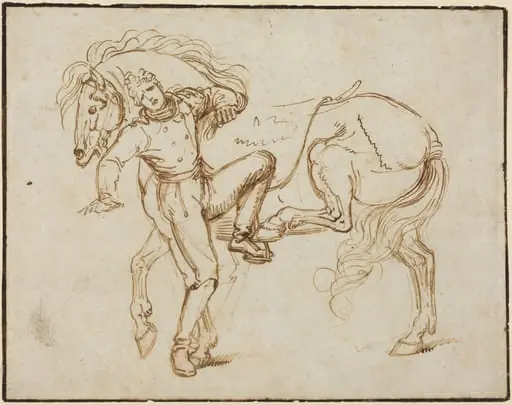 Cavalryman Mounting a Horse
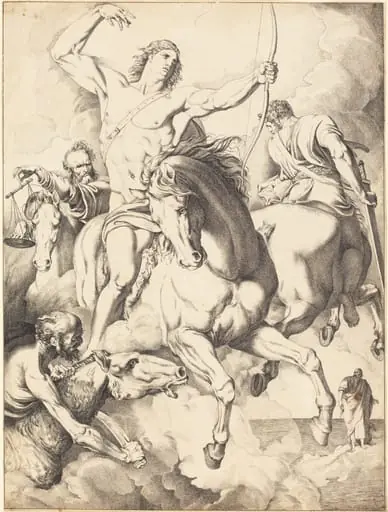 Vidi, quod aperuisset agnus... (The Four Horsemen of the Apocalypse)
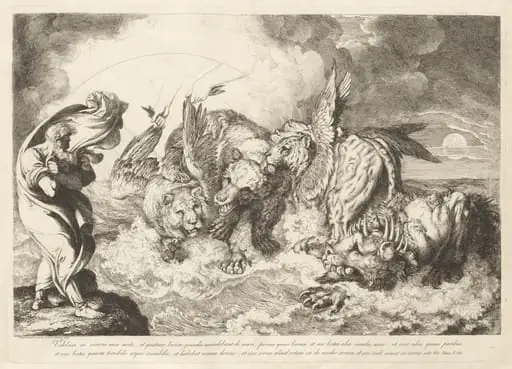 Daniel's Vision
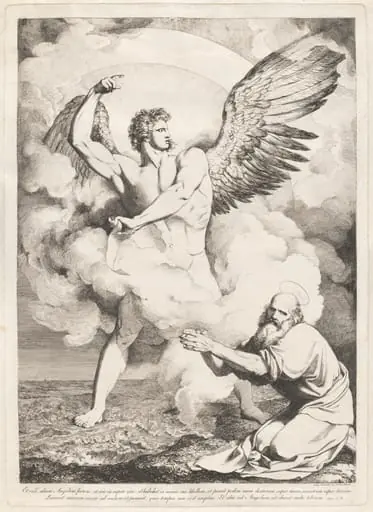 Et vidi alium angelum fortem... (The Angel of the Apocalypse Appearing to Saint John)
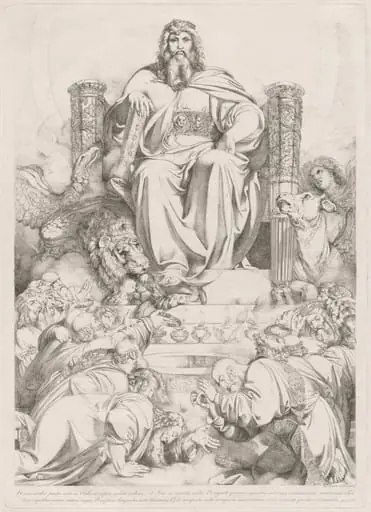 Et ecce sedes posita erat in coelo... (God the Son in Majesty on the Throne Surrounded by the Four Creatures and Worshipped by the Twenty-four Elders)