Artwork
The Deluge
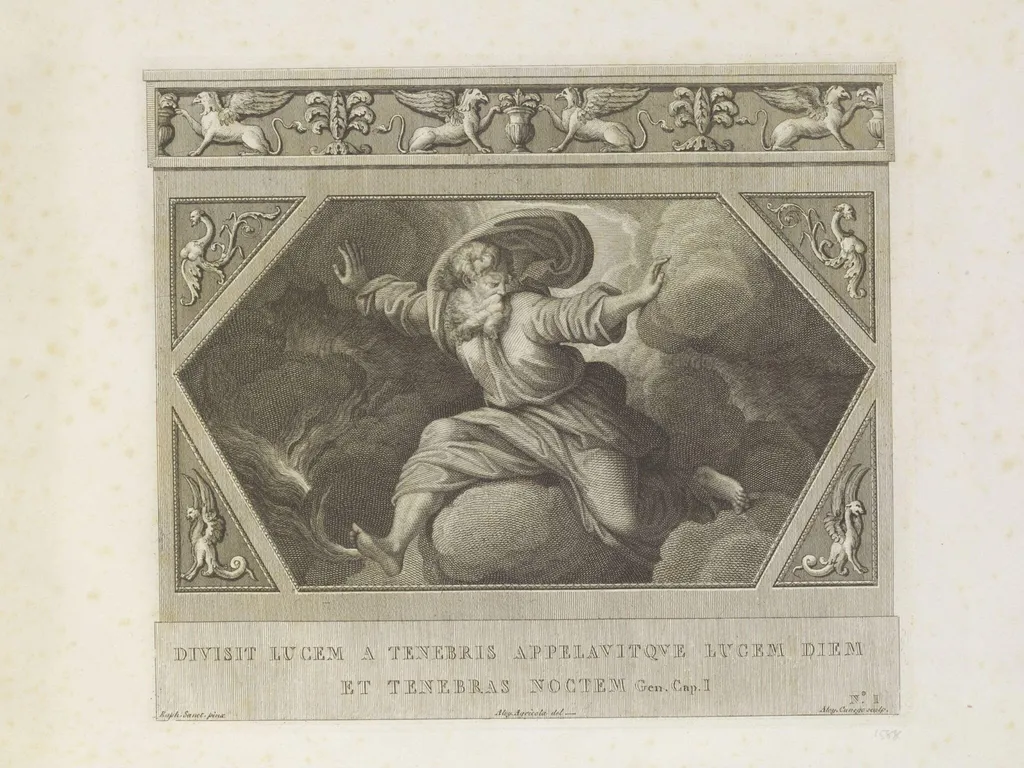
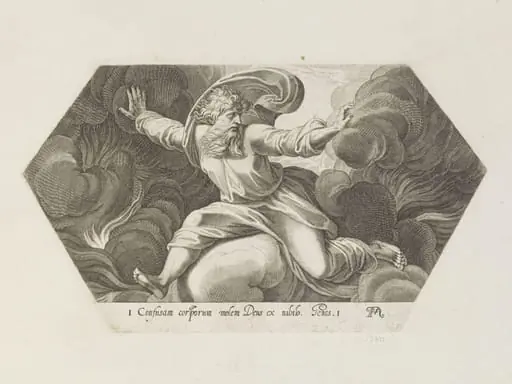
The Deluge is a print by Girolamo Carattoni. It dates from 1850 and is held in the collection of the Victoria and Albert Museum.
About this work
Overview
The print preserves the dramatic intensity of Raphael’s design while adapting it for wider dissemination through printmaking techniques of the period.
The Deluge is a mid-19th-century print by Girolamo Carattoni, reproducing a composition originally painted by Raphael in the Vatican’s Loggie. Created in 1850, it is a paper-based reproduction of a fresco from a larger cycle depicting Old Testament scenes. The print preserves the dramatic intensity of Raphael’s design while adapting it for wider dissemination through printmaking techniques of the period.
Subject & Meaning
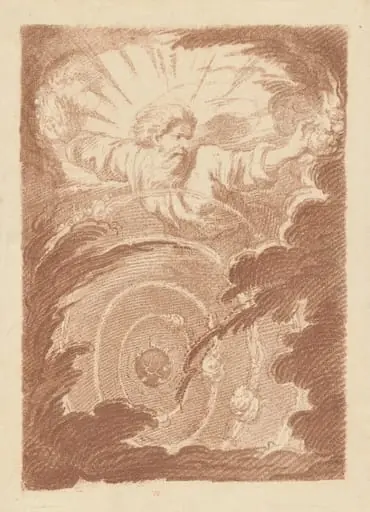
The scene illustrates the biblical flood, capturing a moment of divine judgment. A robed figure kneels on a rocky outcrop, arms outstretched—one reaching toward the heavens, the other clutching a turbulent mass, likely symbolizing the chaos of rising waters. The Latin inscription references the opening of the floodgates, aligning the image with themes of divine retribution and human vulnerability in the face of cosmic forces.
Technique & Style
Carattoni employed chiaroscuro to heighten emotional impact, using stark contrasts between light and shadow to isolate the central figure against a textured, turbulent background. The figure’s flowing drapery and wind-swept hair suggest motion and distress. A decorative border featuring griffins and winged lions frames the scene, reinforcing the mythic and monumental tone of the composition through symbolic ornamentation.
History & Provenance
The print derives from Raphael’s frescoes in the Vatican Loggie, commissioned by Pope Leo X in the early 16th century. Carattoni’s 1850 reproduction was part of a broader 19th-century effort to circulate Renaissance imagery through prints. The work was likely produced for collectors and institutions interested in classical revival and religious iconography, preserving Raphael’s vision beyond the original fresco’s physical constraints.
Context
In the 19th century, prints like this served as educational tools and cultural artifacts, bridging elite art and public access. Raphael’s Vatican frescoes were widely studied as models of compositional harmony and narrative clarity. Carattoni’s reproduction reflects contemporary interest in Renaissance ideals, even as industrial printmaking allowed broader audiences to engage with sacred and classical themes.
Legacy
Though not an original work, Carattoni’s print contributed to the enduring visibility of Raphael’s biblical scenes. It helped sustain interest in the Loggie’s cycle during a period of renewed scholarly attention to Renaissance art. As a reproductive print, it exemplifies how mechanical reproduction extended the influence of canonical works beyond their original contexts and locations.
Artist & collection
Artist
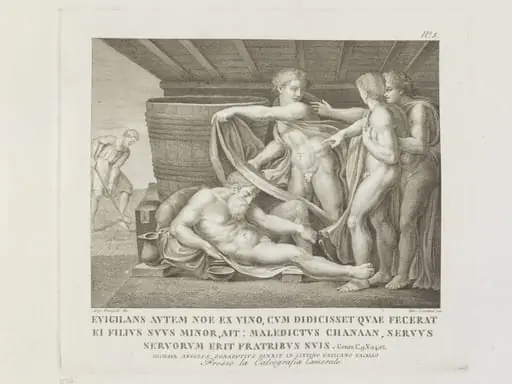
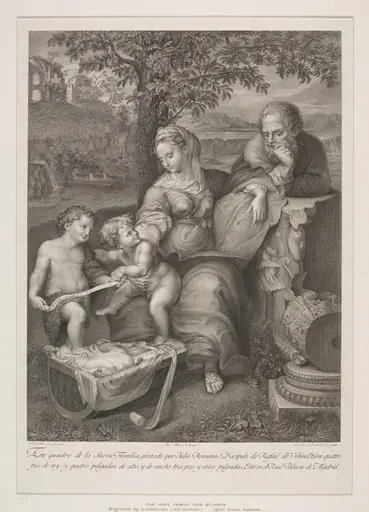
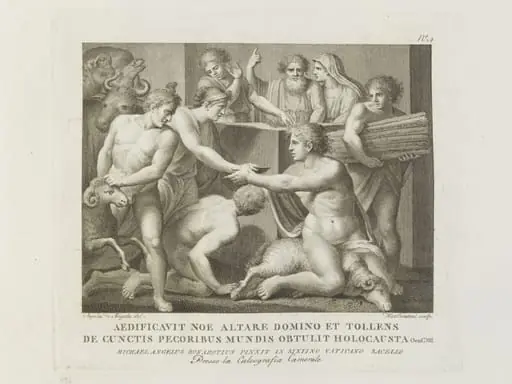
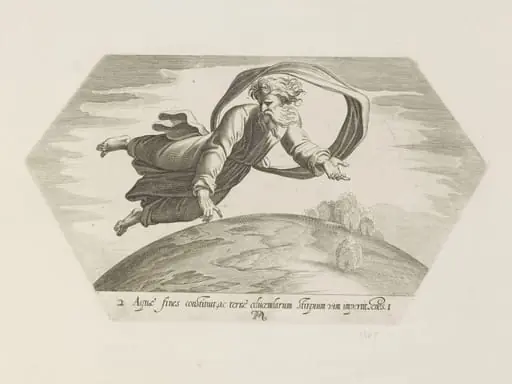
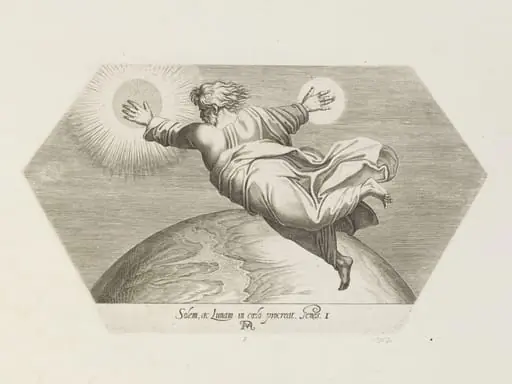
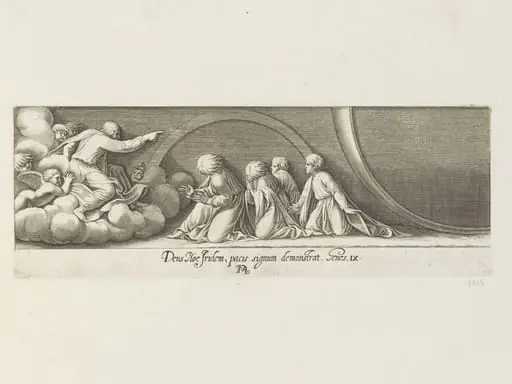
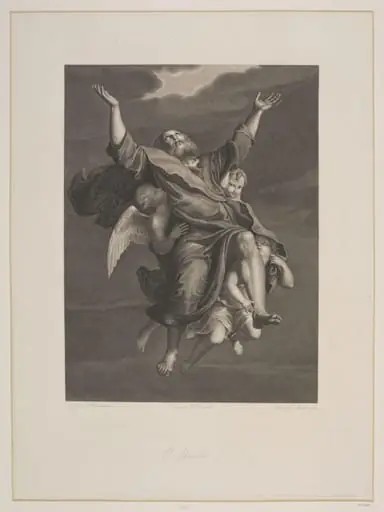
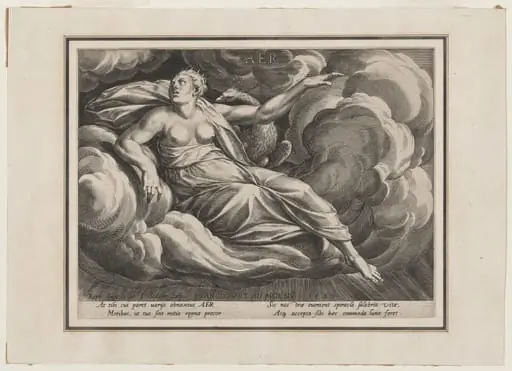
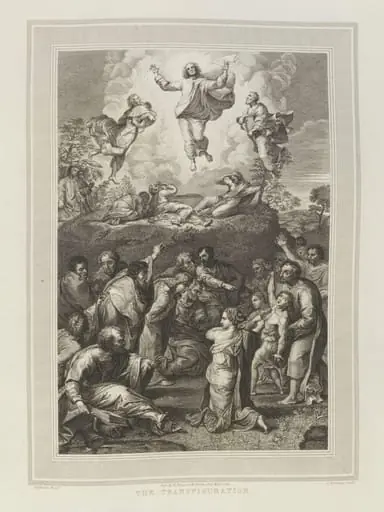
These prints show biblical scenes in the late 1700s to early 1800s style. You’ll find *The Deluge*, *Noah and his Sons*, *The Sacrifice of Noah*, and *Holy Family and St. John*. The prints mix dramatic moments with soft…