Artwork
The Taking of Christ
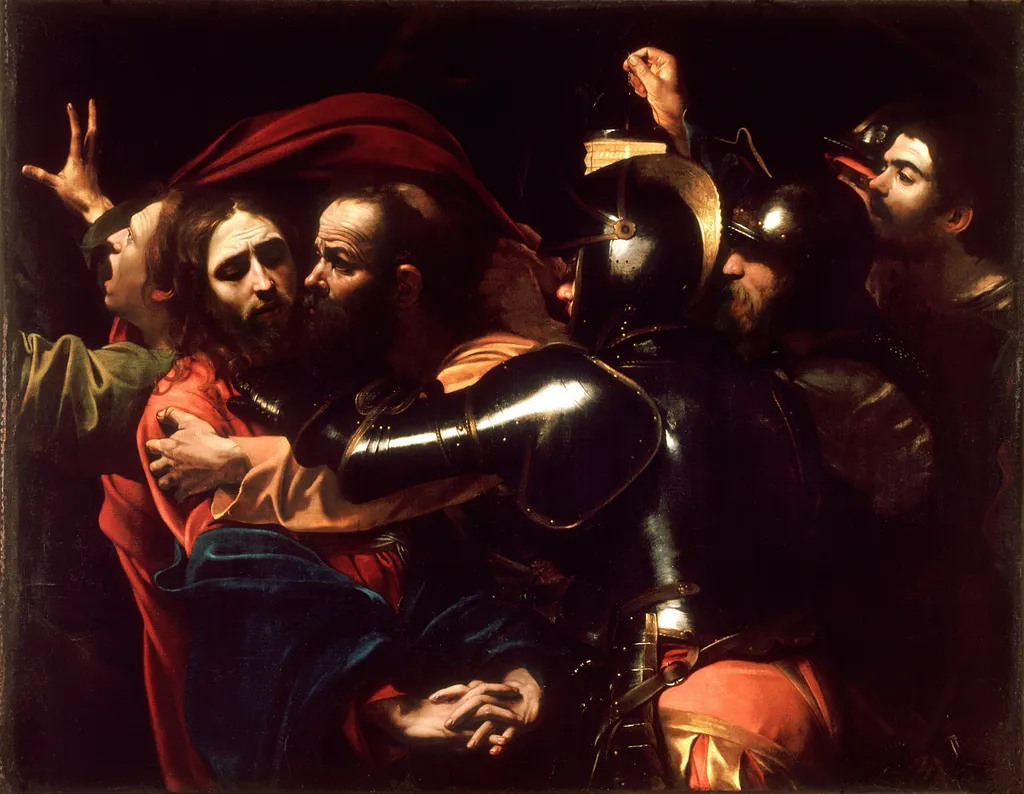
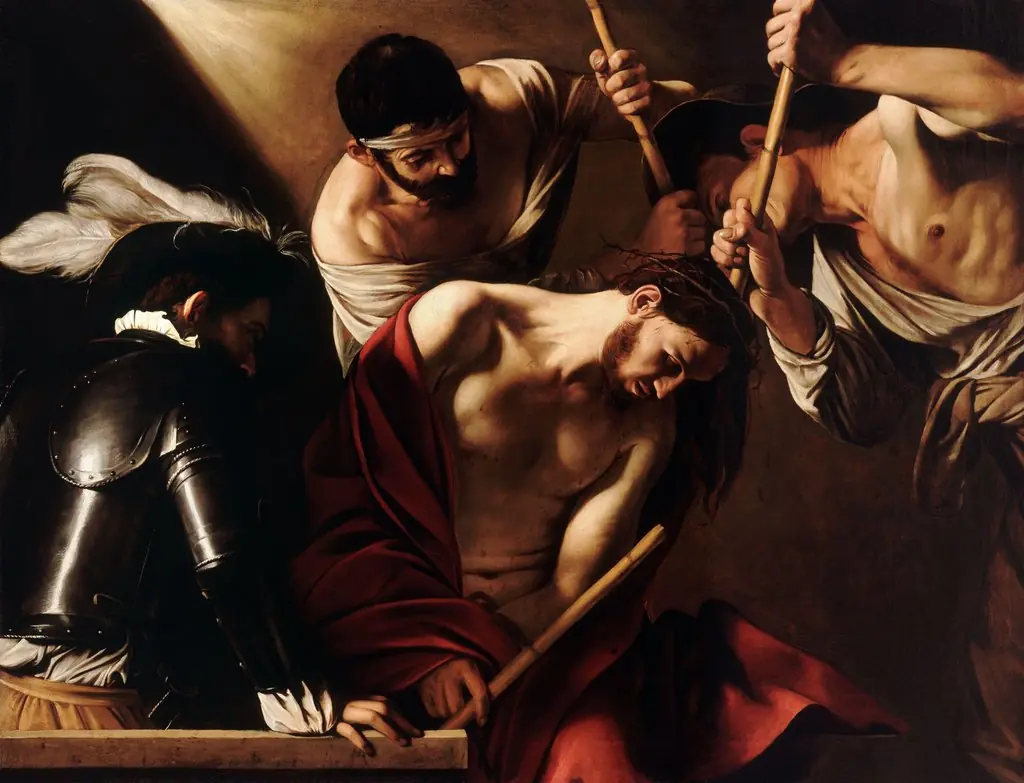
The Taking of Christ is an oil painting by the Baroque artist Caravaggio. It dates from 1602 and is held in the collection of the National Gallery of Ireland.
About this work
Overview
Caravaggio’s *The Taking of Christ*, executed in oil around 1602, portrays the instant Judas betrays Jesus and the latter is seized in the Garden of Gethsemane. The composition centers on a cruciform figure in a red robe, surrounded by armed and civilian captors whose gestures convey a mixture of aggression and uncertainty. The painting resides in the National Gallery of Ireland.
Subject & Meaning
The work captures the biblical moment when the disciple’s kiss signals Jesus’ arrest, emphasizing the tension between divine composure and human treachery. By placing Christ at the focal point, Caravaggio underscores the theological theme of sacrifice while the surrounding figures embody the chaotic forces converging on the holy figure.
Technique & Style
Caravaggio employs a stark chiaroscuro, letting a concentrated light source illuminate Christ’s face and torso against an enveloping darkness. This contrast heightens the three‑dimensionality of the bodies and intensifies emotional impact. The painter’s naturalistic rendering of flesh, armor, and fabric reflects his commitment to observing real human anatomy within a dramatic narrative.
History & Provenance
Created during Caravaggio’s Roman period, the canvas reflects his early Baroque experimentation with realism and theatrical lighting. After changing hands over centuries, the painting entered the National Gallery of Ireland’s collection, where it remains a key example of the artist’s influence on subsequent Baroque practitioners.
Own this work as a print
Artist & collection
Artist
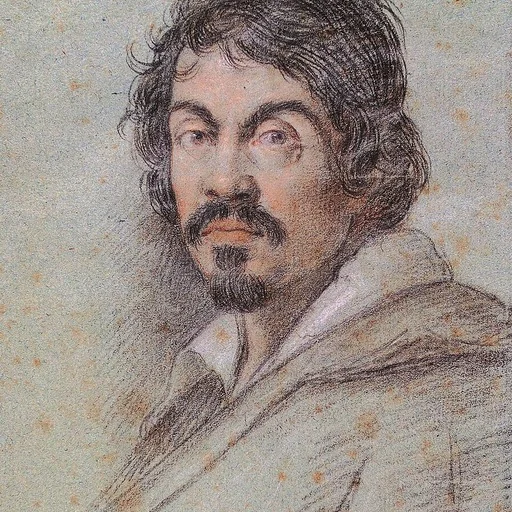
Michelangelo Merisi da Caravaggio (also Michele Angelo Merigi or Amerighi da Caravaggio; 29 September 1571 – 18 July 1610), known mononymously as Caravaggio, was an Italian painter active in Rome for most of his artistic life.