Artwork
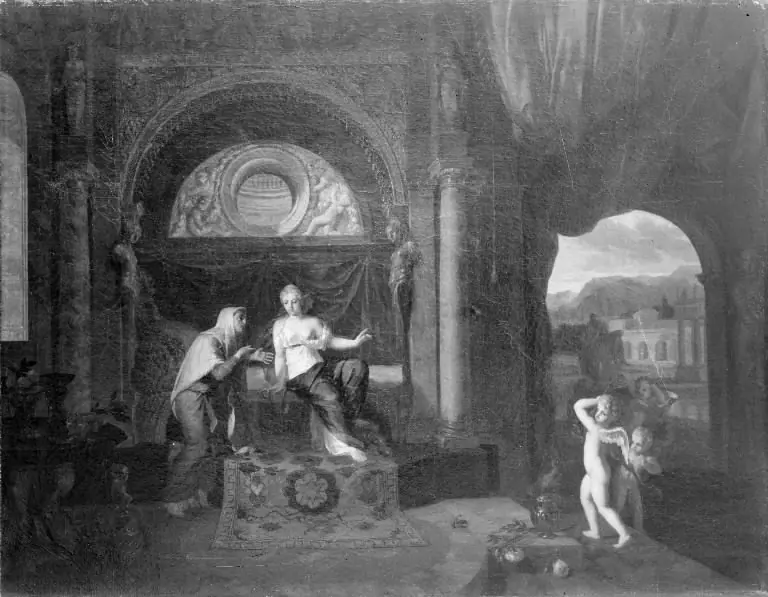
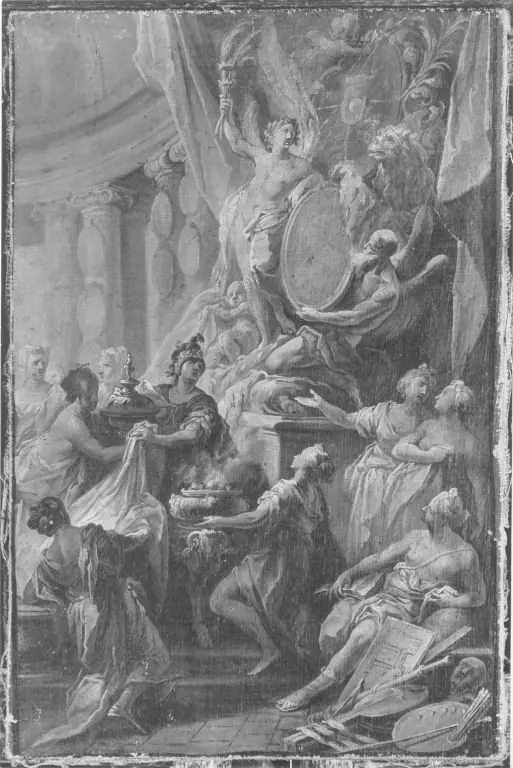
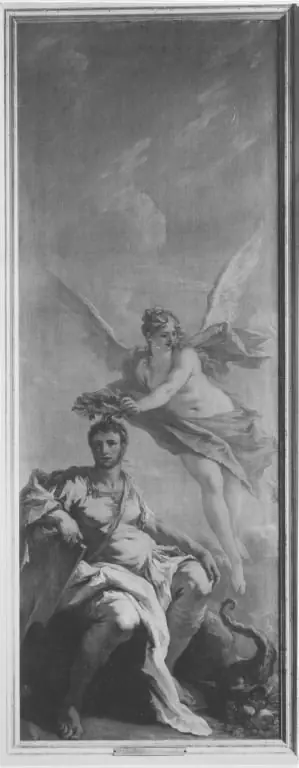
En ung fyrste på sin trone omgivet af allegoriske figurer
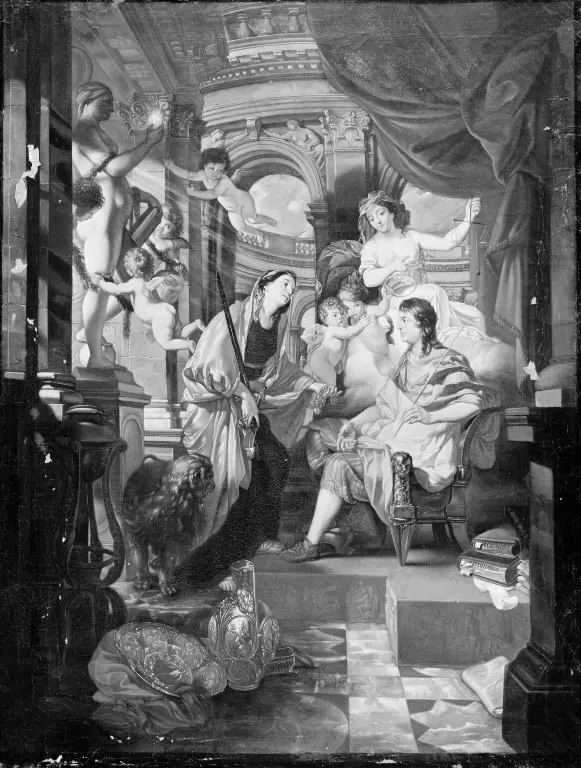
En ung fyrste på sin trone omgivet af allegoriske figurer is an oil painting by the Rococo painting artist Carl Christian Gottlieb. It dates from 1722 and is held in the collection of the Statens Museum for Kunst.
About this work
The painting is titled "En ung fyrste på sin trone omgivet af allegoriske figurer" and was made in 1722.
It's an allegory, which means it uses symbols and figures to represent abstract ideas. This was a common way for artists to convey complex messages in their work.
To learn more about the use of allegory in art, look up the technique of glazing.
Overview
The painting resides in the Statens Museum for Kunst in Copenhagen, where it remains a key example of Danish royal iconography from the period.
Painted in 1722 by Carl Christian Gottlieb, this oil work depicts a young prince seated on a throne, surrounded by symbolic figures. The composition follows the allegorical tradition common in early 18th-century court art, where abstract concepts like justice, wisdom, or power are personified. The painting resides in the Statens Museum for Kunst in Copenhagen, where it remains a key example of Danish royal iconography from the period.
Subject & Meaning
The young prince represents nascent authority, positioned centrally as the focal point of moral and political order. Surrounding him are allegorical figures—likely embodying virtues such as Justice, Fortitude, and Prudence—each gesturing or holding attributes that reinforce the legitimacy and divine sanction of his rule. The scene functions as a visual endorsement of enlightened monarchy, blending personal portraiture with political philosophy.
Technique & Style
Gottlieb employed traditional oil painting methods, using layered glazes to achieve depth in fabric and skin tones. The figures are rendered with careful attention to drapery and gesture, typical of Northern European academic styles of the time. The background is subdued, directing focus to the central group. While not experimental, the technique reflects a disciplined approach to conveying symbolic narratives through controlled realism.
History & Provenance
Commissioned likely for a royal or noble patron, the painting entered the collection of the Statens Museum for Kunst in the 19th century as part of Denmark’s broader effort to preserve national artistic heritage. Its early documentation is sparse, but its survival through centuries suggests it was valued as a representation of royal continuity. No significant alterations or restorations are recorded in public archives.
Context
Created during the early Enlightenment, the painting reflects a European trend where rulers used visual allegory to legitimize power through moral and intellectual virtue. Denmark, under Frederick IV, was consolidating its monarchical identity after periods of conflict. This work aligns with similar court portraits in Sweden and Germany, where allegory softened the assertion of authority with classical references.
Legacy
Though not widely known outside Denmark, the painting remains a significant artifact in the study of Nordic court art. It illustrates how allegory functioned as a visual language for political messaging before the rise of photography and mass media. Scholars reference it in discussions of how small European courts adapted broader continental artistic conventions to express local sovereignty.
Artist & collection