Artwork
Sketch of a Child's Head (verso)
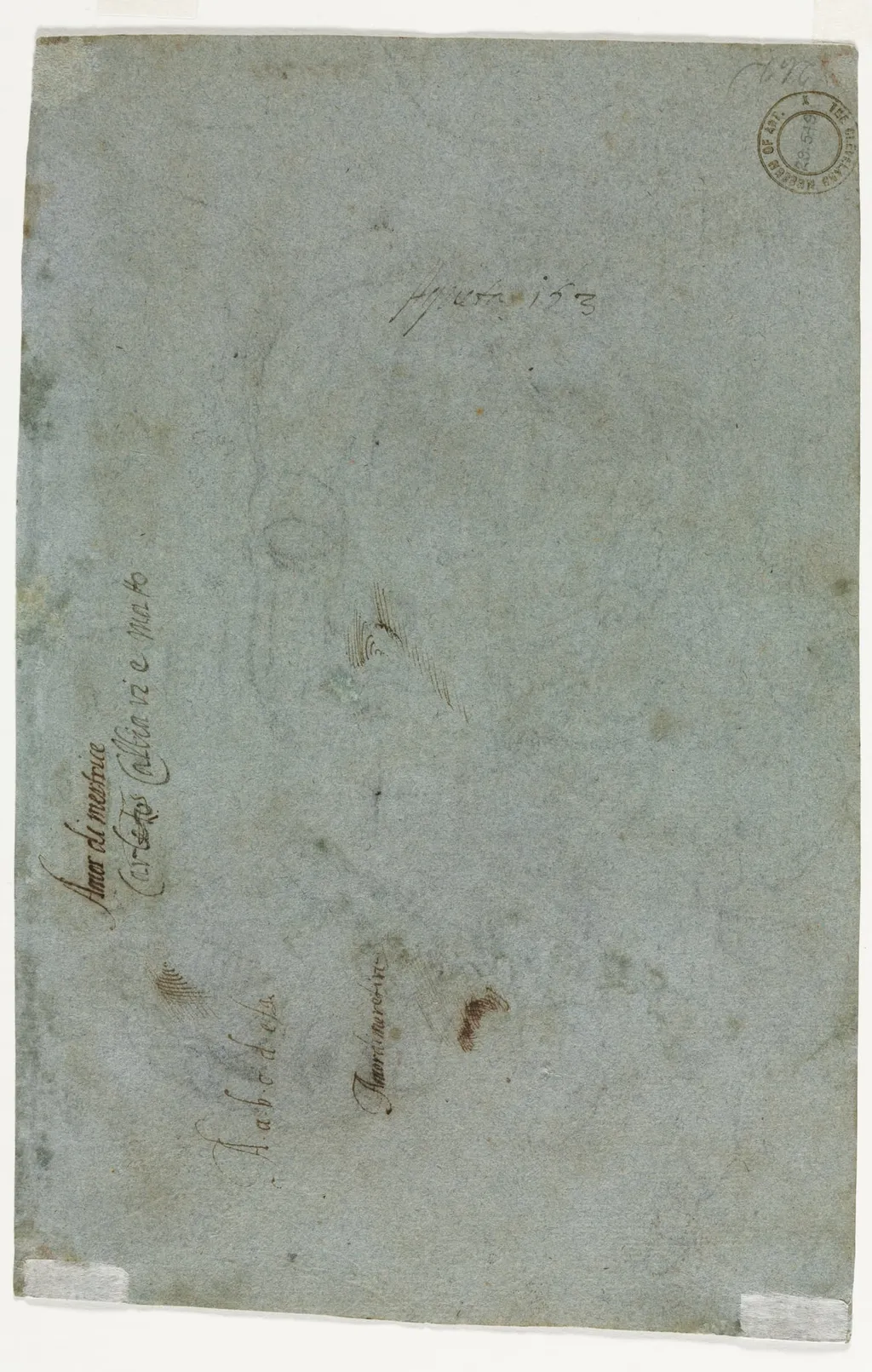
Sketch of a Child's Head (verso) is a drawing by the Renaissance artist Carlo Caliari. It dates from 1586 and is held in the collection of the Cleveland Museum of Art. Created around 1586, this drawing is attributed to Carletto Caliari, the youngest son of Paolo Veronese.
About this work
The ink is light brown and smudged in spots, like it’s been handled a lot.
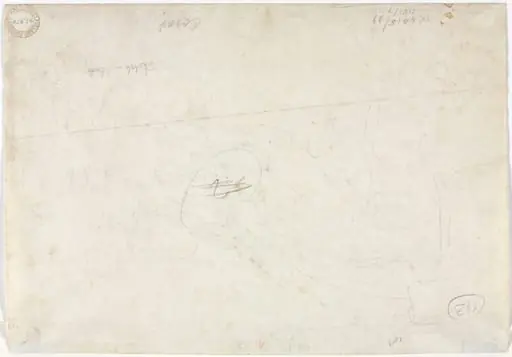
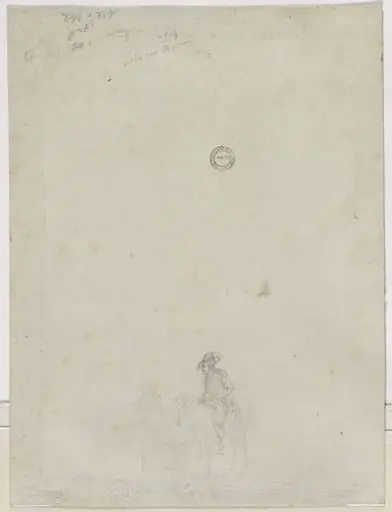
This looks like a blank, faded piece of paper with faint handwriting. The ink is light brown and smudged in spots, like it’s been handled a lot. There’s a postmark stamp in the top-right corner, but it’s hard to read.
The writing is messy, with some words crossed out or barely legible. One part says "1586" near the top, and another word looks like "Carletto." The paper itself is thin and yellowed, with small brown stains.
If you like old sketches, check out The Cleveland Museum of Art.
Overview
Created around 1586, this drawing is attributed to Carletto Caliari, the youngest son of Paolo Veronese. Executed in light brown ink on thin, yellowed paper, it bears signs of frequent handling and age-related deterioration. The verso side of a reused sheet, it contains faint, smudged script and partial legible inscriptions, including the year and a name likely referring to the artist. Its condition suggests it was not a finished work but a casual note or study.
Subject & Meaning
The drawing lacks a clear figural image, instead presenting fragmented handwritten text and smudged marks. The presence of '1586' and 'Carletto' implies a personal annotation, possibly a date and signature appended to a reused sheet. Its meaning remains elusive, but it may reflect the everyday practice of artists reusing materials, recording fleeting thoughts, or marking ownership within a busy studio environment.
Technique & Style
The ink is applied with a loose, hurried hand, showing signs of fading and physical wear. The paper’s thinness and staining indicate common, utilitarian use rather than deliberate artistic preparation. Unlike the polished compositions of Veronese’s large-scale works, this piece reveals the informal, experimental side of workshop practice—where sketches, notes, and drafts coexisted on the same surface.
History & Provenance
The drawing entered the collection of the Cleveland Museum of Art, where it is preserved as part of its holdings of Renaissance drawings. Its survival is likely due to its association with the Veronese family, whose workshop produced numerous works across generations. Though its original context is lost, its physical state suggests it was kept as a personal artifact rather than a public artwork.
Context
In late 16th-century Venice, artists commonly reused paper for sketches, notes, or practice studies. The Veronese studio, known for grand decorative projects, likely generated many such ephemeral items. Carletto, working alongside his father and brothers, would have had access to abundant materials but also the need to economize. This drawing reflects the practical realities of artistic labor in a busy family workshop.
Legacy
As a fragmentary artifact, the drawing offers insight into the daily rhythms of a Renaissance studio rather than a celebrated artistic achievement. It stands as evidence of the transient, often overlooked aspects of artistic production—notes, drafts, and reused surfaces—that underpinned more monumental works. Its preservation allows modern viewers to glimpse the human scale behind a renowned artistic lineage.
Artist & collection
Artist
Carlo Cannovaro Caliari (1570–1596) was an Italian artist of the Renaissance period.

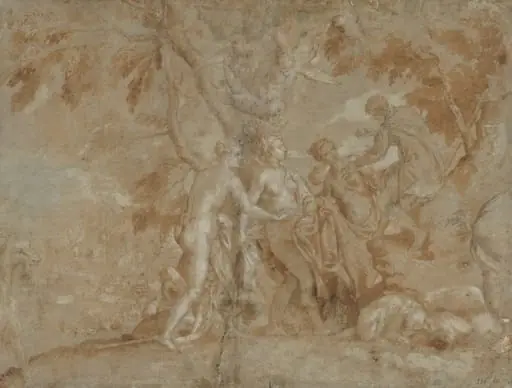
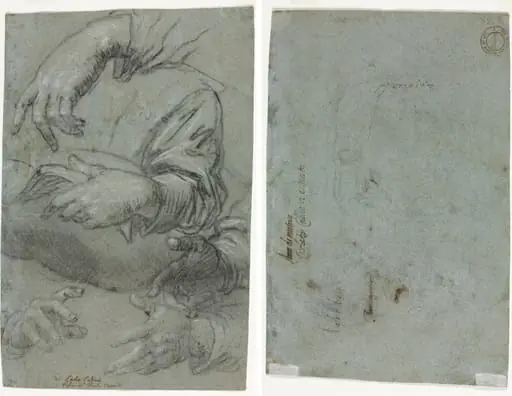
 Sketch for a Landscape (verso)
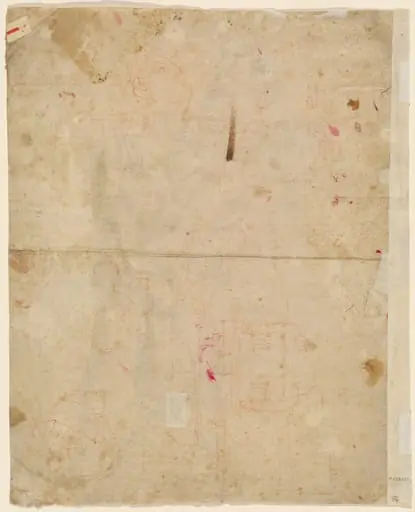 The Head of Saint George and Architectural Plans (verso)
 Three Sketches of Arches (verso)
 Border Lines (verso)
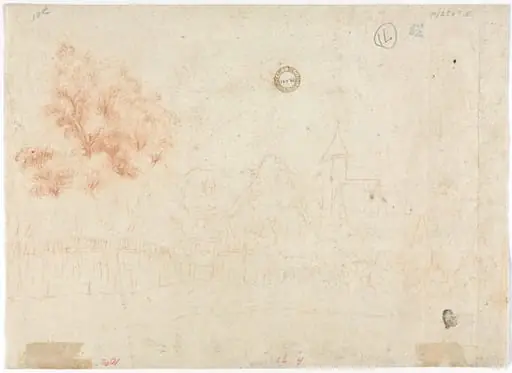 Sketch of a Village (verso)
 Several Line Borders (verso)
 Sketch of Peasants at a Fountain (verso)
 H 1 - Portret de băiat la Hârșova (Olteanu Eugen)
![Figure on Horseback and Other Studies [verso], by Winslow Homer](https://artifactworldgallery.com/img/winslow-homer--figure-on-horseback-and-other-studies-verso--3909dbf700a8f786-w320.webp) Figure on Horseback and Other Studies [verso]
Figure on Horseback and Other Studies [verso] Sketch for San Giovanni in Laterano (verso)
![Sketch of a Sphinx [?] (verso), by Luc-Olivier Merson](https://artifactworldgallery.com/img/luc-olivier-merson--sketch-of-a-sphinx-verso--01aae5545d384a57-w320.webp) Sketch of a Sphinx [?] (verso)
Sketch of a Sphinx [?] (verso) Sketch (verso)