Artwork
Hl. Ludwig bittet um Abwendung der Pest
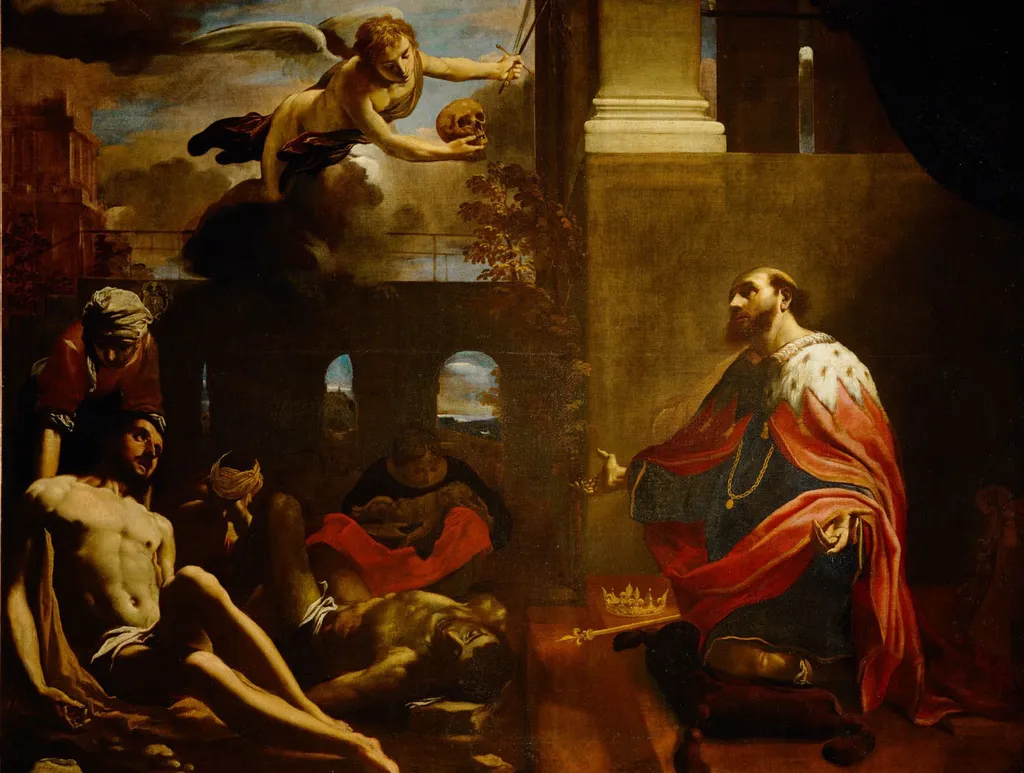
Hl. Ludwig bittet um Abwendung der Pest is an unspecified painting by the Early Baroque Italian artist Carlo Bononi. It dates from 1632 and is held in the collection of the Kunsthistorisches Museum.
About this work
Overview
Painted in 1632 by Carlo Bononi, this religious work depicts Saint Louis of Toulouse interceding during a plague outbreak.
Painted in 1632 by Carlo Bononi, this religious work depicts Saint Louis of Toulouse interceding during a plague outbreak. Bononi, a late Renaissance artist rooted in Ferrara, completed the piece shortly before his death. The painting resides in the Kunsthistorisches Museum in Vienna, where it stands as one of his final known works, reflecting the transition from Mannerism to the emotional intensity of early Baroque religious art.
Subject & Meaning
The scene portrays Saint Louis of Toulouse, identifiable by his royal regalia, kneeling in prayer to avert divine punishment. Above him, a celestial figure—likely an angel of death—holds a skull and spear, signaling plague as divine retribution. The prostrate figures beneath, partially shrouded in red cloth, represent afflicted townspeople. The composition conveys supplication and dread, framing the plague not as mere disease but as a spiritual trial requiring divine mercy.
Technique & Style
Bononi employs strong chiaroscuro to heighten emotional tension, contrasting deep shadows with stark highlights on the saint’s crimson robe and the hovering figure’s wings. The figures are rendered with sculptural weight, their gestures exaggerated for dramatic effect. The dark, turbulent sky and compressed space reinforce a sense of impending doom. These elements align with early Baroque tendencies toward theatricality and emotional immediacy, moving beyond the stylization of earlier Mannerist traditions.
History & Provenance
Created in the final year of Bononi’s life, the painting likely originated as a devotional commission for a church or confraternity affected by plague outbreaks in northern Italy. It entered the Kunsthistorisches Museum’s collection in the 19th century, possibly through Habsburg acquisitions of Italian religious art. Historical records note Bononi as among the last significant artists of the Ferrarese school, making this work a rare surviving testament to a regional tradition fading into the broader Baroque movement.
Context
Painted during a period of recurring plague in Europe, the image responds to widespread fear and religious fervor. Communities often turned to saints for protection, commissioning art to invoke intercession. Bononi’s depiction follows a common iconographic tradition: royalty kneeling before divine agents. The painting reflects the Counter-Reformation emphasis on visceral, emotionally charged religious imagery designed to inspire piety and repentance among the faithful.
Legacy
Though Bononi is not widely known today, this painting preserves the stylistic bridge between late Renaissance Ferrara and the Baroque mainstream. Its preservation in a major European museum underscores its historical value as a regional work that engaged with broader religious and artistic currents. It remains a quiet example of how local artists responded to collective trauma through visual devotion, without the grandeur of more famous contemporaries.
Artist & collection
Artist
Carlo Bononi (1569? - 1632) was an Italian painter. An 1876 book lists him among "the last artists of any eminence in Ferrara".

 Allegory of the burdens of time
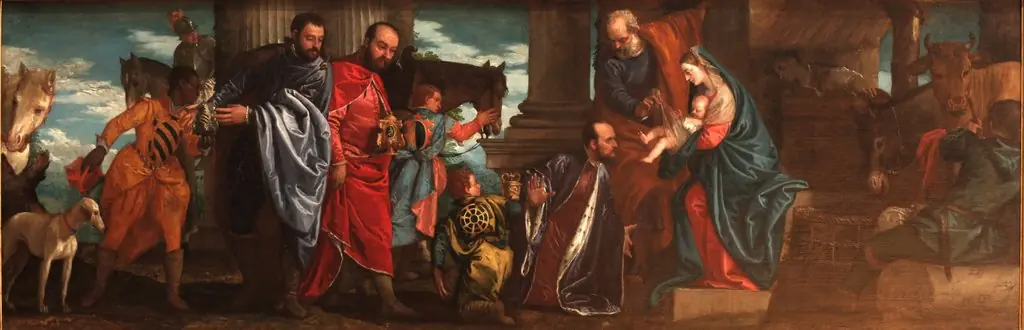 L'Adoration des rois mages
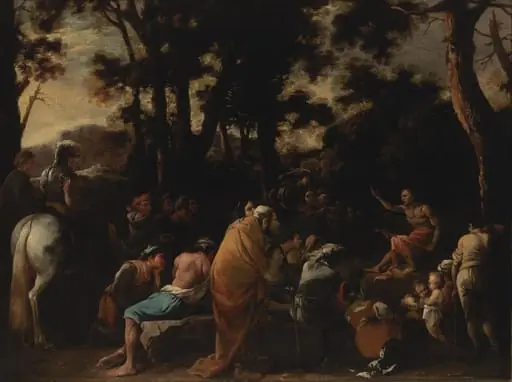 Johannes Kastaja saarnaa
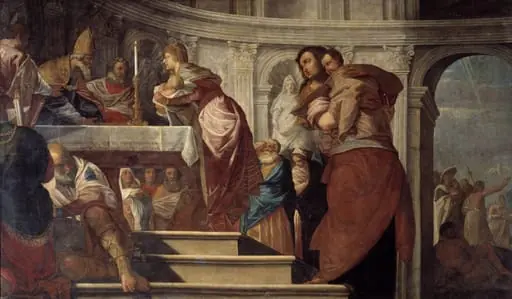 The Presentation of Christ in the Temple, and the Baptism of Christ
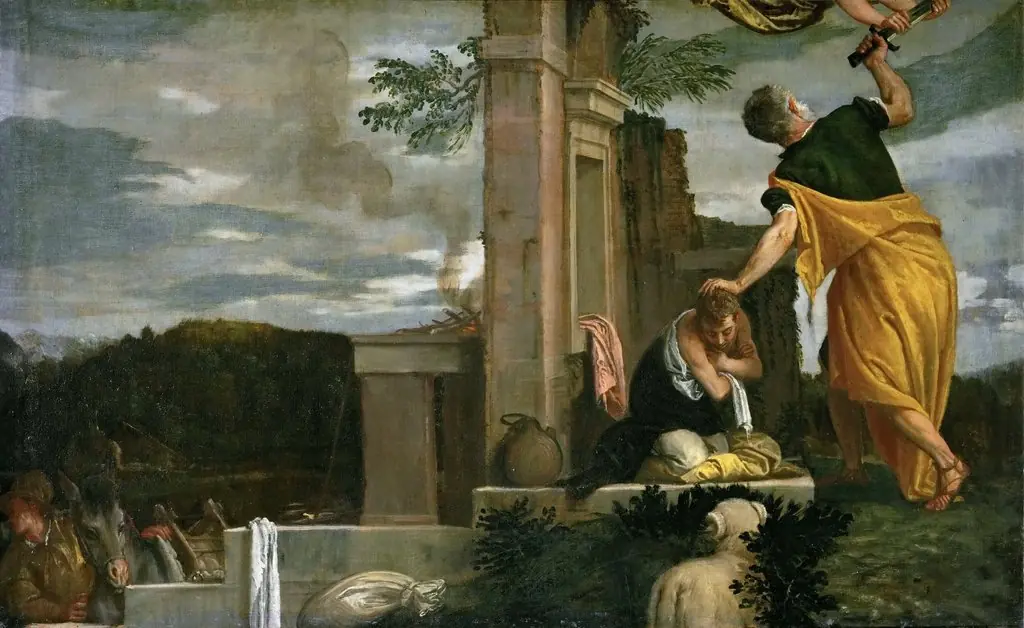 The Sacrifice of Isaac
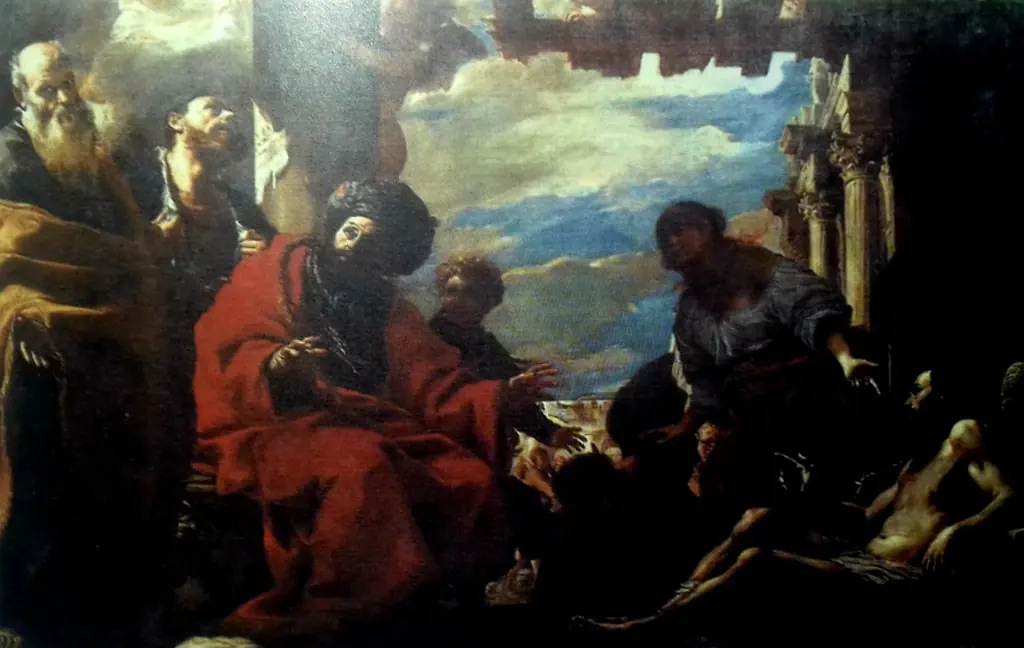 Job and his friends
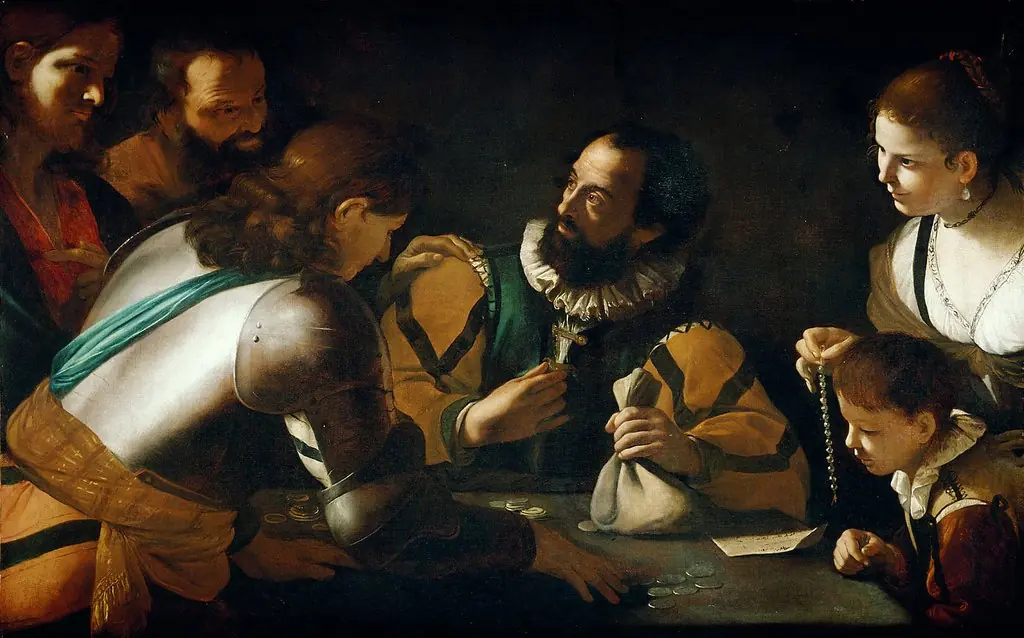 Vocation of the Apostle Matthew
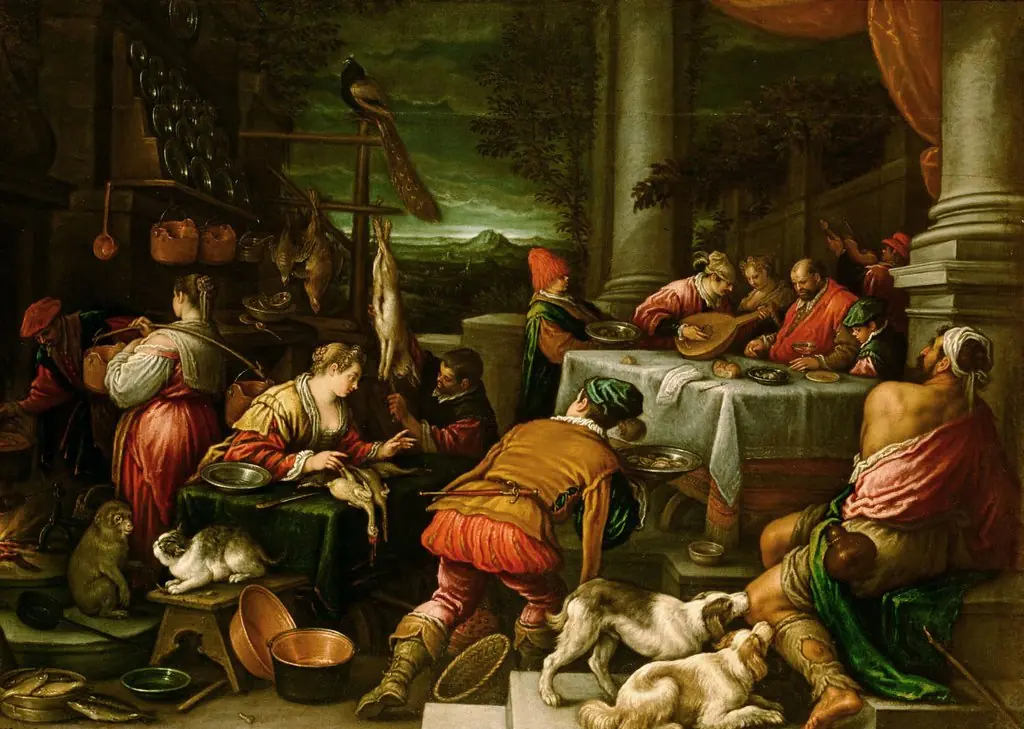 Gleichnis vom reichen Mann und dem armen Lazarus
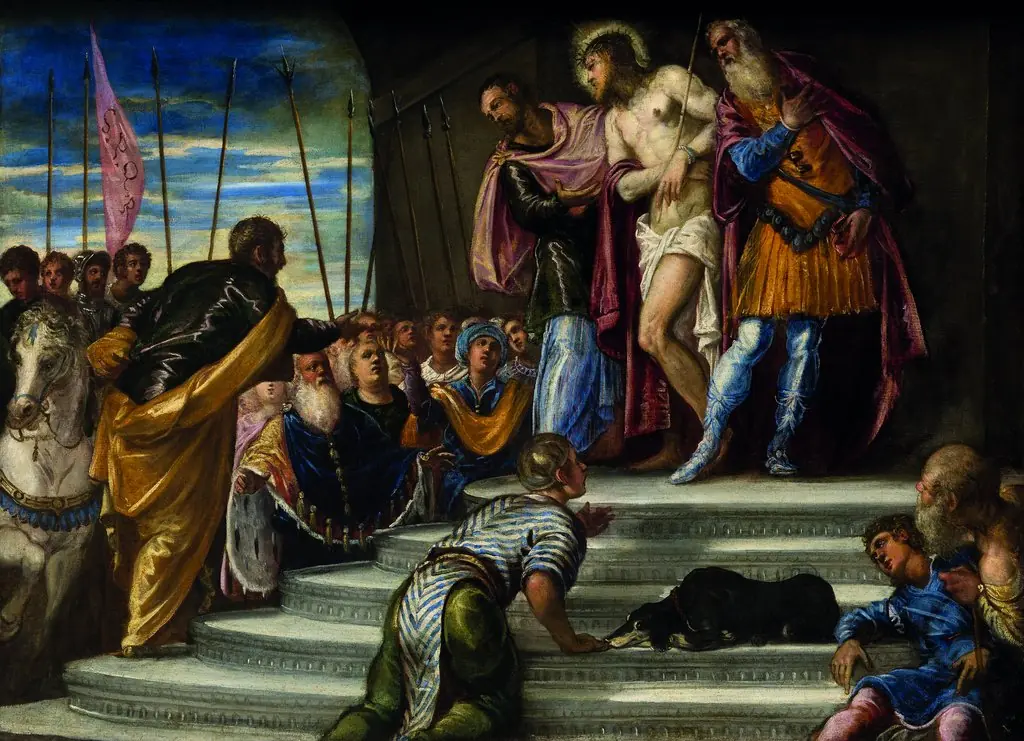 Ecce Homo
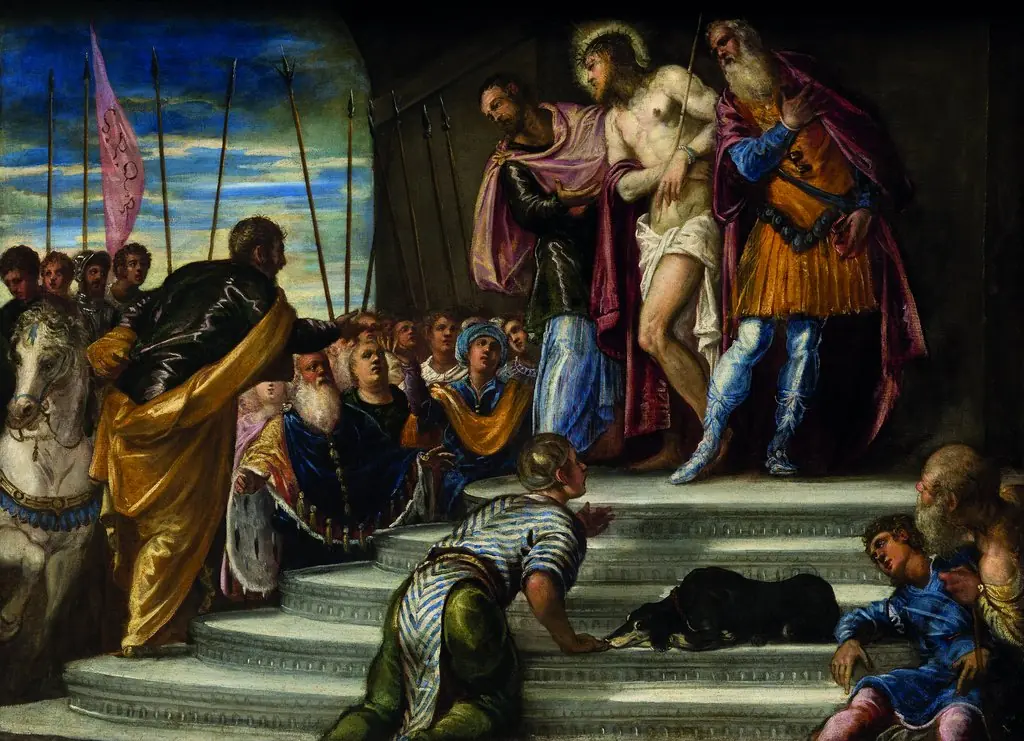 Ecce Homo or Pontius Pilate Presenting Christ to the Crowd
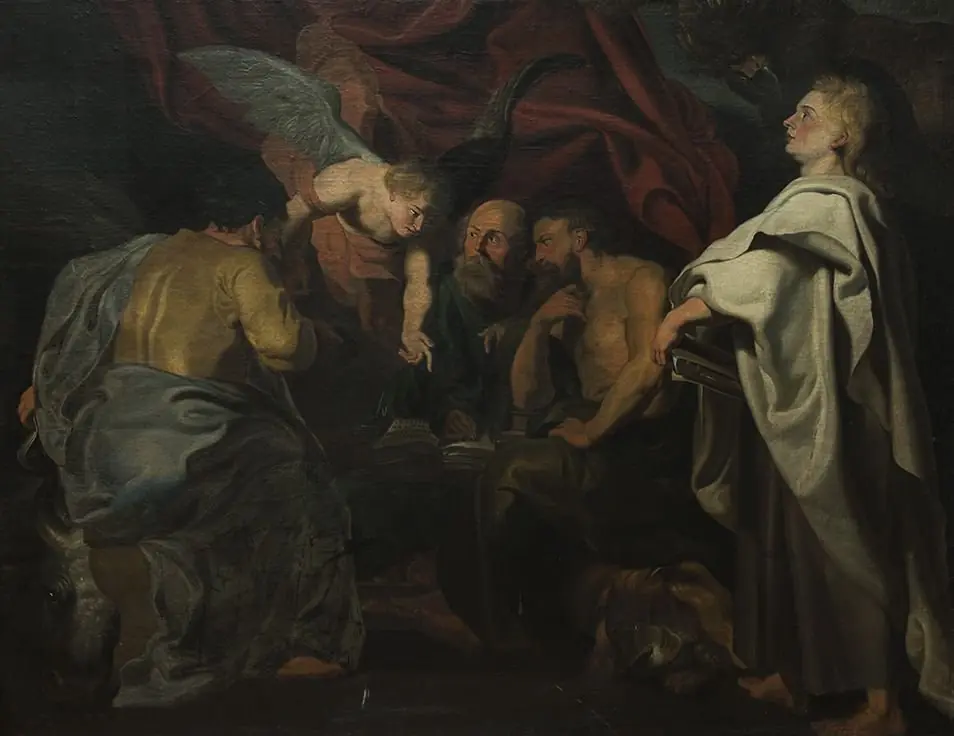 Four Evangelists
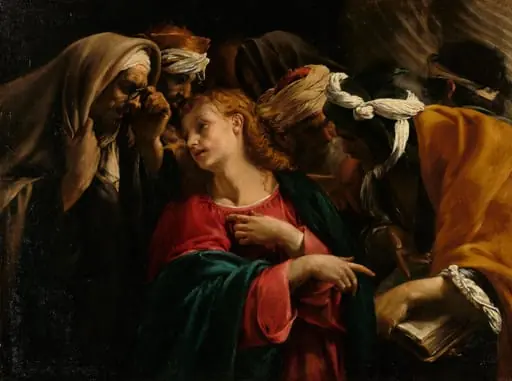 Christ among the Doctors