Artwork
Bernardo Gritti, Proprefect of Bergamo
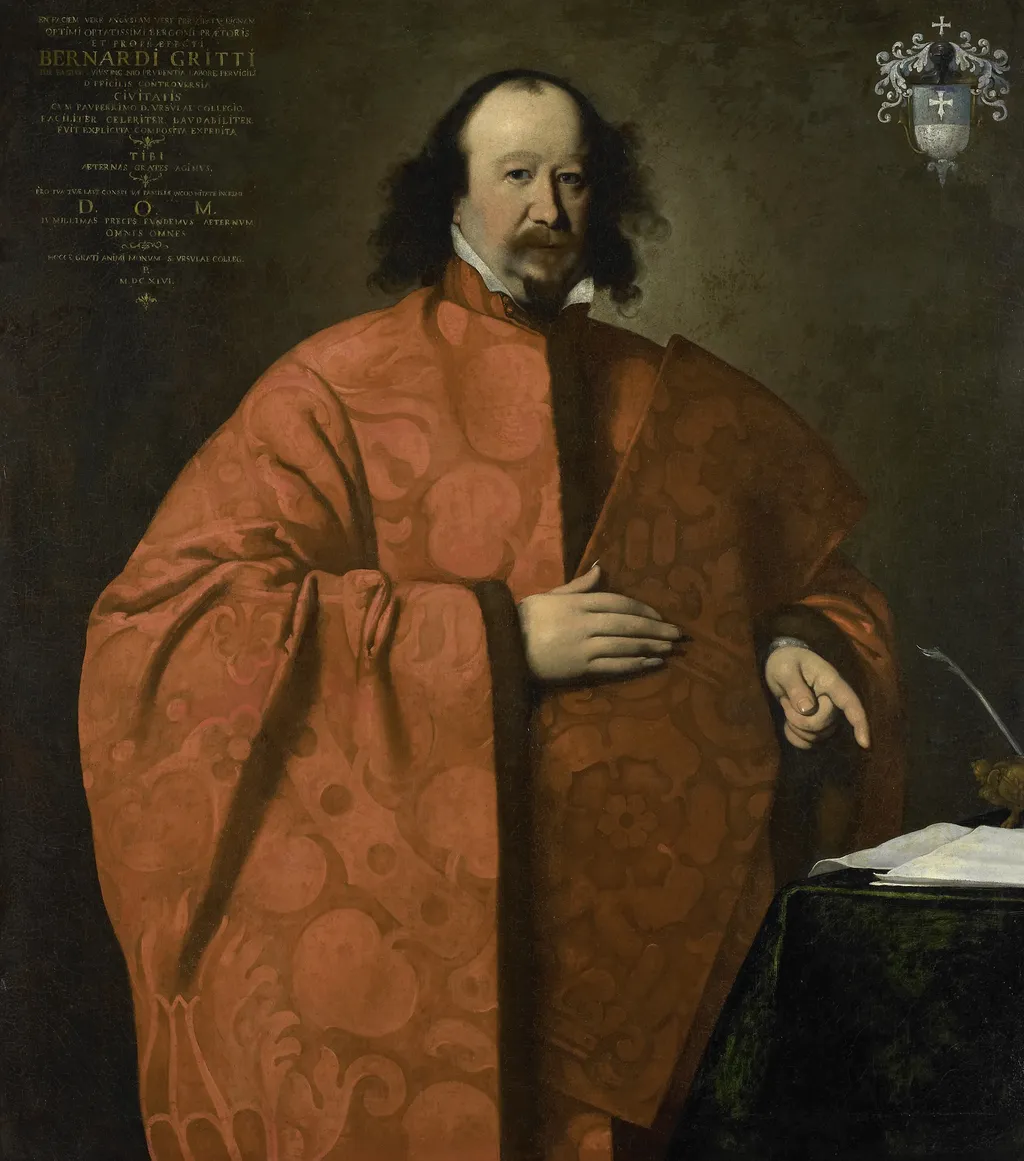
Bernardo Gritti, Proprefect of Bergamo is an oil painting by the Early Baroque Italian artist Carlo Ceresa. It dates from 1646 and is held in the collection of the Rijksmuseum.
About this work
Overview
Bernardo Gritti, Proprefect of Bergamo is a 1646 oil painting by Carlo Ceresa, a Baroque artist known for realistic depictions of local nobility and clergy. The work is characterized by a serious, austere approach to portraiture.
Subject & Meaning
The painting portrays Bernardo Gritti, identified by a Latin inscription as Proprefect of Bergamo, shown in a ceremonial red robe with dark patterns. His gestures—holding a folded paper and pointing—convey an explanatory or authoritative pose, suggesting his role.
Technique & Style
Ceresa employed chiaroscuro, evident in the carefully shaded face and hands of the subject, creating a sense of realism. The composition features a plain background, contrasting with the detailed, symbolic foreground elements (a draped table with an unspecified object).
History & Provenance
Created in 1646, the painting is part of the early Italian Baroque movement. It is currently housed in the Rijksmuseum collection.
Context
As an early Italian Baroque piece, the work reflects the period's emphasis on realism and dramatic lighting, tailored to portray the dignity of local ecclesiastical figures like Gritti.
Legacy
While specific influence or widespread recognition of this piece is not highlighted, it contributes to the broader understanding of 17th-century Italian portraiture and Ceresa's contribution to the Baroque style in Bergamo.
Artist & collection
Artist
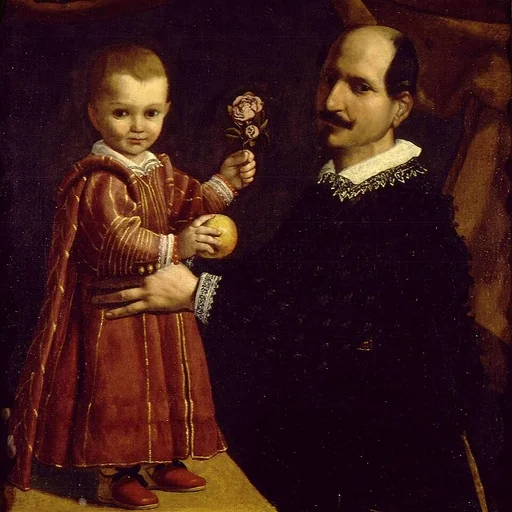
Carlo Ceresa (January 20, 1609 – January 29, 1679) was an Italian painter of the Baroque period active mainly around Bergamo.

 Portrait of Jan-Filips van Boonem, Dean of the Guild of St. George in Bruges
 Hieronymus van Beverningk
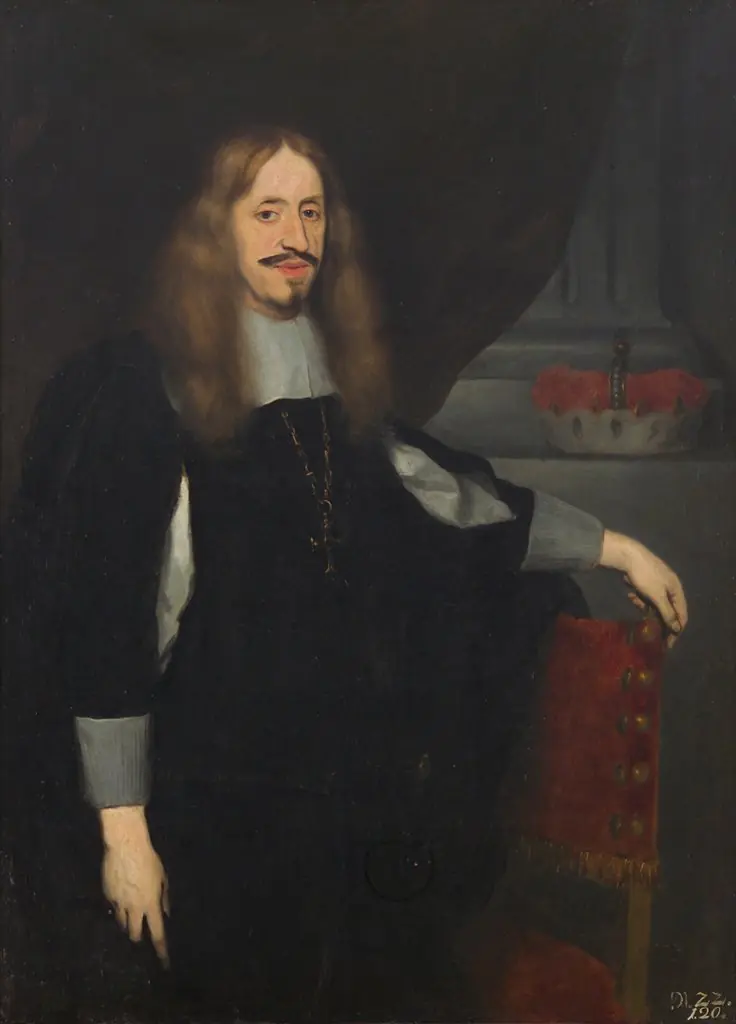 Portrait of archduke Leopold Wilhelm (1614-1662)
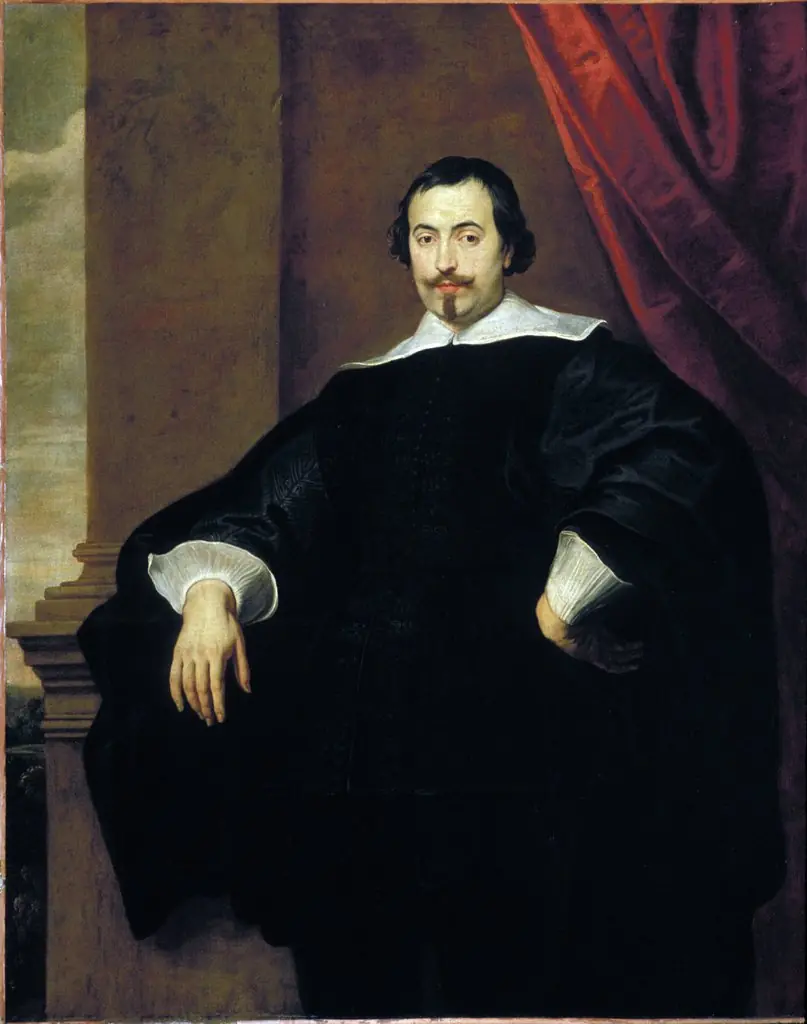 Portrait of a Man
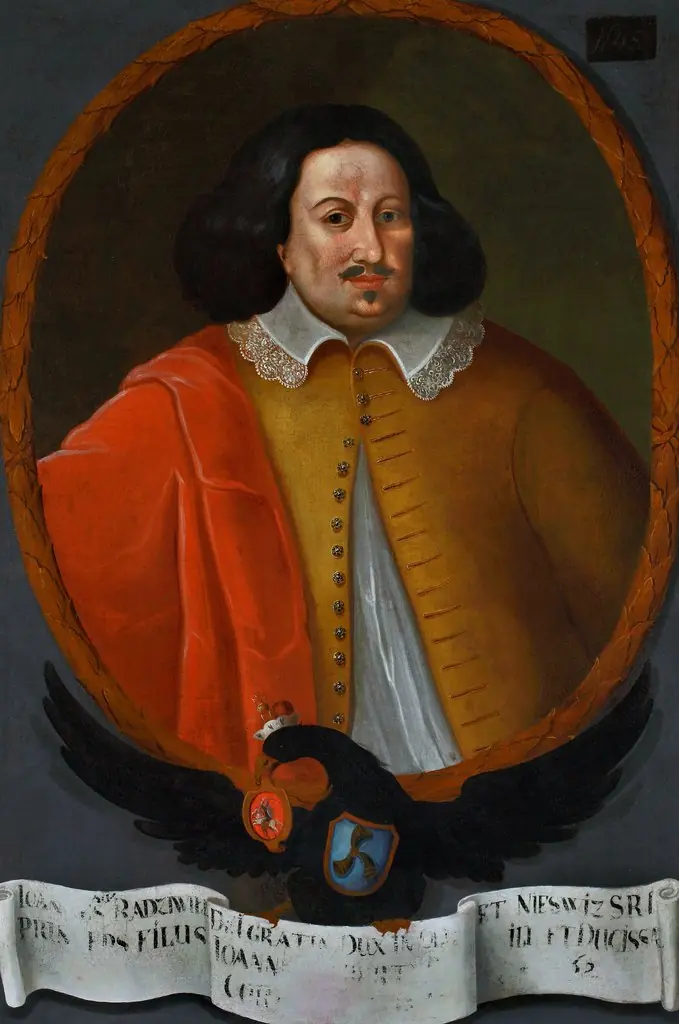 Portrait of Jan XIV Władysław Radziwiłł (1620–1662)
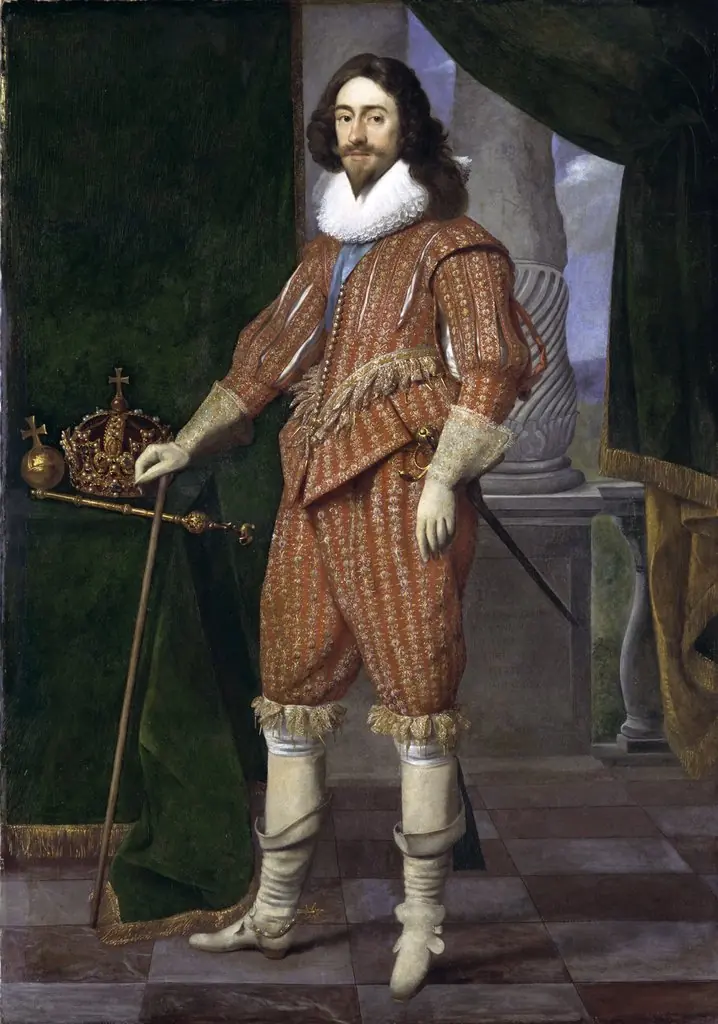 Portrait of Charles I of England
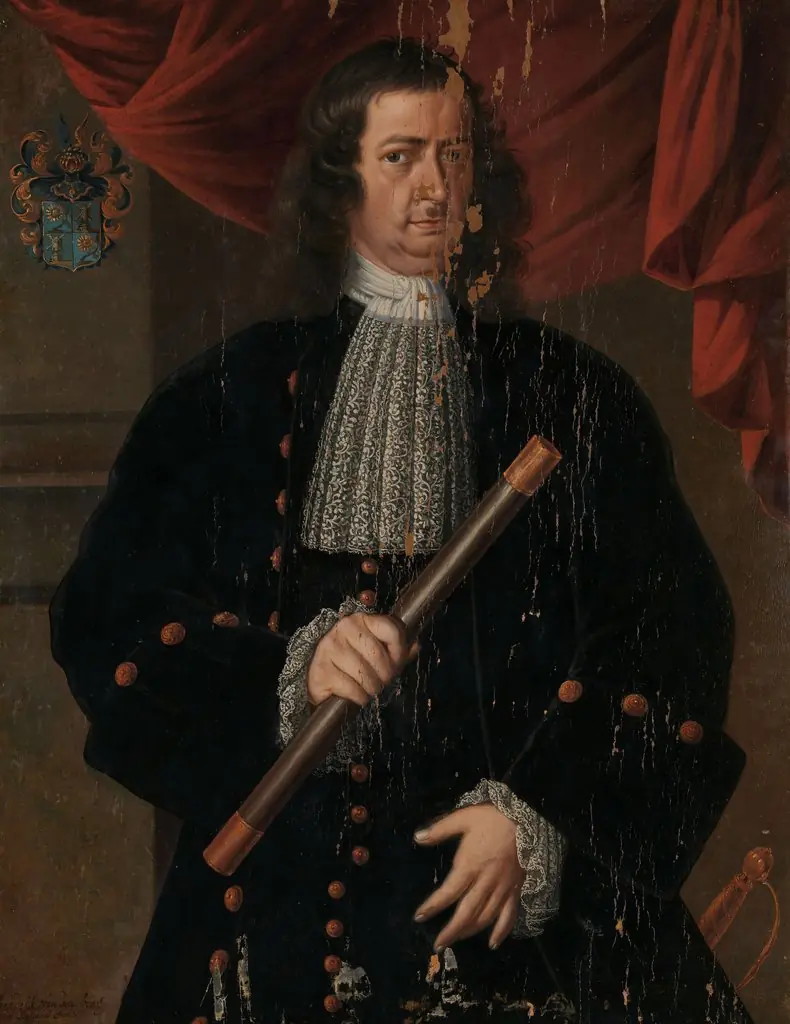 Portrait of Christoffel van Swoll (Swol, Zwol), Governor-General of the Dutch East Indies
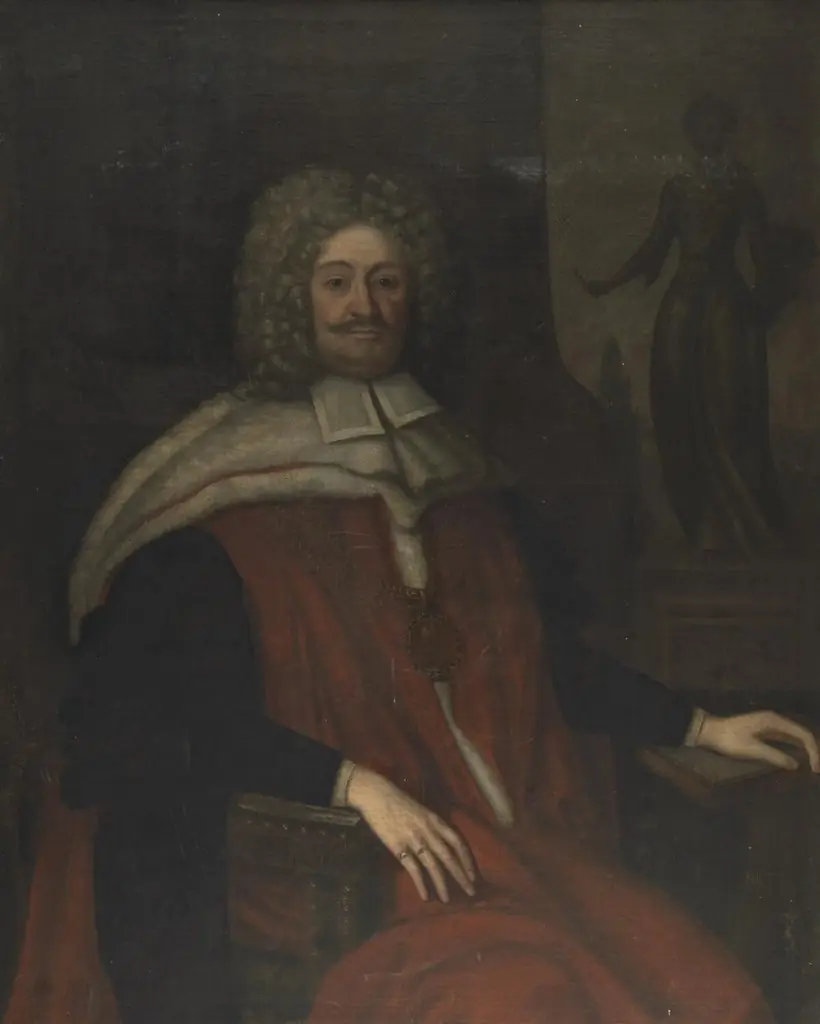 Judge Gwynne
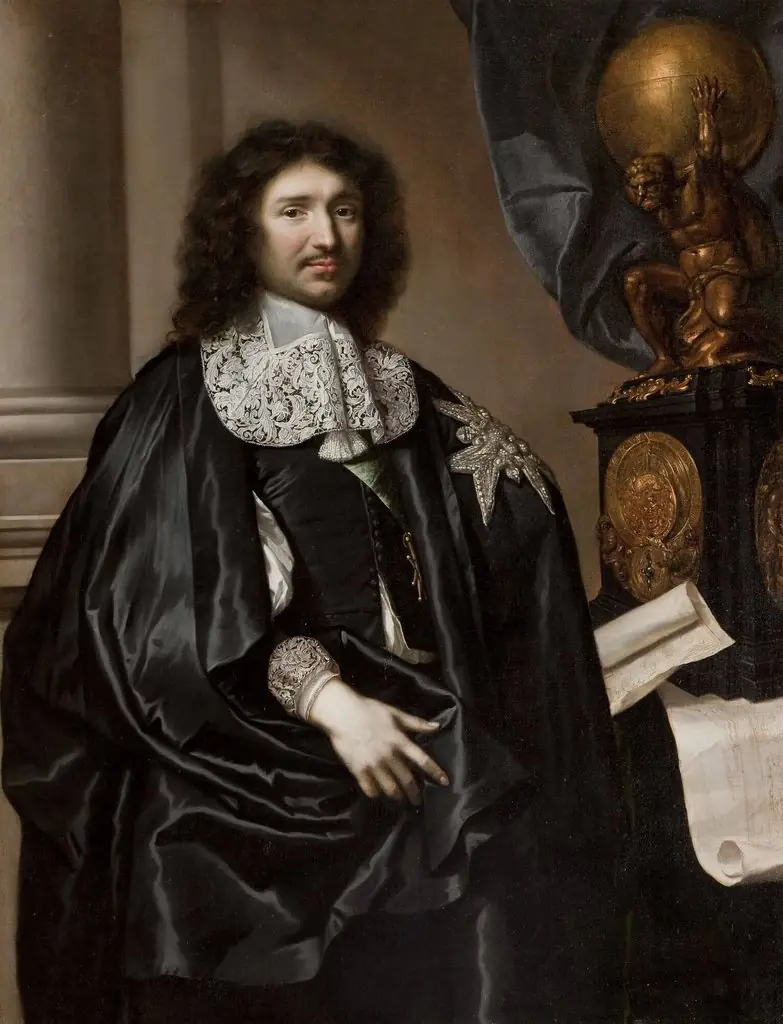 Portrait of Jean-Baptiste Colbert
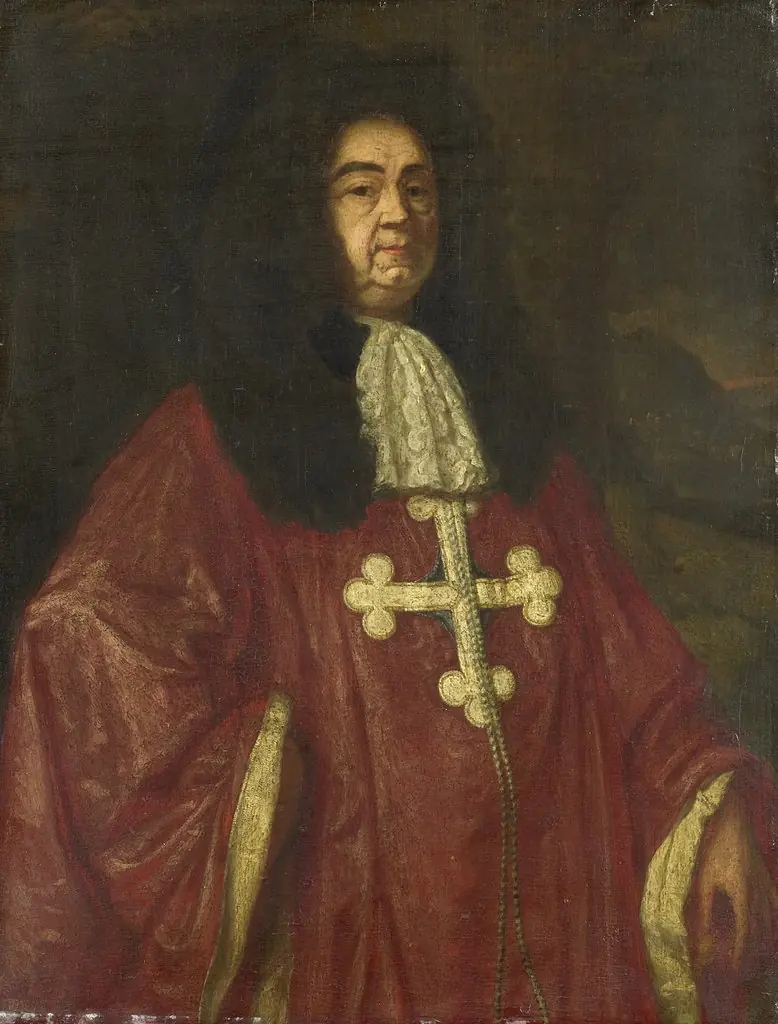 Portrait of Johannes Camprich van Cronefelt, Knight of the Order of St. Maurice and St. Lazarus, Imperial German Ambassador to The Hague
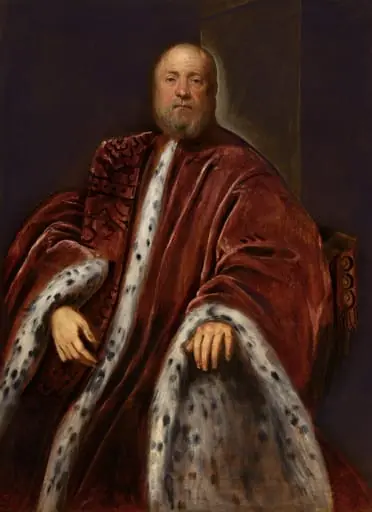 A Procurator of Saint Mark's
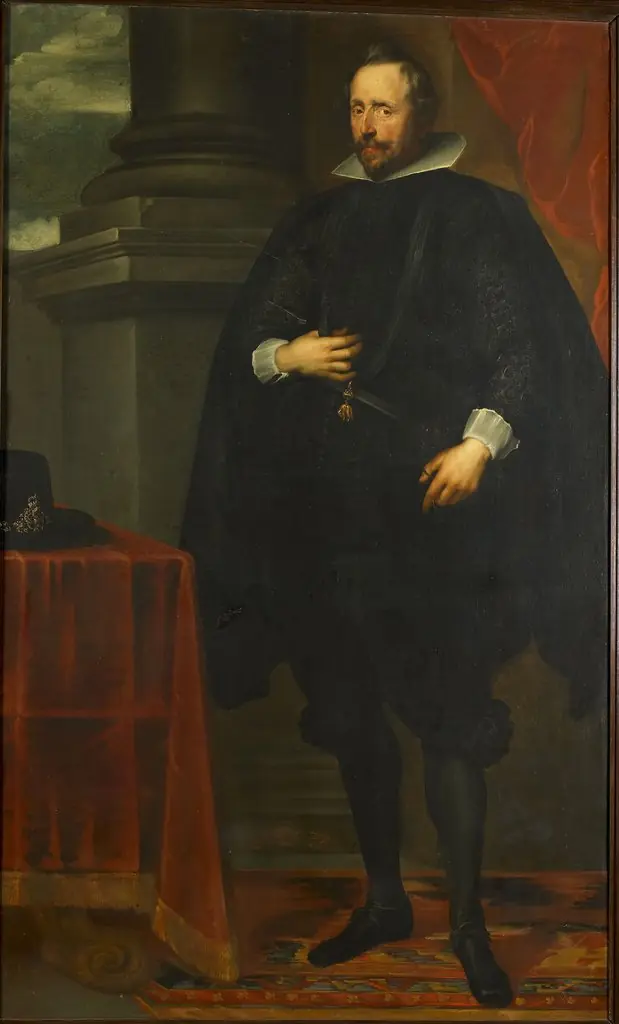 Portrait of Wolfgang Wilhelm, Count Palatine of Neuburg