Artwork
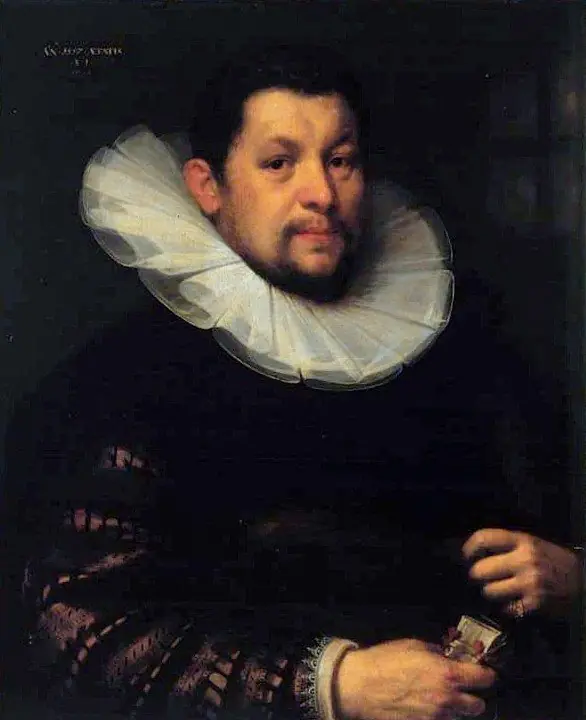
Portrait of a man
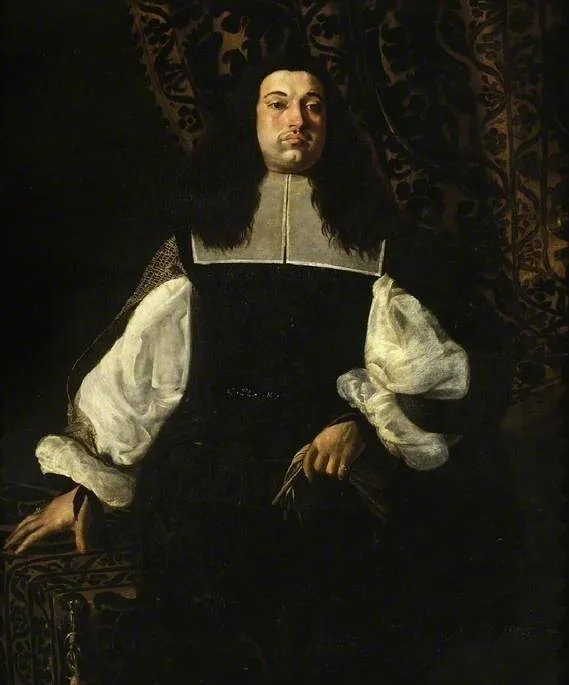
Portrait of a man is an oil painting by Carlo Ceresa. It dates from 1654 and is held in the collection of the Fitzwilliam Museum.
About this work
Overview
Portrait of a Man is an oil painting created by Carlo Ceresa around 1654. The work depicts a solemnly dressed individual against a dark, patterned backdrop, characterized by the artist's realist and austere style.
Subject & Meaning
The subject, likely a member of the local nobility or clergy, is portrayed with a serious expression and a subtle smile. His attire, consisting of black and white with a high collar and puffy sleeves, suggests formality. An unidentified small object in his hand adds an element of intrigue.
Technique & Style
Ceresa employed chiaroscuro to achieve depth and contrast, hallmark of the Baroque period. The dark background, patterned curtain, and the subject's illuminated face exemplify this technique, enhancing the overall sense of realism.
History & Provenance
The painting is part of the Fitzwilliam Museum's collection. Created in 1654, it reflects Ceresa's typical subject matter of Bergamo's elite during his active period in the region.
Context
As an Italian Baroque painter, Ceresa's work, including this portrait, was influenced by the period's emphasis on realism and dramatic lighting, catering to the commissioning tastes of local nobles and clergy.
Legacy
While specific impact of *Portrait of a Man* on broader art historical narratives is not prominently noted, it contributes to the understanding of Ceresa's oeuvre and the artistic preferences of 17th-century Bergamo's elite.
Artist & collection
Artist
Carlo Ceresa (January 20, 1609 – January 29, 1679) was an Italian painter of the Baroque period active mainly around Bergamo.

 Portrait of a Man
 Wijnand Wijnands
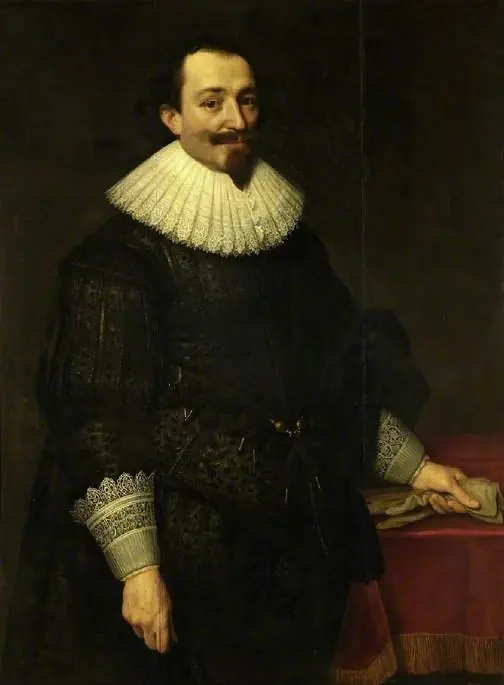 A gentleman
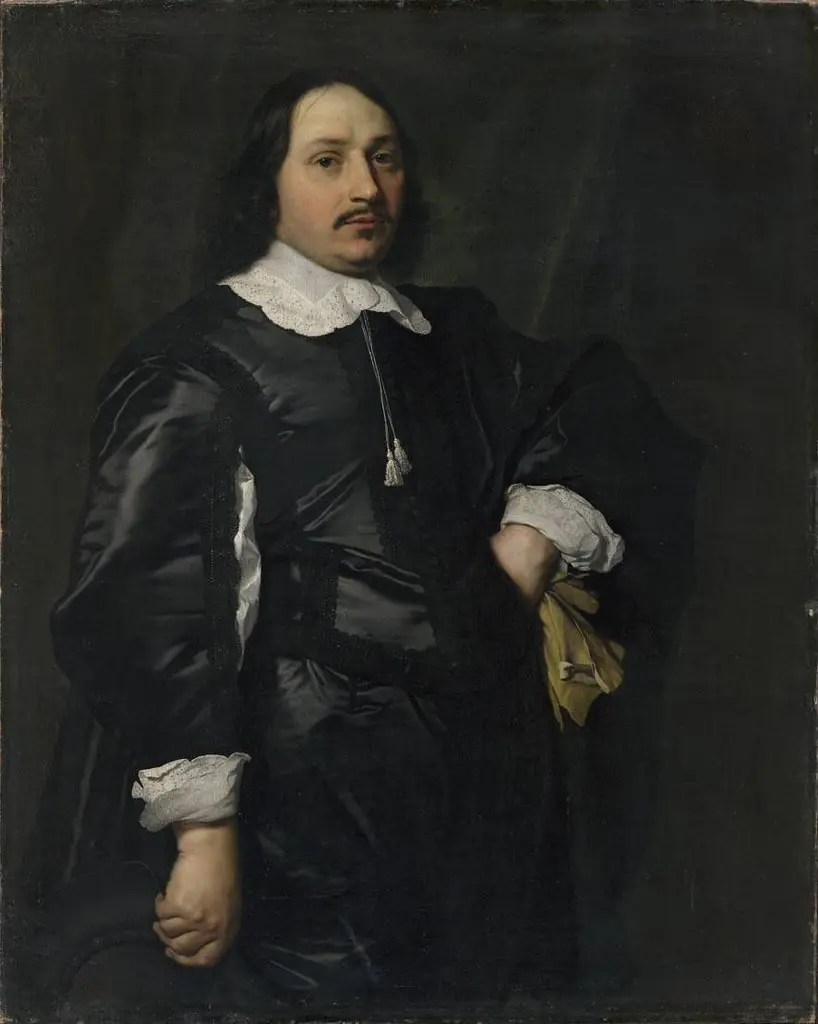 Portrait of a Man in Black
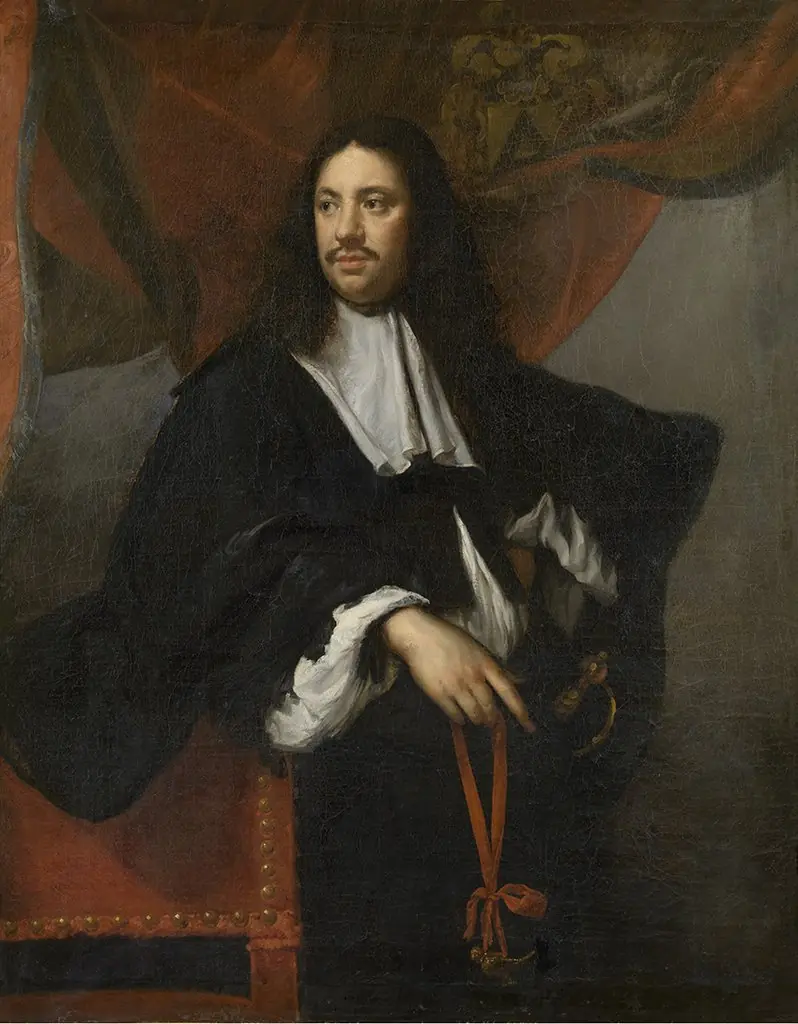 Portrait of Jan-Filips van Boonem, Dean of the Guild of St. George in Bruges
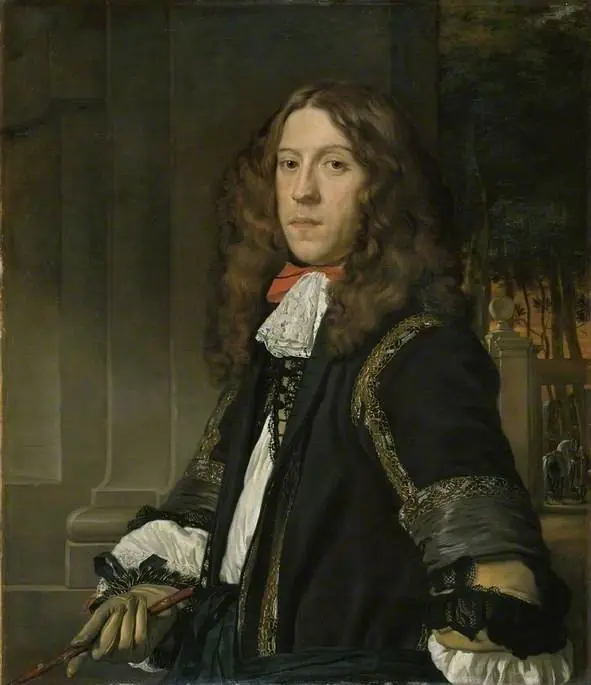 Portrait of a man
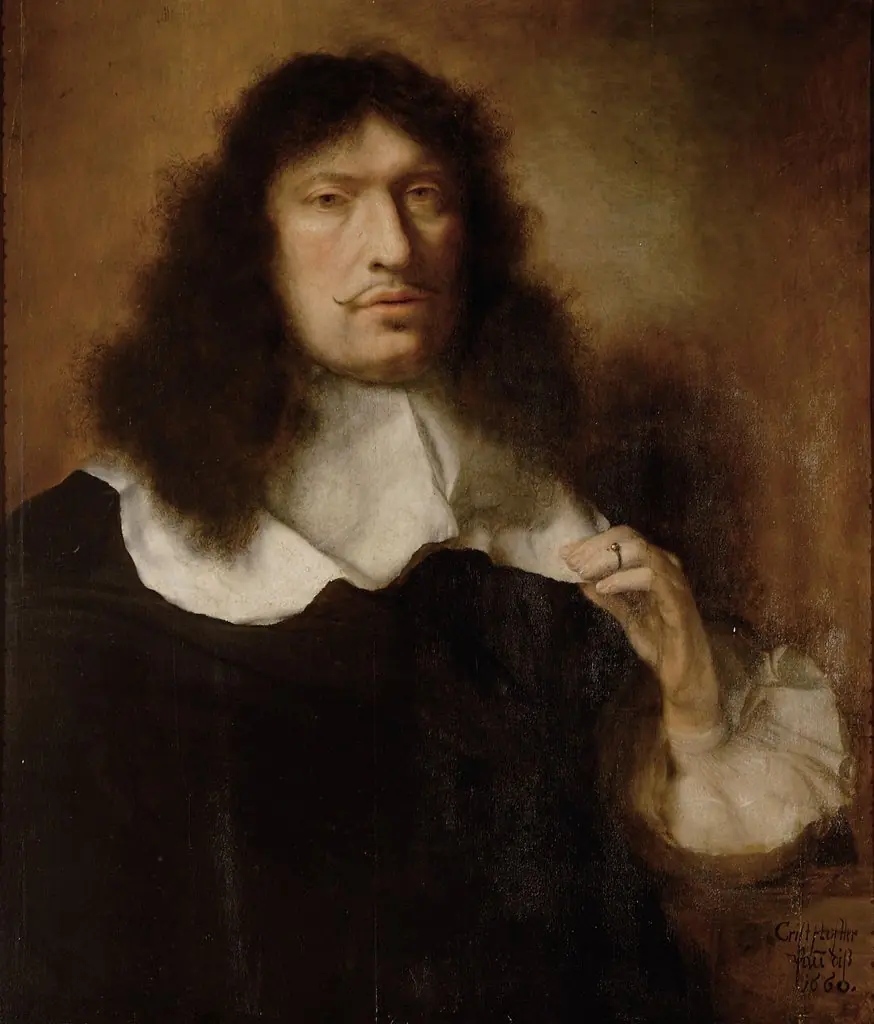 Portrait of a man with dark hair, probably Alphons Zeffiri
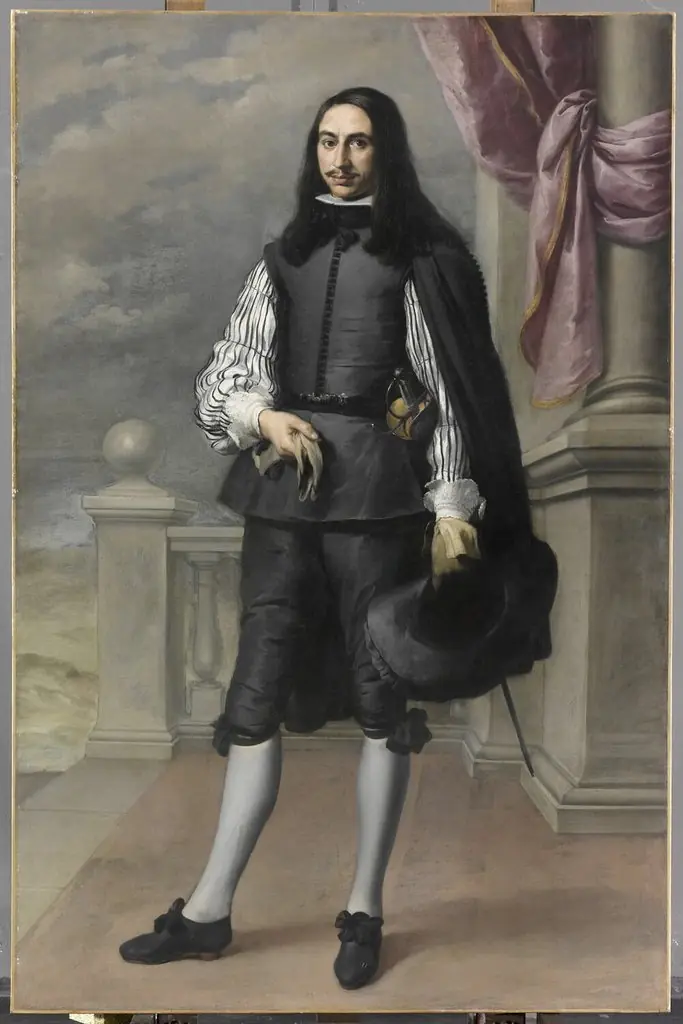 Portrait of Íñigo Fernández de Velasco
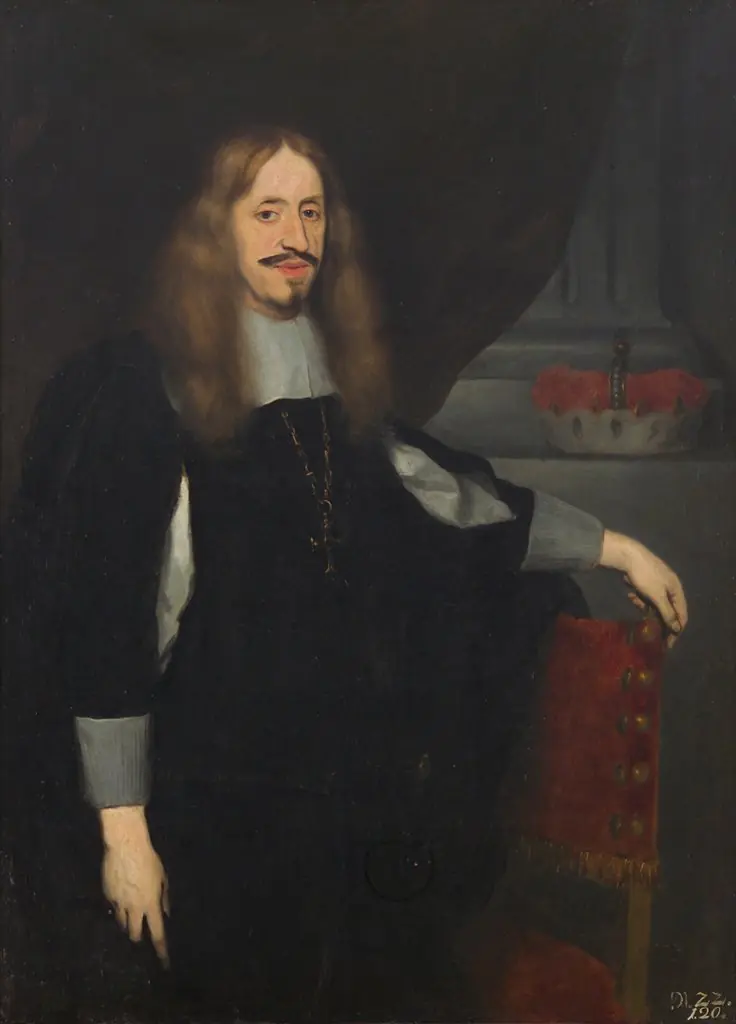 Portrait of archduke Leopold Wilhelm (1614-1662)
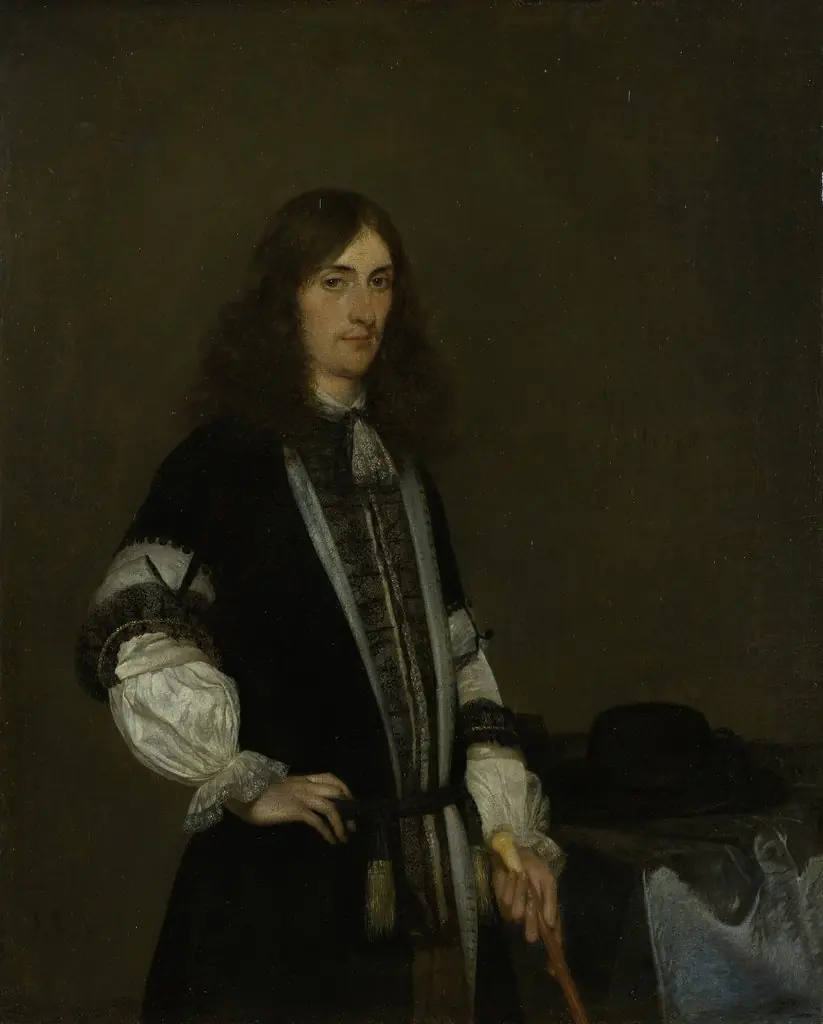 Portrait of François de Vicq (1646-1707). Burgomaster of Amsterdam for several terms from 1697 on
 Portrait of a Man.
 Philip IV, King of Spain