Artwork
Charles Killigrew (1655–1724/1725)
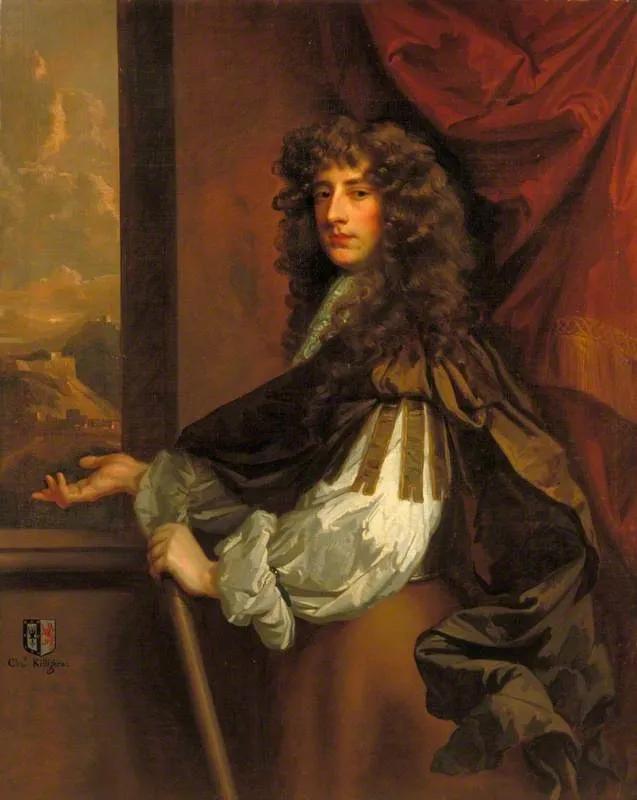
Charles Killigrew (1655–1724/1725) is an oil painting by the Barbizon school artist Peter Lely. It dates from 1673 and is held in the collection of the Victoria and Albert Museum.
About this work
Overview
Sir Peter Lely’s 1673 oil portrait presents Charles Killigrew, a gentleman of the Restoration era. Executed in the artist’s mature style, the work now belongs to the Victoria and Albert Museum’s collection, offering a clear example of Lely’s courtly portraiture during the reign of Charles II.
Subject & Meaning
The sitter, Charles Killigrew, is shown with flowing curls, a dark brown cloak over a crisp white shirt, and a cane in his right hand. He leans against a railing, his left hand supporting his pose, while a red curtain and a small landscape painting form the backdrop, suggesting cultivated taste and social standing.
Technique & Style
Lely employs a subtle chiaroscuro, using light to model Killigrew’s features against the darker drapery, creating depth and a three‑dimensional presence. The handling of fabric and the delicate rendering of hair exemplify the polished finish characteristic of his court portraits.
History & Provenance
Created when Lely was establishing himself as the premier portraitist to the English monarchy, the painting entered the Victoria and Albert Museum’s holdings in the 20th century. Lely, knighted by Charles II in 1680, had a prolific career that positioned him at the centre of aristocratic portraiture.
Context
The portrait reflects the Restoration court’s emphasis on elegance and display. The inclusion of a miniature landscape within the composition mirrors contemporary tastes for art collecting and the desire to convey refinement through visual references to the natural world.
Artist & collection
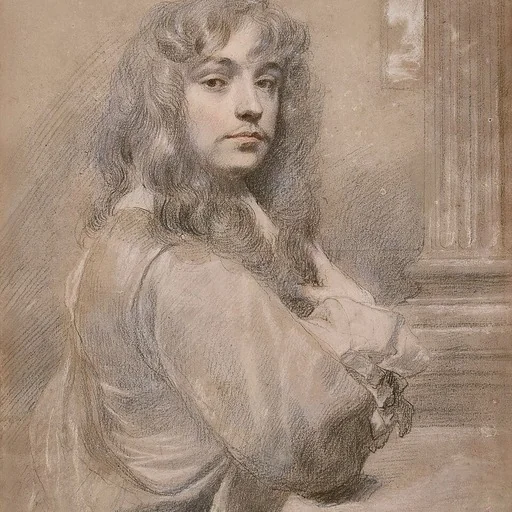
Artist
Sir Peter Lely (Dutch: ; 14 September 1618 – 30 November 1680) was a painter of Dutch origin whose career was nearly all spent in England, where he became the dominant portrait painter to the court.

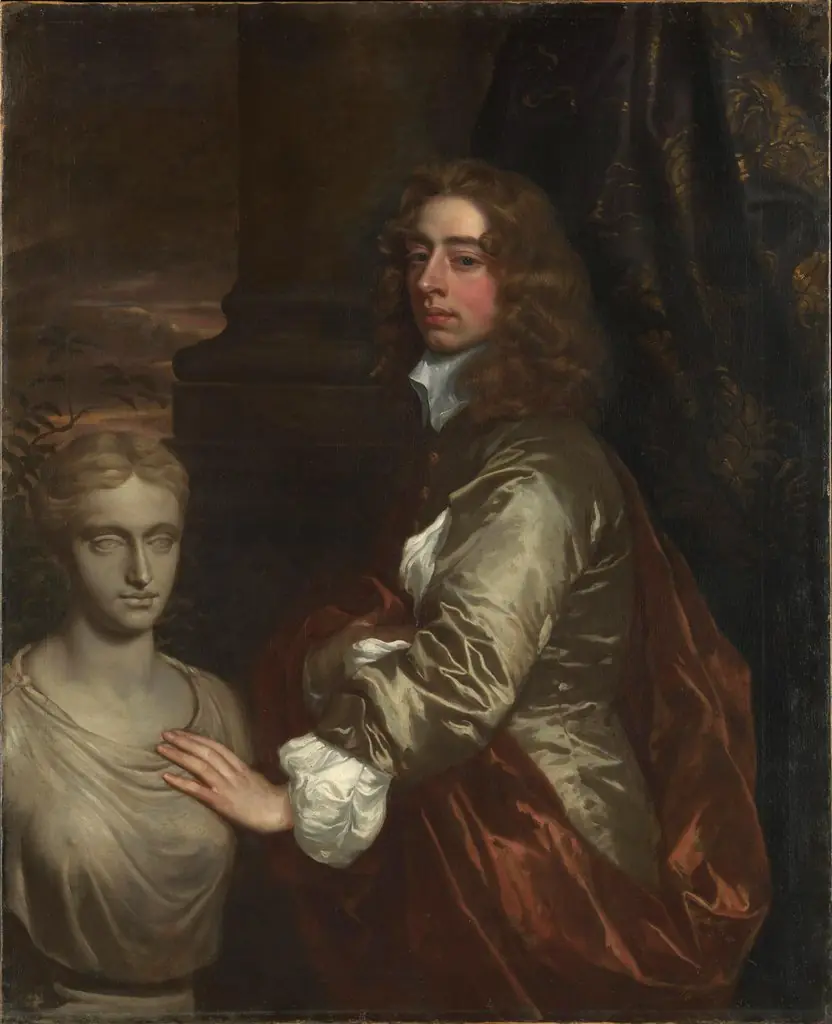 Sir Henry Capel (1638–1696)
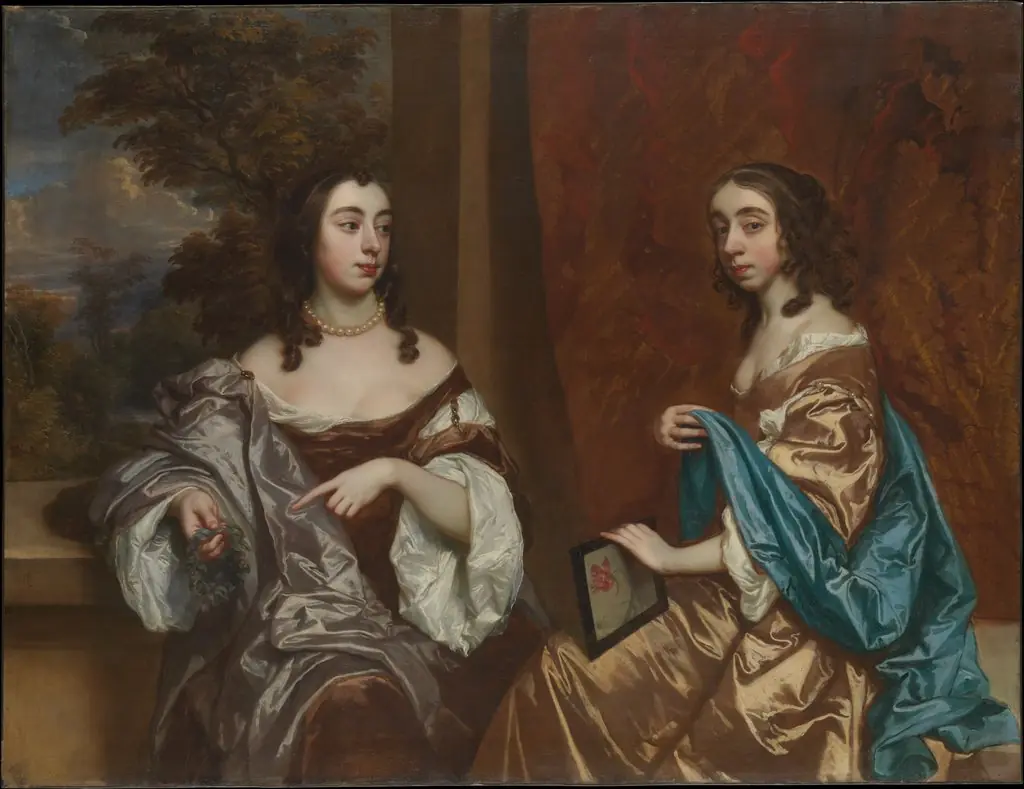 Mary Capel (1630–1715), Later Duchess of Beaufort, and Her Sister Elizabeth (1633–1678), Countess of Carnarvon
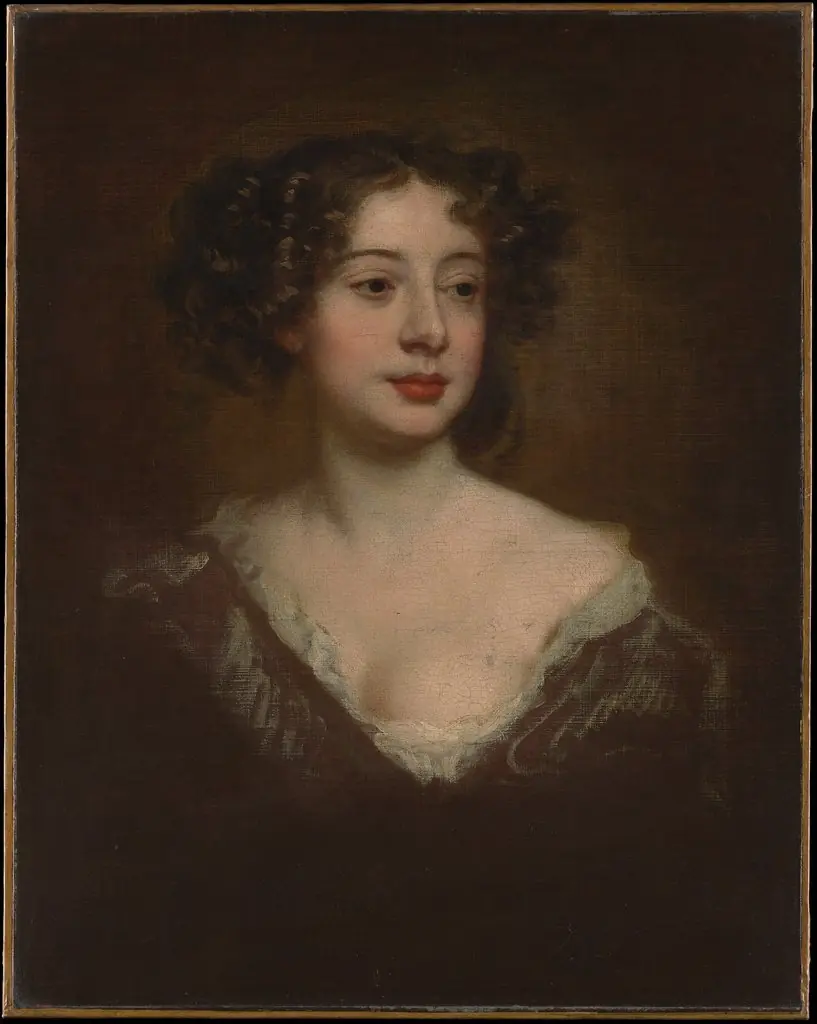 Study for a Portrait of a Woman
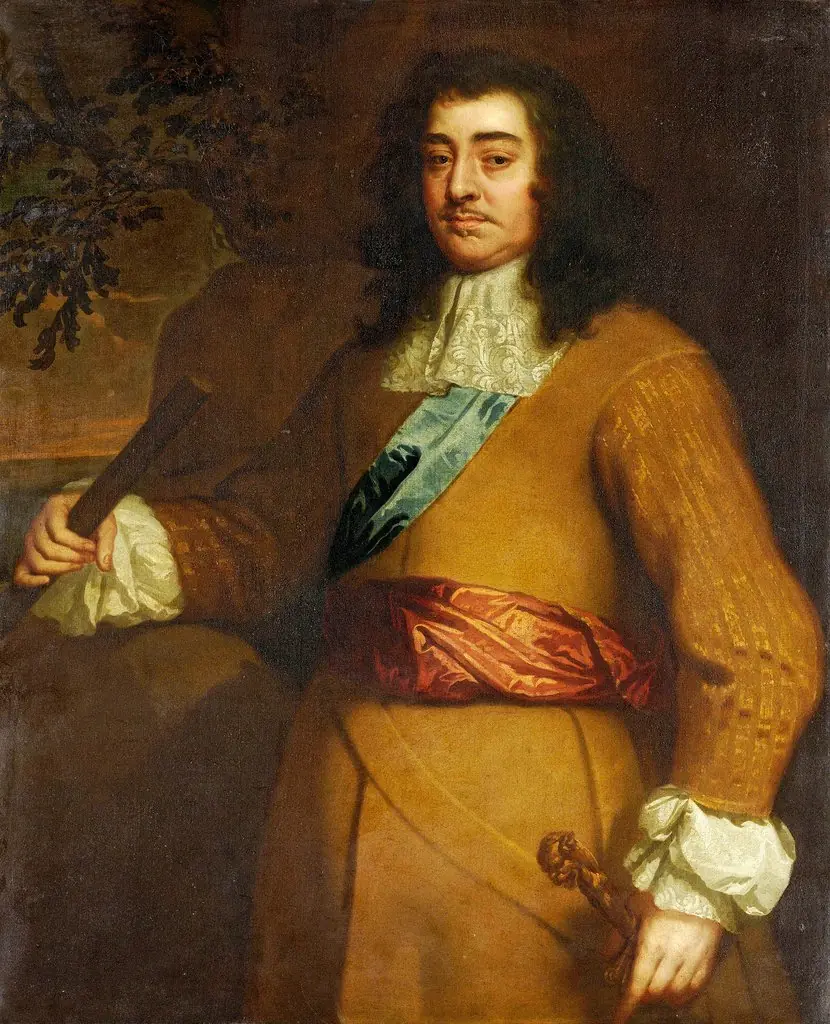 Portrait of George Monck, 1st Duke of Albemarle, English Admiral and Statesman
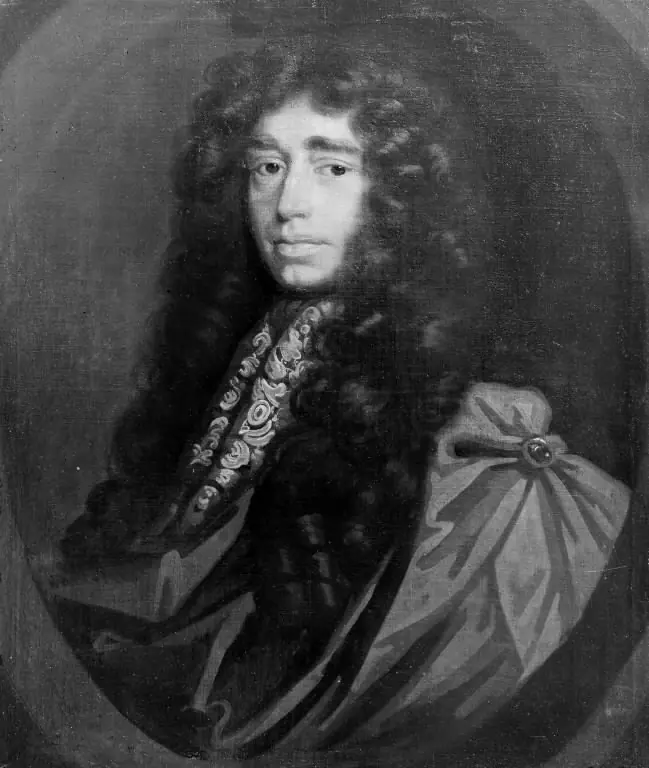 Portrait of a Man
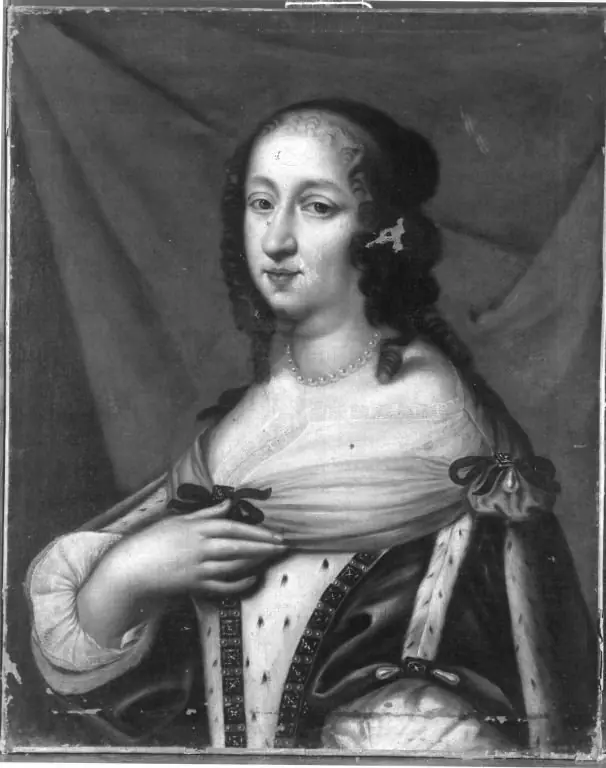 Portrait of a Woman
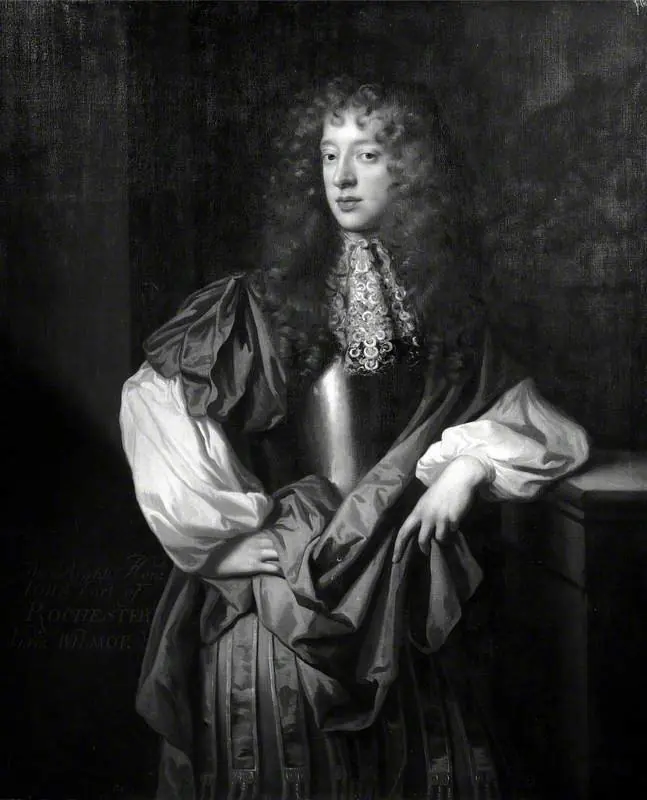 John Wilmot (1647–1680), 2nd Earl of Rochester
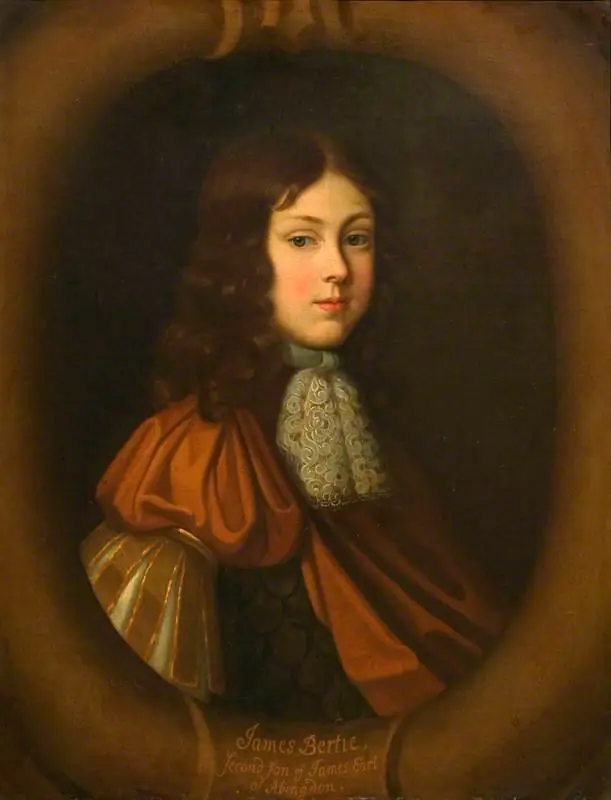 James Bertie (1653–1699), 2nd Son of James, Earl of Abingdon
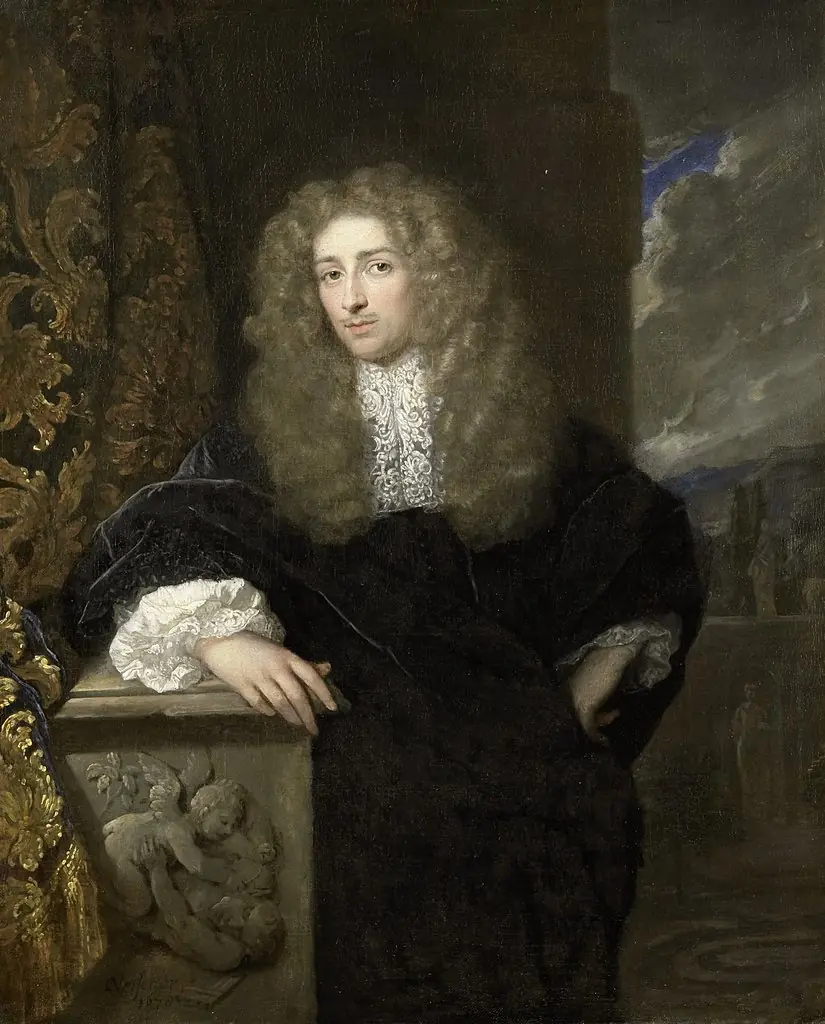 Portrait of a man, possibly a member of the van Citters family
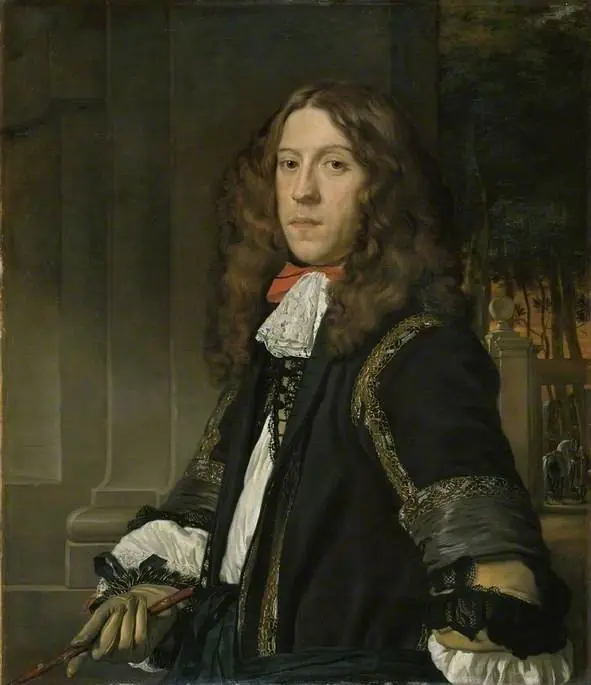 Portrait of a man
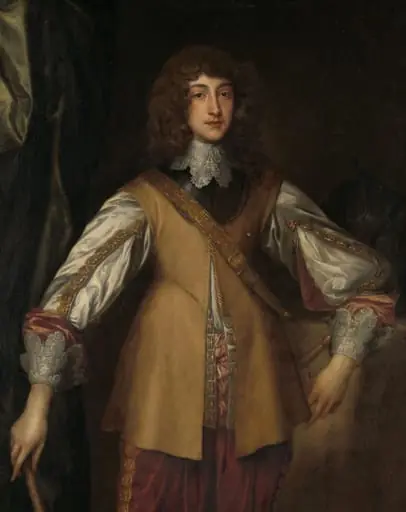 Portrait of Rupert (1619-1682), Prince-Palatine of the Rhine, in Combat Dress
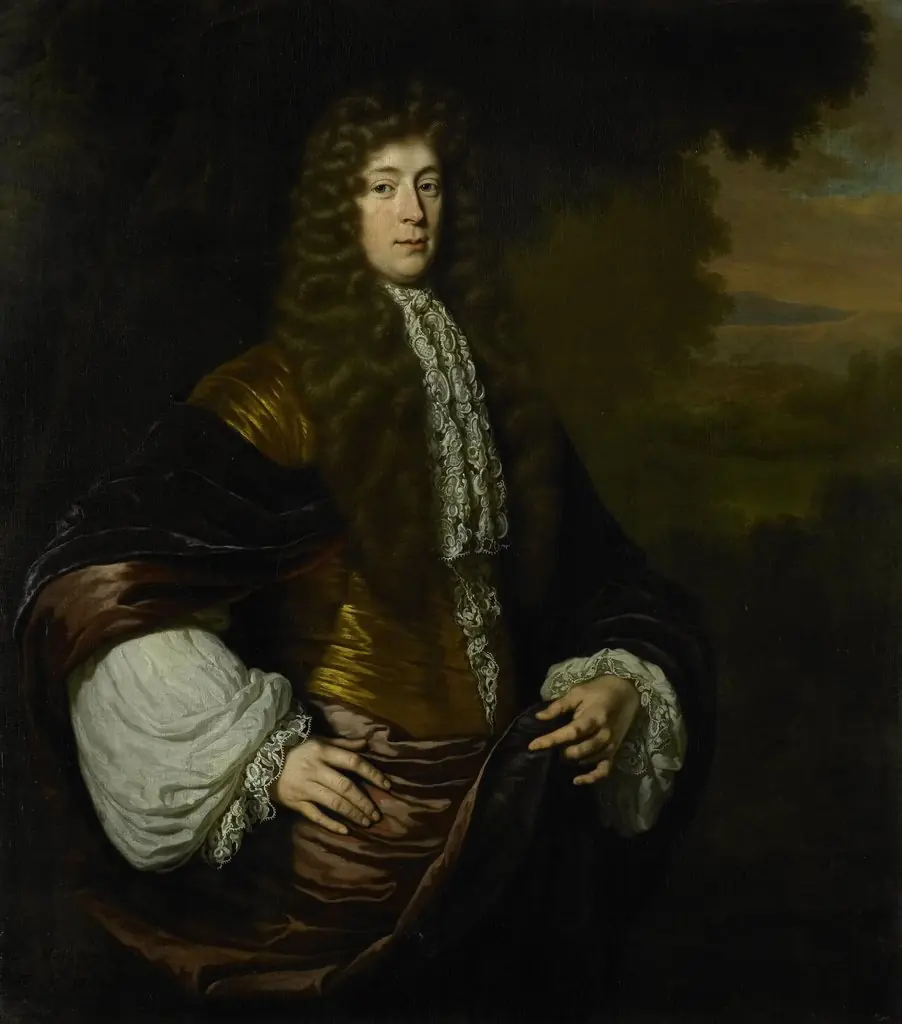 Portrait of Hendrick Bicker (1649 - 1718), burgomaster of Amsterdam
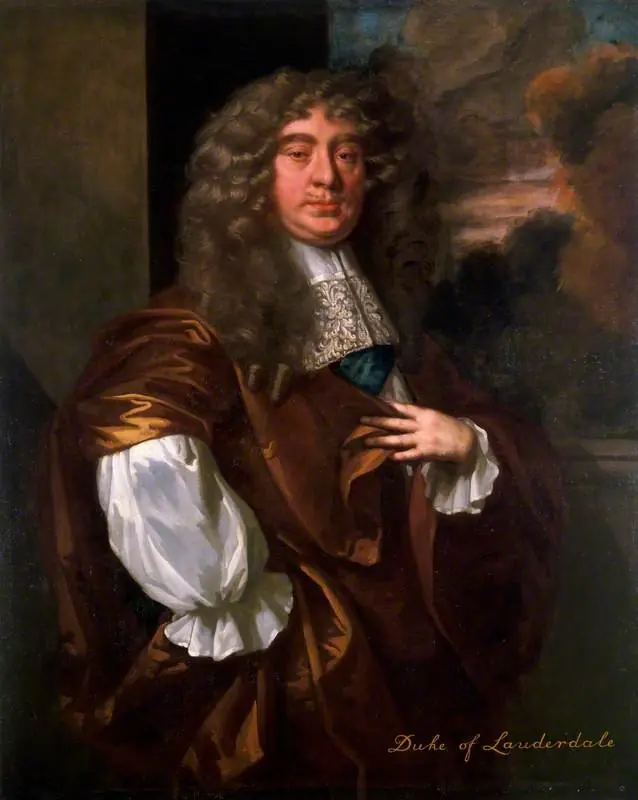 John, Duke of Lauderdale (1616–1682)
 Sir Charles Turner
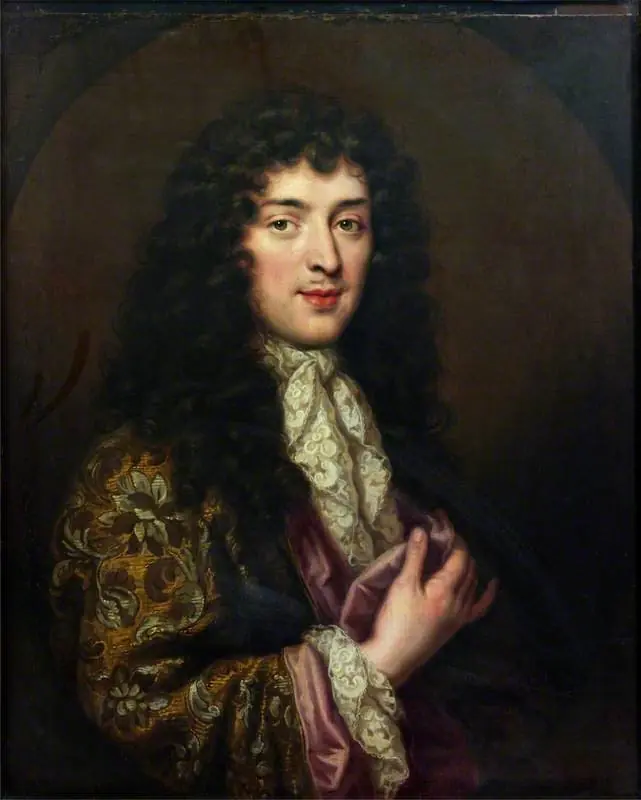 Portrait of a Young Man
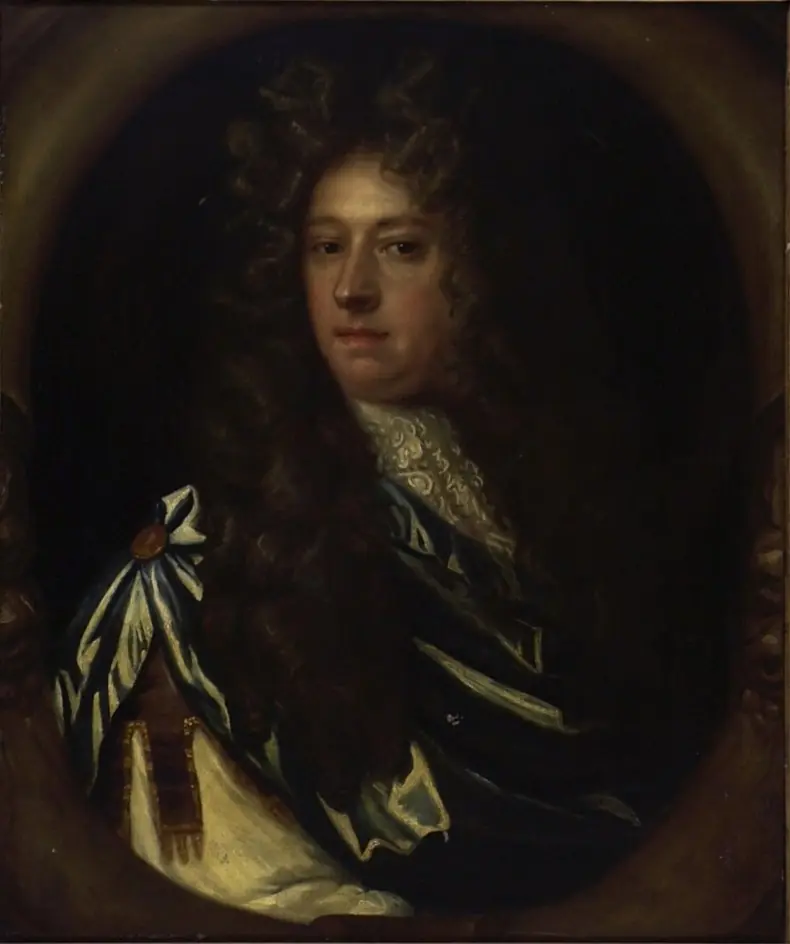 Portrait of a Man
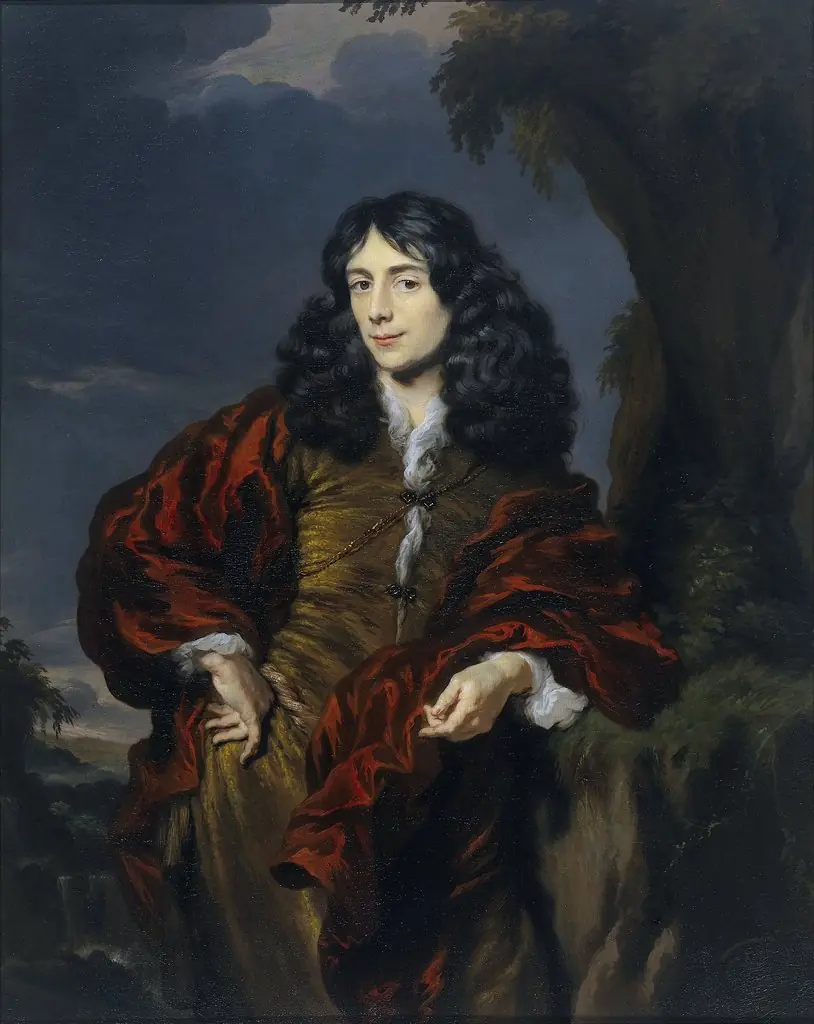 Portrait of a young man, possibly Simon van Alphen (1650-1730)
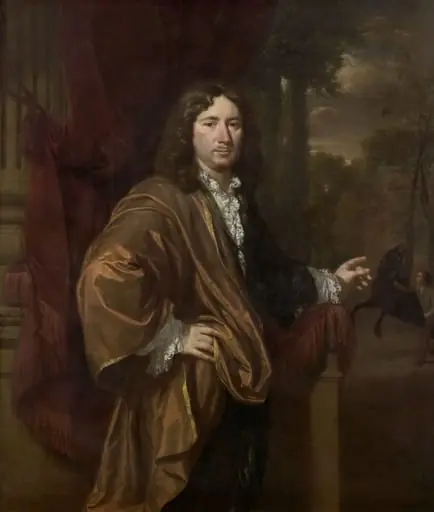 Portrait of a Man