Artwork
Cardinal Jacopo Rospigliosi
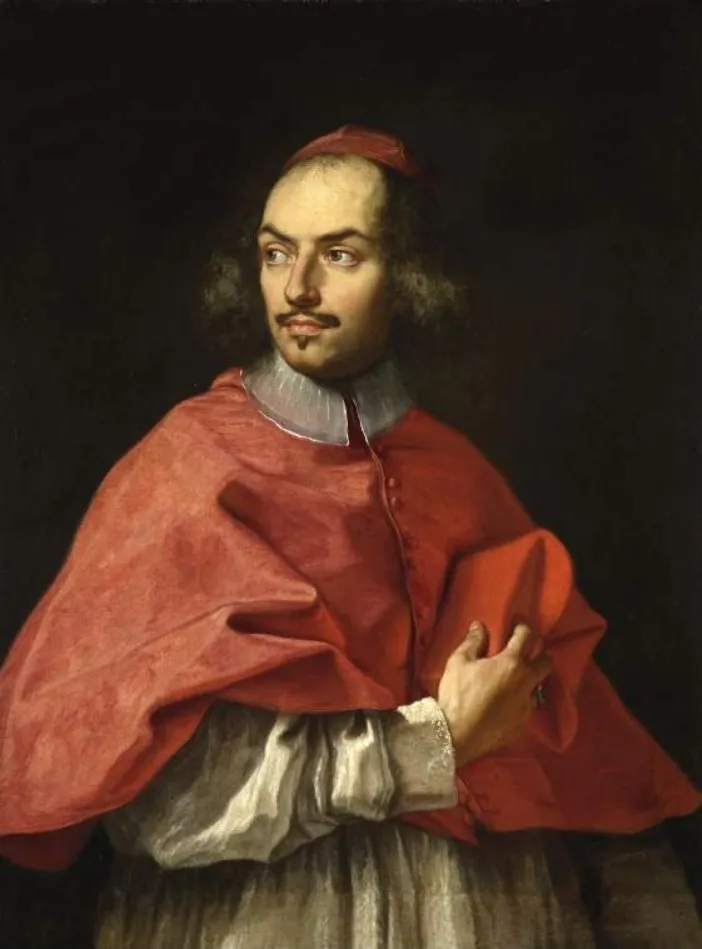
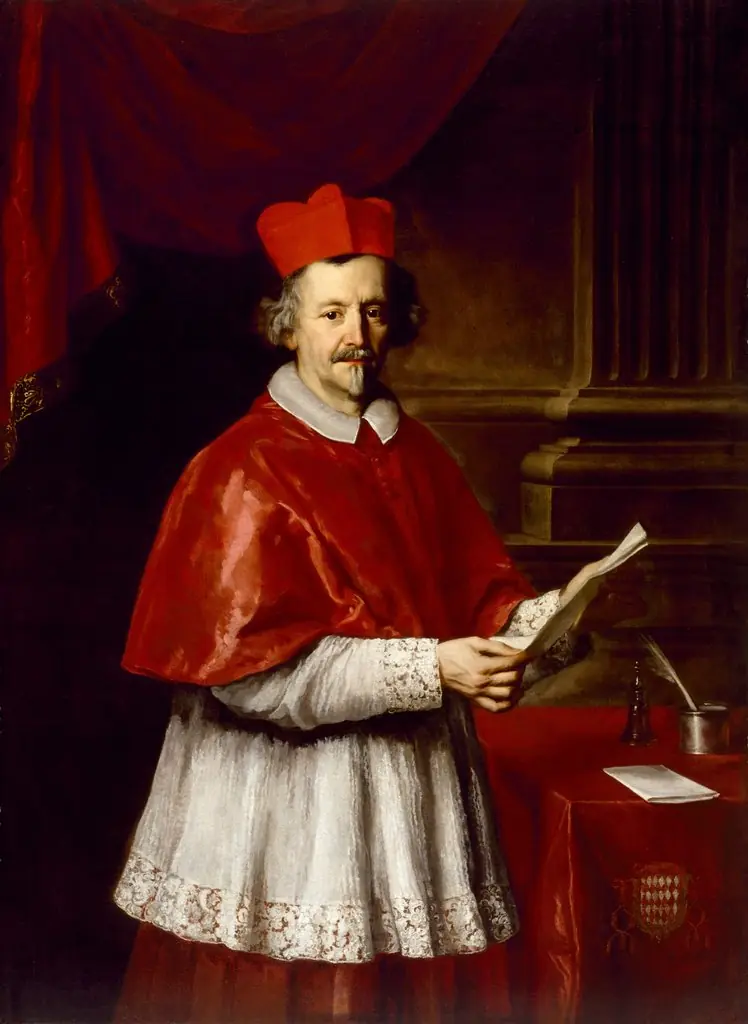
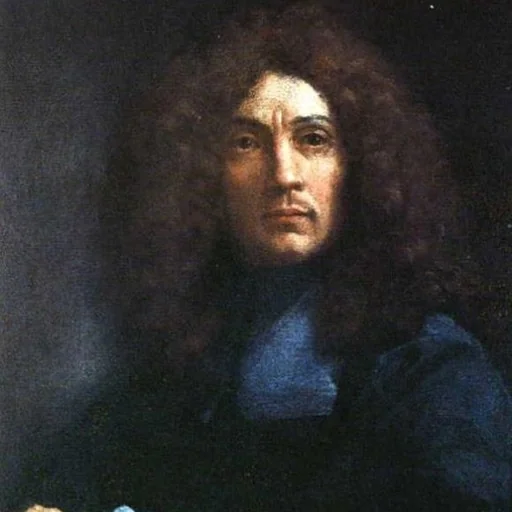
Cardinal Jacopo Rospigliosi is an oil painting by the Early Baroque Italian artist Carlo Maratta. It dates from 1668 and is held in the collection of the Fitzwilliam Museum.
About this work
Overview
Carlo Maratta, a prominent Roman painter of the late 1600s, executed an oil portrait of Cardinal Jacopo Rospigliasi in 1668. The work, now part of the Fitzwilliam Museum’s holdings, exemplifies the early Italian Baroque period while reflecting Maratta’s classicizing approach to portraiture.
Subject & Meaning
The canvas presents the cardinal in a vivid scarlet habit and matching biretta, his expression solemn and his beard neatly groomed. He clasps his hands before him, a pose that conveys both authority and piety, while the white collar and cuffs provide a visual counterpoint to the dominant red.
Technique & Style
Maratta employs a smooth, polished finish typical of his classicizing manner, rendering the fabrics with subtle chiaroscuro that models the folds of the robe and the texture of the skin. The dark, undefined background isolates the figure, allowing the bright colors to dominate the composition.
History & Provenance
Created for a Roman patronage network that included papal commissions, the portrait entered the Fitzwilliam Museum’s collection at a later date, though the precise acquisition path remains undocumented in public records.
Context
The painting belongs to the early Baroque phase in Italy, a time when artists like Maratta blended dynamic Baroque vigor with the restraint of classical ideals. Portraits of high ecclesiastical officials served both devotional and representational functions within the cultural milieu of 17th‑century Rome.
Artist & collection
Artist
Carlo Maratta or Maratti (18 May 1625 – 15 December 1713) was an Italian Baroque painter and draughtsman, active principally in Rome where he was the leading painter in the second half of the 17th century.