Artwork
Portrait of Cardinal Federico Ubaldo Baldeschi Colonna
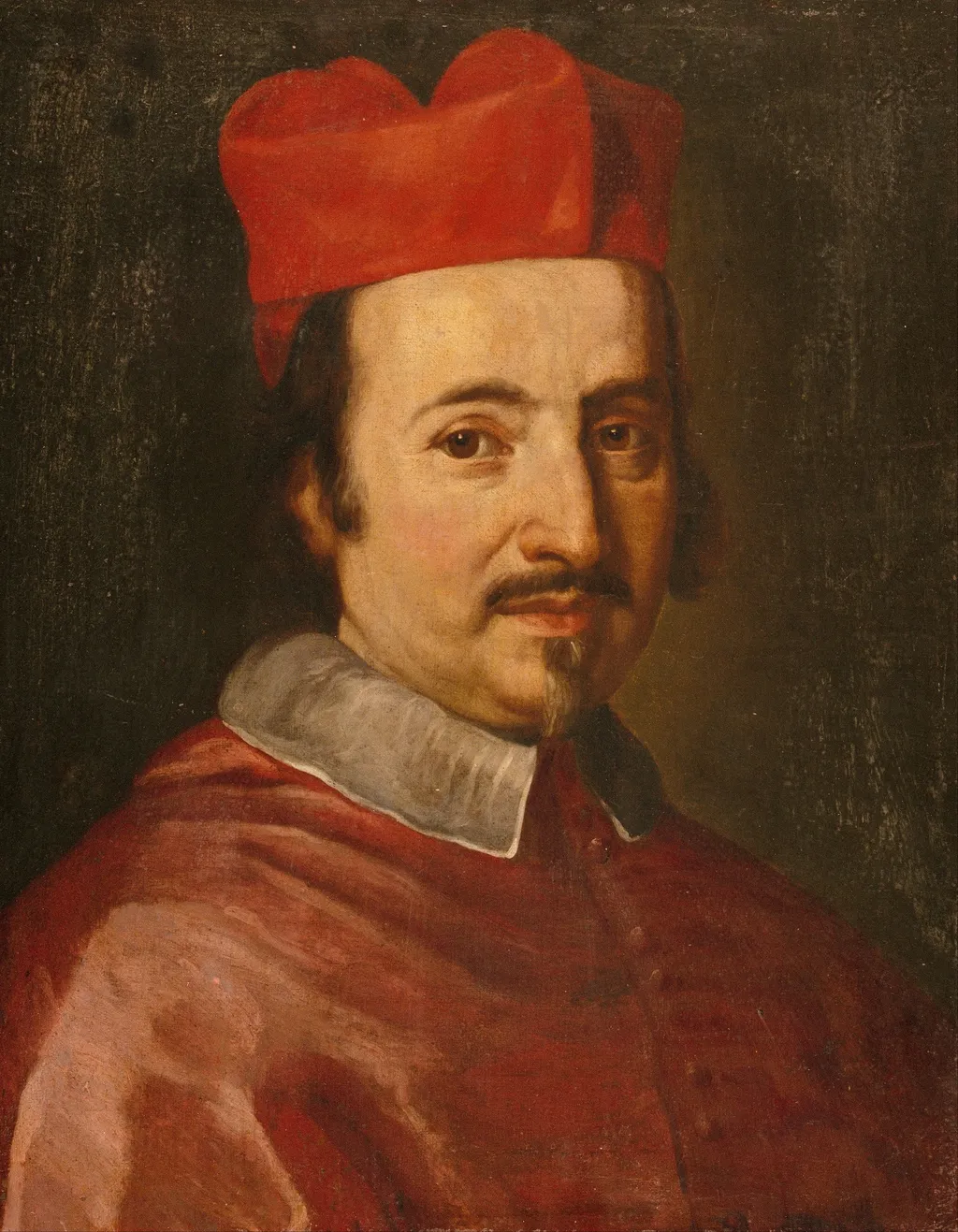
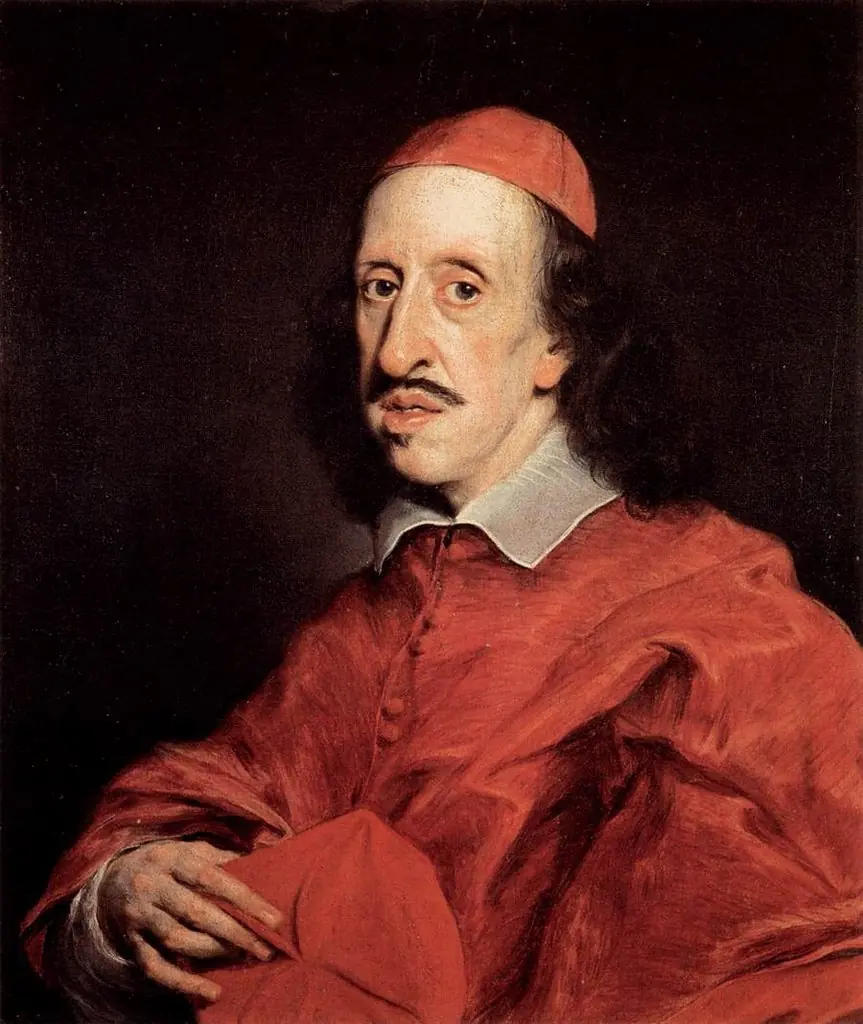
Portrait of Cardinal Federico Ubaldo Baldeschi Colonna is an oil painting by the Flemish Baroque painting artist Jacob Ferdinand Voet. It dates from 1673 and is held in the collection of the Museu Nacional d'Art de Catalunya.
About this work
Overview
Voet, a Flemish artist known for his refined portraiture, executed the work during his time in Italy, where he served aristocratic and clerical patrons.
Painted in 1673 by Jacob Ferdinand Voet, this oil portrait captures Cardinal Federico Ubaldo Baldeschi Colonna, a prominent ecclesiastical figure of the late 17th century. Voet, a Flemish artist known for his refined portraiture, executed the work during his time in Italy, where he served aristocratic and clerical patrons. The painting is now held in the collection of the Museu Nacional d'Art de Catalunya, reflecting its significance within European artistic networks of the period.
Subject & Meaning
The cardinal is portrayed in full ceremonial regalia, his red hat and robe signaling his high rank within the Catholic Church. His direct gaze and composed expression convey authority and solemnity, typical of ecclesiastical portraiture designed to project spiritual gravitas. The absence of symbolic objects or elaborate settings focuses attention on his presence, emphasizing status through attire and demeanor rather than narrative context.
Technique & Style
Voet employed a precise, naturalistic style with careful attention to texture and detail, particularly in the embroidery of the cardinal’s garments and the rendering of facial features. Chiaroscuro modeling enhances the three-dimensionality of the figure, with soft transitions between light and shadow defining the contours of the face and fabric. The dark, unobtrusive background isolates the subject, reinforcing the portrait’s intimate yet formal character.
History & Provenance
Commissioned during Voet’s Italian sojourn, the portrait likely originated in Rome, where the cardinal held influence. It entered the Museu Nacional d'Art de Catalunya’s collection through later acquisitions, possibly as part of a broader 19th-century effort to assemble European ecclesiastical art. Its documented history remains limited, but its stylistic consistency with Voet’s other works confirms its attribution and period of creation.
Context
In the 1670s, portraiture in Catholic Europe served both personal and institutional functions, reinforcing the dignity of church leaders. Voet’s approach aligned with broader trends in Italian and Flemish painting, where realism and luxurious detail were valued. His travels between courts allowed him to synthesize northern precision with southern grandeur, making his portraits sought after by elites seeking to project both piety and power.
Legacy
Though not widely exhibited outside specialized collections, the portrait exemplifies the quiet authority of Baroque ecclesiastical portraiture. Voet’s technique influenced lesser-known regional artists in Spain and southern France, where his style was emulated in clerical commissions. The work endures as a record of how religious authority was visually constructed during a period of intense political and spiritual negotiation in Europe.
Own this work as a print
Artist & collection
Artist
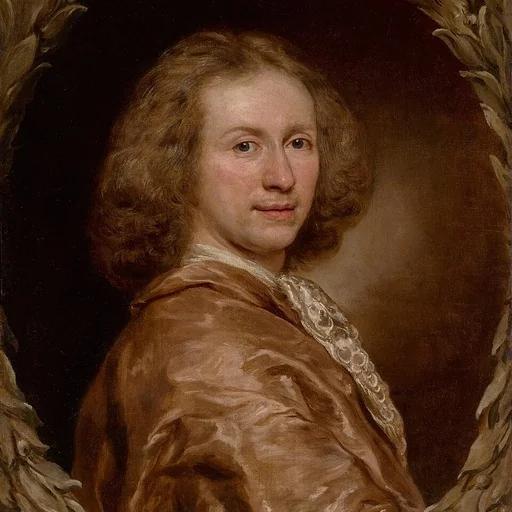
Jacob Ferdinand Voet or Jakob Ferdinand Voet (c. 1639 – 26 September 1689) was a Flemish portrait painter. He had an international career that brought him to Italy and France, where he made portraits for an elite…

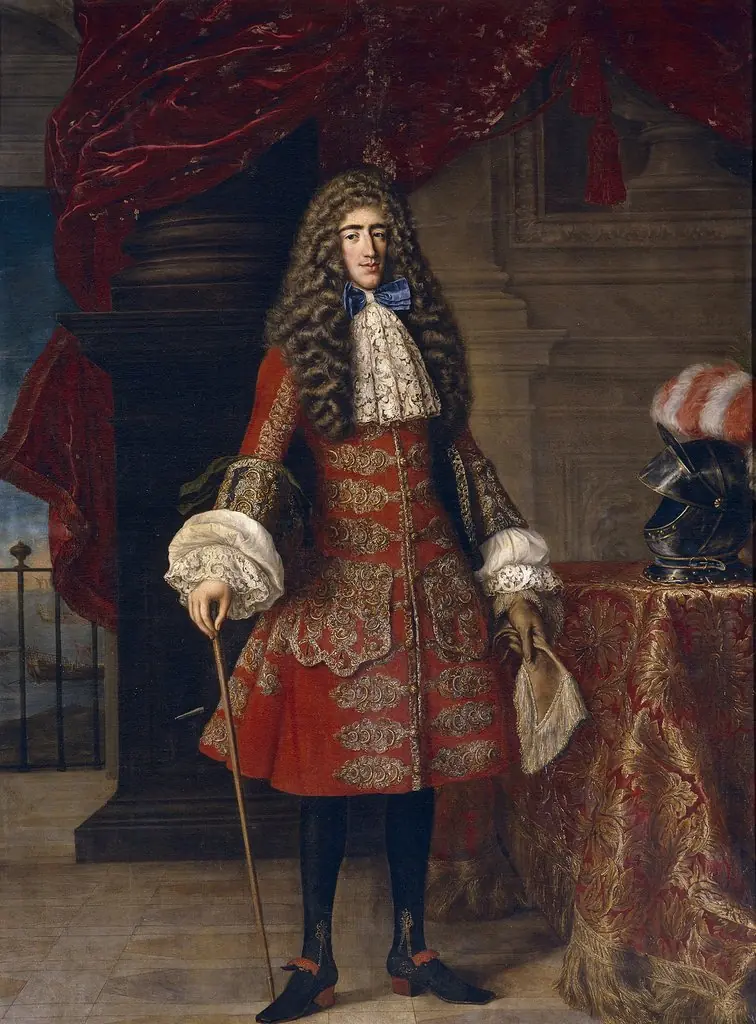 Portrait of Don Luis de la Cerda, later IX Duke of Medinaceli (or Medinacelli), (1654–1711)
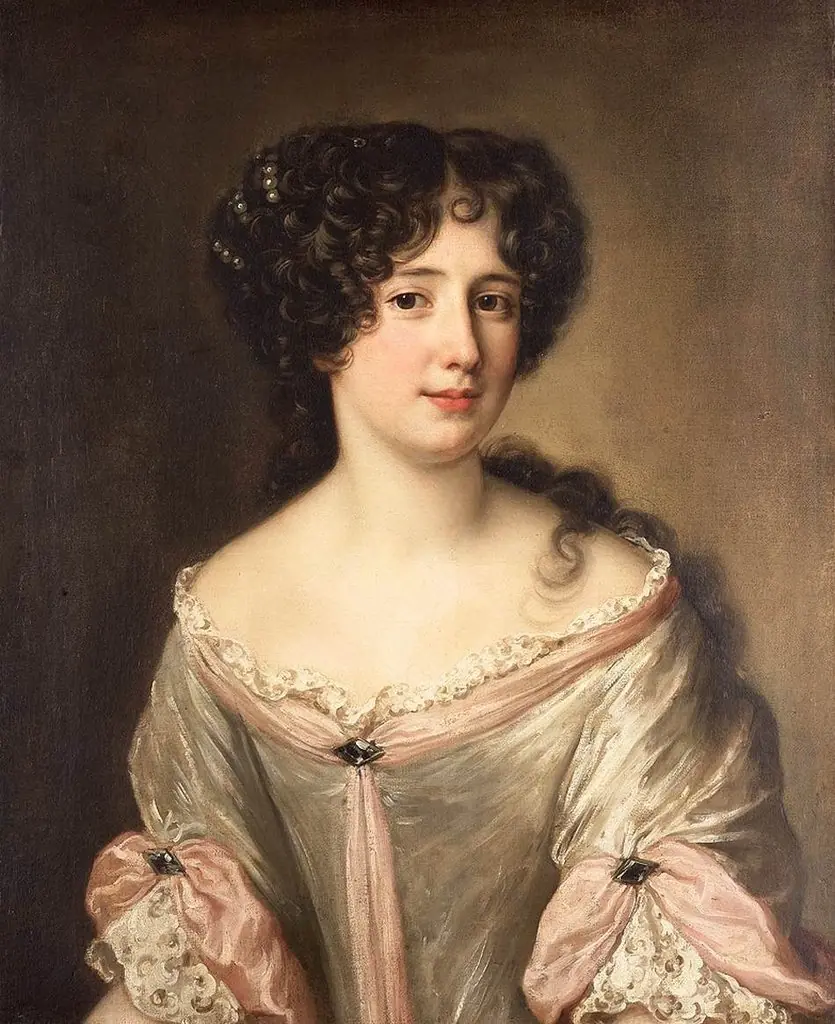 Portrait of Maria Mancini Colonna (1639-1715)
 Portrait of La Duchessa Mancini Colonna (1646-1699)
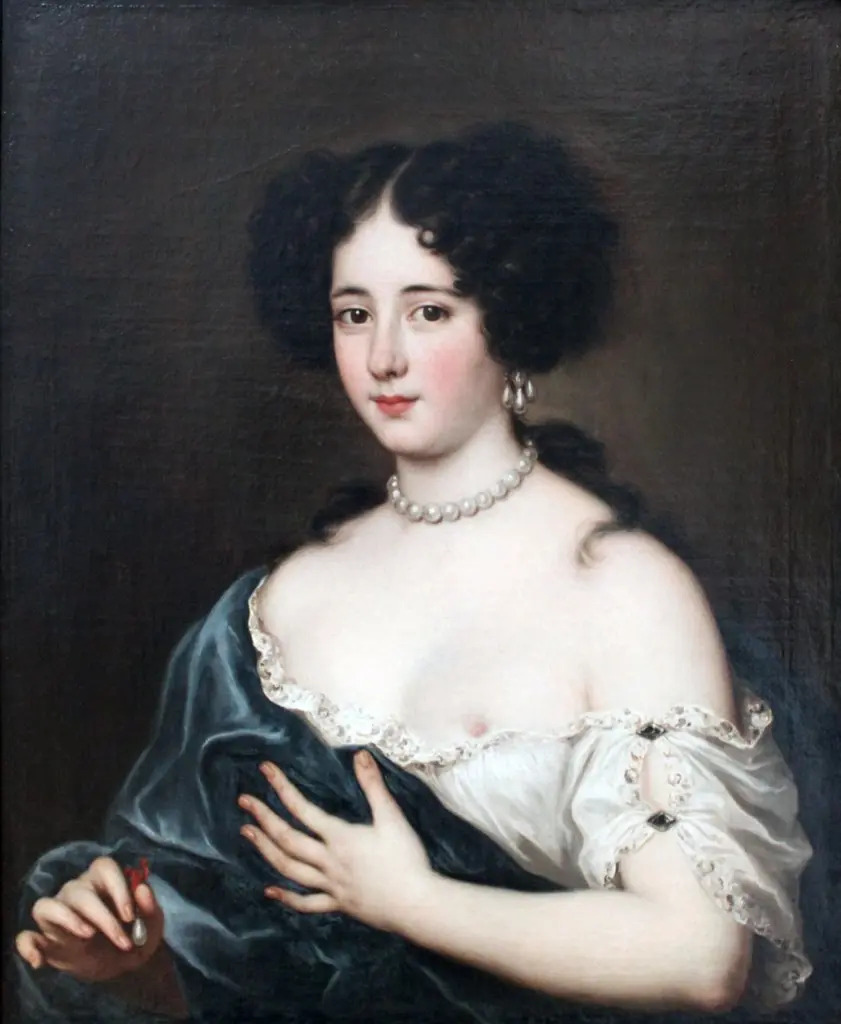 Clelia Cesarini Colonna (1655-1735), Duchess of Sonnino, as Cleopatra
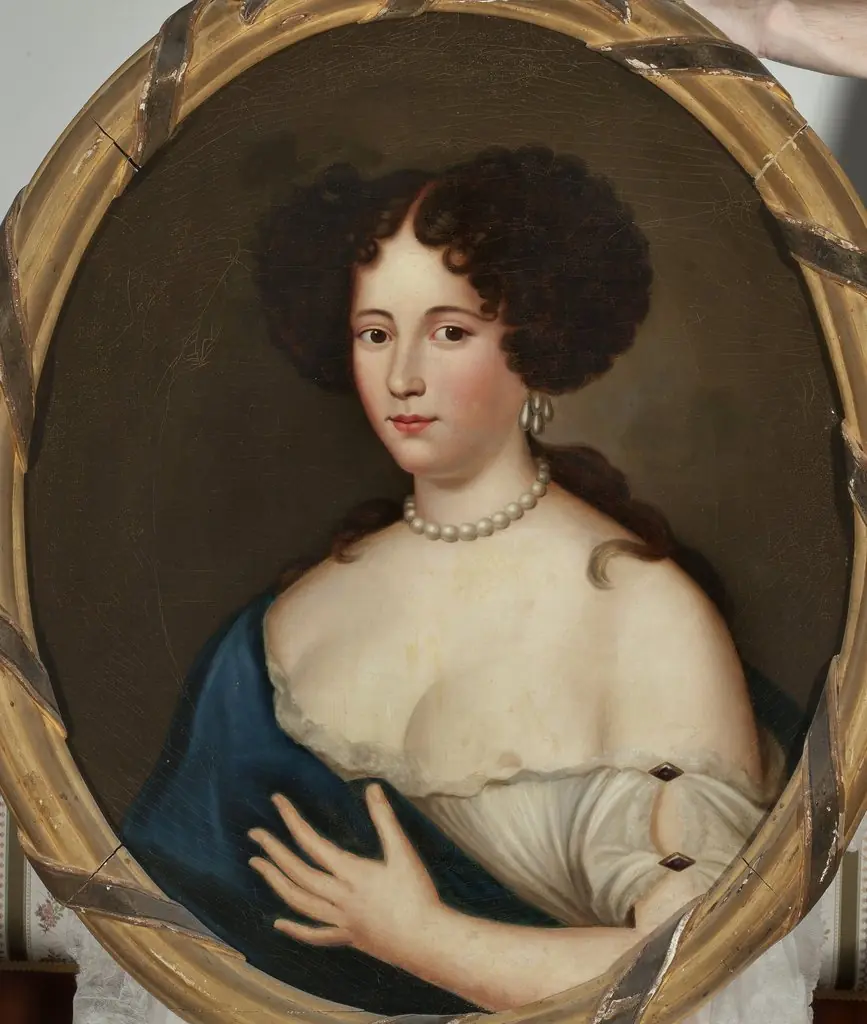 Portrait of Maria Mancini (1639–1715)
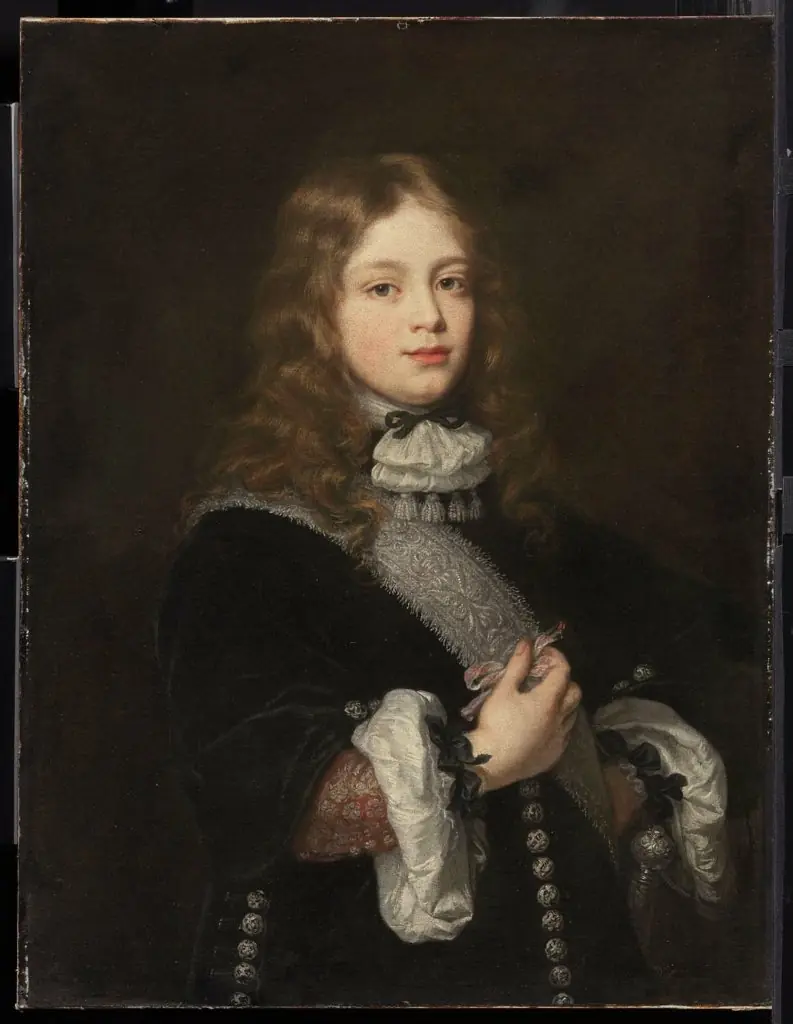 Portrait of a Boy
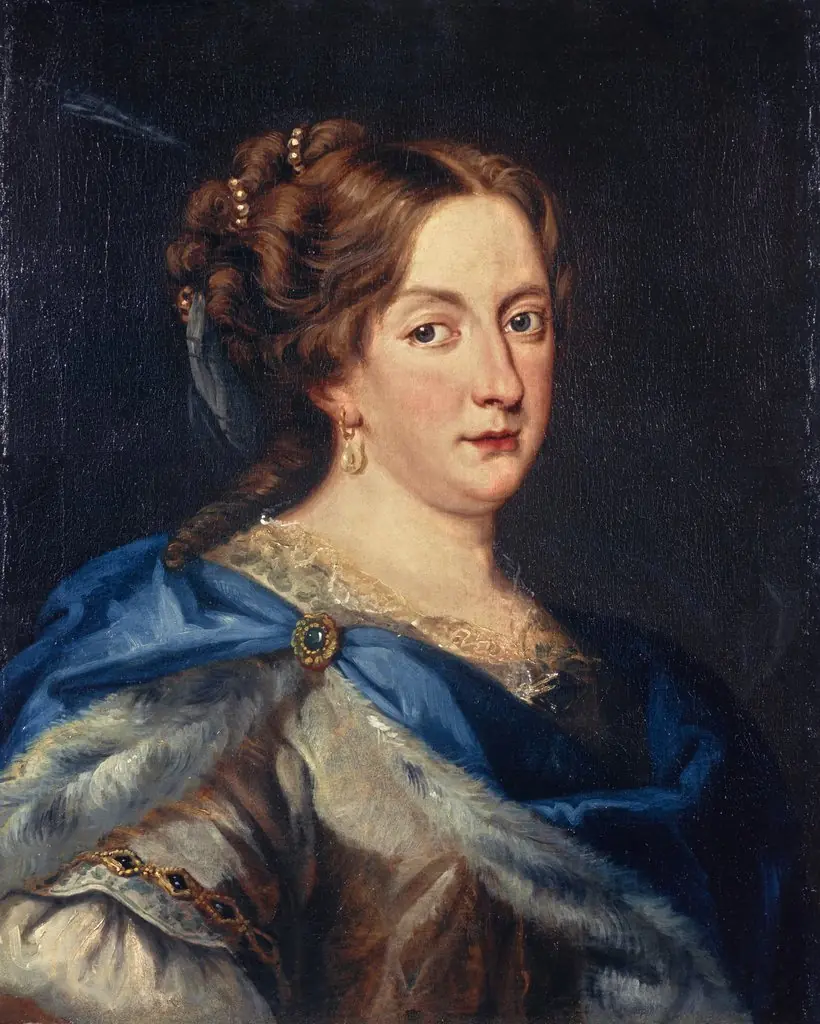 Queen Christina of Sweden (1626 - 1689)
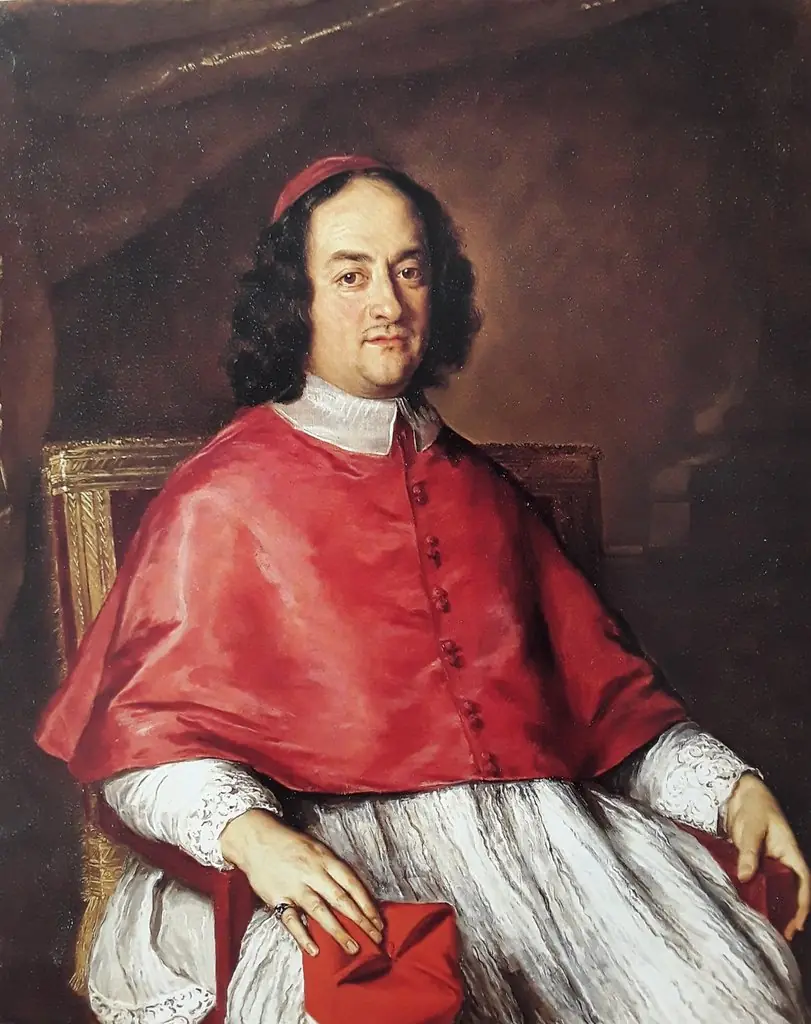 Cardinal Dezio Azzolini (1623-1689)