Artwork
Cardinal Giulio Spinola
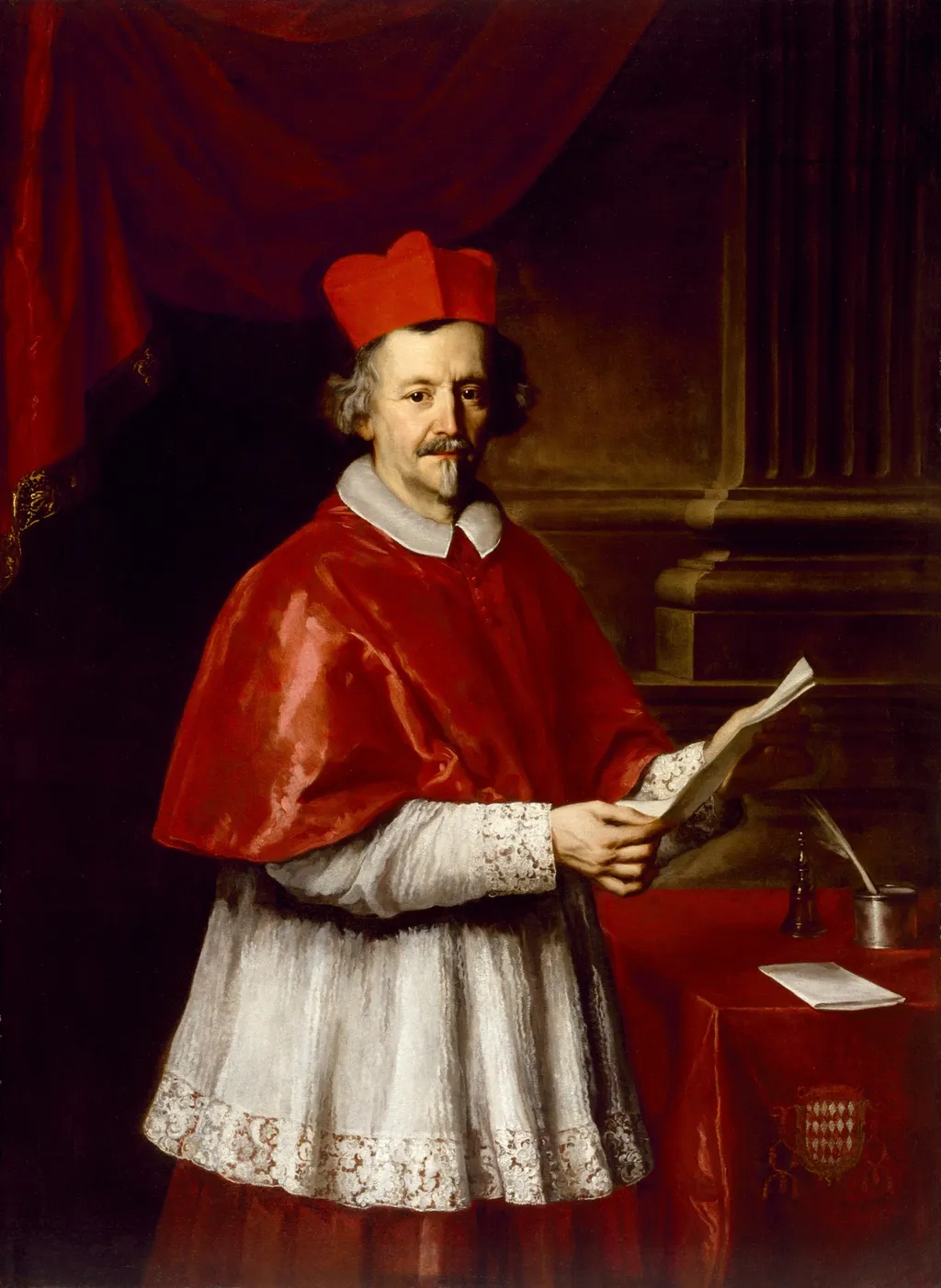
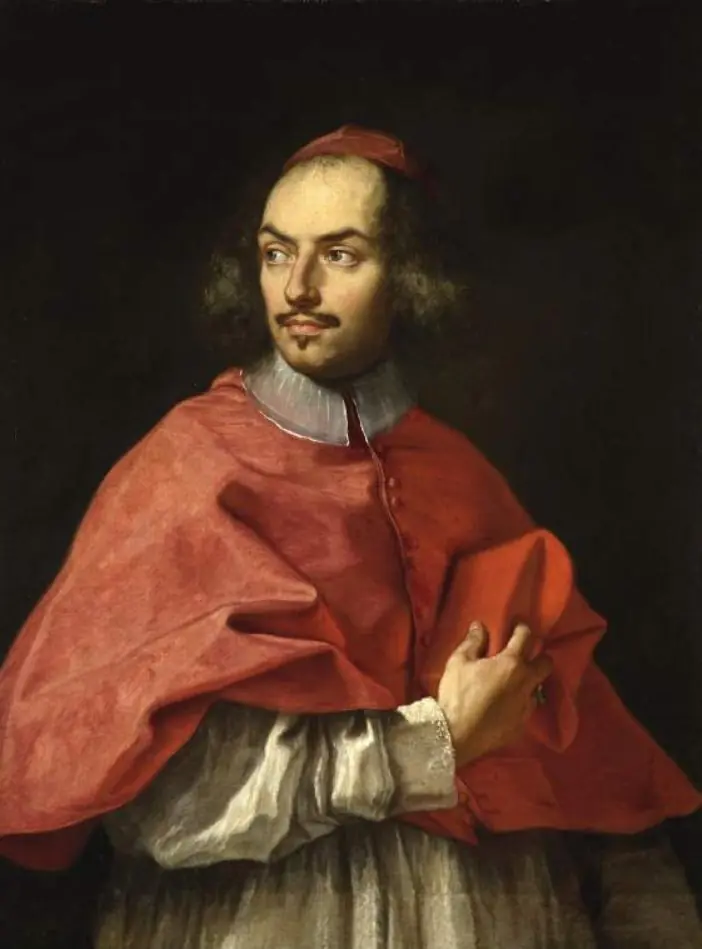
Cardinal Giulio Spinola is an oil painting by the Flemish Baroque painting artist Jacob Ferdinand Voet. It dates from 1675 and is held in the collection of the Museum of Fine Arts, Houston.
About this work
Overview
Painted in 1675 by Jacob Ferdinand Voet, this oil portrait captures Cardinal Giulio Spinola, a high-ranking church official of the late 17th century.
Painted in 1675 by Jacob Ferdinand Voet, this oil portrait captures Cardinal Giulio Spinola, a high-ranking church official of the late 17th century. Voet, a Flemish artist known for his precise and elegant style, executed the work during a period when he was active among European aristocratic and ecclesiastical patrons. The painting is now part of the Museum of Fine Arts, Houston’s collection, representing the international reach of Baroque portraiture.
Subject & Meaning
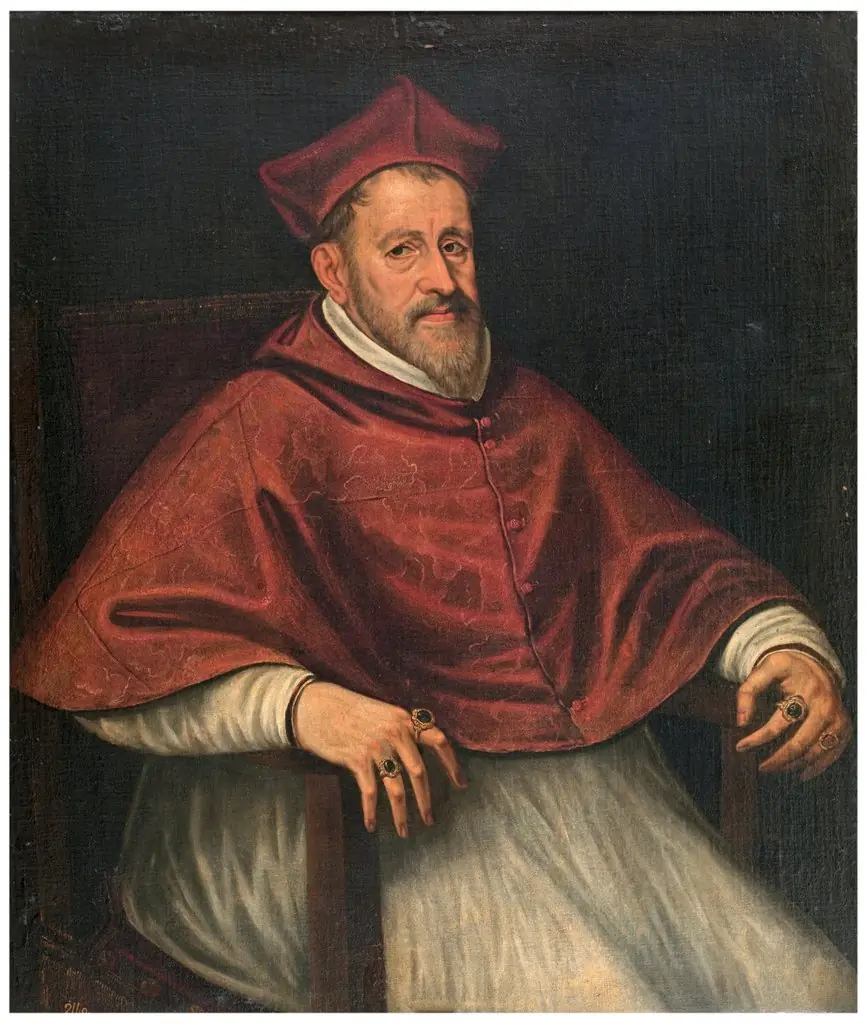
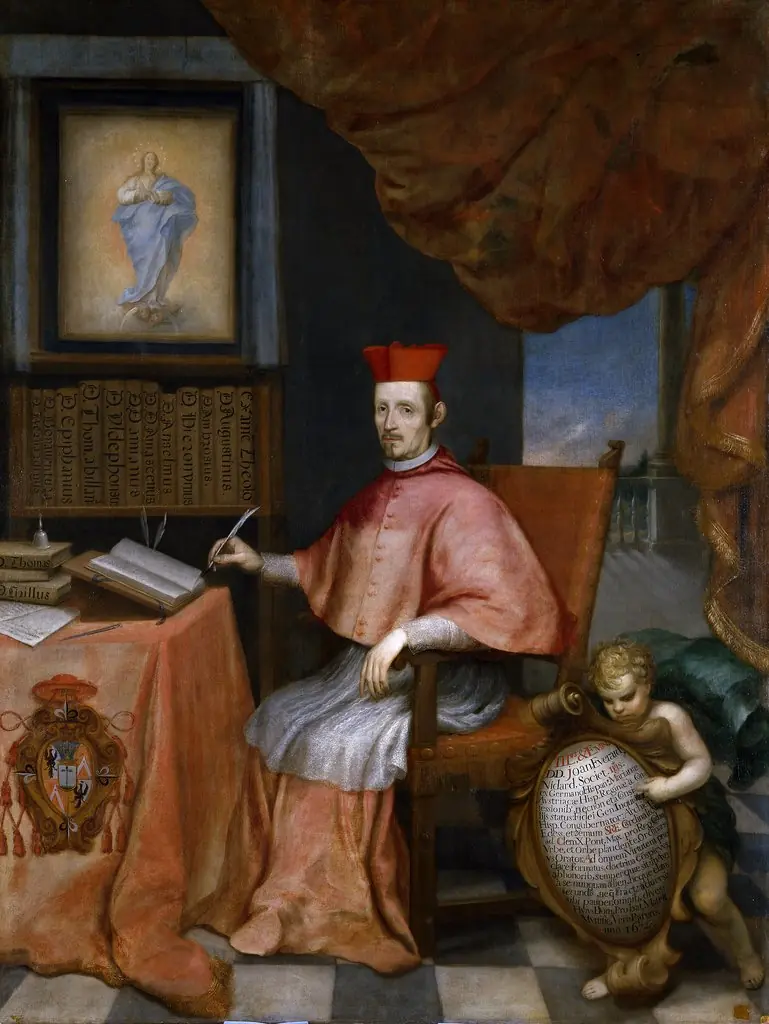
Cardinal Giulio Spinola is depicted in full ceremonial dress, his red cassock and zucchetto signaling his rank within the Catholic hierarchy. He holds a document, suggesting his role in administrative or scholarly duties. The presence of a quill and a small metal container—likely an inkwell—implies intellectual engagement. The portrait conveys authority and composure, aligning with the cardinal’s status as both a spiritual leader and a figure of political influence.
Technique & Style
Voet employs chiaroscuro to model the cardinal’s form with subtle gradations of light and shadow, enhancing the three-dimensionality of his face and fabric. The textures of silk, lace, and parchment are rendered with meticulous detail, reflecting Flemish traditions of realism. The composition is tightly focused, with the figure centered against a neutral background, directing attention to his expression and attire without distraction.
History & Provenance
Created during Voet’s time in Italy, the portrait was likely commissioned by Spinola’s circle or the Church. Its journey to the Museum of Fine Arts, Houston, is not fully documented, but it entered the collection in the 20th century as part of a broader acquisition of European Old Master works. The painting has remained relatively unchanged since its creation, preserving its original frame and surface integrity.
Context
In the 1670s, portraiture served as a tool of prestige for the Catholic elite, especially cardinals who balanced religious duty with diplomatic power. Voet’s style, influenced by both Flemish precision and Italian grandeur, catered to patrons seeking refined, dignified likenesses. This work reflects the intersection of ecclesiastical authority and artistic patronage during the High Baroque, when image-making reinforced social and spiritual hierarchy.
Legacy
Voet’s portrait of Spinola exemplifies the quiet authority characteristic of ecclesiastical portraiture in the late 17th century. While not widely exhibited, it remains a representative example of how Flemish artists adapted their techniques for Italian patrons. The painting contributes to scholarly understanding of how clerical identity was visually constructed during a period of intense political and religious negotiation.
Own this work as a print
Artist & collection
Artist
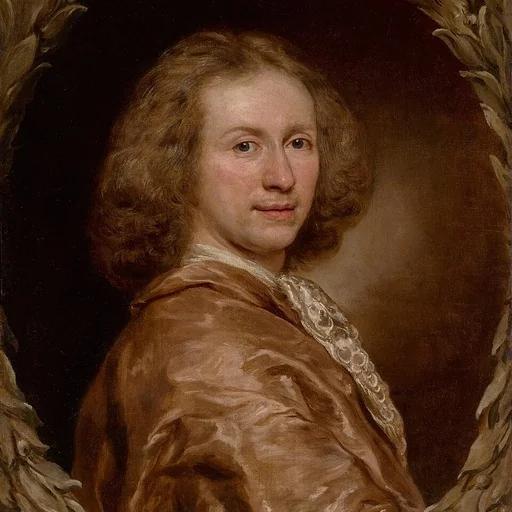
Jacob Ferdinand Voet or Jakob Ferdinand Voet (c. 1639 – 26 September 1689) was a Flemish portrait painter. He had an international career that brought him to Italy and France, where he made portraits for an elite…

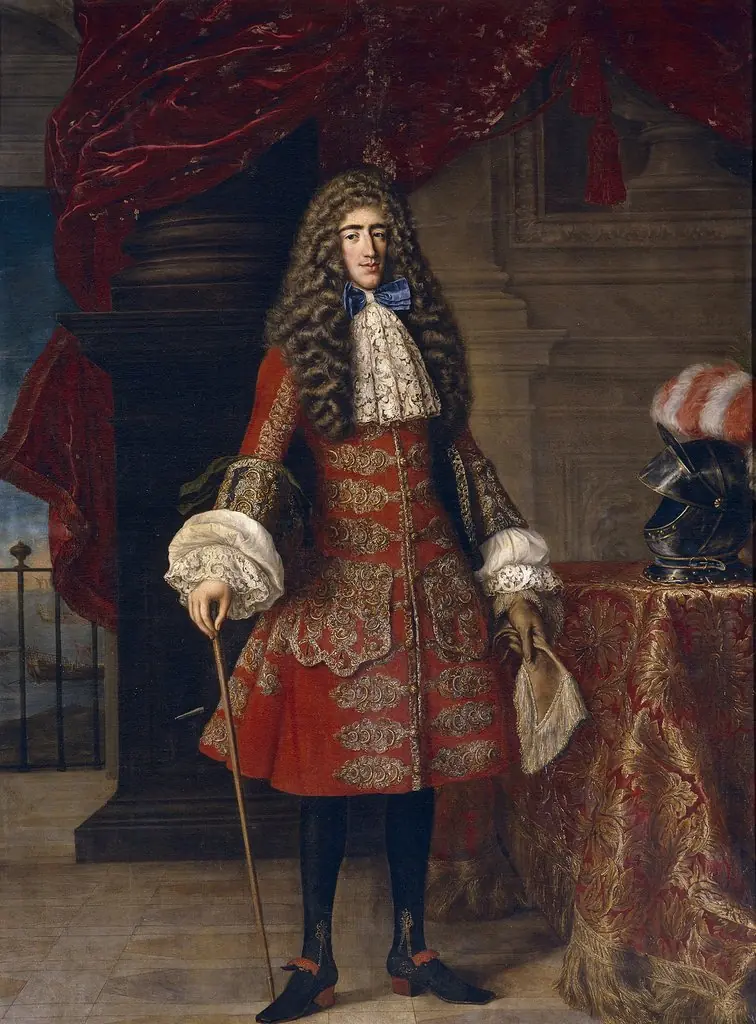 Portrait of Don Luis de la Cerda, later IX Duke of Medinaceli (or Medinacelli), (1654–1711)
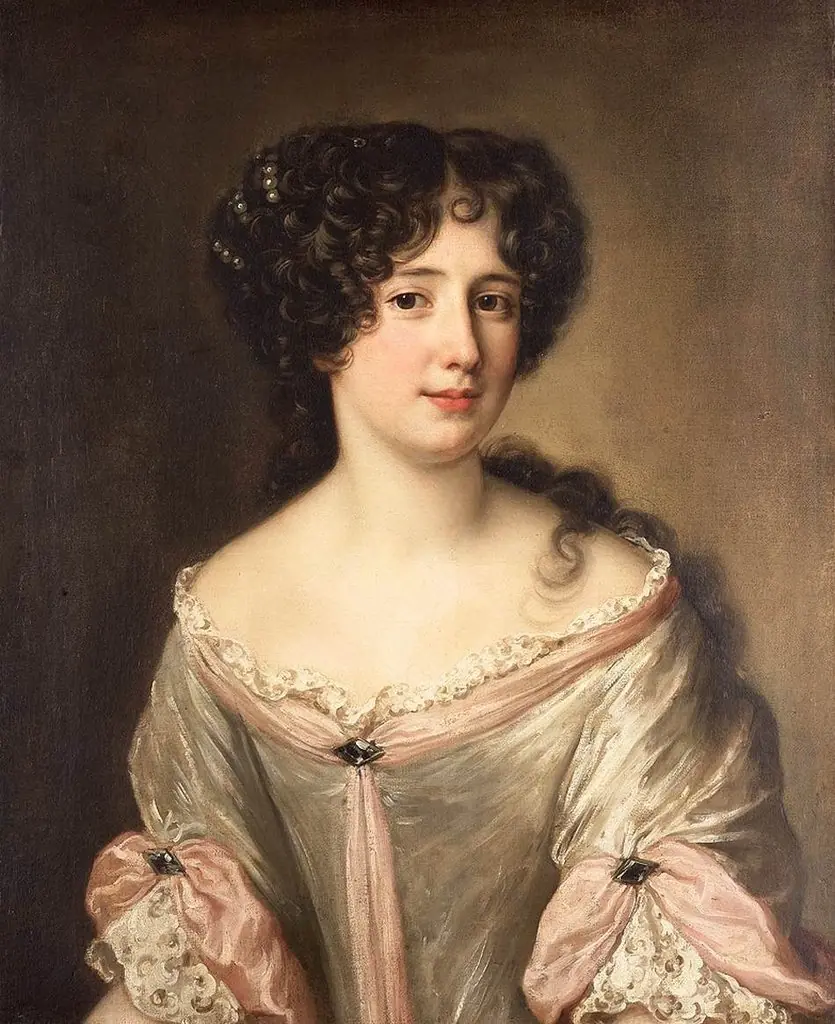 Portrait of Maria Mancini Colonna (1639-1715)
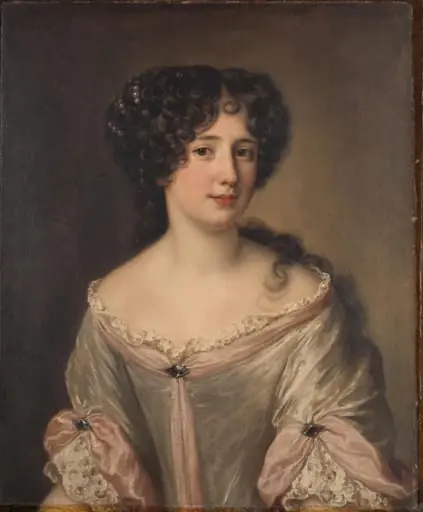 Portrait of La Duchessa Mancini Colonna (1646-1699)
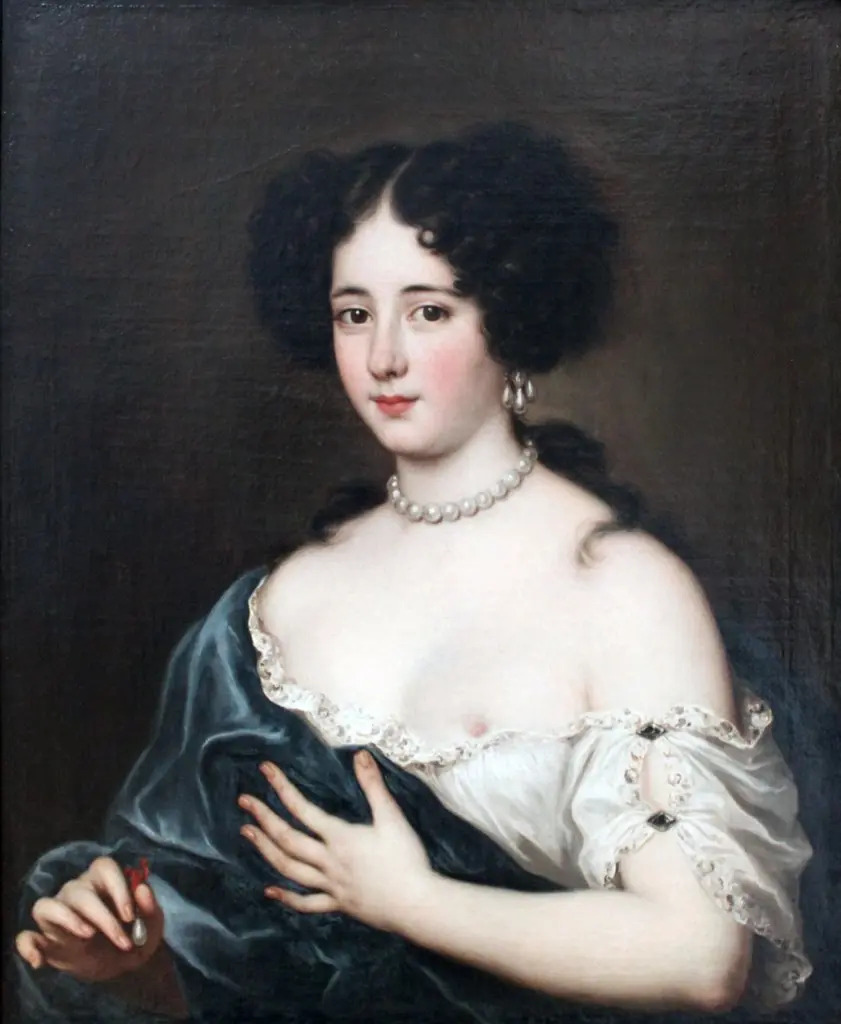 Clelia Cesarini Colonna (1655-1735), Duchess of Sonnino, as Cleopatra
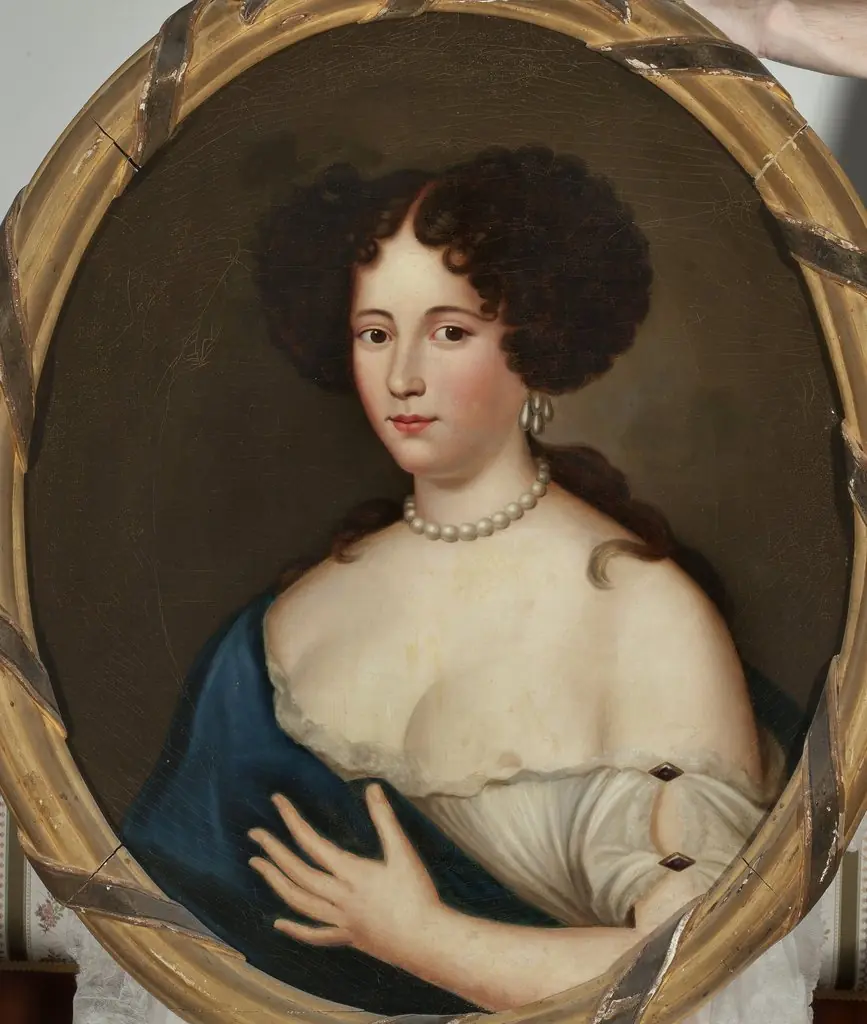 Portrait of Maria Mancini (1639–1715)
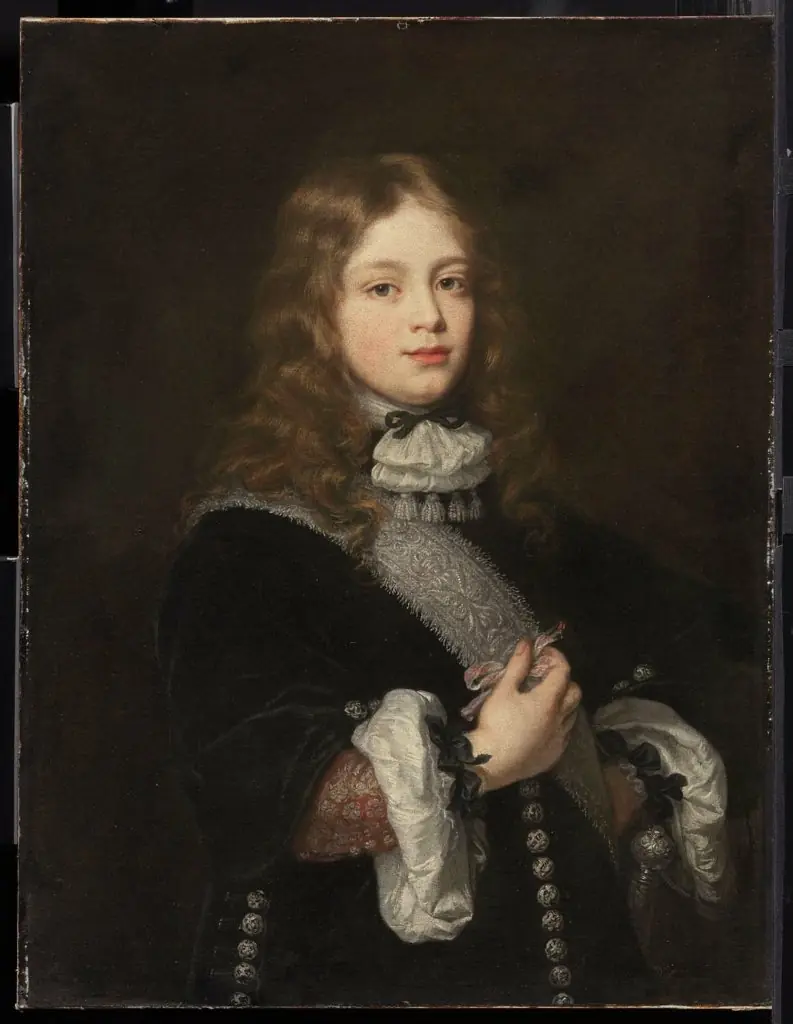 Portrait of a Boy
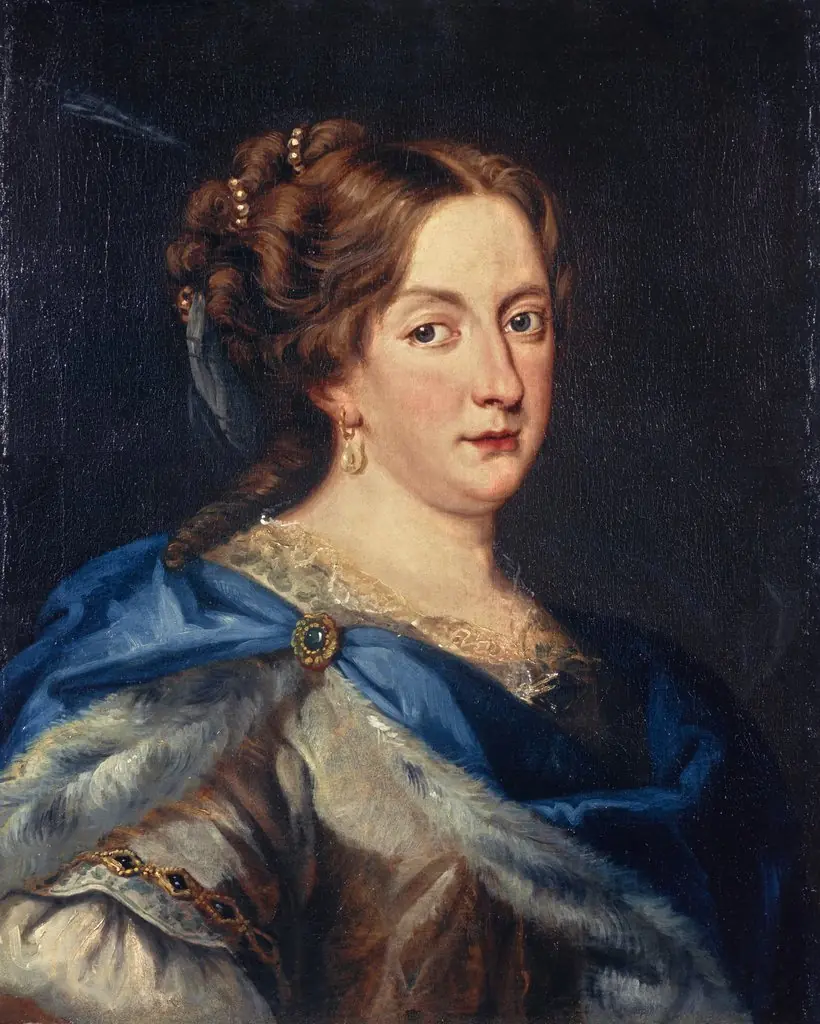 Queen Christina of Sweden (1626 - 1689)
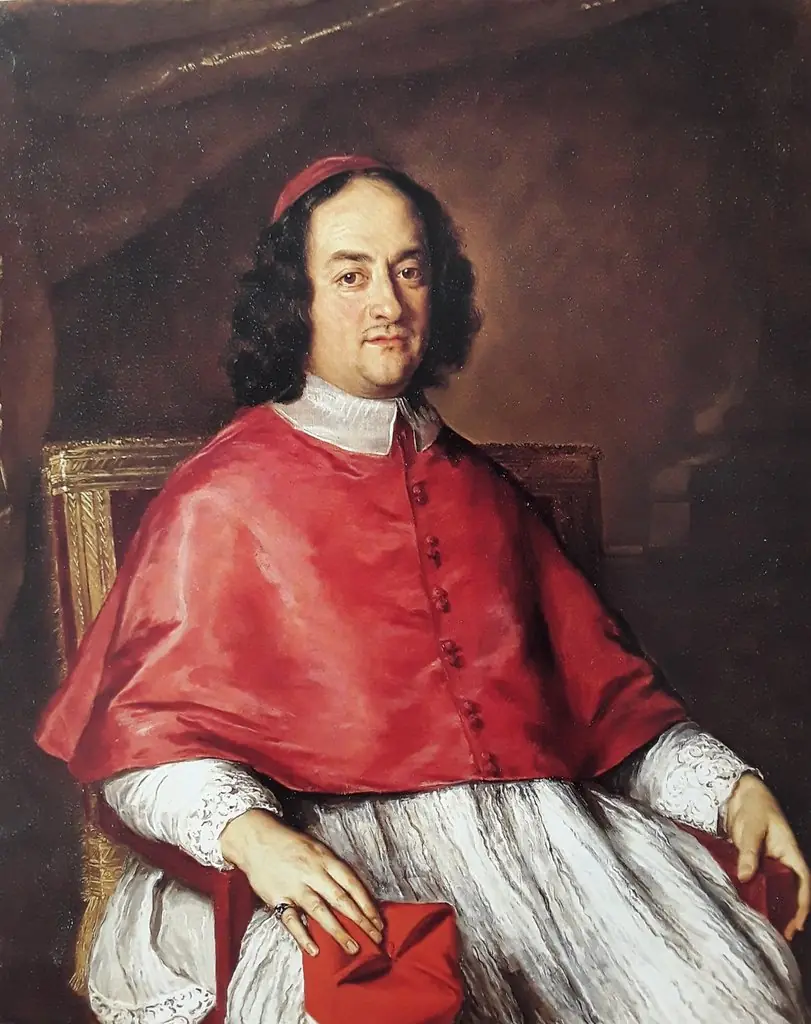 Cardinal Dezio Azzolini (1623-1689)