Artwork
Judith
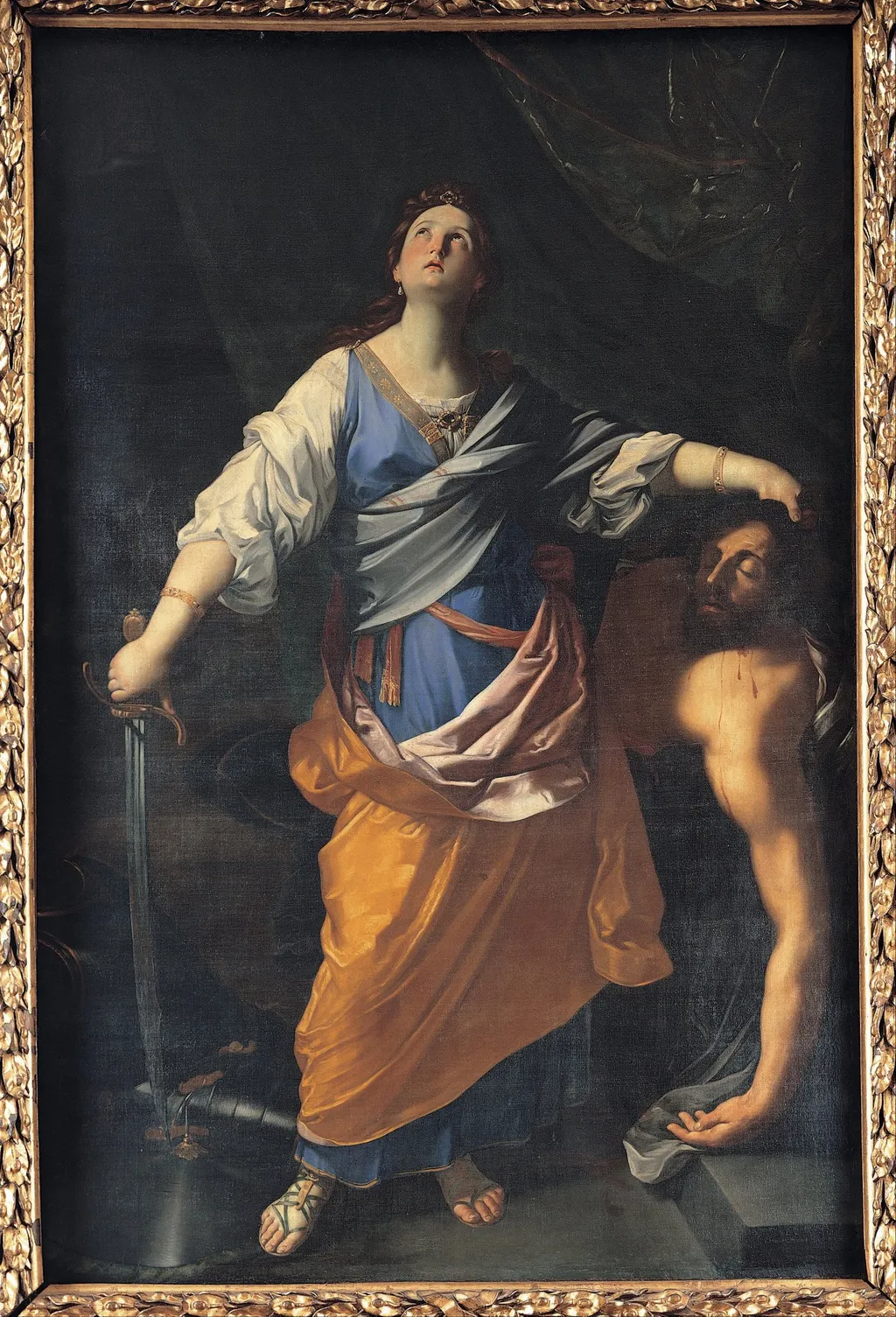
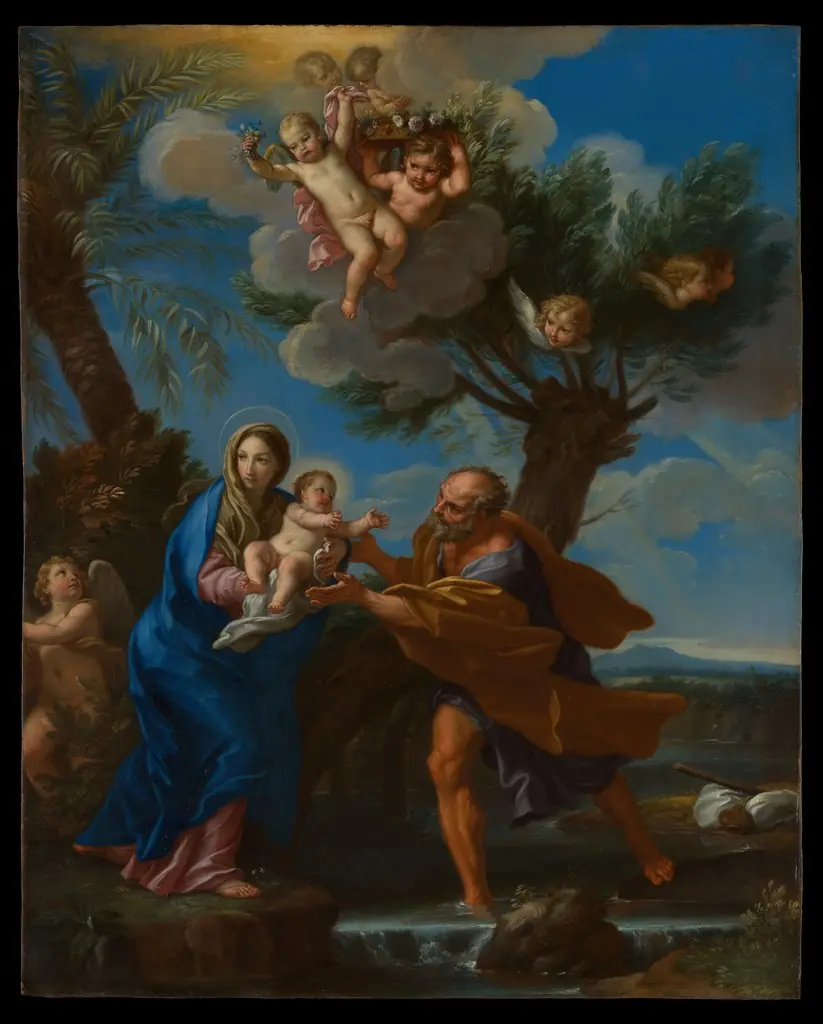
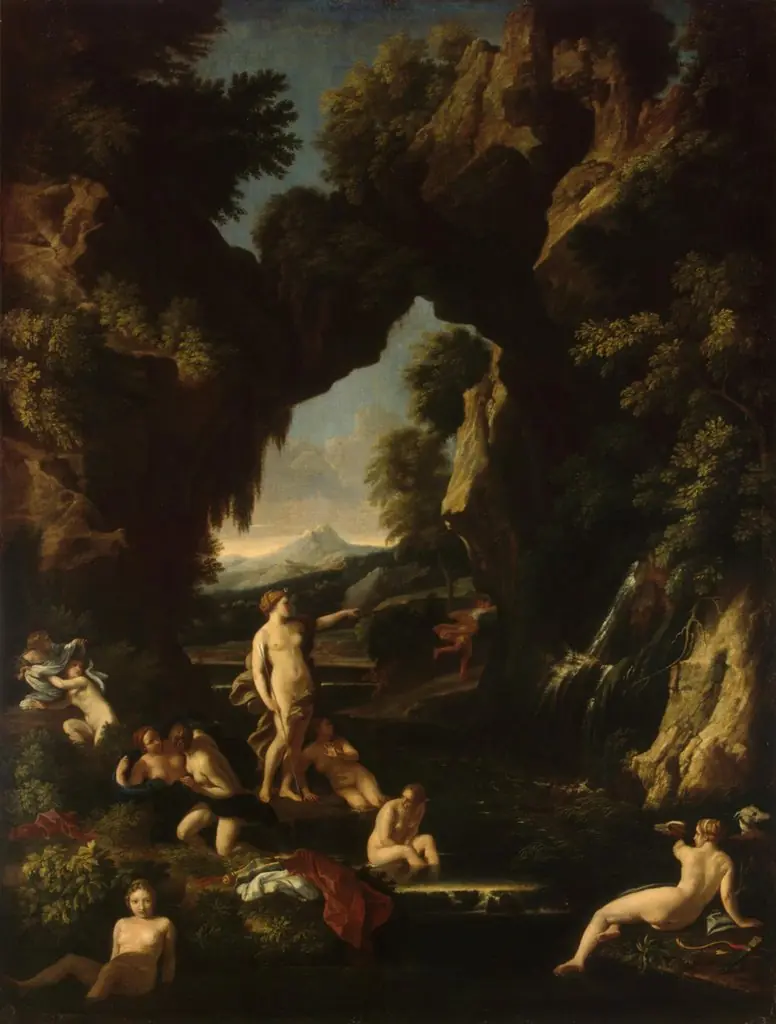
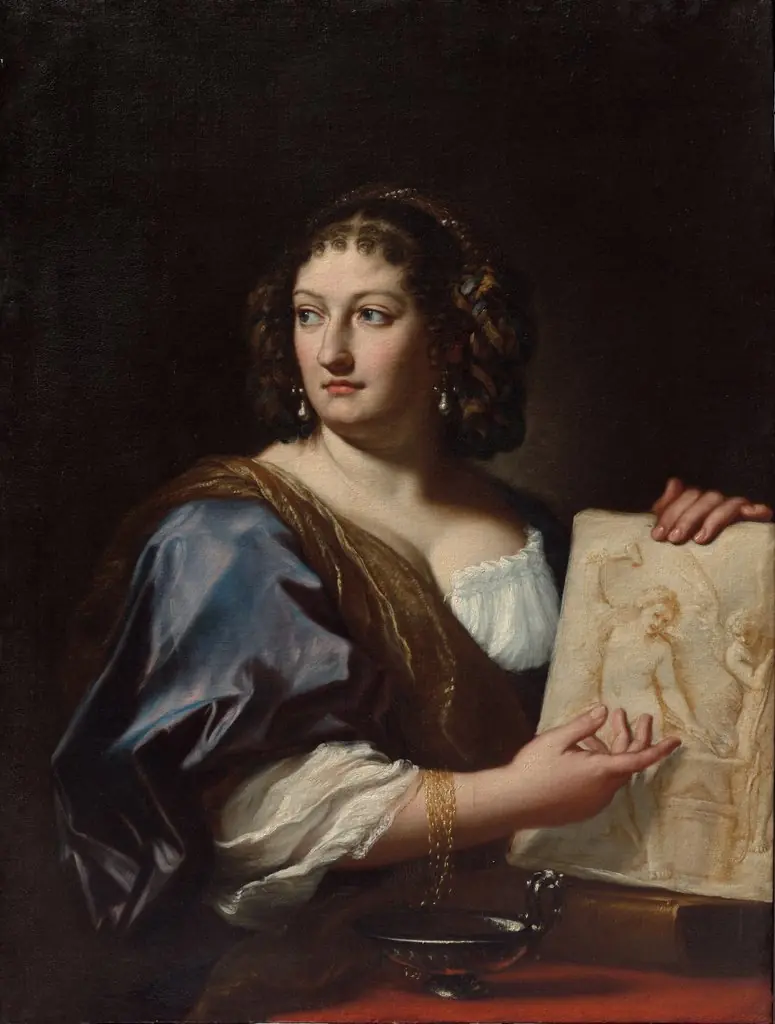
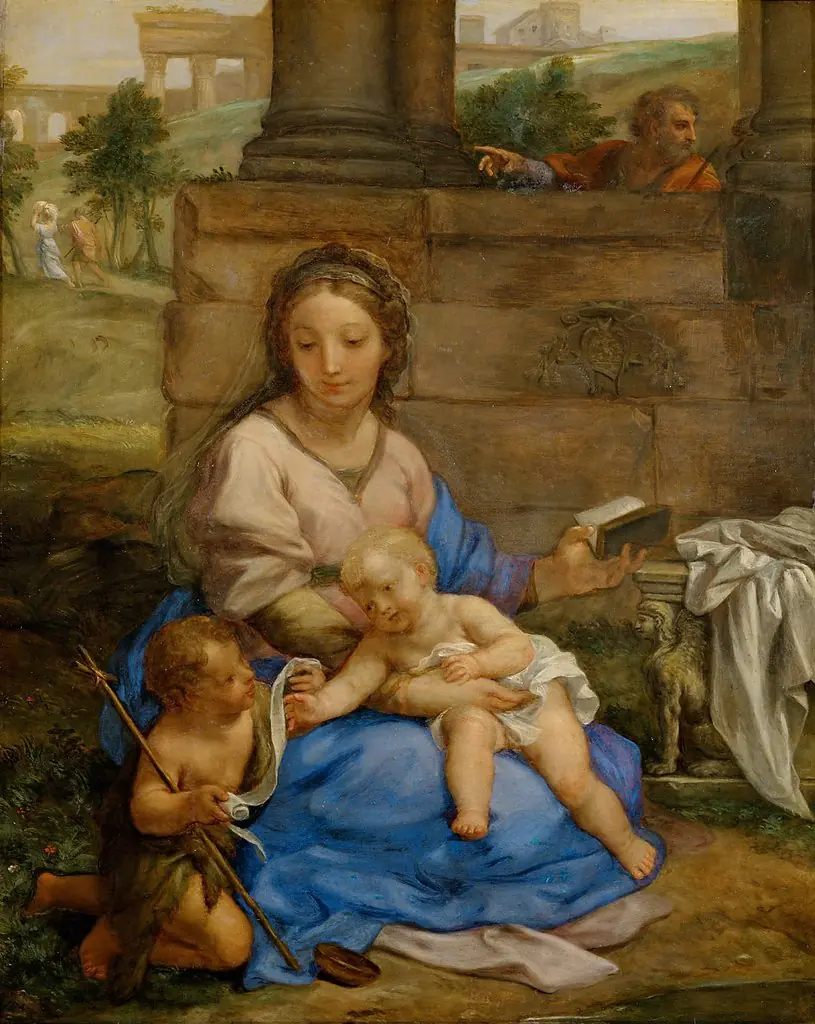
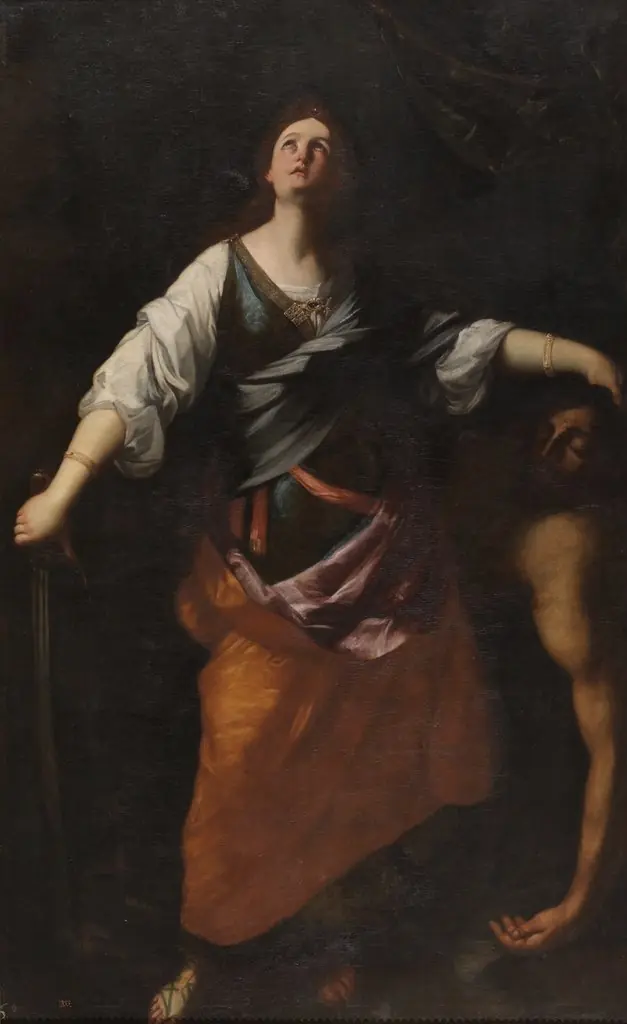
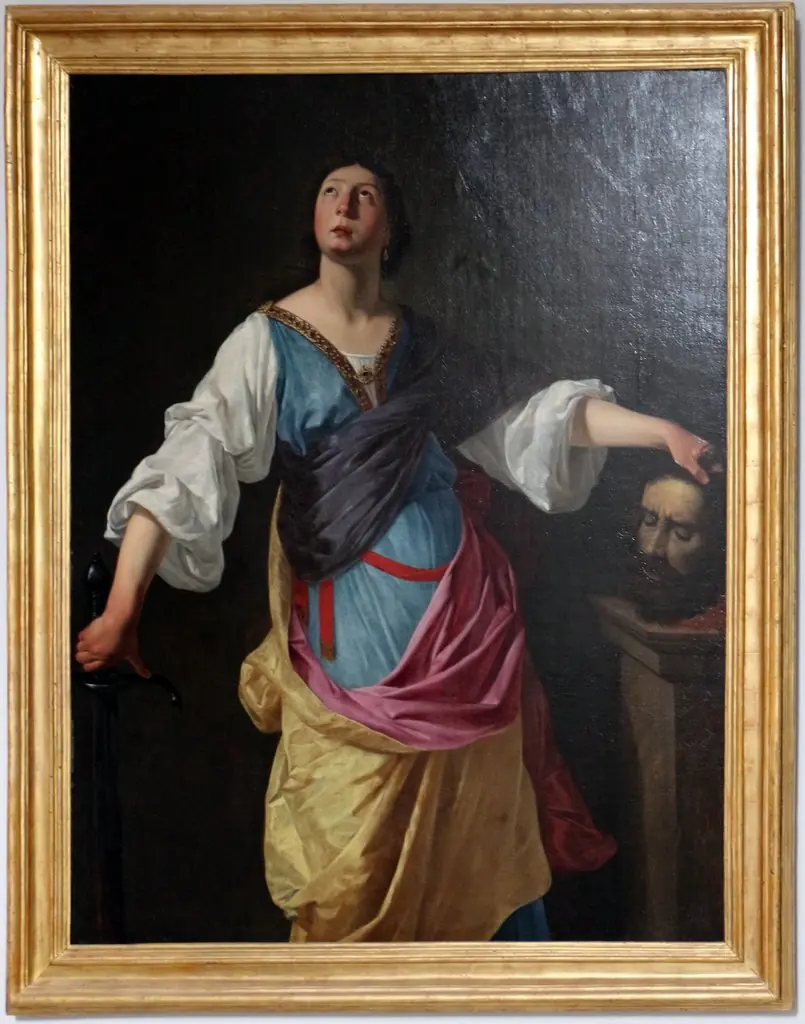
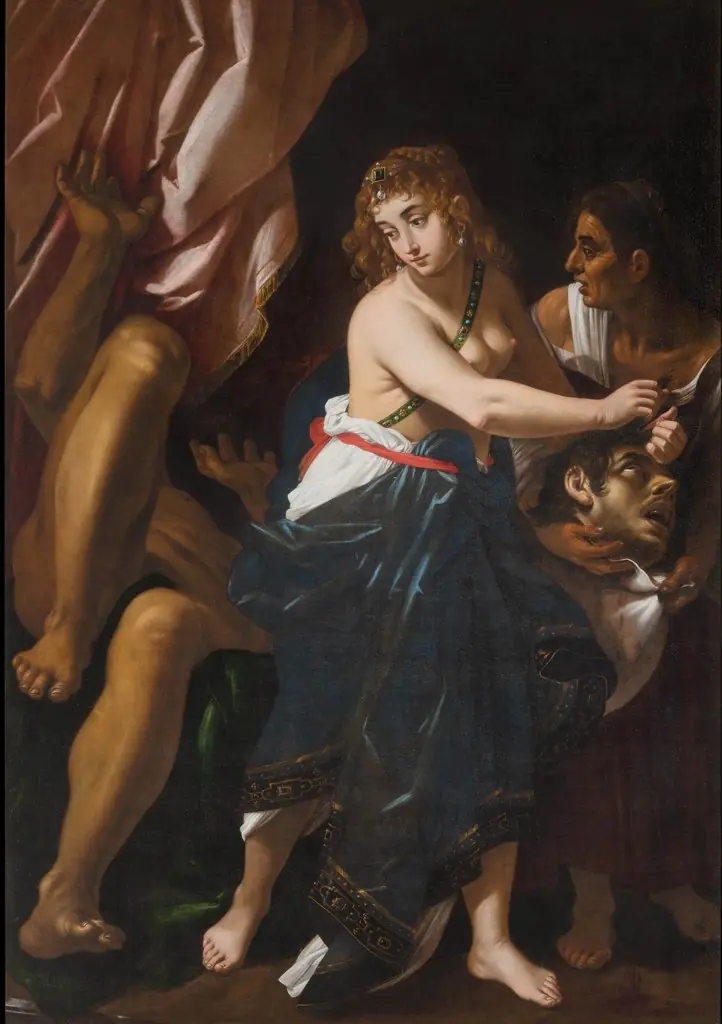
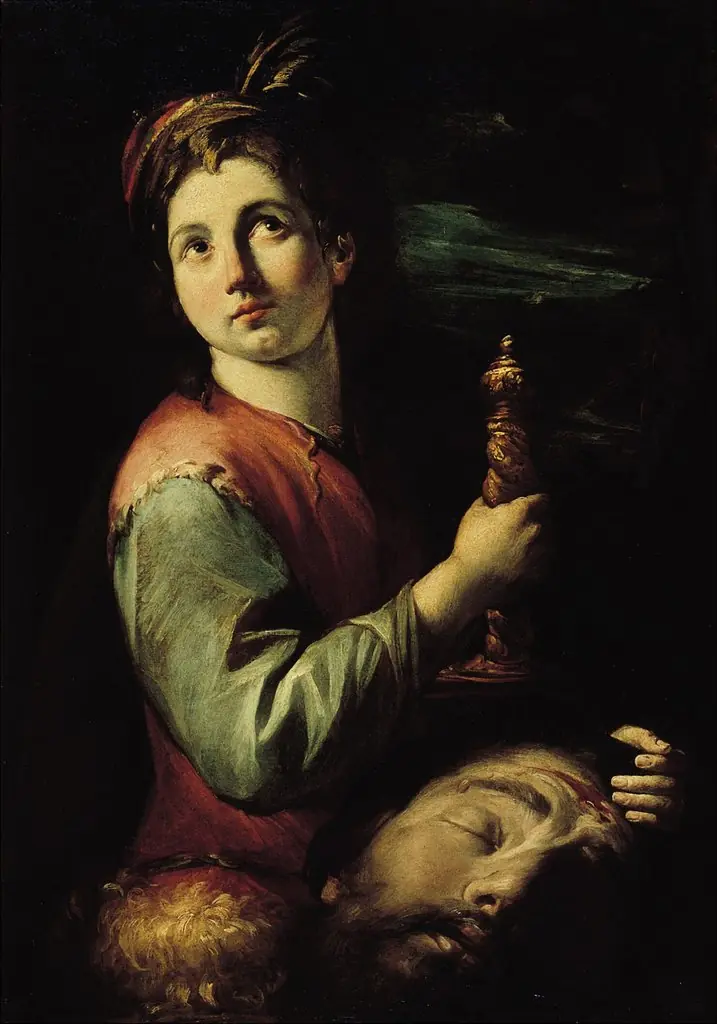
Judith is an oil painting by the Early Baroque Italian artist Carlo Maratta. It dates from 1625 and is held in the collection of the Capitoline Museums.
About this work
Overview
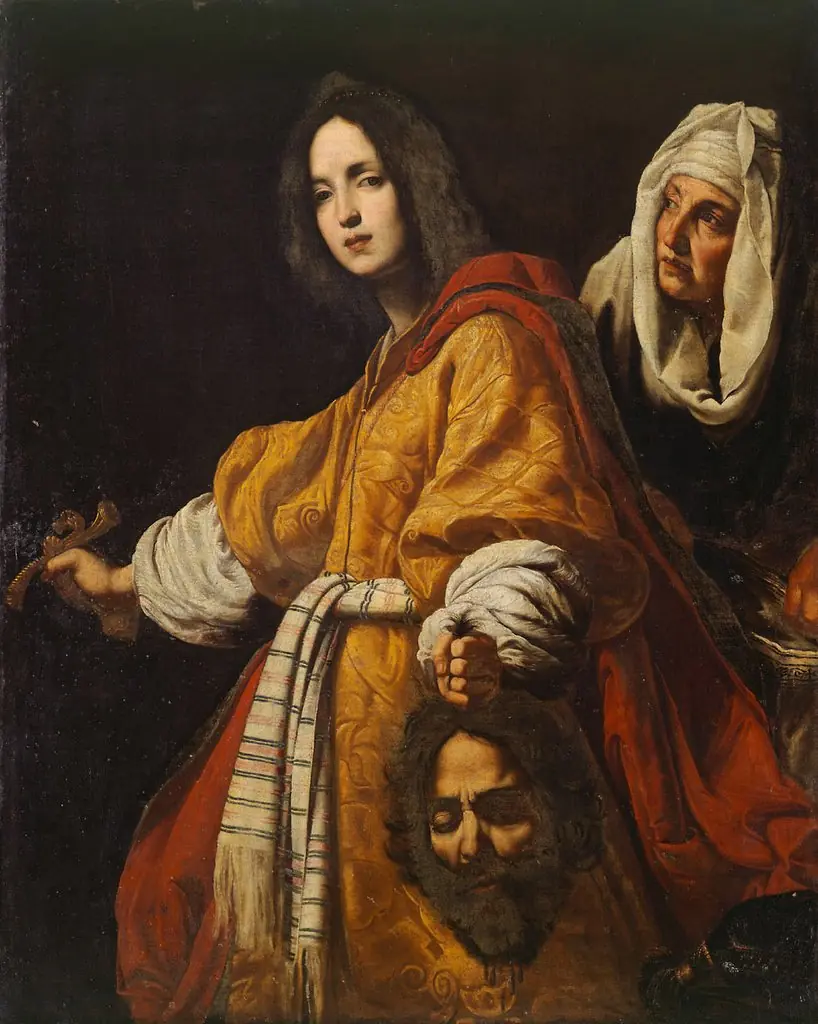
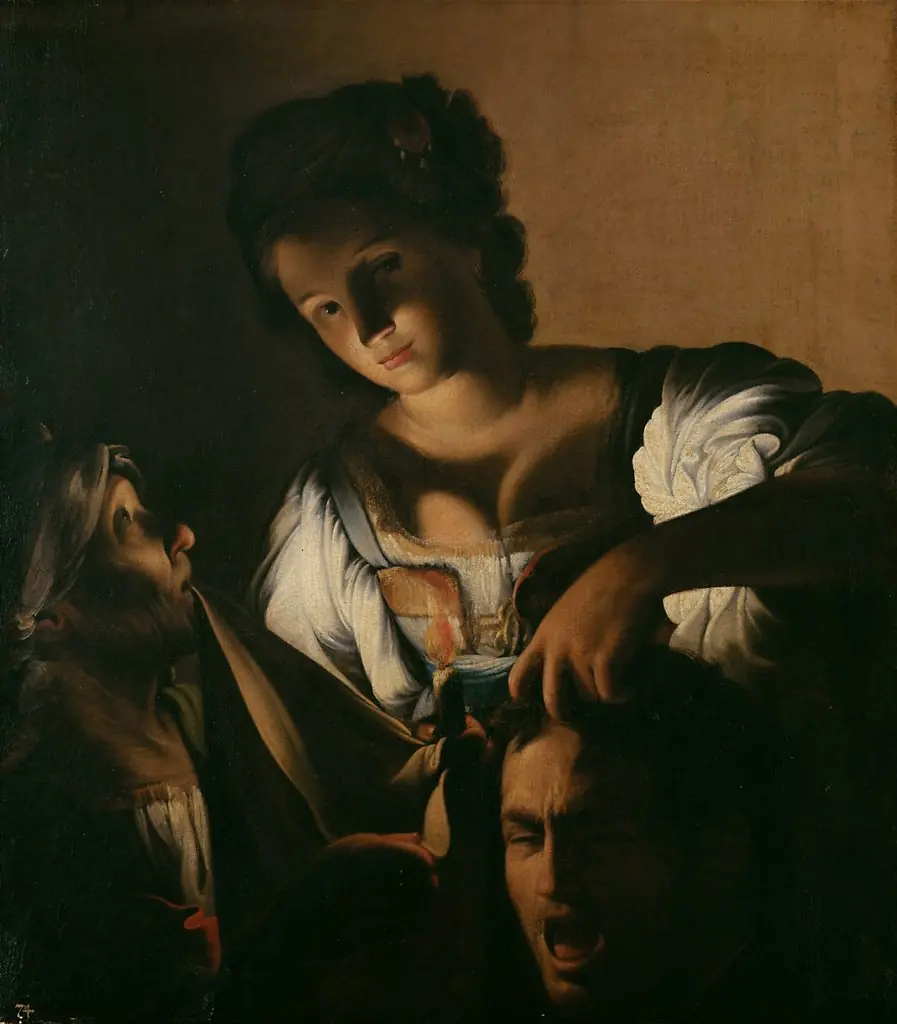
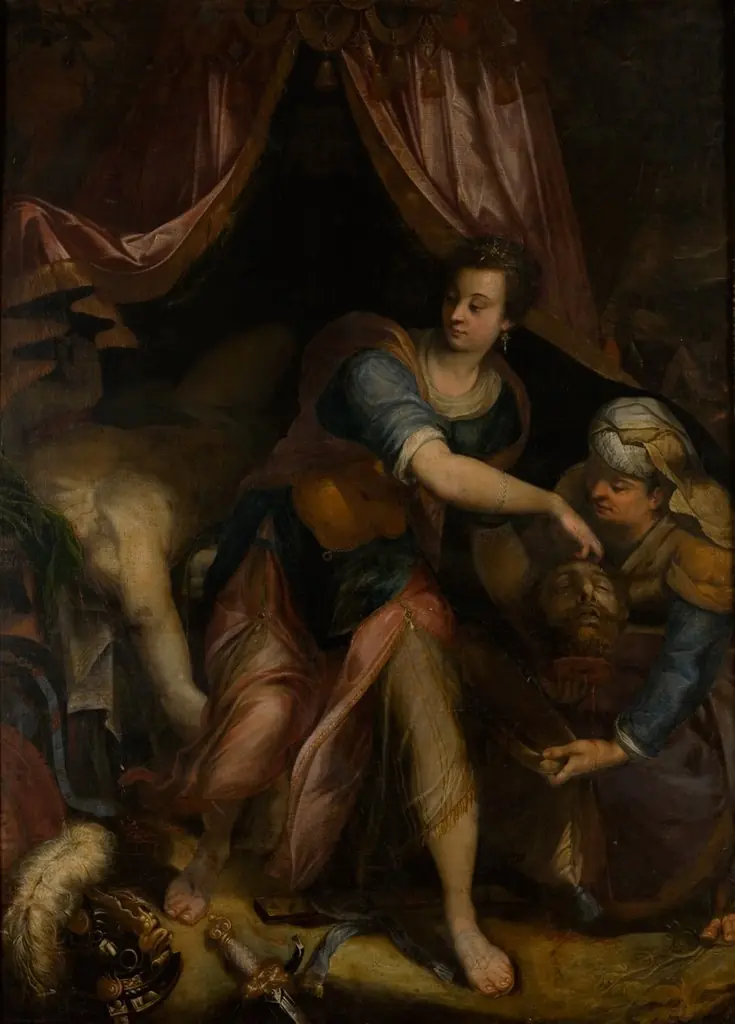
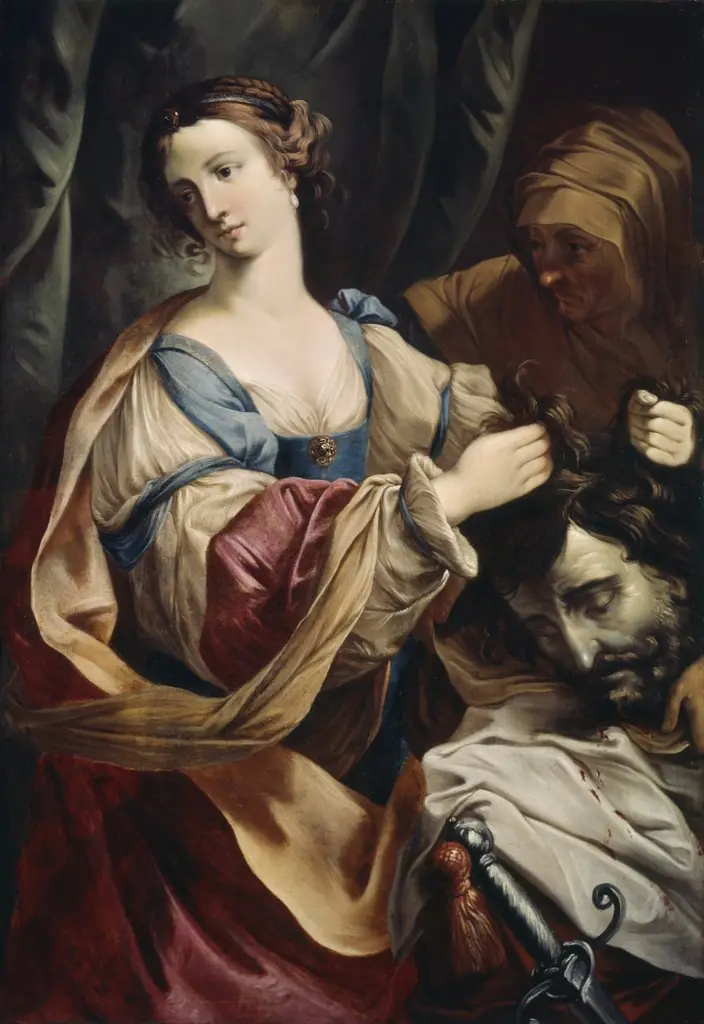
Carlo Maratta’s oil painting *Judith*, executed in 1625, presents a dramatic moment from the biblical narrative. The composition centers on a woman poised over a severed head, her figure illuminated against a dark background. The work resides in Rome’s Capitoline Museums and exemplifies the early Baroque tendency toward heightened emotional expression.
Subject & Meaning
The scene captures the climax of the Judith and Holofernes story, where the heroine displays the fallen enemy’s head as a token of triumph. Judith’s determined gaze and firm grip on the sword convey themes of courage and divine justice, while the disembodied head on a stone pedestal underscores the violent resolution of oppression.
Technique & Style
Maratta employs chiaroscuro to model the figures, allowing light to sculpt Judith’s blue robe, white shawl, and orange skirt against deep shadows. The brushwork is refined, reflecting his classicizing approach within the Baroque idiom, and the composition balances dramatic tension with a restrained, harmonious arrangement of forms.
History & Provenance
Created during Maratta’s early career in Rome, the painting reflects his service to prominent patrons, including ecclesiastical commissions. After remaining in private collections, it entered the Capitoline Museums, where it has been displayed as part of the institution’s Baroque holdings, illustrating the artist’s contribution to 17th‑century Roman art.
Artist & collection
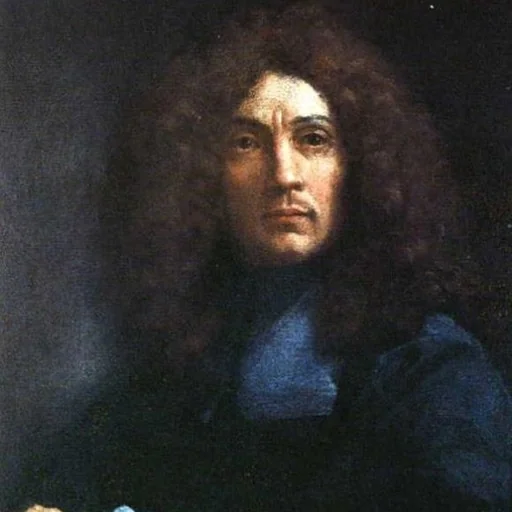
Artist
Carlo Maratta or Maratti (18 May 1625 – 15 December 1713) was an Italian Baroque painter and draughtsman, active principally in Rome where he was the leading painter in the second half of the 17th century.