Artwork
Judith and the Head of Holofernes
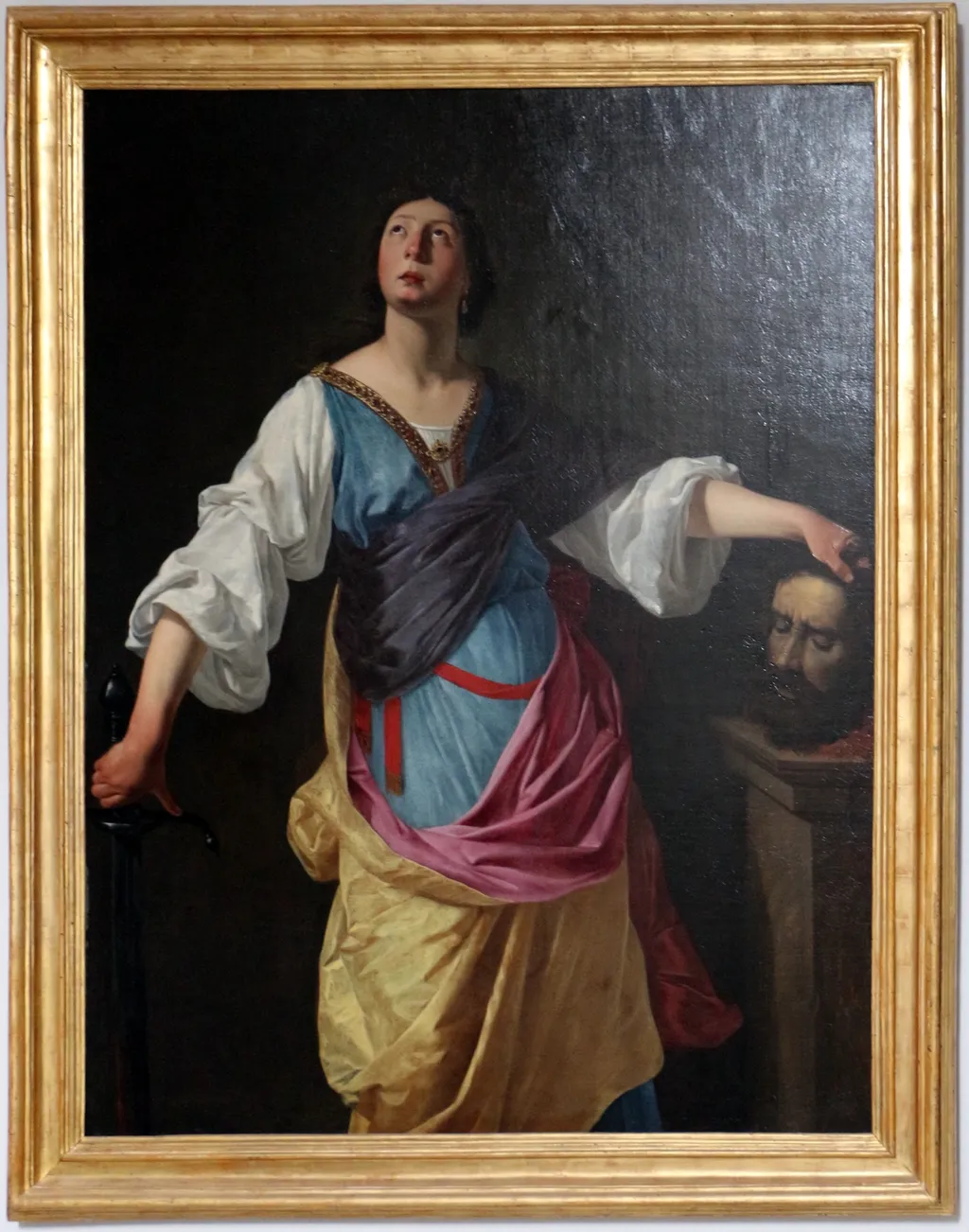
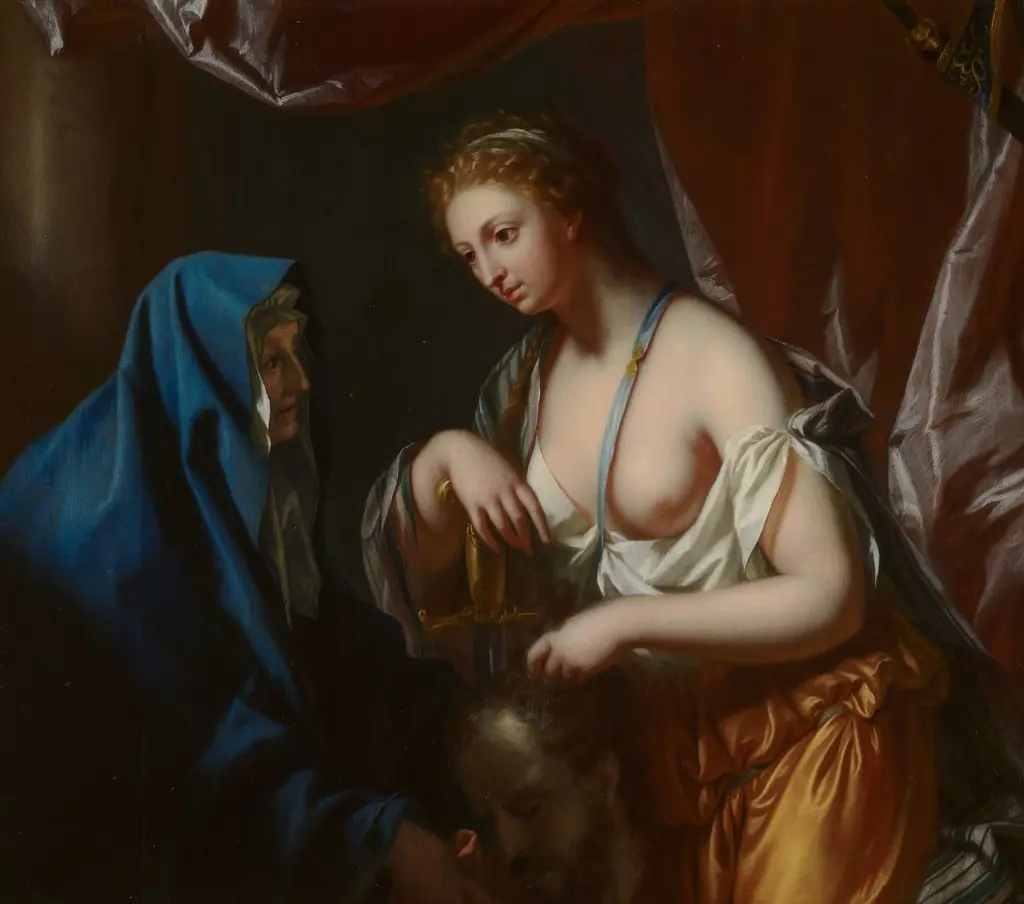
Judith and the Head of Holofernes is an unspecified painting by the Dutch Golden Age artist Jan van Bijlert. It dates from 1650 and is held in the collection of the Royal Museums of Fine Arts of Belgium.
About this work
Overview
Judith and the Head of Holofernes is a 17th-century religious painting created by Jan van Bijlert, a Dutch Golden Age painter, around 1650. It is now part of the Royal Museums of Fine Arts of Belgium's collection.
Subject & Meaning
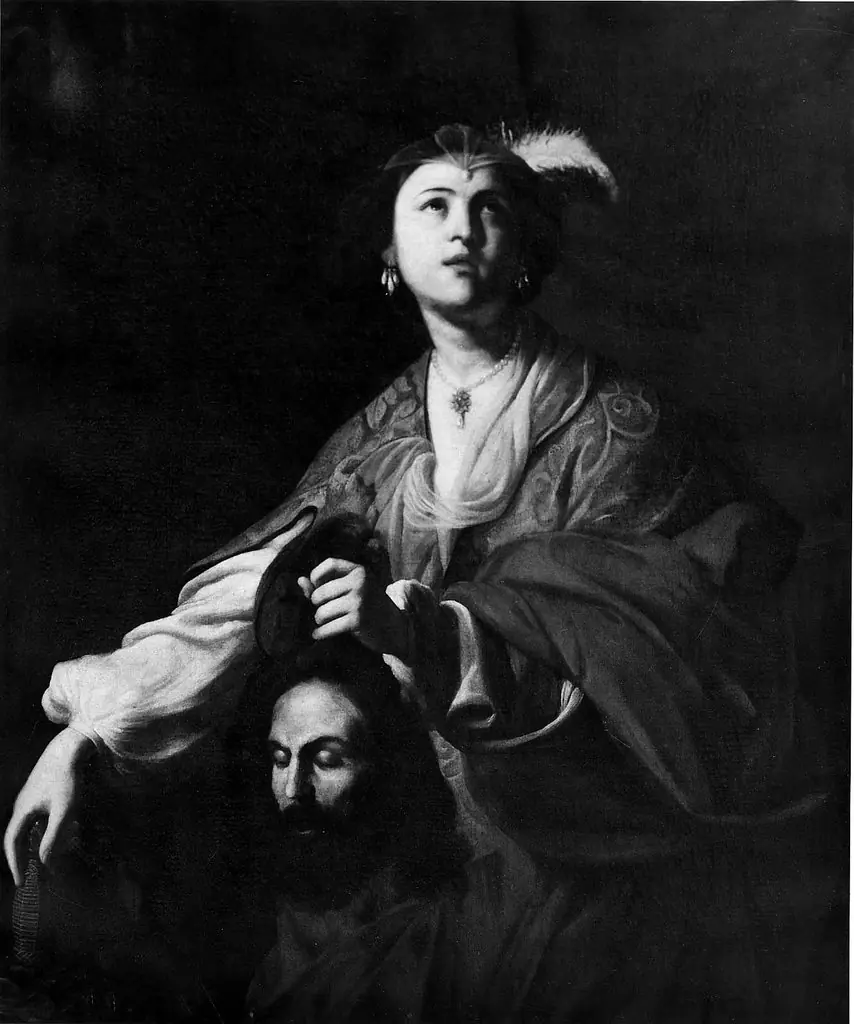
The painting depicts the biblical figure Judith, holding a sword in her right hand and the severed head of Holofernes in her left, conveying determination, strength, and confidence through her facial expression and posture.
Technique & Style
Van Bijlert employed chiaroscuro to create a dramatic, intense mood, with a dark background highlighting the central figure. The style reflects his exposure to Caravaggio's influence during his time in Italy.
History & Provenance
Jan van Bijlert, associated with the Utrecht Caravaggisti and the Bentvueghels circle in Rome, painted this work around 1650. Its current location is the Royal Museums of Fine Arts of Belgium.
Context
As a member of the Utrecht Caravaggisti, van Bijlert's work was influenced by Caravaggio's dramatic lighting and composition techniques, evident in the intense, dramatic portrayal of Judith.
Legacy
While specific lasting impacts of this painting are not detailed, its style and technique place it within the broader legacy of Dutch Golden Age painting and the Caravaggisti movement's influence on European art.
Artist & collection
Artist
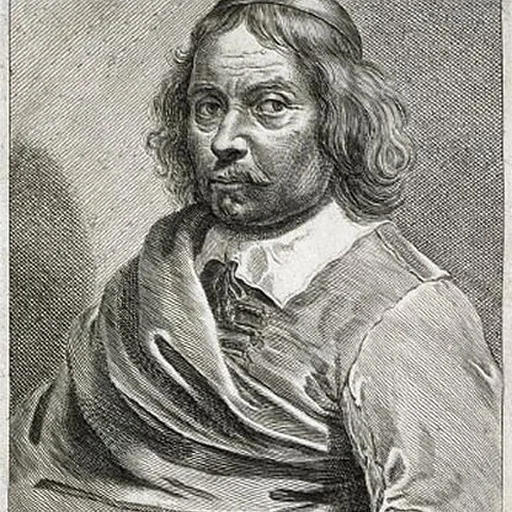
Jan Hermansz van Bijlert (1597 or 1598 – November 1671) was a Dutch Golden Age painter from Utrecht, one of the Utrecht Caravaggisti whose style was influenced by Caravaggio.

Museum
Royal Museums of Fine Arts of Belgium
Continue through works from the same source collection.
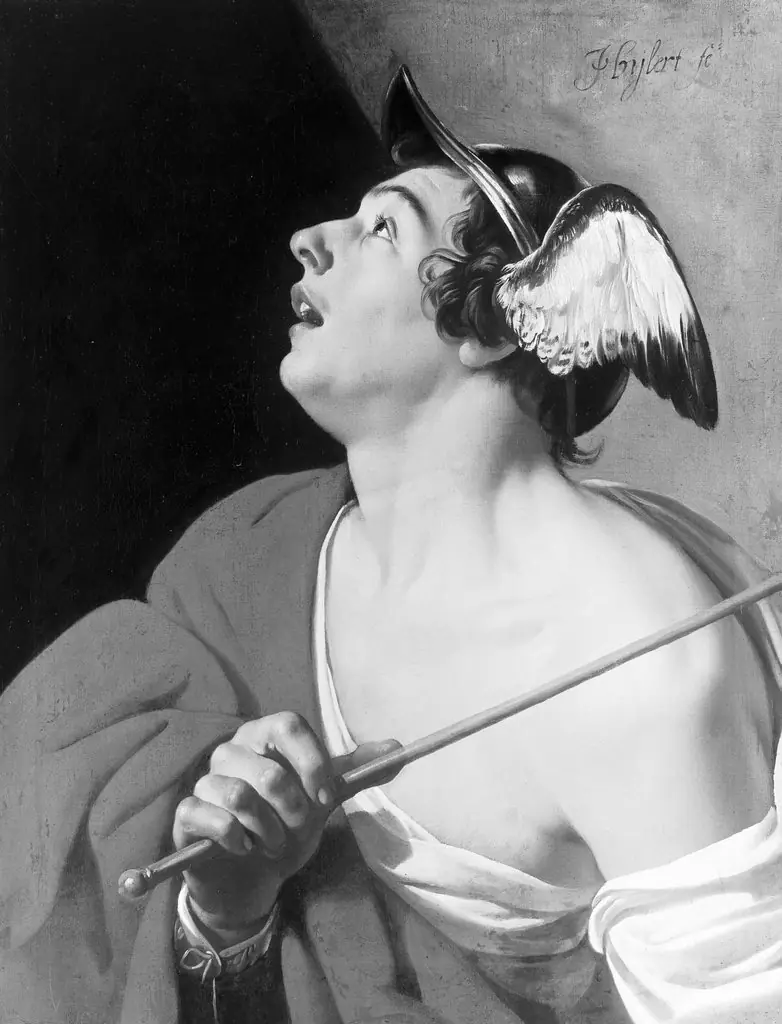
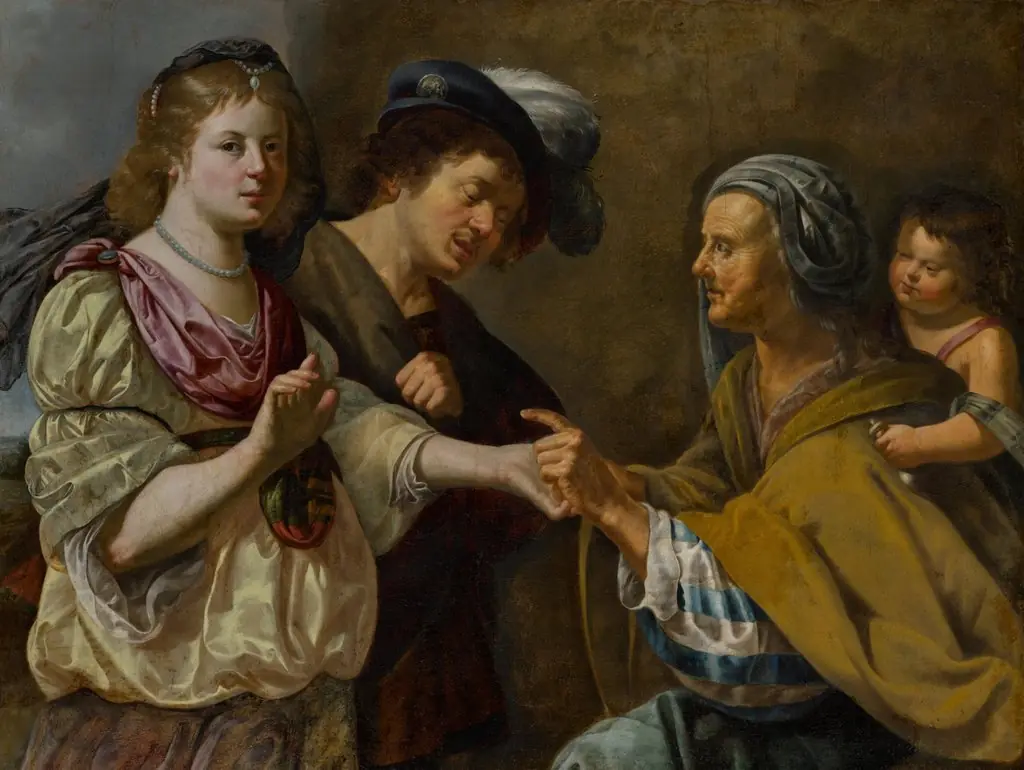
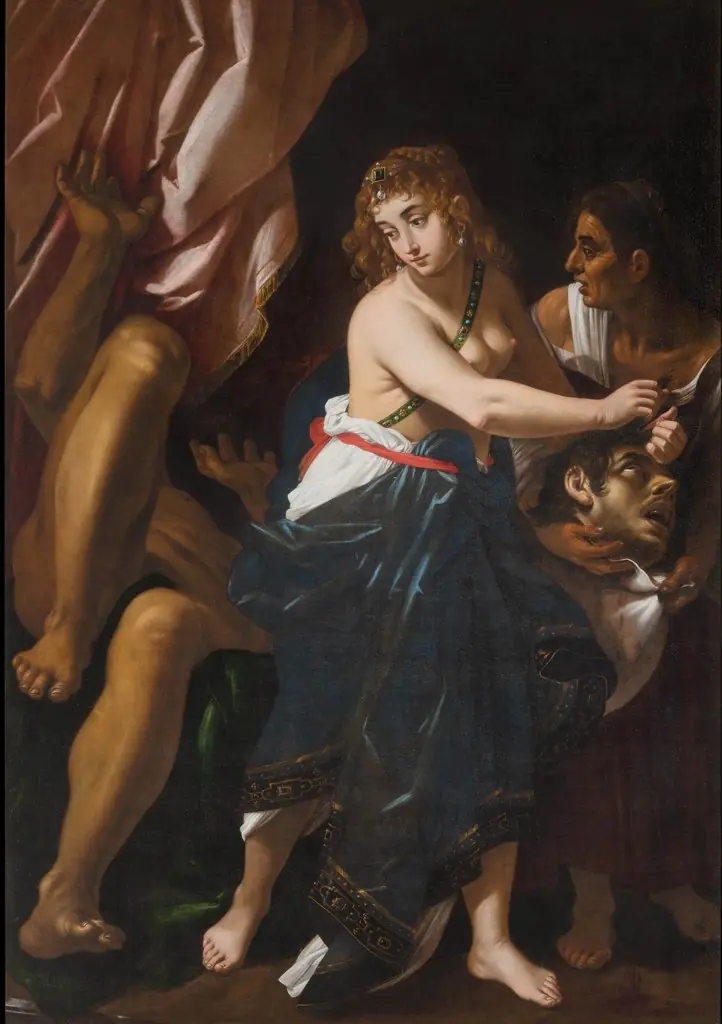 Judith and the Head of Holofernes
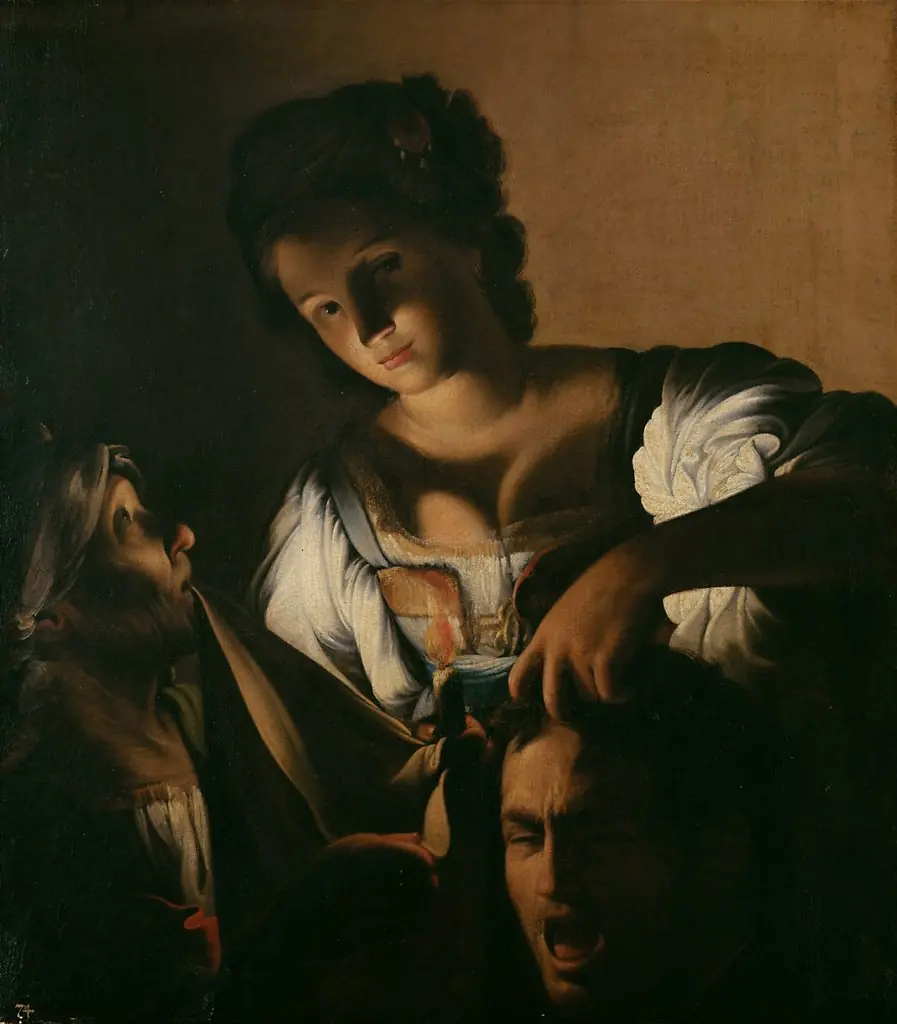 Judith with the head of Holofernes
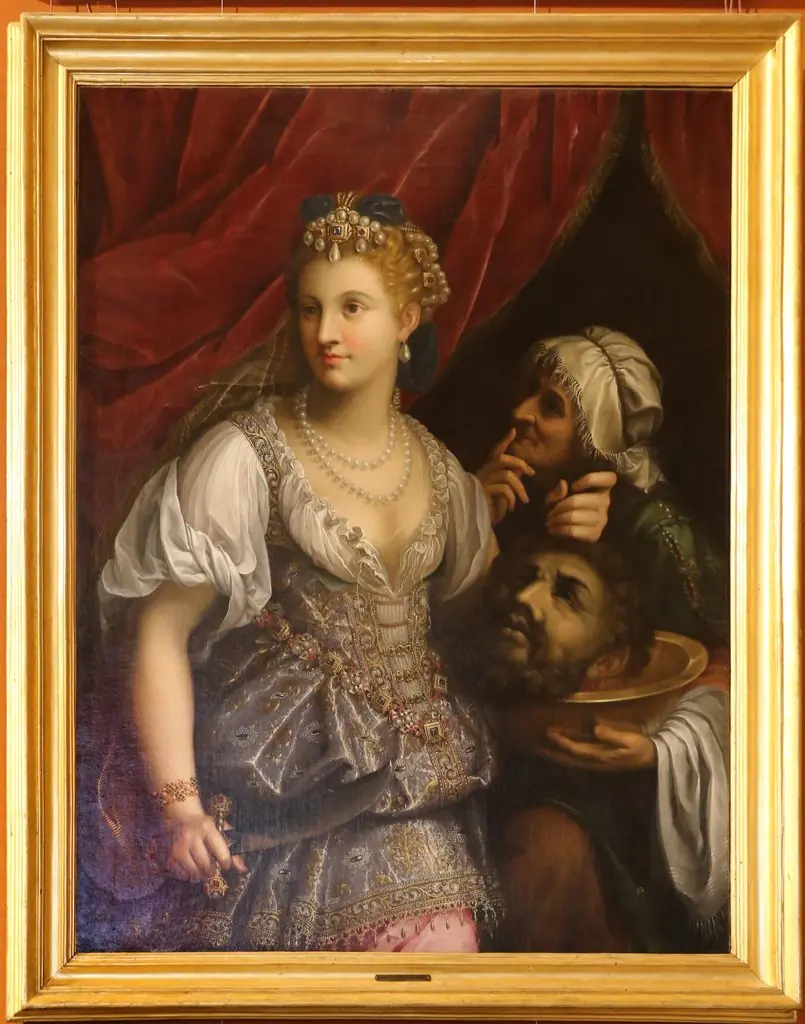 Judith with the Head of Holofernes
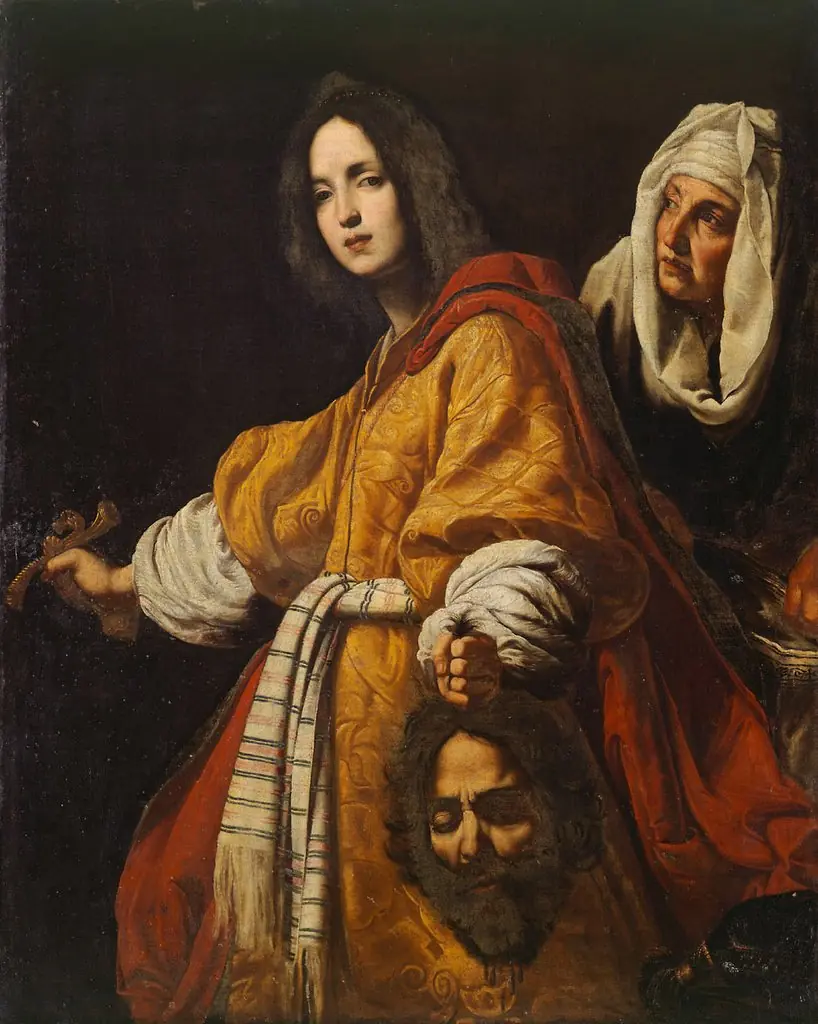 Judith with the head of Holofernes
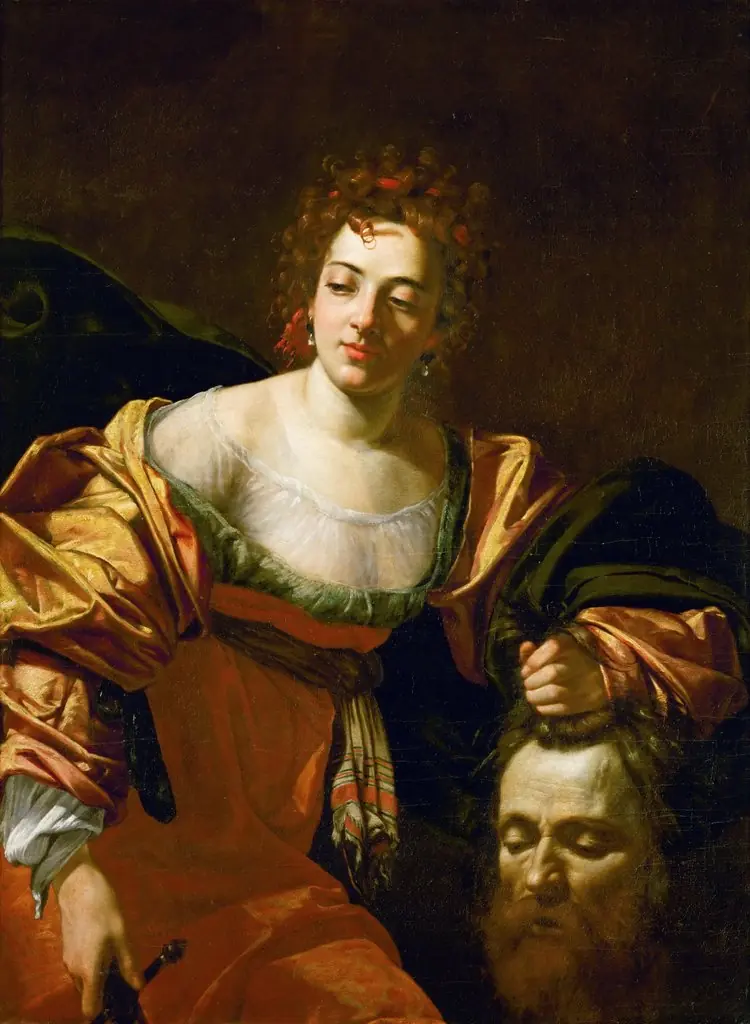 Judith with the Head of Holofernes
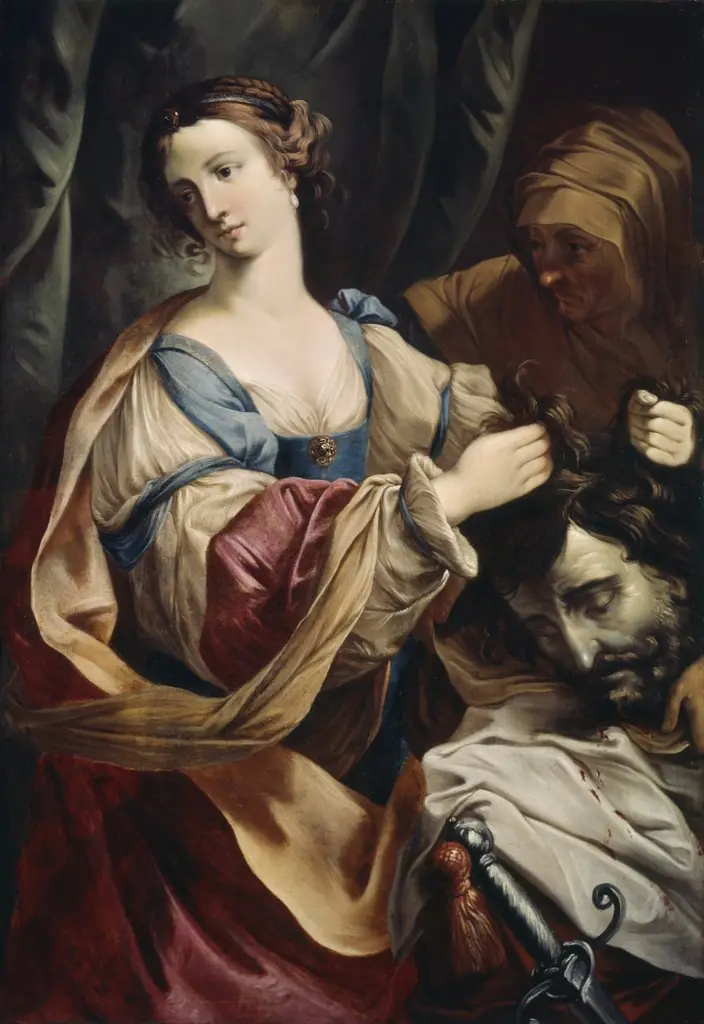 Judith with the Head of Holofernes
 Judith with the Head of Holofernes
 Judith with the Head of Holofernes
 Judith with the Head of Holofernes
 Judith with the Head of Holofernes
 Judith with the Head of Holofernes
 Judith with the Head of Holofernes