Artwork
Saint Martin and the beggar
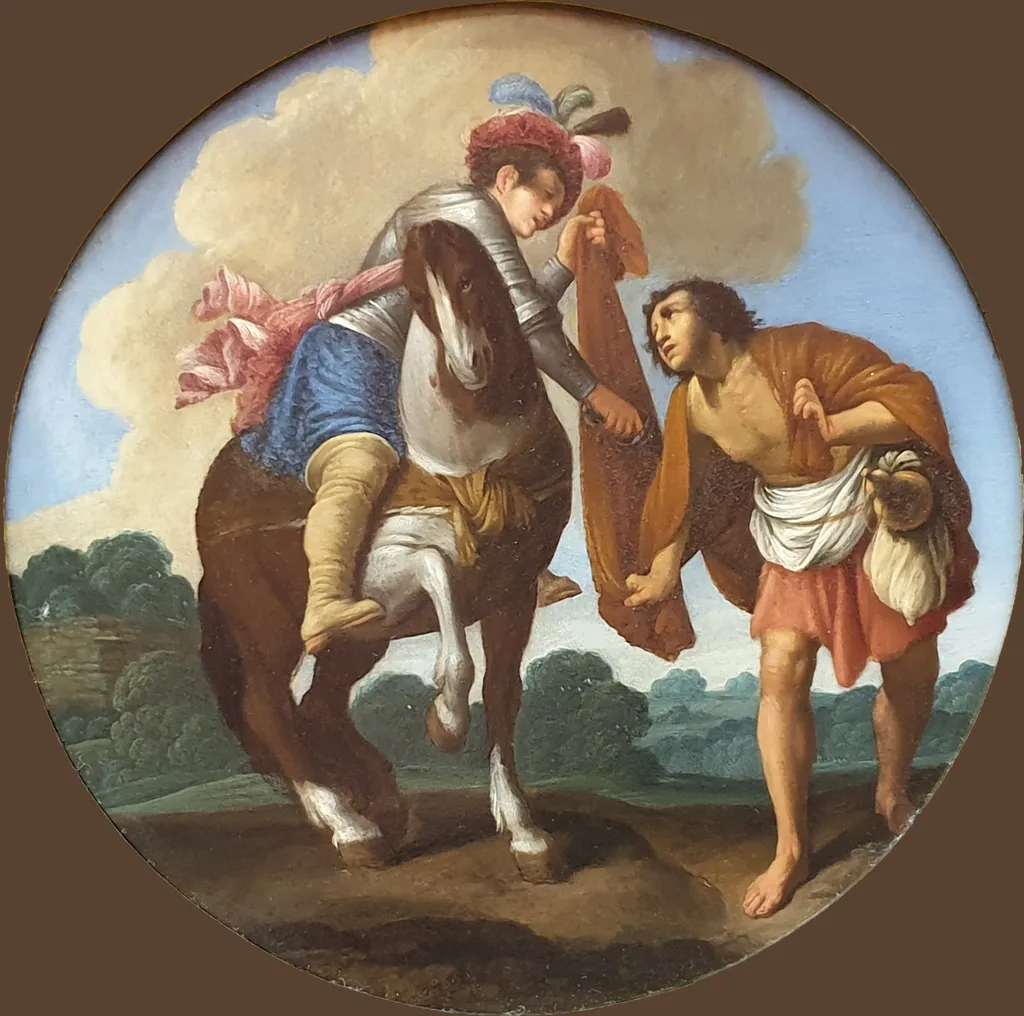
Saint Martin and the beggar is a paint painting by the Early Baroque Italian artist Carlo Saraceni. It dates from 1610 and is held in the collection of the Gemäldegalerie Berlin.
About this work
Overview
Its small scale and metallic support distinguish it from larger canvas altarpieces of the time, suggesting a private devotional function.
Painted in 1610 on copper, this work by Carlo Saraceni captures a moment from the life of Saint Martin of Tours. Executed during the early Baroque period in Italy, the piece reflects the artist’s engagement with naturalism and emotional immediacy. Its small scale and metallic support distinguish it from larger canvas altarpieces of the time, suggesting a private devotional function. The painting resides today in the Gemäldegalerie, Berlin.
Subject & Meaning
The scene illustrates Saint Martin, a Roman soldier turned Christian saint, dividing his cloak to share with a destitute beggar. The act symbolizes Christian charity and humility, a widely recognized virtue in Counter-Reformation spirituality. The soldier’s armor and the beggar’s tattered robe underscore the contrast between worldly status and spiritual compassion, reinforcing the moral narrative without overt theatricality.
Technique & Style
Saraceni employed copper as a support, allowing for fine detail and a luminous surface that enhances the play of light. His use of chiaroscuro defines the figures with subtle gradations, drawing attention to the exchange between the two men. The palette is restrained yet effective—deep reds, earth tones, and soft blues create spatial depth while maintaining a quiet, intimate mood.
History & Provenance
The painting was likely commissioned for private devotion, common among collectors in early 17th-century Rome. It entered the Berlin collection in the 19th century, part of a broader acquisition of Italian Baroque works. Its attribution to Saraceni has been consistently supported by stylistic analysis, particularly in the handling of light and figure composition, aligning with his known oeuvre.
Context
During this period, religious subjects were frequently rendered with psychological realism, responding to the Catholic Church’s emphasis on accessible piety. Saraceni, influenced by Caravaggio’s naturalism but less extreme, adapted these innovations for quieter, contemplative scenes. This painting reflects a trend in Roman art toward intimate, emotionally resonant narratives over grand spectacle.
Legacy
Though less celebrated than contemporaries like Caravaggio, Saraceni’s work contributed to the evolution of Baroque devotional imagery. His use of copper and nuanced lighting influenced minor Roman painters and collectors who favored refined, small-scale religious works. This painting remains a quiet example of how spiritual themes were rendered with subtlety in early Baroque Italy.
Artist & collection
Artist
Carlo Saraceni (1579 – 16 June 1620) was an Italian early-Baroque painter, whose reputation as a "first-class painter of the second rank" was improved with the publication of a modern monograph in 1968.

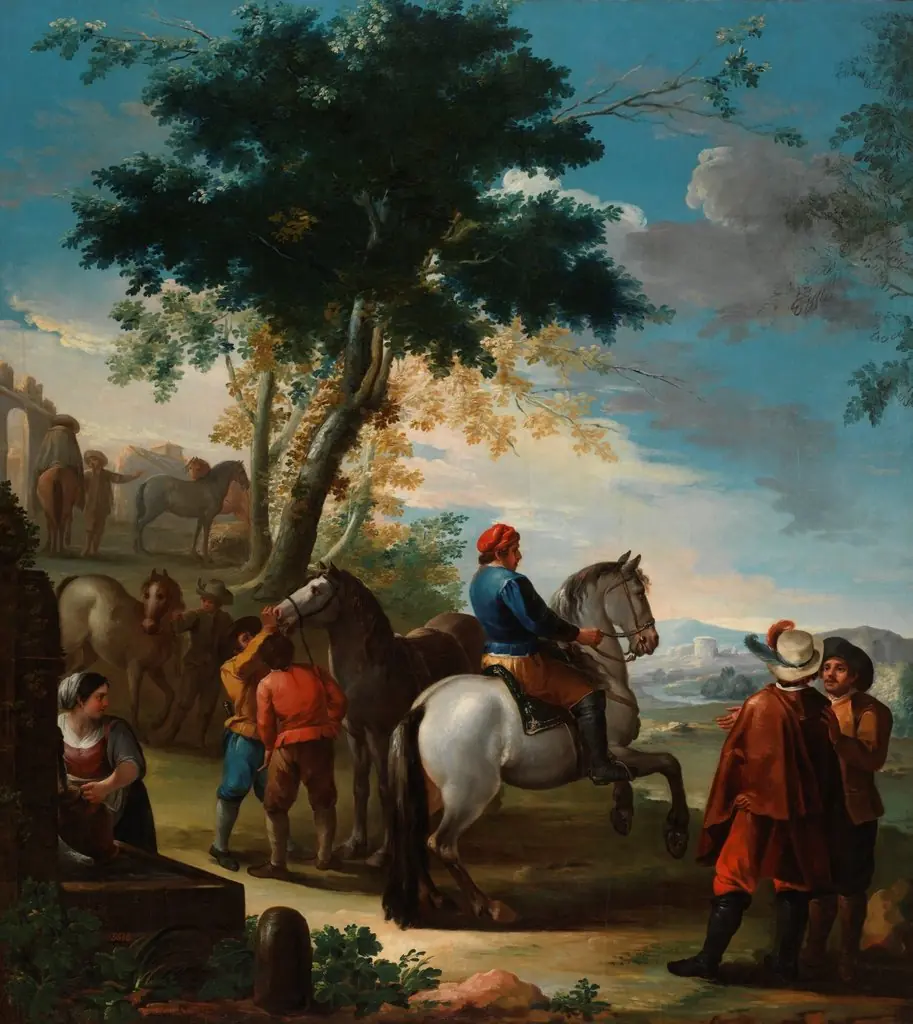 Un mercado de caballos
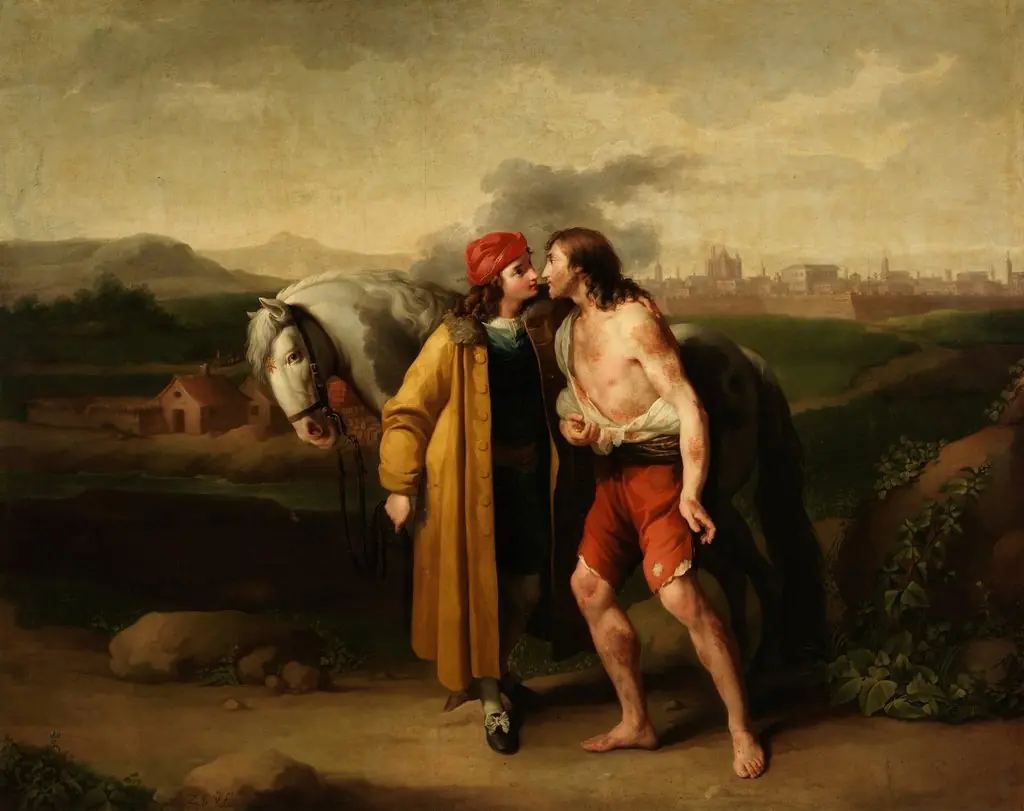 San Francisco abrazando a un leproso
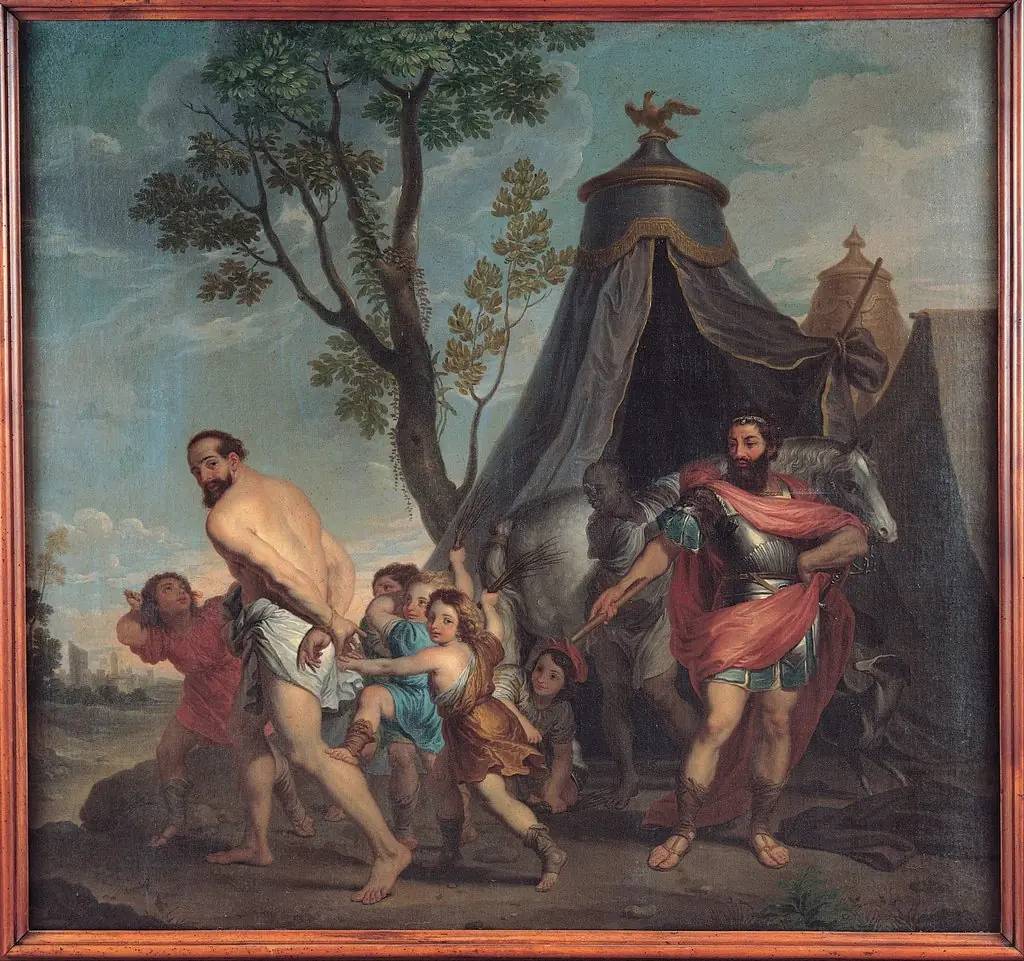 Camillus and the Schoolmaster of Falerii
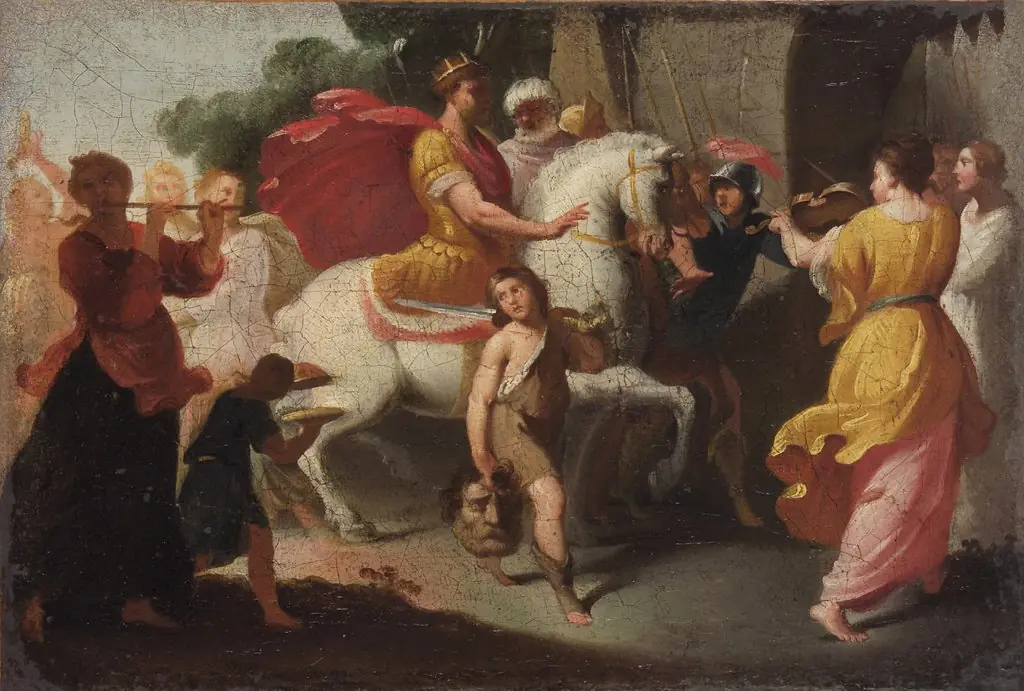 Triumph of David after defeating Goliath
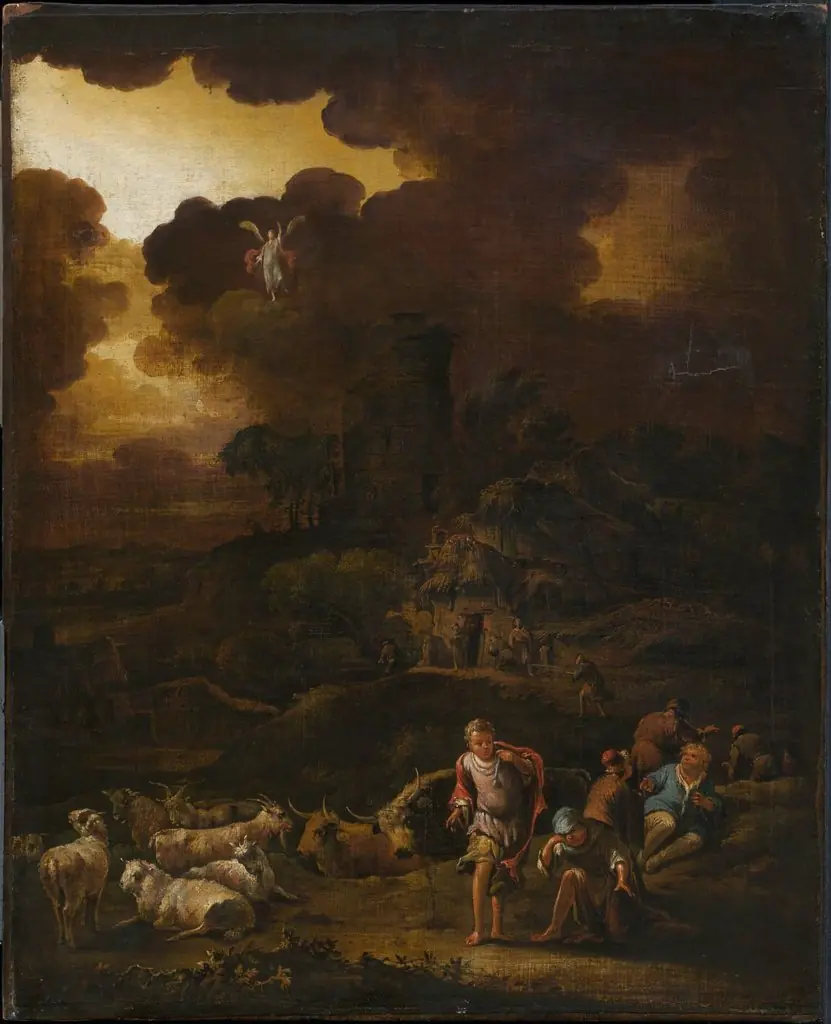 The Announcement to the Shepherds
 Schafherde mit berittenem Hirten
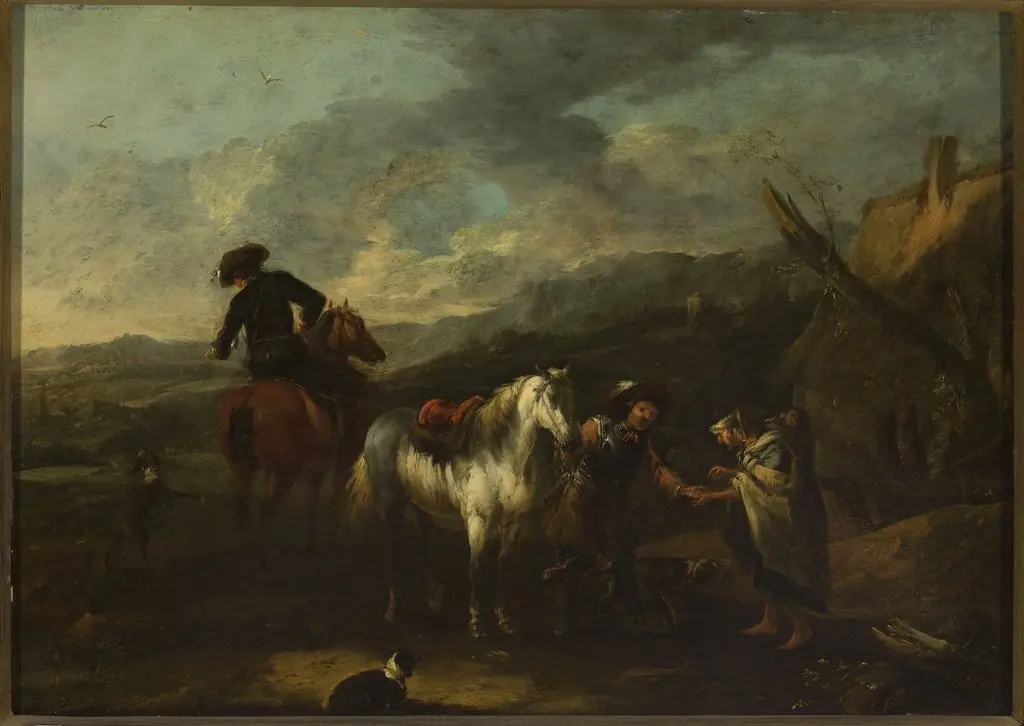 Horsemen and a beggar woman against landscape
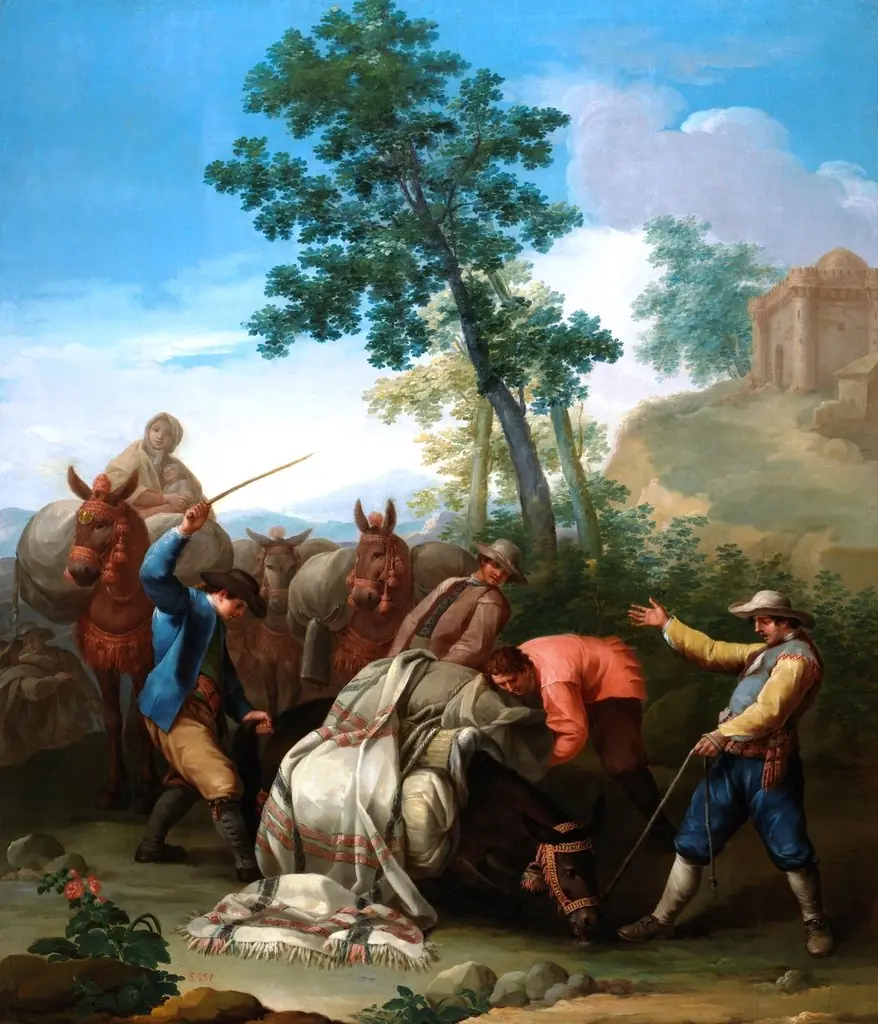 Un mulo caído con su carga y unos arrieros levantándolo
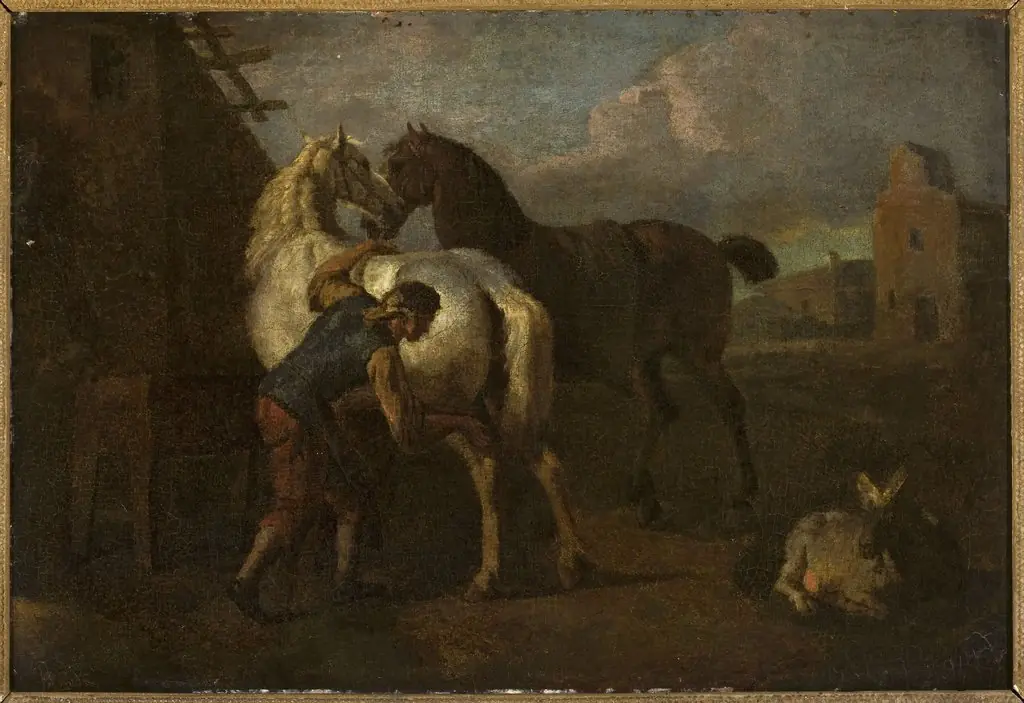 Groom and horses
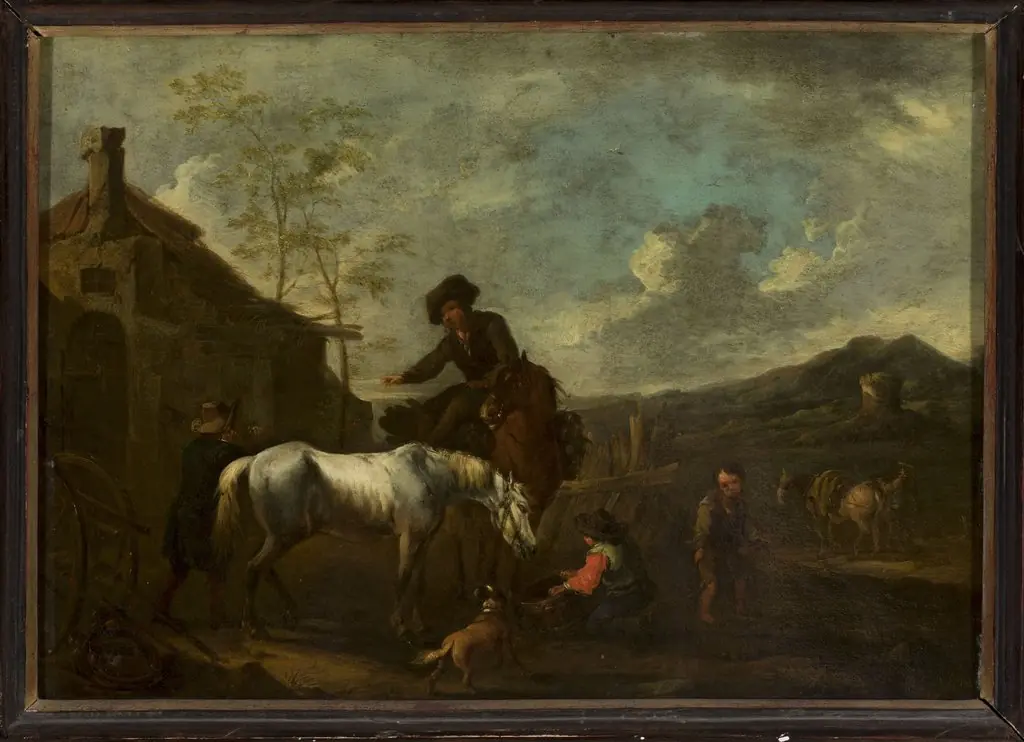 Watering the horses