Artwork
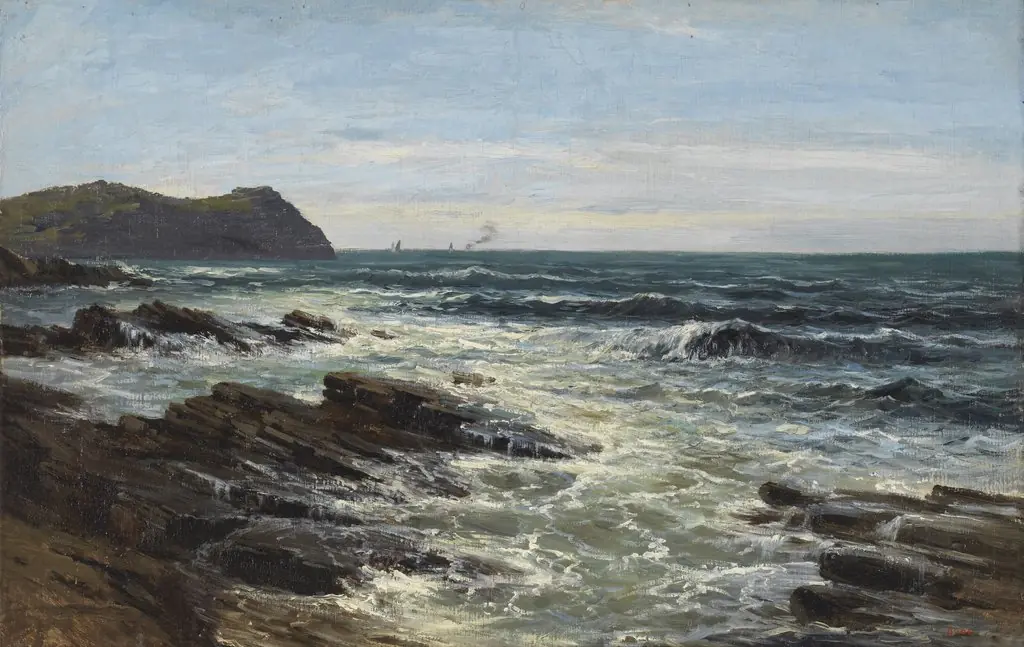
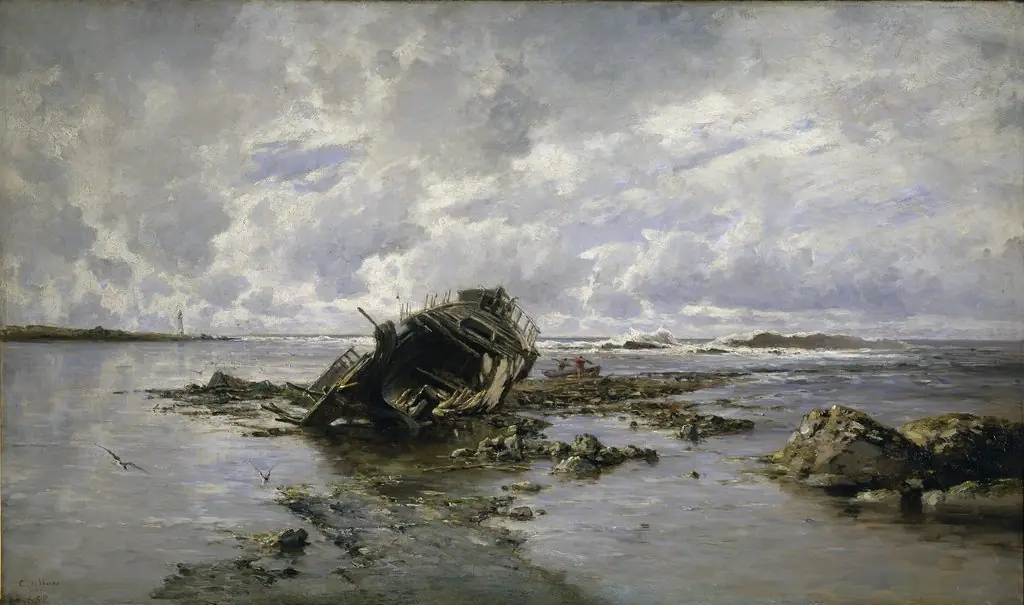
Rompientes (Guéthary)
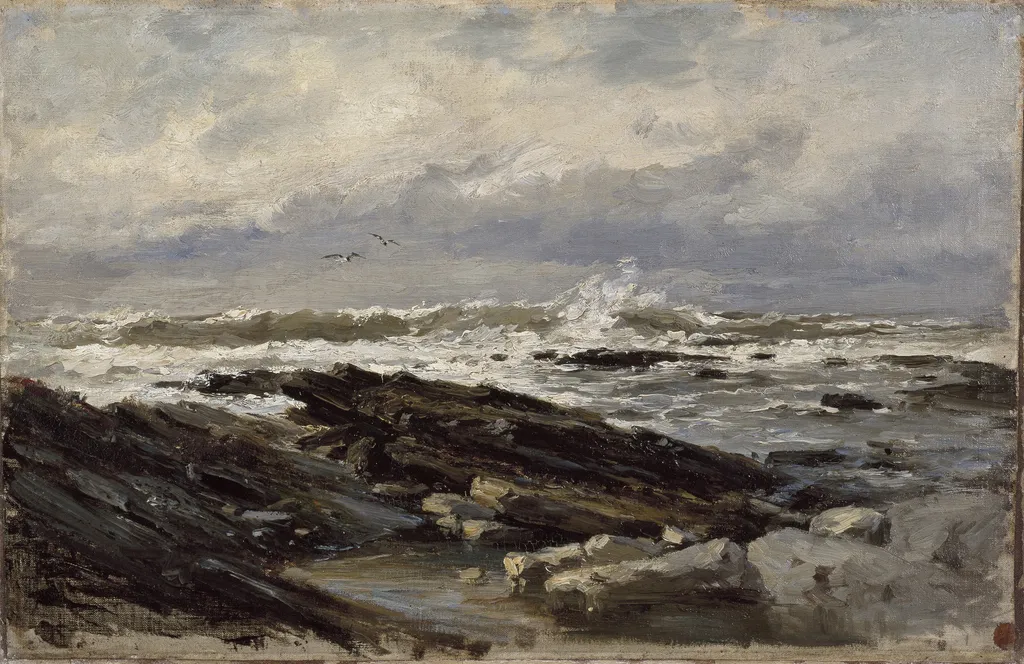
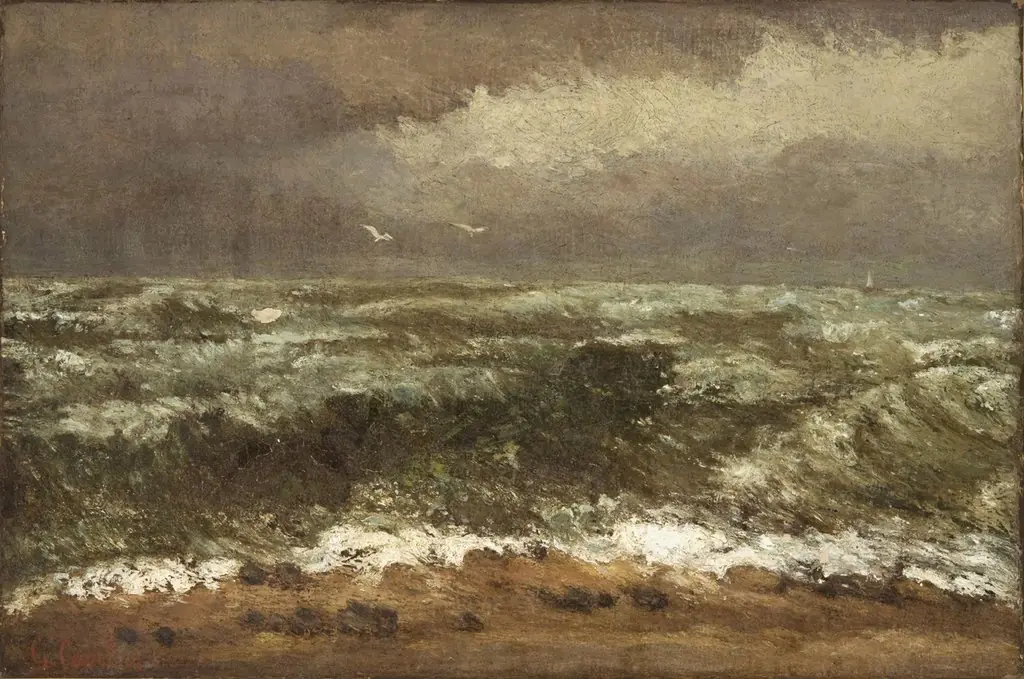
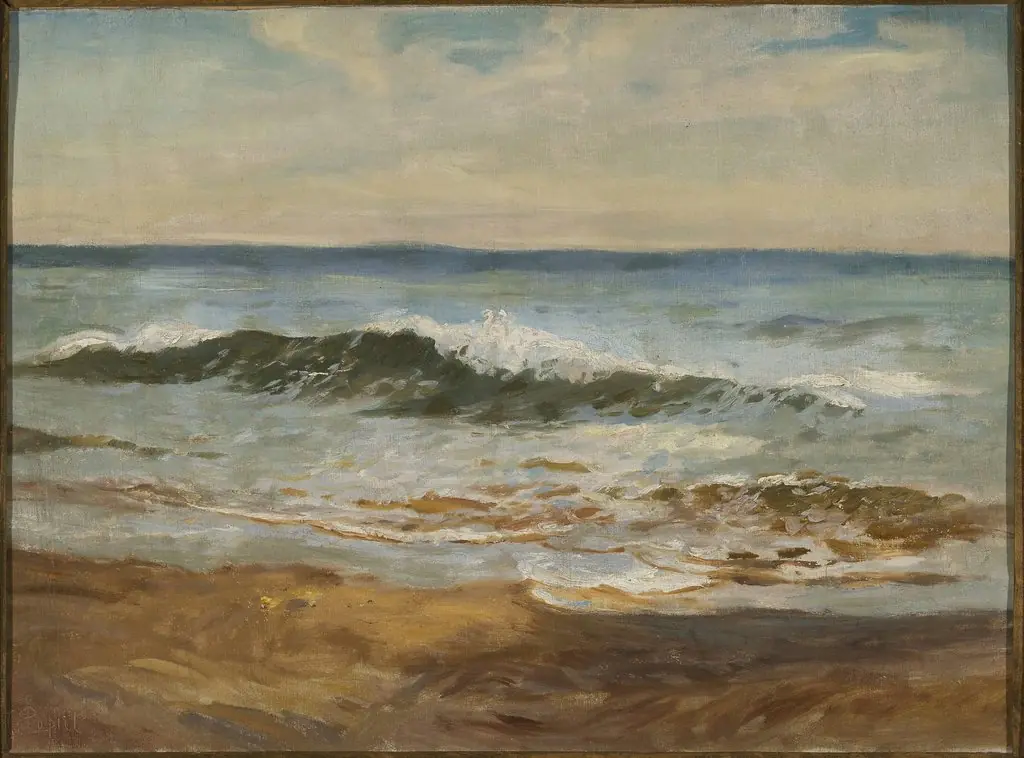
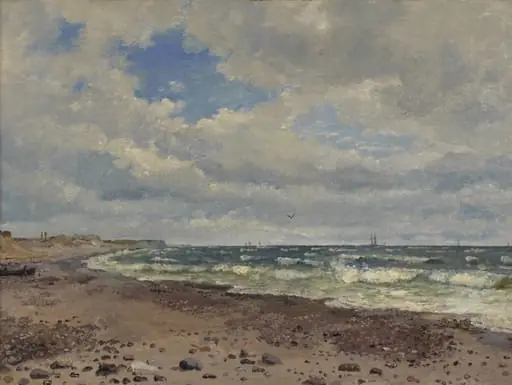
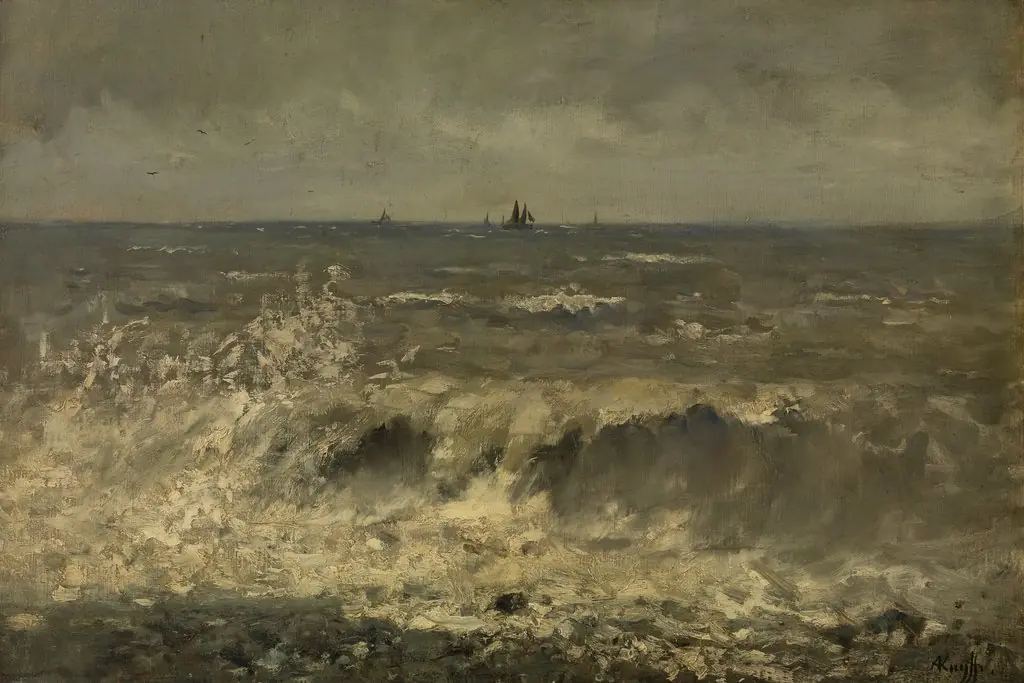
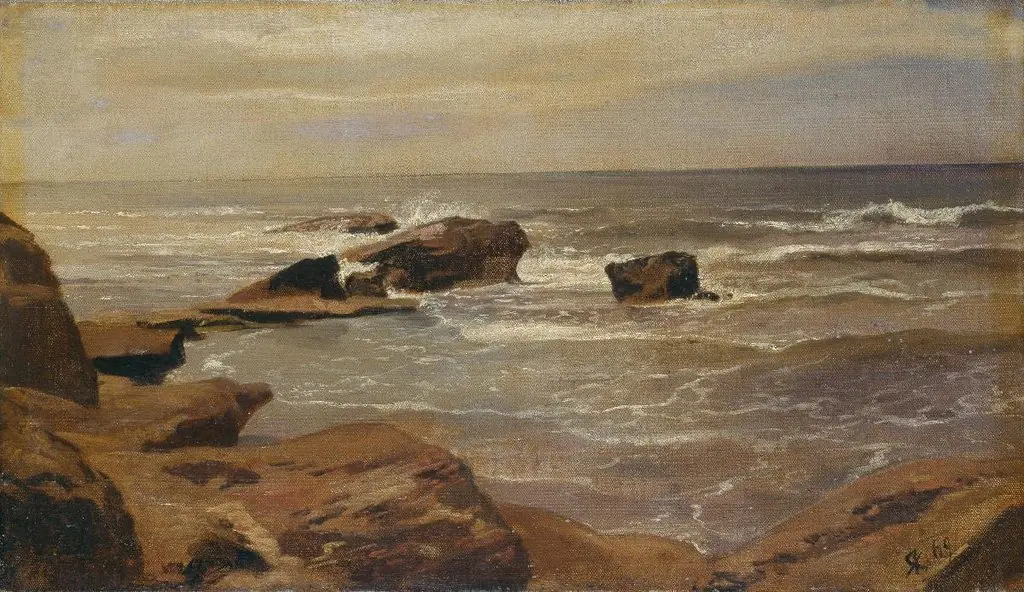
Rompientes (Guéthary) is an oil painting by the Impressionist artist Carlos de Haes. It dates from 1891 and is held in the collection of the Museo del Prado.
About this work
Overview
Created in 1891, *Rompientes (Guéthary)* is an oil painting by Carlos de Haes, a Belgian‑born artist who spent his career in Spain. The work belongs to the late‑19th‑century Impressionist tendency and is part of the Museo del Prado’s permanent collection. It portrays a storm‑tossed coastline, emphasizing the raw, atmospheric qualities of the sea and shore.
Subject & Meaning
The canvas captures a rugged shoreline where jagged rocks confront a churning sea. Waves break with white foam against dark, muted stone, while a heavy gray sky looms overhead. The composition conveys the power of nature and the fleeting, turbulent moment, inviting contemplation of the landscape’s inherent drama rather than a narrative scene.
Technique & Style
De Haes employs a restrained palette of grays, whites, and subdued earth tones, using chiaroscuro to model the rocks and water. Brushwork suggests the movement of clouds and surf, while tonal contrasts create depth and a sense of immediacy. The approach reflects Impressionist concerns with light and atmosphere, yet retains a realist attention to detail in the rock formations.
History & Provenance
After its completion, the painting entered the Spanish national collection and is now housed in Madrid’s Museo del Prado. De Haes, a pivotal figure in Spanish realist landscape painting from the 1850s onward, taught several notable pupils, including Aureliano de Beruete, who later joined him and Jenaro Pérez Villaamil among Spain’s leading landscape artists.
Artist & collection
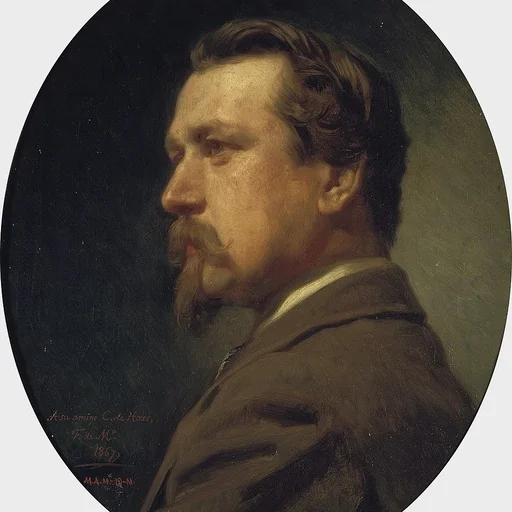
Artist
Carlos Sebastián Pedro Hubert de Haes (January 25, 1829 – June 17, 1898) was a Spanish painter from Belgium.